
Some cookies are needed to make this site work. With your permission, we'd also like to use cookies to see how people use the site and to show relevant ads and travel deals. You can change your mind at any time using the "Cookie settings" button. Read more in our Policy.
Your browser is sending a "do not sell or share" signal, so advertising cookies are off by default.
E x p l o r e t h e w o r l d. B r i n g i t s b e a u t y h o m e.
Before you fill your Spain itinerary with famous names, ask yourself one question: what would you love an ordinary day of this holiday to look like?
An early start for architecture and sightseeing? A long lunch followed by a wander through smaller streets? A beach afternoon with very little on the agenda?
That answer is more useful than a list of places you feel obliged to visit.
Spain offers plenty of possibilities. The trick is choosing a few that fit together—and leaving enough room to enjoy them. This guide brings together our favourite starting points for city breaks, coastal stays, smaller-town discoveries and island escapes, with practical advice to help you decide where to go next.

Think about your ideal morning, your preferred pace, and how often you want to unpack.
| Your holiday wish | Places to explore | Decide this first |
|---|---|---|
| Architecture, sightseeing and café stops | Barcelona, Madrid or Seville | Which city interests you enough for a whole break? |
| City exploring with time beside the sea | Valencia or Málaga | Would you rather stay near the sights or nearer the beach? |
| Beach days with optional outings | Alicante, Benidorm or Marbella | What would you like within walking distance of your accommodation? |
| Smaller streets and places to linger | Cadaqués, Mijas or Cudillero | How will you arrive and get around? |
| A food-focused city escape | San Sebastián | How much of the trip would you like to leave open for eating and wandering? |
| An island holiday | Mallorca or Tenerife | Do you want to explore widely or settle into one base? |
These are starting points. Choose the place that fits how you like to travel.
Still deciding between cities? Explore our Spain’s Top 5 Cities guide before narrowing your shortlist.
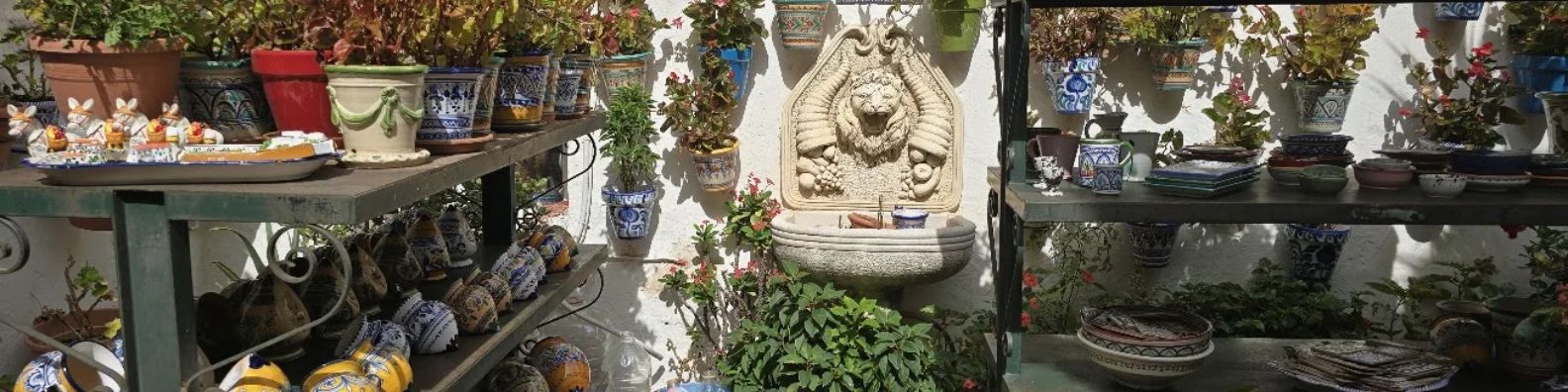
You don’t need a long holiday to enjoy Spain, but you do need a realistic plan.
Our suggested starting points:
Three or four nights: choose one city or coastal base.
Five to seven nights: explore one area, with a day trip or two if you feel like it.
Eight to ten nights: consider two bases with a straightforward connection.
Two weeks: give yourself a regional journey or a few longer stays, with room for slower days.
These are planning suggestions, not minimum stays. Your arrival time, interests and travelling pace matter more than the number on the calendar.
Count usable days before booking. A late arrival and early departure can make a four-night break considerably shorter than it sounds.
Architecture and evenings out: spend the week in Barcelona or Madrid, choosing a few major visits and leaving time for neighborhood walks and meals.
Southern Spain with a change of scene: consider Seville and Málaga, with Córdoba as an optional stop or outing once you’ve checked the connections.
A coastal base with optional adventures: settle into Alicante or Benidorm, then decide how many days you want to spend away from the beach.
An island can also fill the whole week beautifully. You don’t need to attach Mallorca or Tenerife to a mainland itinerary.
Each city can inspire a holiday. Trying to squeeze several into a short trip can leave you remembering checkouts and luggage more clearly than the places themselves.
For a short break, our suggestion is to choose one base. Plan one main outing each day, group nearby sights together and leave some space around them.
Before booking your hotel, save your must-see places on a map. Then check the journey from the hotel’s actual address—including the walk to public transport.
“Central” is a useful search term. A checked address is a better booking decision.

If Barcelona means architecture to you, decide which buildings you want to experience inside, rather than simply photograph from the street.
Begin with our Barcelona travel guide, then take a closer look at La Sagrada Família.
Check current availability through the attraction’s official website before arranging the rest of that day. Once you have a timed visit, leave room for getting there, finding the entrance and enjoying the experience without watching the clock.
City cards deserve the same thought. Compare their current inclusions with the journeys and attractions you actually want. A pass only saves money if you use enough of what it offers.

For Madrid, explore our Madrid travel guide and choose the places that genuinely interest you.
Here’s a useful exercise: each person traveling picks one priority. Put those into the plan first, then see what fits nearby.
If museums are your main reason for visiting, leave room to enjoy them properly. A major museum followed by a leisurely meal can make a satisfying day.

Explore our Seville guide, then give Plaza de España its own place in your plans.
The tiled alcoves and bridges reward a closer look. Pair the visit with time in María Luisa Park rather than rushing straight to another attraction.
>> Try this: keep one part of the day free for wandering, photographs, and an unhurried stop for something to eat.
Valencia is worth investigating if you want city sightseeing, family activities and time at the beach within the same holiday.
The most useful decision comes before booking: what would you like to step outside into each morning?
Our guide to staying in Valencia explains the distinction between Ciutat Vella, the historic core, and the broader city centre.
Check your hotel’s exact location against your plans. A central address doesn’t automatically put the beach on your doorstep; a beach address may mean longer journeys to the sights.
Compare the full stay:
Room prices for your dates.
Likely transport costs.
Breakfast or kitchen facilities.
Cancellation terms.
Recent comments about noise, access and the surrounding streets.
Begin with our Valencia travel guide, then follow the advice that fits your holiday.
Travelling with children? Our Valencia with Kids guide helps you choose activities. Plan one main family outing at a time, with space for meals, breaks and changing energy levels.
Watching your spending? Explore Valencia on a Budget. Decide which paid experiences matter most, then balance them with walks, parks and time simply enjoying the city.
A beautiful pool tells you very little about the evenings you’ll spend outside the hotel.
Can you walk somewhere for dinner? What does the route to the beach look like? Will you need transport whenever you want to go out?
Picture a day when you don’t feel like organising anything. Would you still enjoy staying there?
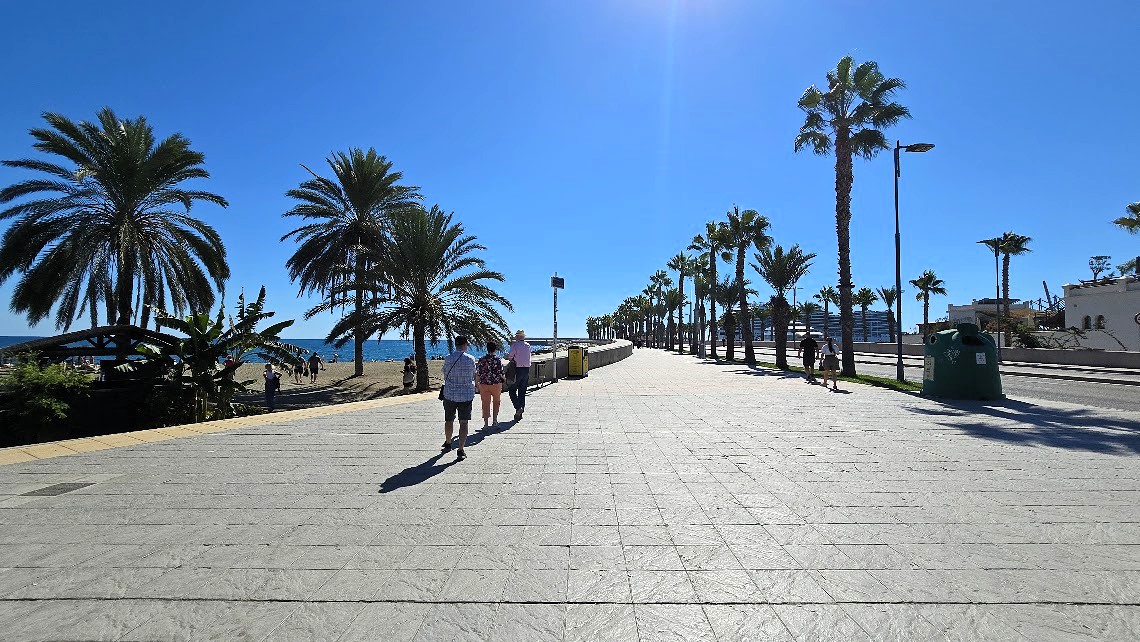
Málaga has more to offer than a quick stop between the airport and your accommodation.
Our Málaga guide connects waterfront wandering, the beach and historic sights. It also shares a particularly lovely discovery from the author’s visit: the green parakeets in Parque de Málaga.
That’s a good reason to slow down. A park can become one of the memories you take home.
For a manageable outing, consider the marina, a park stop and time near the beach. Give a major sightseeing visit its own space elsewhere in the day.
If the cathedral catches your interest, discover the story behind Málaga Cathedral’s missing tower.

Read our Marbella guide alongside the Mijas guide if you’re considering the Costa del Sol.
Pay attention to the exact locality when comparing accommodation. Mijas Pueblo, with its hillside village setting, offers a different base from Mijas Costa.
Decide whether you want village surroundings, easy beach access or a starting point for outings.
Hiring a car? Ask where you’ll park, what it costs and how far you’ll carry your luggage before paying for the room.

Our Alicante guide for first-time visitors includes the mosaic-paved Explanada de España and Calle San Francisco, known for its oversized mushroom sculptures.
Build in an afternoon without a major booking: a walk, a café stop and room to follow whatever catches your eye.
Comfortable shoes will earn their place in your suitcase.

Our five-day Benidorm itinerary combines beach time, the old town and outings beyond the resort.
It also discusses the different character of Levante and Poniente. Read that part before choosing accommodation, then check recent reviews for the specific street and property you’re considering.
Use the itinerary as a menu. Keep the days that appeal and remove anything that makes your holiday feel crowded.
Leave one day flexible. You may want another beach morning, an outing you hadn’t considered or a slower start.
Cadaqués, Mijas and Cudillero deserve more than a hurried photograph between longer journeys.
Before booking, check your arrival, parking or public transport, and the walk to your accommodation. If steps or gradients would be difficult, ask the property directly about access.

Start with our Cadaqués travel guide, then explore 10 Unique Things to Do in Cadaqués.
The possibilities include art, old-town wandering and the landscape around Cap de Creus.
Choose the experiences that matter most. For a visit to Dalí’s house in Portlligat, check official booking arrangements. For a coastal walk, check the route, conditions and return journey before setting out.
A line on a map doesn’t tell you how a path will feel underfoot.
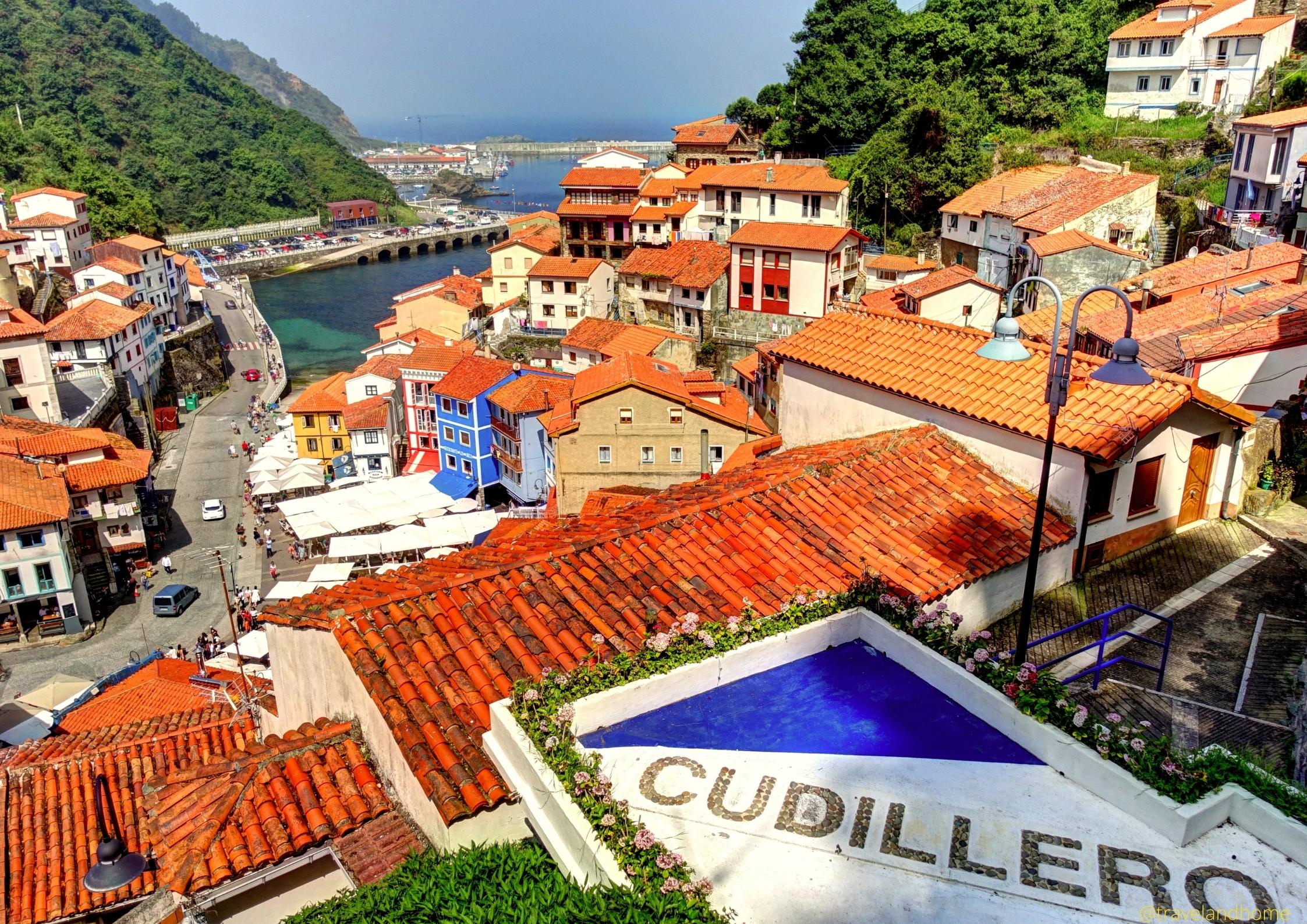
Our Cudillero guide offers another smaller-place possibility.
Work out how you would arrive, how long you could stay and where you would go afterwards. Then decide whether it fits comfortably as an outing or deserves an overnight stop.
The important question is whether you’ll have time to enjoy being there.
If food is one of the pleasures you build a holiday around, explore our San Sebastián guide.
Give the trip a little flexibility. Keep room for a place you notice while walking, an unexpectedly long lunch or a second visit somewhere you enjoyed.
Before choosing accommodation, check how easily you can walk to the places you expect to spend your evenings. If quiet nights matter, read recent reviews closely rather than relying on a central location alone.
>> Our planning suggestion: give northern Spain its own space in the itinerary. Check actual connections before attaching a northern stop to a short southern or Mediterranean holiday.
Where you stay will influence how much traveling you do each day.
Explore things to see and do in Mallorca—also called Majorca—or discover our Tenerife guide.
Then choose your priorities:
A beach-focused base or a starting point for exploring?
A hire car, public transport or selected excursions?
One special outing or several days on the move?
A lively evening setting or somewhere quieter?
Considering Tenerife? Our Playa de las Américas guide helps you explore one possible base.
Map a few representative journeys from your shortlisted accommodation. If adding an island to a mainland trip, count the whole transfer: packing, checkout, the airport journey, flying and reaching your next stay.
Those hours belong in the itinerary too.
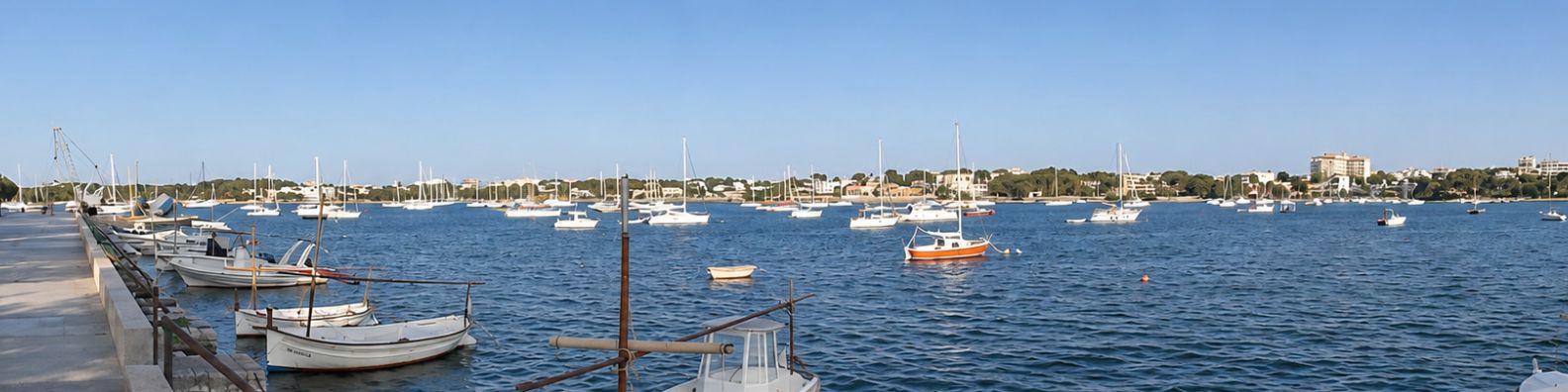
Choose your season around your main activity and your destination. Spain’s regions and islands don’t all share the same conditions.
Spring and autumn are useful starting points when researching walking-heavy trips, particularly in southern cities. Our Seville guide discusses the trade-offs between seasons.
Check local events before booking: appealing dates can also be busy ones.
Compare conditions for the specific coast or island you’re considering. Pleasant weather for walking doesn’t necessarily mean the sea will feel warm enough for you.
Check whether accommodation facilities, excursions and seasonal services will be operating during your stay.
Our Córdoba in May guide is a lovely starting point for a holiday shaped by the calendar.
Confirm the current programme and access arrangements before booking around a particular experience. Then check accommodation availability.
The author’s autumn visits in our Málaga guide offer inspiration for enjoying the city beyond midsummer.
Pack for the evenings as well as the afternoons, and leave some flexibility for weather.
Start with the places you want to visit. Spain offers rail, bus and air connections, but the most useful option depends on your route. The official Spain transport guide is a helpful starting point.
Price public transport and the airport transfer before hiring a car. Compare that with the cost of parking and any restrictions affecting access to your accommodation.
Compare station-to-station and airport-to-airport journeys in full. Include getting to the terminal, waiting time and reaching the next hotel.
Check the exact station name before booking, and look at luggage allowances and ticket conditions.
A car may give you more flexibility, but check parking and arrival instructions first. Ask your accommodation where to unload rather than following navigation blindly into unfamiliar streets.
Check the return journey before leaving. Knowing when you need to head back makes the rest of the day easier to enjoy.

A single daily figure won’t describe every kind of Spain holiday. Build your budget around your own dates and plans.
Start with accommodation and the main journeys, then allow for:
Airport transfers and local transport.
Meals, drinks and groceries.
Attraction tickets and excursions.
Parking, luggage charges and any local accommodation taxes.
A little room for something unexpected.
Compare the total stay, not just the room price. A cheaper room may involve extra journeys; an apartment kitchen may be useful if you genuinely want to use it.
For attraction passes, list what you would book anyway and compare the individual cost with the pass. You shouldn’t need to race around to make a purchase worthwhile.
Choose a few places you’re excited to try, then leave room for discoveries.
Restaurant hours may be later than you’re used to. Spain’s official tourism guidance describes lunch commonly falling around 1–4 pm and dinner around 8–11 pm, with variation by location and establishment. Check the kitchen hours of somewhere you particularly want to visit.
If traveling with children—or arriving hungry after a journey—identify an early food option beforehand.
When ordering, ask about portion sizes and how much to share. You can always order another dish. Check what a set menu includes before comparing it with individual prices.
And make one meal an occasion: put the phones away, order something you’re curious about and allow the evening to unfold.
Save your accommodation’s address, check-in instructions and transfer details offline. If arriving late, confirm reception arrangements and where you can get something to eat.
Check your provider’s roaming terms or arrange suitable mobile data. Download the maps and booking confirmations you’ll need on arrival.
Bring shoes you’ve already worn comfortably. Think about steps, uneven streets and the route to the beach as well as your sightseeing plans.
Pay particular attention to your belongings in crowded places and on public transport. Spain’s emergency number is 112, free to call throughout the country. Official safety information.
Confirm the entry requirements that apply to your nationality and journey through official sources before booking, and again before departure. Spain’s official practical-information page links to passport and visa guidance.


Some holiday memories return through food: a shared dish, a favourite flavour or an evening you wished would last longer.
Our Spanish tapas recipes give you a reason to gather a few people around the table. Choose a handful of dishes you’ll enjoy making, and leave yourself time to enjoy the company too.
For an adults-only occasion, explore our Spanish sangria recipe.
It’s a lovely way to begin looking forward to a trip—or keep talking about it once the suitcases are unpacked.

Choose one destination that makes you curious. Open its guide, save a few ideas and picture what staying there would feel like.
Then leave some room around the plans.
You might remember a famous building most clearly. Or it might be a park full of parakeets, a walk that took longer because you kept stopping, or a lunch that became the whole afternoon.
Which kind of Spain holiday are you dreaming of: city streets, coastal days, smaller-town discoveries or an island escape? Tell us in the comments.
