

It’s funny how some places stay with you long after you’ve left them. Texel is one of those spots. The moment you step off the ferry, there’s this quiet shift—you breathe a little deeper, your shoulders drop, and suddenly the world feels a bit more manageable. It’s not dramatic or life‑changing; it’s just… good. Like catching up with a friend you didn’t realize you missed.
Texel isn’t the kind of place where you chase adrenaline or try to squeeze ten attractions into one afternoon. It’s the opposite. It’s the place you go when you need to exhale properly for the first time in weeks. The island has this quiet way of giving you space—no pressure, no rush, no “must‑see” panic. Just slow travel at its best.
Walk the endless beaches — seriously, they go on forever. The stretch near De Koog is the most popular, but the quieter bits near De Slufter feel almost untouched.
Visit Ecomare — part seal sanctuary, part nature museum. It’s sweet, educational, and very Texel.
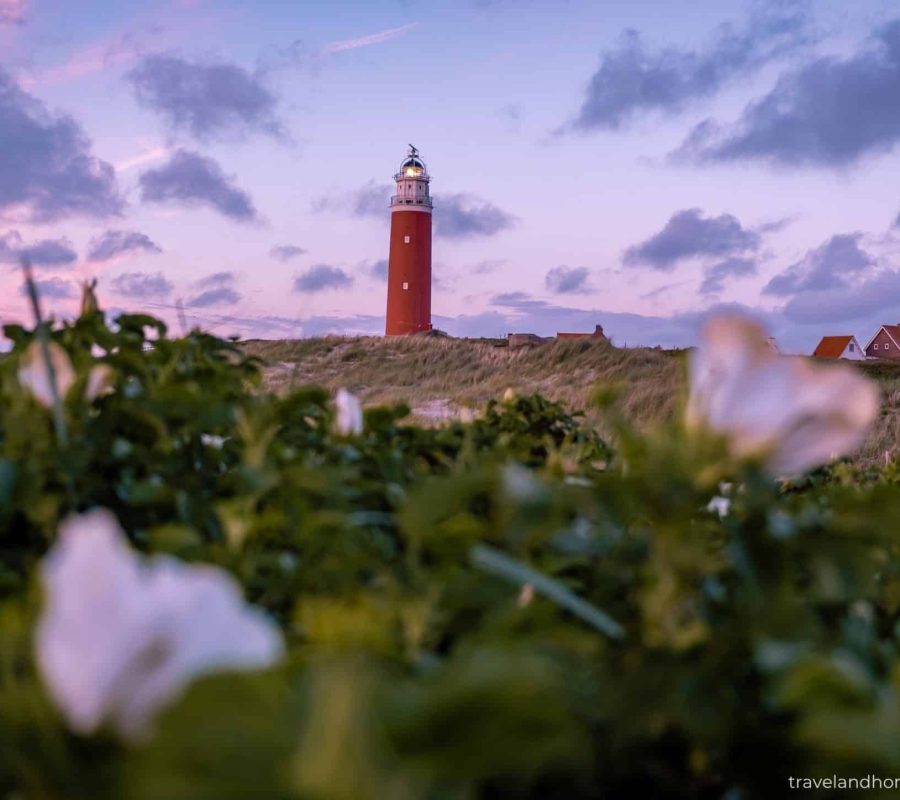
Climb the lighthouse at the northern tip — the views are wide and windy, and you’ll probably take way too many photos.
Explore De Slufter nature reserve — it’s one of the only places in the Netherlands where the sea is allowed to flow in freely. Great for walking and birdwatching.
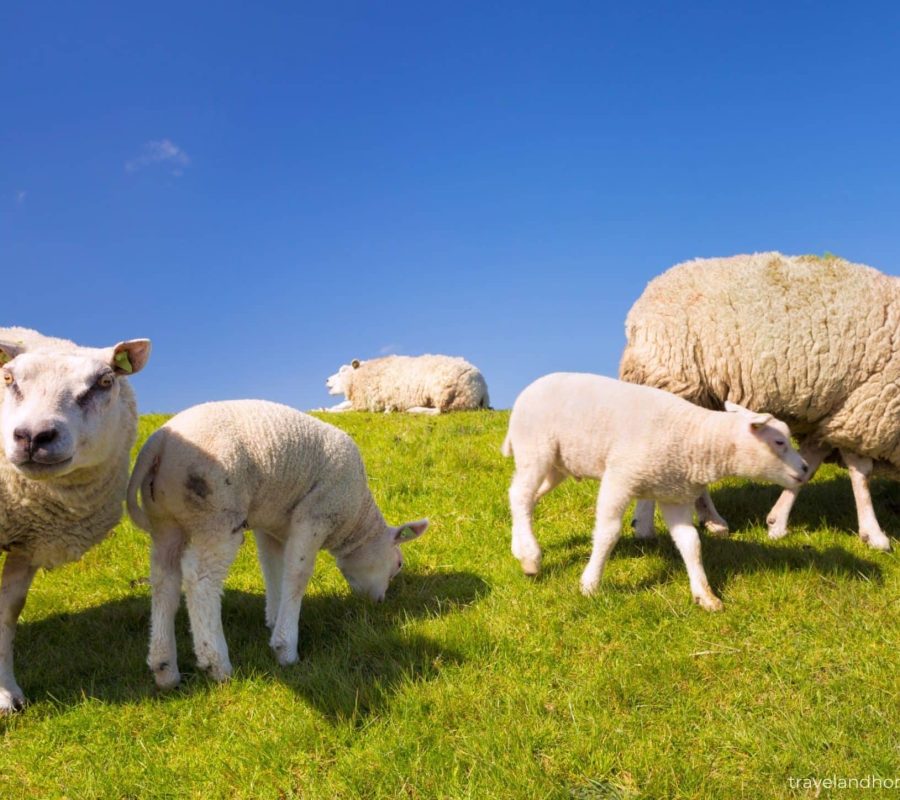
Sheep farms — Texel sheep are basically local celebrities. You can visit small farms, taste cheese, and pet fluffy residents.
Cycling paths everywhere — the island is built for bikes. You can easily spend a whole day just riding through dunes, forests, and tiny villages.
Getting to Texel is wonderfully simple.
Ferry from Den Helder — the TESO ferry runs every 30 minutes during the day. It’s a quick 20‑minute ride, and you can go on foot, by bike, or with your car. You just show up; no reservation needed for regular vehicles.
You’ve got options depending on how you like to travel:
By car Drive straight to the ferry terminal. The route is well‑marked, and parking is available if you’re not taking your car across.
By train Take the train to Den Helder Station. From there, bus 33 takes you directly to the ferry terminal in about 10 minutes.
By bus If you’re already in the region, regional buses connect to Den Helder Station, and then you hop on bus 33 to the ferry.
A day on Texel is surprisingly full without ever feeling rushed.
You arrive, grab a bike (or hop in your car), and head toward the dunes. Maybe you stop for coffee in De Koog, wander the beach, then cycle up to the lighthouse. Lunch is usually something simple and local—fish, lamb, or pancakes. In the afternoon you might visit Ecomare or explore De Slufter. And before heading back, you sit somewhere with a view of the sea and think, “Okay, I get why people love this place.”
It’s one of those days that feels longer than it actually is—in a good way.
Short answer: no, you don’t need a car, but it can be convenient.
Bike — the best way to explore. The island is flat, safe, and full of bike paths.
Car — helpful if you want to cover more ground quickly or visit multiple villages in one day.
Bus — Texel has a flexible bus system called Texelhopper. It’s reliable but slower than biking or driving.
Walking — great for beaches and villages, but not ideal for crossing the island.
If you’re staying for more than a day, renting a bike is almost always the nicest experience.
Each part of the island has its own vibe:
De Koog — lively, close to the beach, lots of restaurants. Great if you want convenience.
Den Burg — the main town. More local, more shops, more “everyday life.”
Oudeschild — the harbor village. Perfect if you like boats, seafood, and quieter evenings.
De Cocksdorp — near the lighthouse. Peaceful, scenic, and ideal for nature lovers.
Den Hoorn — artsy, quiet, and full of charm.
Texel has a surprisingly strong food scene for a small island.
Texel lamb — the island’s signature dish. It’s mild, tender, and genuinely delicious.
Fresh fish — especially in Oudeschild. Try kibbeling or a simple fish sandwich.
Texel beer (Skuumkoppe) — the island’s famous dark wheat beer. Locals love it.
Sheep cheese — creamy and rich. You’ll find it at farms and markets.
Pancakes — Dutch pancakes are always a win, especially with apple and cinnamon.
A few things that make your trip smoother:
Go to the beach early — the morning light is beautiful, and it’s almost empty.
Visit the small sheep farms — they’re more personal than the big tourist spots.
Eat at local cafés instead of the main strips — better food, better atmosphere.
Check the wind forecast — Texel’s weather changes fast, and wind can make or break a bike day.
Explore the southern part — most tourists stay north, but Den Hoorn and the surrounding dunes are gorgeous and quiet.
──────────── ♡ ────────────
Texel is the kind of place where you wake up, look outside, and decide what you feel like doing rather than what you should be doing. Maybe that’s a long walk on the beach. Maybe it’s sitting at a café with a Skuumkoppe and watching locals go about their day. Maybe it’s nothing at all—and that’s kind of the magic.
Texel lets you reset before heading back into work deadlines, traffic, and the general noise of everyday life. It’s like a soft buffer between you and the world. And honestly, that’s why people keep returning. Not for adventure, but for breathing room. That’s the memory that sticks. The island doesn’t demand anything from you; it just lets you be.

If you want to bring something home from Texel — besides sand in your shoes and a calmer version of yourself — take the recipe for appelflappen with you. They’re one of those simple Dutch treats that feel like the island: warm, unfussy, and perfect with coffee after a long walk. You can grab them at bakeries all over Texel, but honestly, making them at home is even better.