
Zanzibar looks like the postcard version of paradise, but first-time visitors are often surprised by how diverse the island really is.
One day you’re wandering centuries-old alleyways in Stone Town, the next you’re swimming in clear turquoise water, exploring spice farms, or watching traditional wooden dhows sail into the sunset.
The island moves at its own relaxed pace, shaped by African, Arab, Indian and European influences that are reflected in the food, architecture and everyday life.
Spend at least five days here if you can. It gives you enough time to experience more than just the beach and discover why so many travellers leave wishing they had stayed longer.
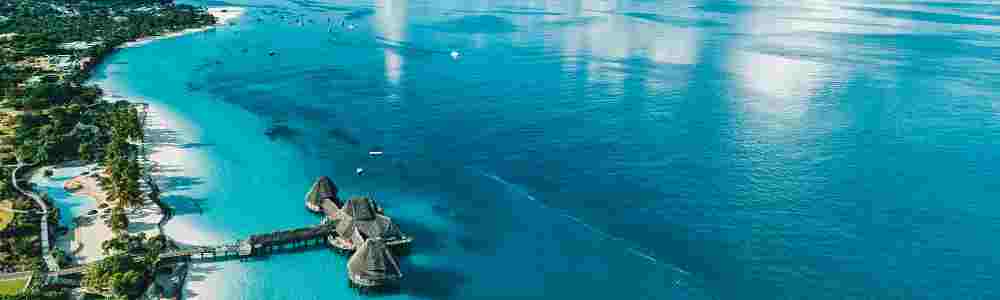
Remember Zanzibar isn’t just a one island destination.
While almost everyone refers to it as a single destination, Zanzibar is actually an archipelago consisting of several islands in the Indian Ocean, just off the coast of mainland Tanzania.
When people say they are going to “Zanzibar,” they are almost always referring to Unguja, which is the largest, most populated, and main commercial hub of the region.
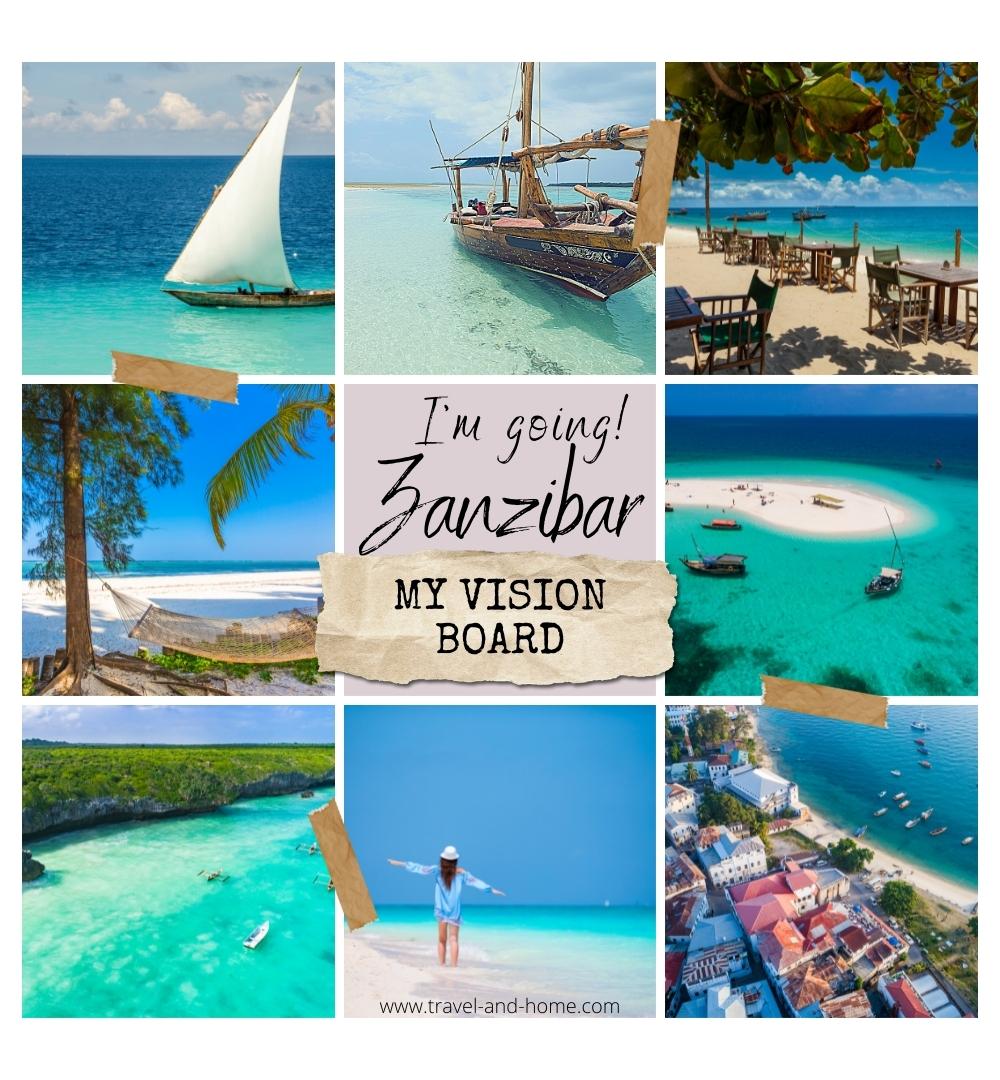
The Two Main Islands:
Most visitors stay on Unguja, while Pemba remains quieter and less developed.
One of the biggest surprises is the tide. Along much of the east coast, the Indian Ocean can retreat hundreds of metres during low tide, revealing seaweed farms, coral and sandbanks. Swimming may only be possible for part of the day, so check the tides before choosing where to stay if easy beach access is important.
If you are dreaming of long never-ending beaches with white sand and light blue water that is crystal clear, you will find it on this island which is only about 90 km long and 30 km wide.
Its beaches, its spice plantations (therefore lovingly referred to as The Spice Island), the history of Stone Town, and the beautiful holiday resorts.
Maybe Wikipedia describes it better: “Unguja (also referred to as “Zanzibar Island” or simply “Zanzibar”, is the largest and most populated island of the Zanzibar archipelago, in Tanzania.”
Geographically, no, they aren’t the same thing—but conversationally, people treat them as if they are.
Here is the easiest way to think about the distinction:
The Official Difference
Q: Which side of Zanzibar should you stay on?
A: The best side to stay on depends entirely on how you want your days to feel.
Here is how to choose between them based on your style:
Best for: Carefree beach days, swimming anytime, and vibrant energy.
This is the postcard version of Zanzibar. Because of the island’s topography, the north coast experiences very little tidal variation. While other parts of the island require you to walk out half a mile to touch water during low tide, here you can swim 24/7.
The Vibe: Energetic and social. It has a beautiful, continuous strip of soft sand lined with beach bars, restaurants, and hotels.
The Sunset: Because it faces north-northwest, Kendwa and Nungwi offer spectacular, uninterrupted ocean sunsets.
Best for: Sensory immersion, barefoot luxury, and active relaxation.
The east coast is defined by the dramatic rhythm of the Indian Ocean tides. When the tide goes out, it reveals a vast, shallow landscape of coral flats, rock pools, and local women harvesting seaweed. When it comes in, it is a stunning turquoise playground.
The Vibe: Laid-back, bohemian, and boutique. Paje is the world-famous hub for kite-surfing, filled with trendy cafes and a younger, active crowd. Further south, Jambiani offers an authentic, slow-paced look into local village life with lovely, intimate eco-resorts.
The Trade-off: You have to plan your swimming around the tide tables, but many travelers find the shifting landscape incredibly poetic and peaceful.
Best for: The cultural anchor of your trip.
Stone Town isn’t a beach destination, but it is the beating heart of Zanzibar’s history. The architecture tells a rich, layered story of Swahili, Arab, Indian, and European influences.
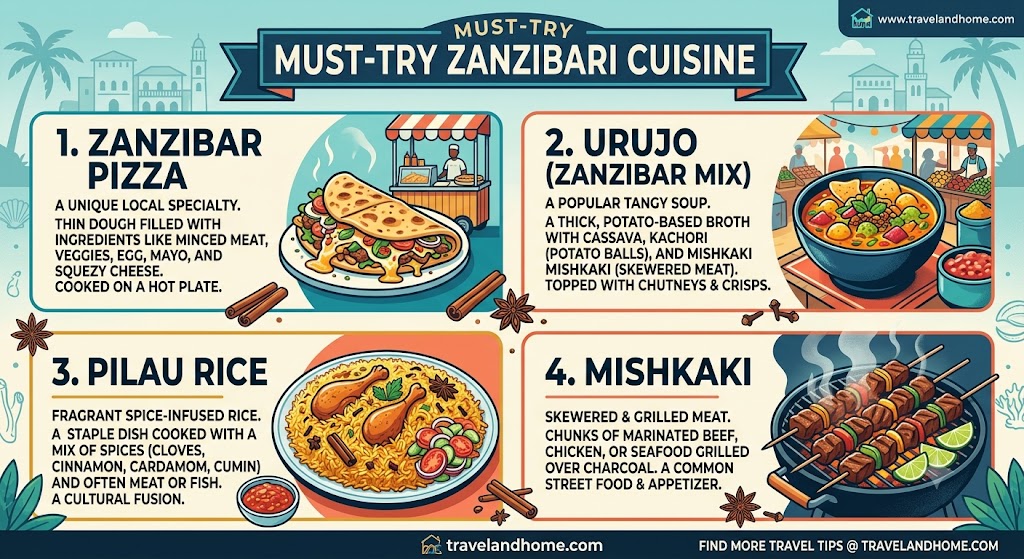
The Experience: Getting lost in the labyrinth of limestone alleys, breathing in the scent of drying cloves, and visiting the Forodhani Gardens night food market for fresh seafood and Zanzibar pizza.
The Strategy: Spending one or two nights here at the very beginning or end of your trip is the perfect way to anchor your island experience in local culture before escaping to the coast.
Choose the North if: You want a classic, fuss-free beach holiday where you can swim at 2 PM or 2 AM, watch the sunset with a cocktail, and enjoy a lively social scene.
Choose the East/South-East if: You prefer a tranquil, atmospheric escape, love a bohemian aesthetic, or want to watch the sunrise over a quiet, endless expanse of white sand.
The Ultimate Mix: Many travelers split a week-long trip by spending 2 nights in Stone Town to absorb the history and food, followed by 5 nights on the coast (North for swimming or East for pure peace).
DID YOU KNOW:
Main industries of the islands:
Spices (like cloves, nutmeg, cinnamon, and black pepper), Raffia, and Tourism
Stay in Beautiful places like: Zuri Zanzibar in Kendwa – Simply stunning.
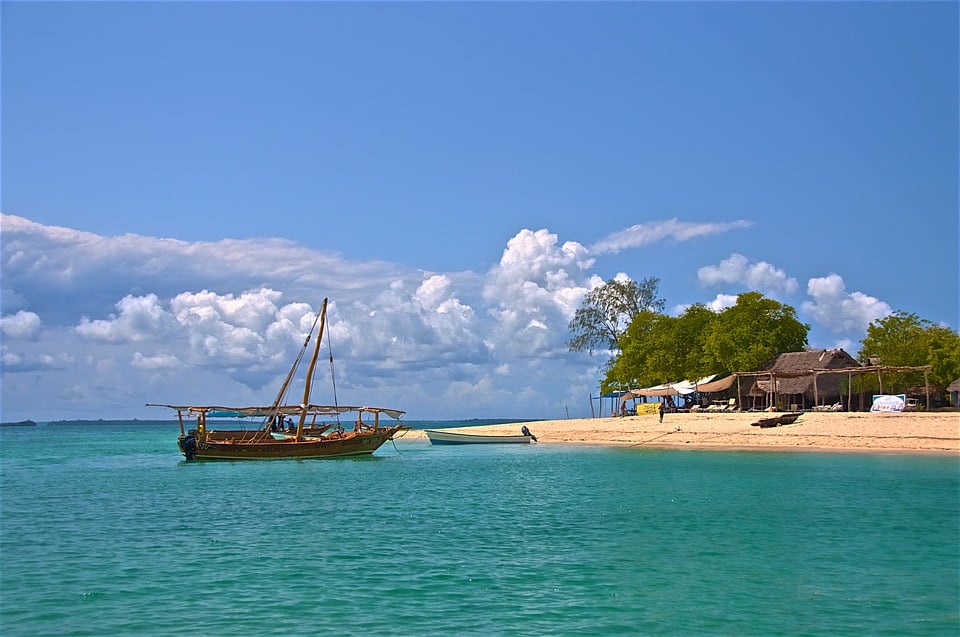
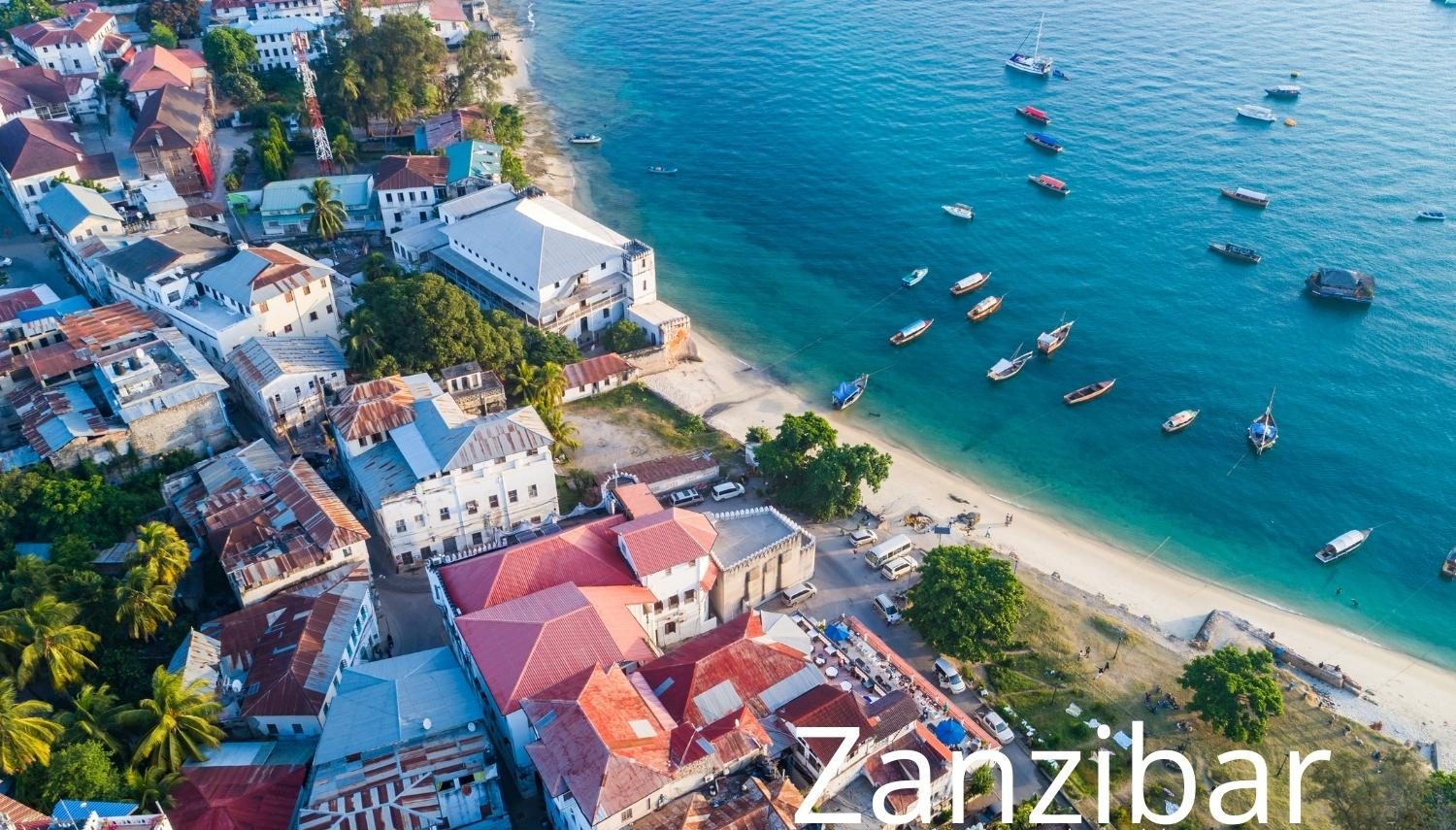
Stone Town (Also known as Mji Mkongwe locally) is a vibrant town and World Heritage Site (the old part of Zanzibar City). It is located on the western coast of Unguja, the main island. Don’t try to navigate Stone Town with Google Maps alone. The maze of narrow streets often confuses GPS. One of the joys of visiting is simply wandering until you discover hidden courtyards, carved wooden doors, rooftop cafés and tiny shops selling spices, artwork and handcrafted souvenirs. (It’s a good idea – especially if you’re visiting for the first time – to go on a guided tour. We’ll include links below.)
Travel Tip: If you want vibrant culture, bustling markets, and lively beach bars, stick to Unguja. If you want remote, wild landscapes and complete seclusion, consider splitting your time with a hop over to Pemba.
Being near to the equator, the islands are warm all year round. However, you need to take note of the wet months, which are the Monsoon months: March, April, and May as well as November and December.
Therefore the best time to visit will be June to October (these are the cool and dry months) and again during January and February.
The island is warm throughout the year, but the sea can feel noticeably different depending on the season. July to October generally offers cooler evenings and lower humidity, while January and February bring warmer ocean temperatures that are perfect for swimming and snorkelling.
Zanzibar is a fantastic holiday destination, but if you are still looking for reasons why you should go to Zanzibar; Here are a few:
Yes, Zanzibar’s main airport is Abeid Amani Karume International Airport.


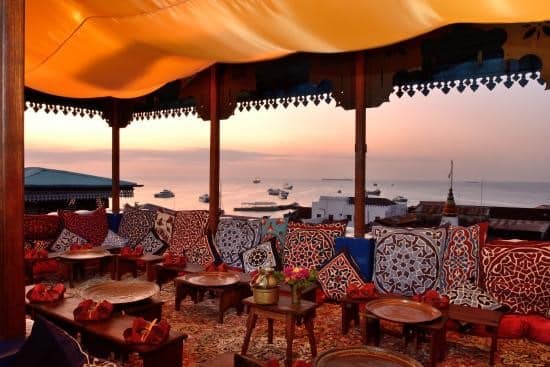
The Tea House Restaurant:
A rooftop restaurant with beautiful views and an exceptional experience. The Emerson Zanzibar Tea Ceremony introduces guests to the Zanzibar culture. The Tea Ceremony is held in Roshani at Emerson on Hurumzi. It takes around 2 hours and can be started anytime between 11 am to 4 pm. You can make reservations at:
Email: [email protected]
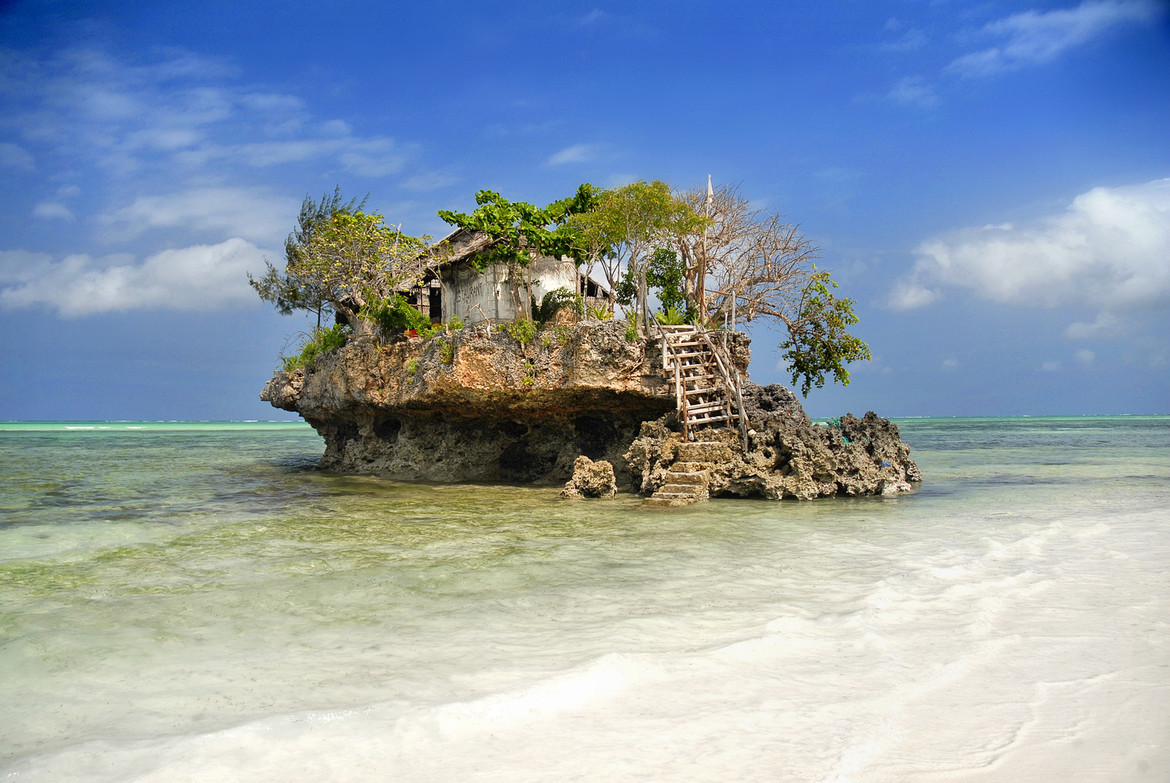
The Rock Restaurant:
Be sure to book online well in advance, as they do have limited space and you don’t want to be disappointed. Also due to the size limit, you can’t make reservations only for drinks, so use this opportunity to treat yourself and your travel companion/s and enjoy a meal in a truly unique setting.