Kruger National Park Safari Guide: Seasons, Wildlife, Routes, and Planning Essentials
There’s a softness to Kruger before sunrise.
There’s a softness to Kruger before sunrise. The kind that settles into your chest and makes you breathe a little slower. The sky is still pale and unsure of itself. The birds are only just beginning to stir. And the gates — well, they feel like a promise, a quiet invitation into a world that doesn’t hurry for anyone.
If that feeling is what drew you to Kruger in the first place, this guide is the next step: the deeper companion to my first look at the park’s gates, seasons, and quiet magic. Here’s where we get into the practical side — the seasons, the routes, the camps, the costs — so you can settle in, sip something warm, and feel like someone’s walking you through it all with patience and heart.
Kruger has moods. And each one brings its own kind of magic.
The Best Time to Visit: Reading Kruger’s Two Seasons
Kruger doesn’t really have a wrong time to visit — just two very different characters.
The dry winter months, roughly June through September, thin out the bush and pull the animals toward the water. Vegetation is sparse, rivers and waterholes shrink, and sightings become easier and more concentrated as everything gathers in the same places to drink. Mornings are crisp — cold enough for a jacket at sunrise — and the light has that soft, golden quality safari photographers chase. Roads are dusty but easy to drive, and this is generally considered peak season, so camps and lodges book up early.
Summer, from roughly November through March, transforms the park entirely. The bush turns lush and green, thunderstorms roll in most afternoons, and the light turns dramatic — big skies, sudden downpours, rainbows over the plains. It’s also birthing season for many species, so this is when you’re most likely to see wobbly-legged newborns finding their feet. The trade-off is that the thicker vegetation makes animals harder to spot, and the heat and humidity are more intense.
If you’re chasing easy, concentrated sightings and don’t mind the cold mornings, go dry season. If you want drama, color, and new life — and you’re comfortable with denser bush and a higher chance of rain — summer is unforgettable in its own way. Neither season is a wrong choice; it just depends on the story you want to bring home.
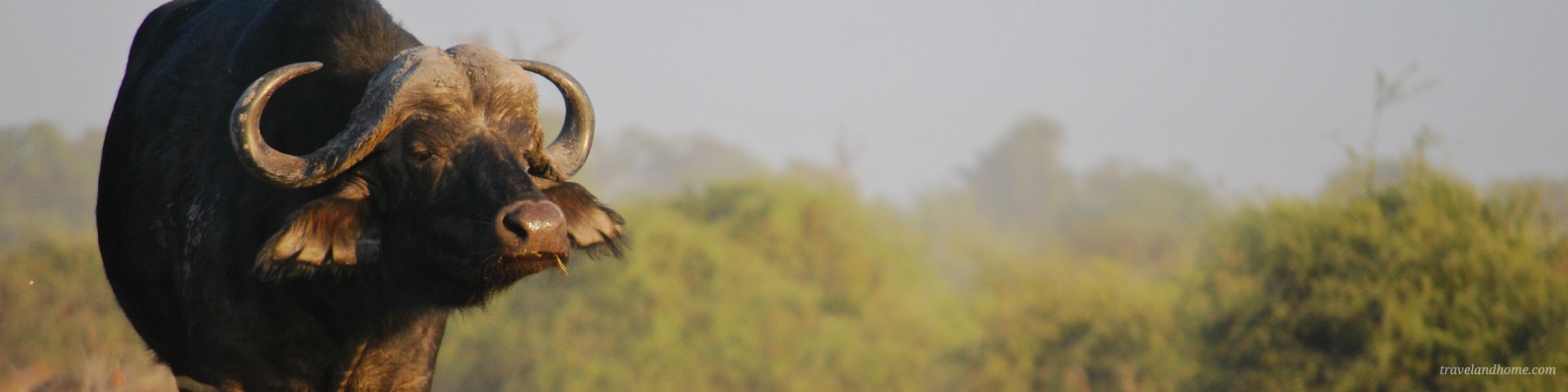
A Cape buffalo holding the morning stillness, watching with that quiet, steady presence that makes Kruger feel so alive
Understanding the Wildlife: The Rhythm of the Bush
The animals here don’t perform. They simply live. And that’s the beauty of it.
Lions often spend their days stretched out under trees, conserving energy for the cooler hours. Leopards move like shadows, slipping between branches or resting on rocky outcrops. Elephants wander with a calm confidence, appearing suddenly and silently, as if the earth itself shaped them.
Buffalo gather in large herds, their presence steady and grounding. Rhinos prefer the quiet of early mornings. And then there are the rare moments — a pack of wild dogs trotting down a road with purpose, or a cheetah perched on a fallen tree, scanning the plains.
Birdlife adds its own colour. Rollers flash bright blues and purples. Fish eagles call out over the rivers. Even the smallest birds feel like part of the story.
You never know what you’ll see. That’s part of the joy.
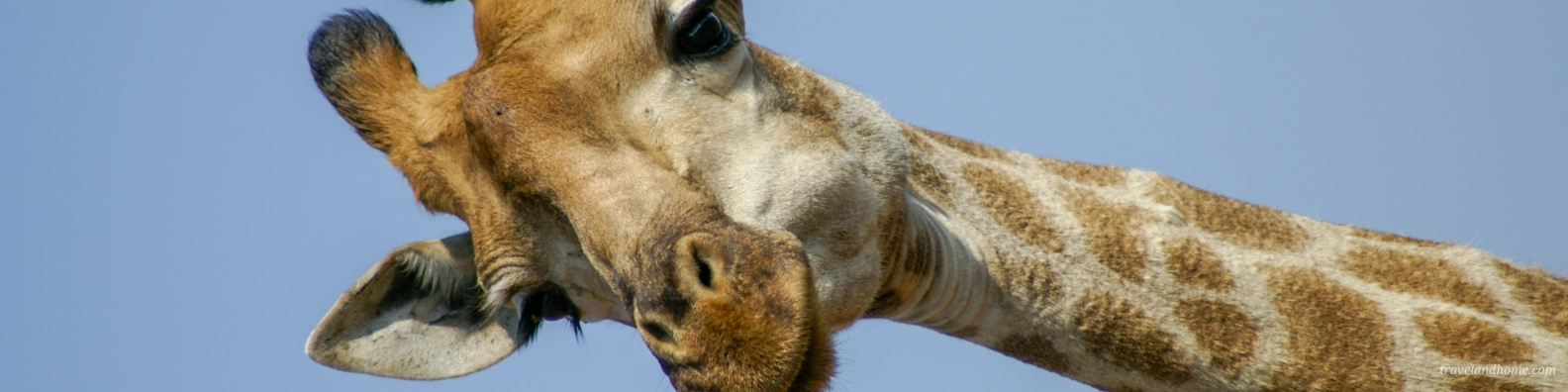
A curious giraffe pausing just long enough to meet your gaze — a small reminder that every moment in Kruger has its own quiet magic.
Self-Drive or Guided Safari: Finding Your Style
Both options open Kruger to you in very different ways.
At 19,485 km², Kruger is genuinely enormous — bigger than entire countries like Montenegro, Mauritius, or Jamaica. Unless you already know the park well, a guided safari is often money well spent. Guides carry insider knowledge: they read the landscape in ways most visitors can’t, spot movement long before you would, and know which roads tend to produce the rarer sightings — a pack of wild dogs, for instance, is far more likely to appear when someone experienced is doing the looking. A guide also brings a layer of comfort and safety, and takes the logistics off your hands entirely — all you need to do is watch, and press the shutter.
A self-drive, on the other hand, is about freedom. Windows down, coffee in hand, stopping for as long as something holds your attention. It’s slower, more personal, and lets you shape each day entirely around your own curiosity rather than a set route.
There’s no wrong choice here — just the version of Kruger that suits how you like to travel. Some visitors do a mix: a self-drive for most of the trip, with one guided night drive booked in for the after-dark sightings a private vehicle can’t offer.
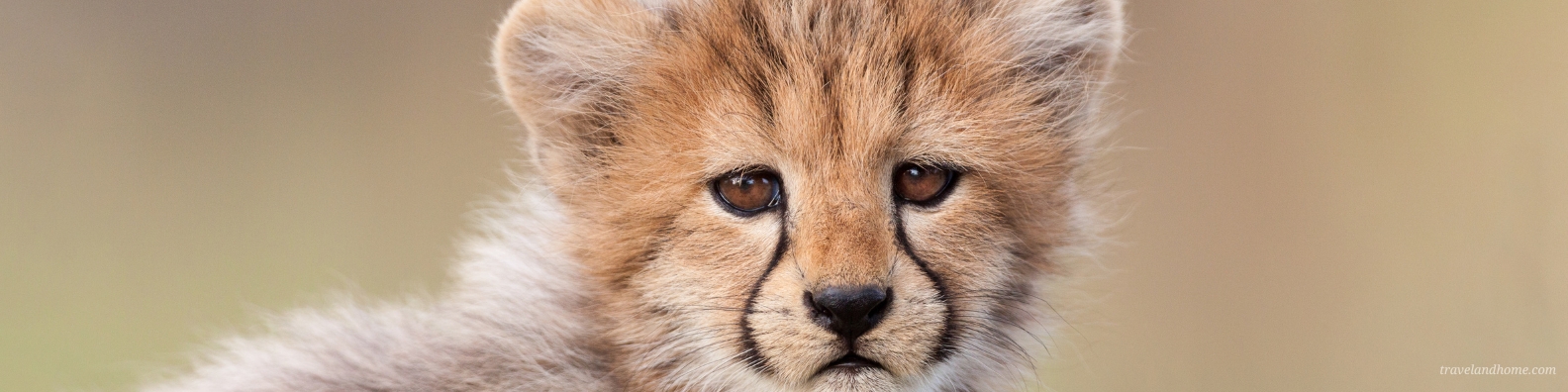
A young cheetah pausing in the quiet light, all bright eyes and new courage, already learning the rhythm of the wild.
The Roads That Stay With You
Kruger’s roads each have their own personality. Some feel gentle and leafy. Others stretch across open plains where anything can happen.
There’s a road along the Sabie River where elephants often appear like soft shapes in the morning light. Another near Satara where big cats seem to favour the warm dust. And a quiet gravel road near Crocodile Bridge where wild dogs sometimes move in loose formation, trotting with purpose as if late for something important.
You don’t need to know every road by name. You’ll find your favourites naturally. The ones you return to without thinking. The ones that feel like part of your own story.
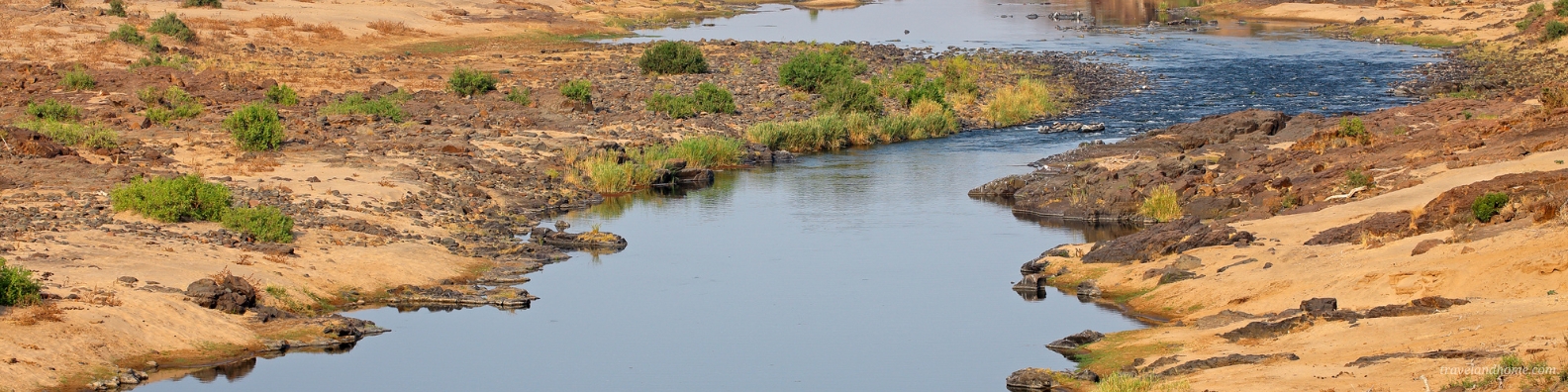
The Olifants River stretching quiet and wide below — a view that makes you pause and breathe a little deeper.
Choosing a Rest Camp: Each One Has Its Own Mood
Skukuza is lively and full of energy. Satara feels open and wild, with big cat country stretching in every direction. Lower Sabie sits beside the river, offering peaceful evenings and soft views. Letaba feels leafy and calm, perfect for elephant lovers. Olifants gives you sweeping views from high above the river. And Punda Maria holds the quiet magic of the north — a different kind of Kruger that feels untouched and serene.
You can’t choose wrong. Each camp offers something special.
Booking Rest Camps Inside Kruger
Rest camps inside Kruger are booked directly through SANParks, the official home of the park. It’s simple and reliable, and you’ll see real‑time availability for every hut, bungalow, cottage, and bush camp. Third‑party sites often list private lodges in nearby reserves, but the classic Kruger rest camps—places like Satara, Skukuza, Letaba, and Lower Sabie—live only on the SANParks system.
It’s the easiest way to plan your stay. You choose your camp, pick your dates, and your booking is instantly recorded at the gate for check‑in. No middlemen. No confusion. Just you, your chosen camp, and the excitement of knowing you’ll be waking up inside the park.
Price patterns inside the park
Rest camps run by SANParks are designed to be accessible. They offer simple huts, bungalows, safari tents, and campsites at rates that stay surprisingly reasonable. Campsites can start around the lower end of the price spectrum, and basic bungalows remain one of the most affordable ways to sleep inside Kruger. These options give you the essentials: a bed, a fan, a small kitchen setup, and the joy of waking up inside the park.
Because SANParks focuses on conservation rather than luxury, the pricing stays grounded. You pay for the location and the experience, not for high-end amenities.
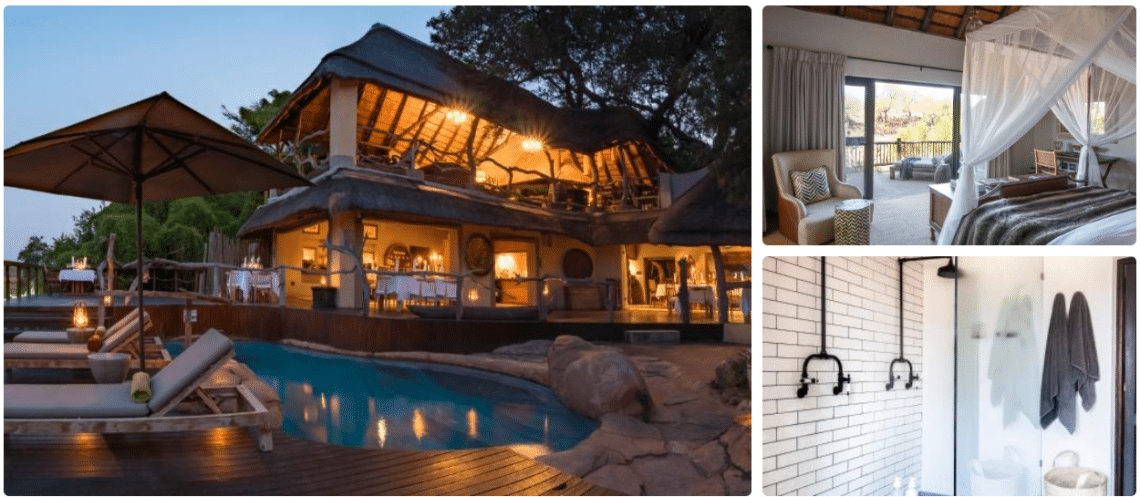
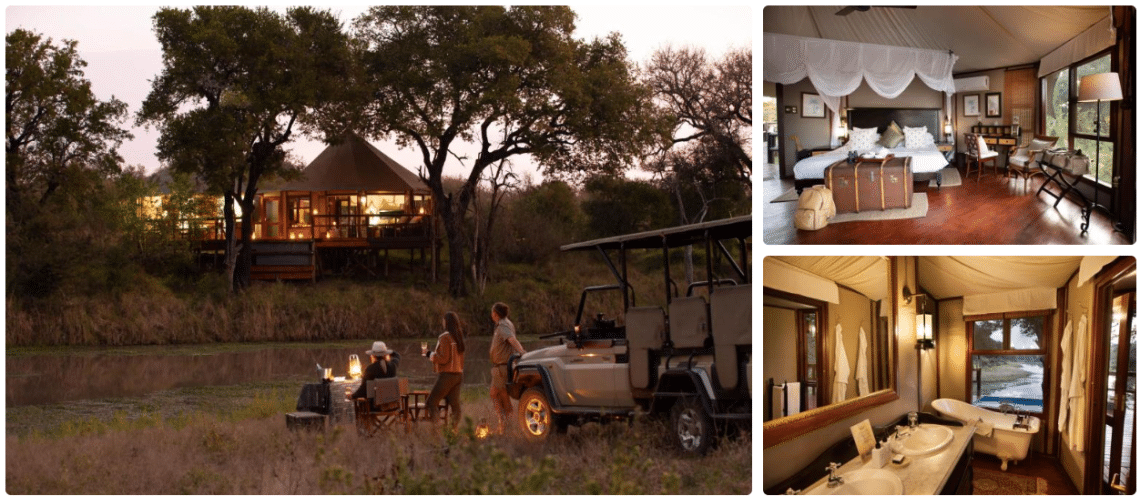
Private lodges inside Kruger are luxury properties with all‑inclusive rates. Prices are significantly higher because they include guided drives, meals, drinks, and a high staff‑to‑guest ratio. They are designed forcomfort and exclusivity.
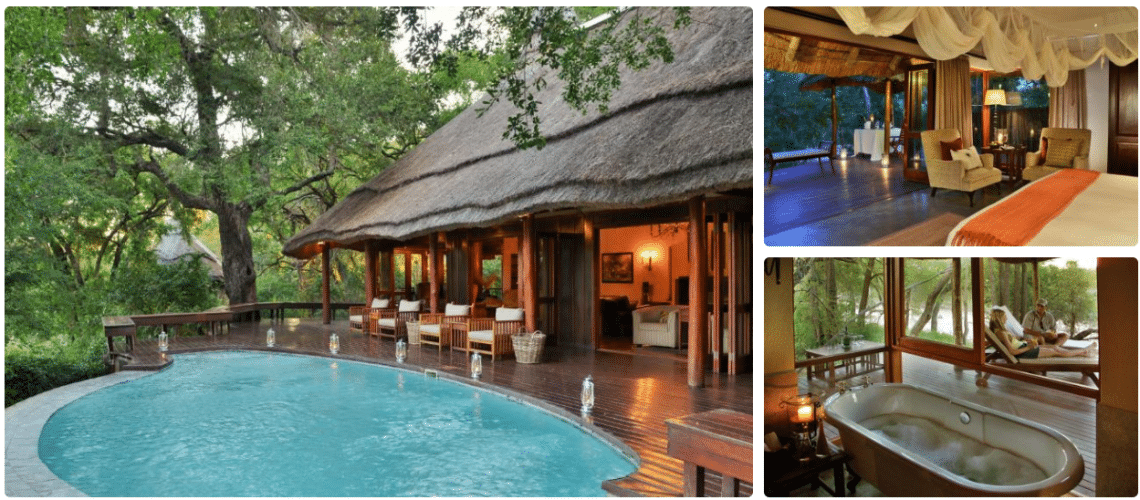
Accommodation outside Kruger varies widely. You’ll find everything from simple guesthouses to high-end lodges with large rooms, pools, and generous meals. These places often cost more because they offer more space, more comfort, and sometimes more luxury. Many mid-range and luxury lodges in the Greater Kruger area include meals and guided drives in their rates, which naturally raises the nightly cost.
Even budget-friendly options outside the park tend to be slightly higher than SANParks’ basic units, simply because they operate in a different market.
What this means for your budget
Most affordable: SANParks rest camps inside Kruger
Mid‑range to high: Private lodges outside the park
Private lodges inside the park are the most expensive option because they offer the most inclusive and exclusive experience. SANParks rest camps remain the best choice for budget‑conscious visitors who still want to sleep inside the park.
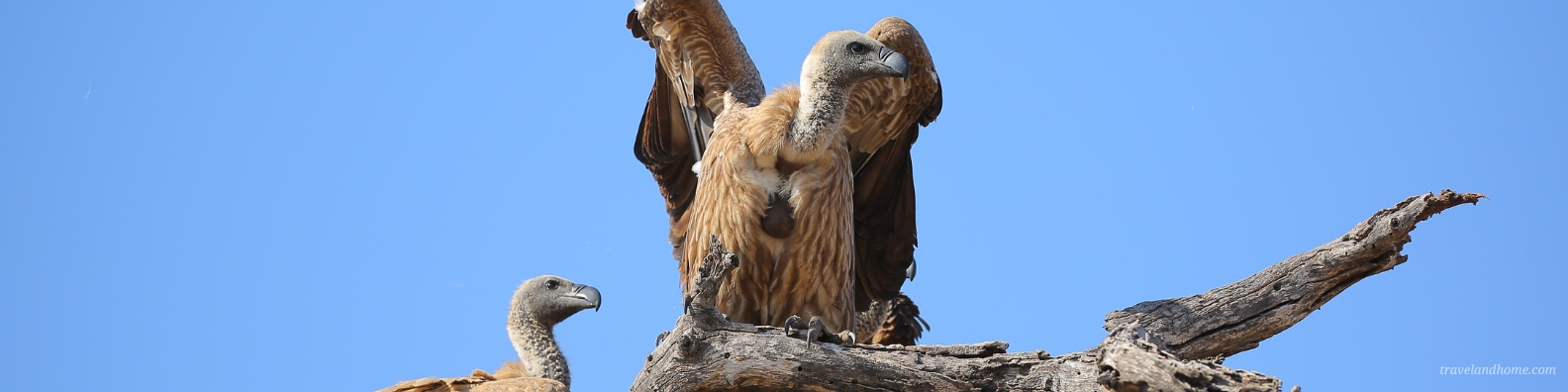
Vultures waiting in the warm morning air — a reminder that every day in Kruger unfolds in its own slow, deliberate rhythm.
Shaping Your Days: Gentle Itineraries
If you only have one day, keep things simple. Choose one area, enjoy a slow morning drive, linger at sightings, and let the day unfold naturally.
With three days, you’ll start to notice patterns — the roads that feel lucky, the spots where animals gather, the rhythm of mornings and afternoons.
Five days give you space to explore two regions. Maybe the south for its busy energy and the central plains for their wide horizons.
Seven days let you breathe with the park. You can move from one region to another, feeling the landscape shift beneath your wheels.
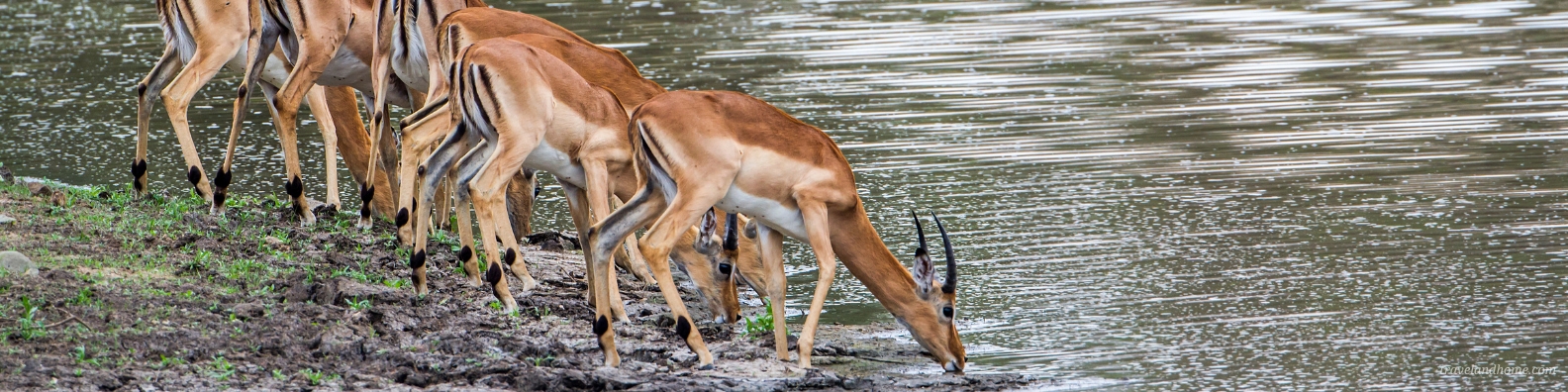
Impalas gathering at the water’s edge, moving with the kind of quiet grace that reminds you to slow down and let the day unfold.
Understanding Costs Without the Stress
Kruger can be as simple or as comfortable as you want it to be. Conservation fees apply daily. Accommodation ranges from basic huts to lovely bungalows. Fuel is part of the journey, especially if you enjoy long drives. Shops and restaurants are available in most camps, but many people enjoy self‑catering. Guided drives cost extra, but they’re worth it if you want to see the park through someone else’s eyes.
You don’t need a huge budget. Just a sense of what matters most to you.
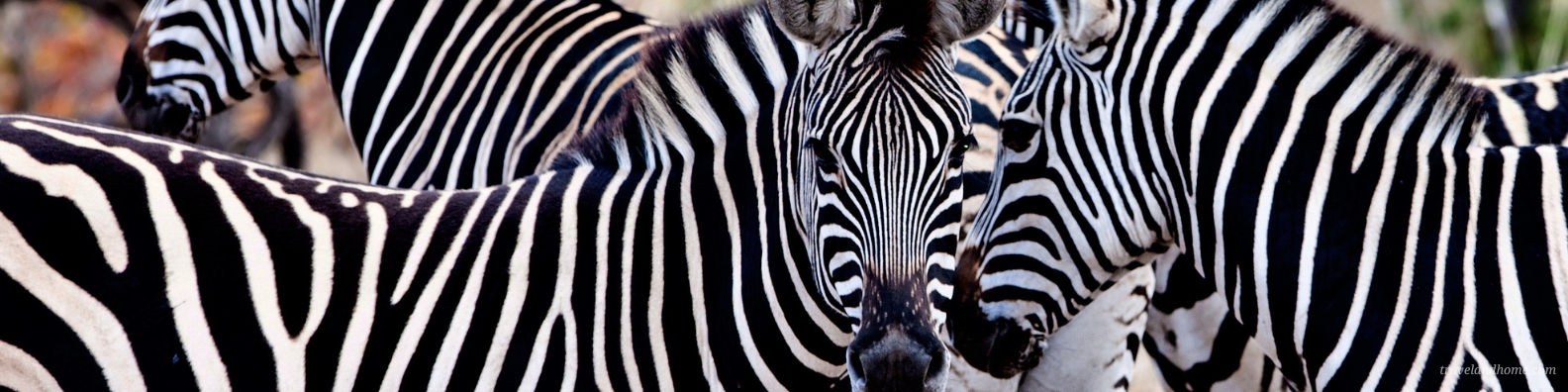
Zebras pausing in the soft light, moving with that quiet, effortless rhythm that reminds you how simple comfort can be.
Packing for Comfort and Ease
A few thoughtful items make a big difference. Light layers for cool mornings and warm afternoons. A soft scarf or jacket for early drives. Binoculars. Sunscreen. A hat. Comfortable shoes. A reusable water bottle. And a small bag for snacks and essentials.
Nothing complicated. Just things that help you feel at ease.
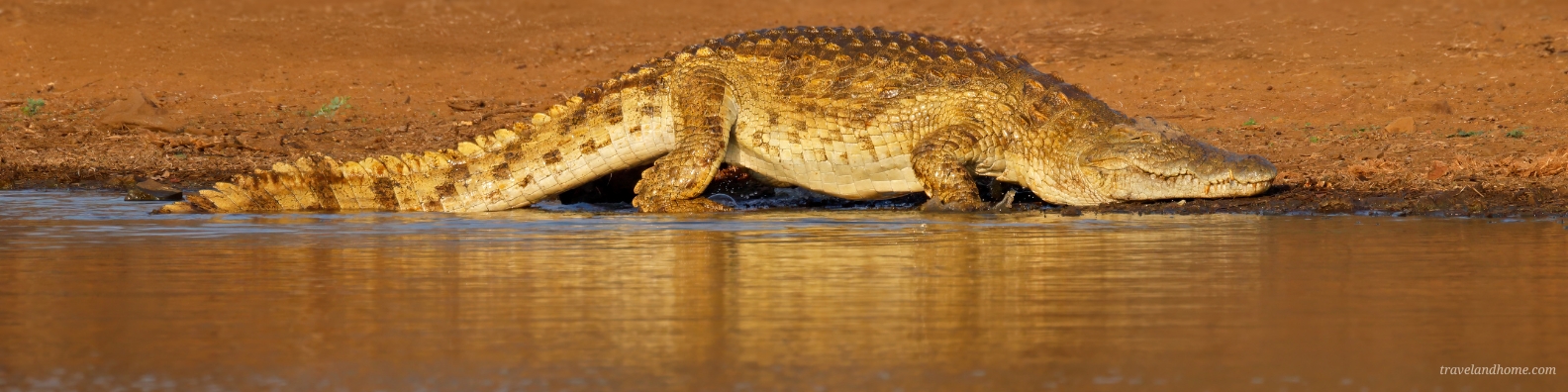
A Nile crocodile resting in the warm light, calm on the surface yet fully aware — a gentle reminder that the wild asks for respect.
Staying Safe in the Park
Kruger is safe when you respect the rules. Stay inside your vehicle. Keep a respectful distance from animals. Stick to the speed limits. Follow gate times. Keep windows partly closed near predators or baboons. And trust your instincts. Calm is your best companion here.
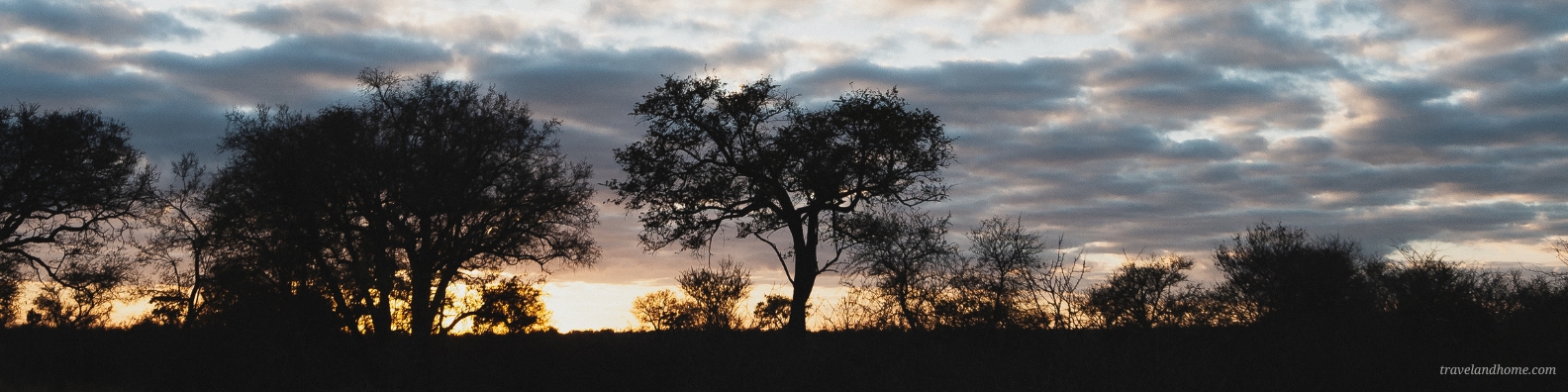
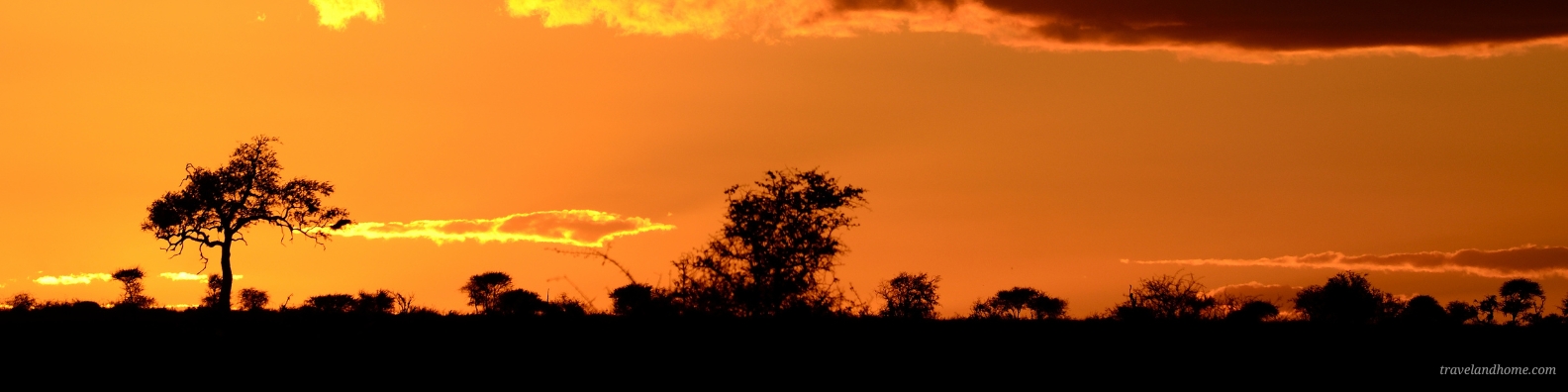
Sunset settling over Kruger, wrapping the day in warm, quiet light — the kind that lingers long after you’ve left.
Kruger has a way of settling into your memory. Maybe it’s the quiet roads, the soft light, or the way animals move through their world with such ease. Every visit feels different, and every sighting becomes a story you carry home.
If you’ve spent time in the park, I’d love to hear what stayed with you — a moment that surprised you, a road you always return to, a sighting you still think about. Share it in the comments; your stories help others feel a little more at ease as they plan their own time in this remarkable place.