
Discover the captivating wilderness of Kruger National Park, a vast and diverse haven for wildlife enthusiasts. Immerse yourself in the untouched beauty of South Africa’s premier safari destination, where the Big Five roam freely across the expansive savannahs, and where every game drive carries the quiet possibility of something unforgettable.
The Kruger National Park is South Africa’s flagship game reserve, home to the Big Five (lion, leopard, rhinoceros, elephant, and African buffalo). The name itself carries history — it once referred to how dangerous these five species were to hunt on foot, and bringing one home was considered a trophy hunter’s ultimate feat. Today, the only thing worth bringing home is the memory.
Say “Big Five” to anyone who’s been, and it immediately conjures the smell of the bushveld at first light. Freshly brewed coffee and a rusk (a must-do South African experience) before the morning’s first game drive. This is where that feeling begins.
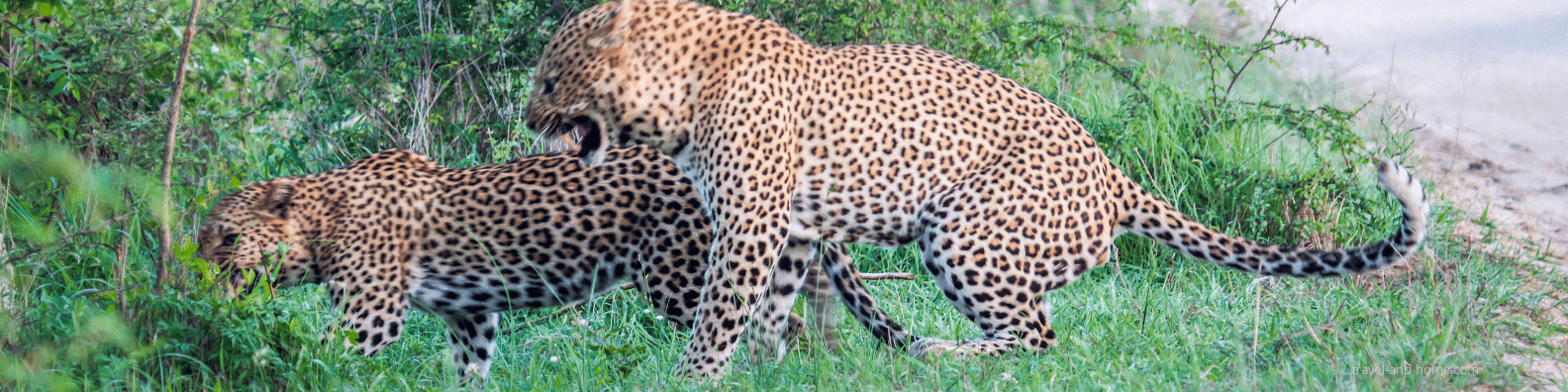
The Kruger National Park ranks in the Top 10 experiences in South Africa. One that will never be forgotten once you’ve been. On the contrary, you may find yourself coming back again and again, and again… However, from personal experience, I can recommend going in a group. Perhaps family, or special friends. This is because of the evening campfires. It’s an absolute blast being in the African bush, with the campfire crackling and everyone sharing their day’s experiences. The highs and the lows. The emotions from getting up close to a pride of lions, the excitement from a parade of elephants approaching, the disbelief to actually see a leap of leopards in real life… Here’s a moment like that from one of our own drives — an elephant finishing off some branch-snapping before turning his attention toward the vehicle ahead of us.
@travelandhome When Africa by Toto starts playing and the wildlife decides to steal the show 🐘🎶 Caught this elephant finishing off some branch-snapping right on the tarmac, then turning his attention toward the safari vehicle ahead of us — cue it reversing real quick while we watched (and filmed) from right behind! Heart-pounding, unforgettable, and exactly why Kruger National Park never gets old. No drama, just pure wild magic. 🌍✨ #KrugerNationalPark #SafariVibes #ElephantEncounter #AfricaToto #WildlifeSafari #southafricatravel🇿🇦l #BigFive #SafariLife #ElephantsOfTikTok #WildAfrica #GameDrive #TravelTikTok #NatureIsWild #KrugerSafari #WildlifePhotography #AfricanSafari #SafariAdventure #ElephantLove #TravelSouthAfrica #ExploreAfrica ♬ Africa - Toto
Kruger doesn’t really have a wrong season — just different moods. The dry winter months bring golden light and easy sightings around the waterholes; the green summer months bring drama, storms, and new life. For the full month-by-month breakdown of what to expect in each season, my Kruger National Park Safari Guide walks through it in detail.
Both have their own kind of magic — a self-drive lets you move at your own pace, while a guided safari puts an experienced eye behind the wheel, spotting movement long before you would on your own. I go into the pros, the costs, and what each style suits best in my Kruger National Park Safari Guide.
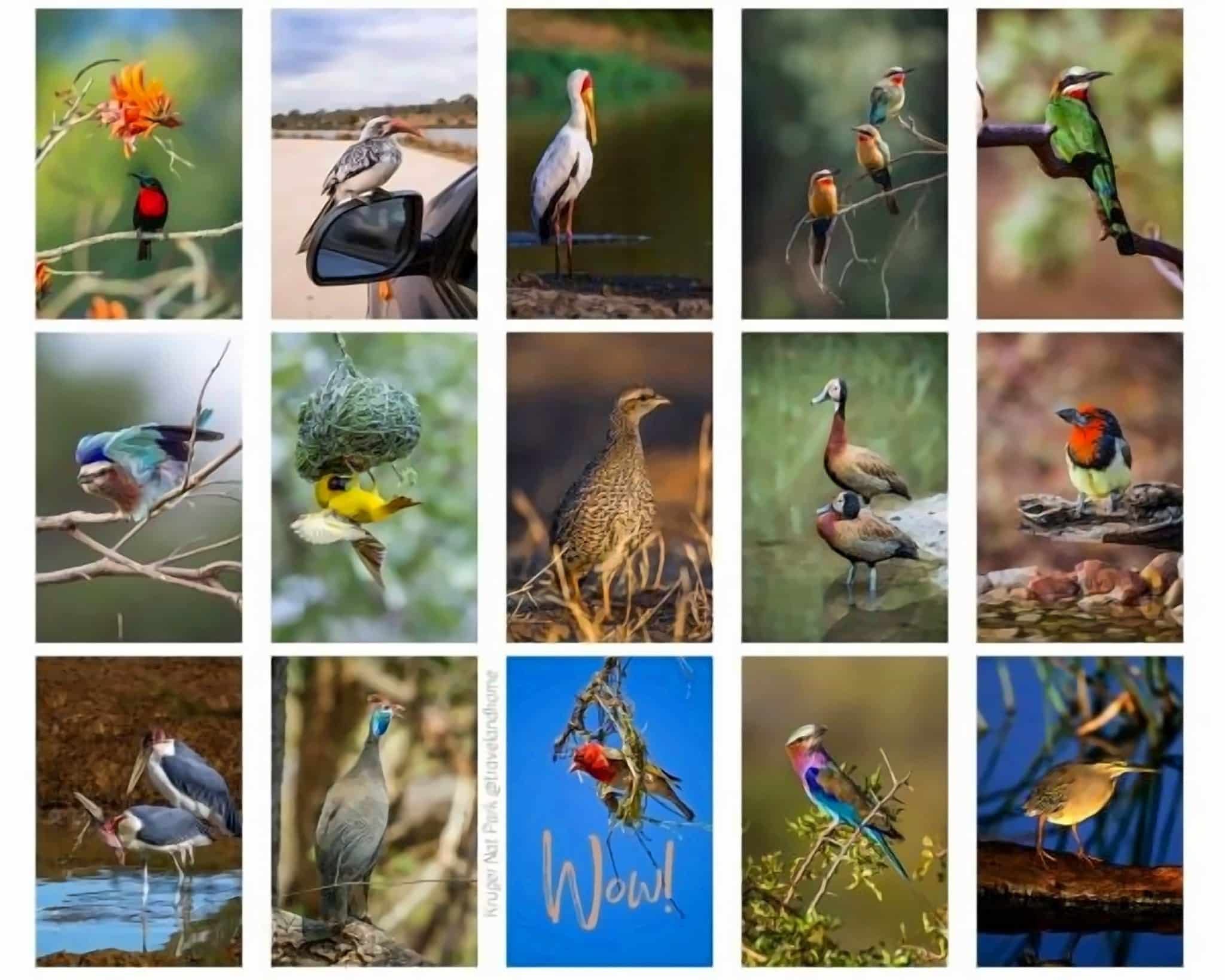
Kruger is famous for the Big Five, but the magic lies in the quiet moments too—the rustle of a kudu stepping through the bush, the flash of a lilac‑breasted roller, the soft shapes of elephants moving like shadows at dusk.
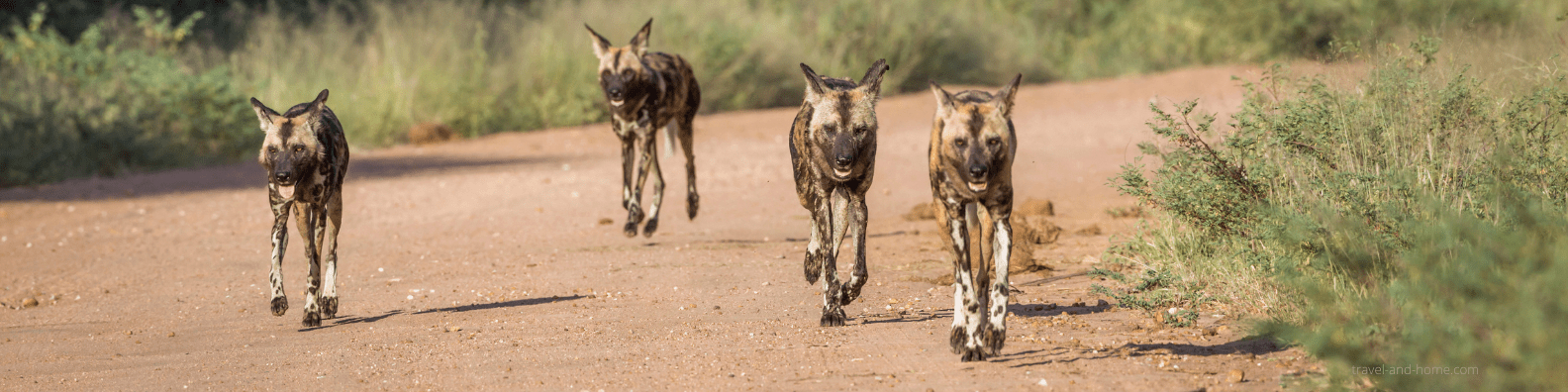
You may see rare treasures like wild dogs or cheetahs, or you may spend an hour watching a herd of impala graze in the morning light. Every drive feels different, and that unpredictability is part of the joy.
If you’re looking for a more cozy wildlife experience, you will enjoy the family-friendly Marloth Park. With less than 20 minutes from Kruger National Park, it’s a great accommodation choice too!
From breathtaking landscapes to awe-inspiring encounters, Kruger National Park promises an unforgettable adventure for nature lovers and conservation enthusiasts alike.
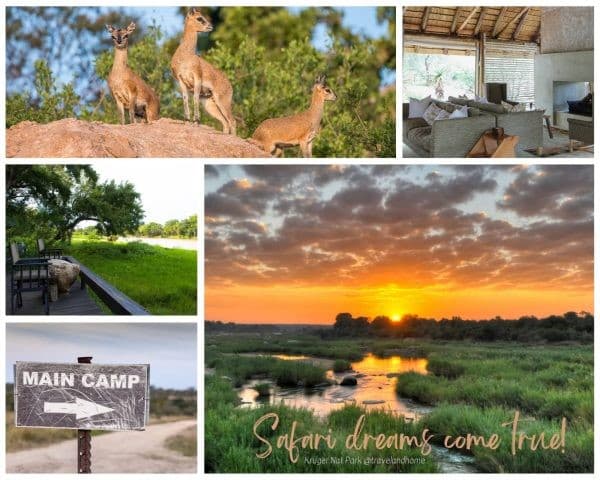
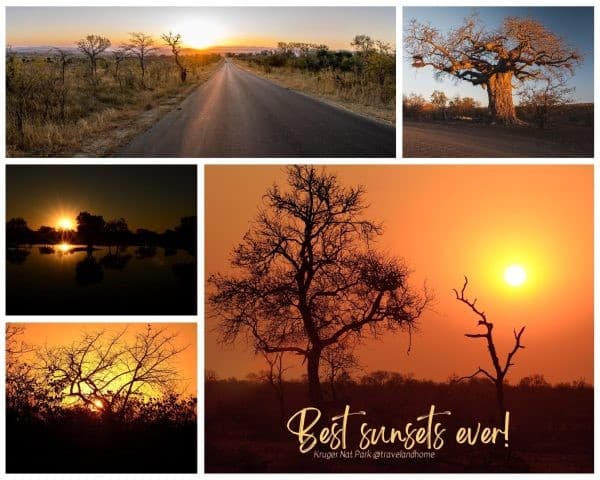
Explore the iconic South African park’s diverse ecosystems, from vast savannahs to dense woodlands, and witness a thriving array of wildlife. From majestic elephants and graceful lions to elusive leopards and vibrant bird species, this haven of biodiversity offers an unrivaled safari experience. Immerse yourself in the sights and sounds of a living, breathing ecosystem, where every step unveils new marvels and leaves you in awe of the beauty and resilience of nature.
It is customary and great family fun to mark off or keep a record of the birds and mammals you’ve seen (“listing” or “checking off” species). Books like “Sasol Birds of Southern Africa” and “Mammals of Southern Africa: A Field Guide” (the Kruger National Park is included in the book) have plenty of detailed descriptions, maps, illustrations, and photos to help you make the most of your safari holiday.
Staying inside the Mpumalanga side of Kruger National Park brings you into a world of early‑morning light, quiet viewpoints, and landscapes that feel both wild and welcoming. This southern region is easy to reach from Chrissiesmeer, and it’s known for its rich wildlife, classic rest camps, and peaceful pockets tucked among the trees. It’s a gentle, grounding place to settle in for a few days and experience the rhythm of the bush at your own pace.
All the Kruger National Park gates that fall within Mpumalanga Province are the ones along the southern and south‑western boundary of the park.
Crocodile Bridge Gate: Crocodile Bridge Gate sits along Kruger’s southeastern edge, with Marloth Park only 20–24 km (12–15 miles) away. Komatipoort is the closest town at ±10 km (±6 miles), with Hectorspruit and Malelane a little farther along the N4. This gate is known for its quiet early‑morning atmosphere and easy access to wildlife-rich riverfront drives.
Numbi Gate: Numbi Gate is the traditional western entry point into Kruger’s southern region. White River White River is the nearest town at ±35 km (±22 miles), with Hazyview reachable via the R538 at ±30 km (±19 miles). The approach winds through rolling hills and rural landscapes before opening into the park’s broad grasslands.
Phabeni Gate: Phabeni Gate offers one of the quickest routes into Kruger from the Panorama Route. Hazyview is only ±10 km (±6 miles) away, while Graskop sits ±45 km (±28 miles) along the scenic R536. Sabie, known for its waterfalls and forested valleys, is ±55 km (±34 miles) from the gate. This entrance is ideal for visitors coming from the escarpment.
Paul Kruger Gate: Paul Kruger Gate lies along the Sabie River, surrounded by tall trees and lodge-style architecture. Hazyview is the closest town at ±40 km (±25 miles) via the R536, with White River ±70 km (±43 miles) and Sabie ±60 km (±37 miles) away. It’s a calm, leafy entry point that leads directly toward Skukuza and the heart of southern Kruger.
The Limpopo‑side gates sit along Kruger’s central and far‑northern boundary, linking the park to towns like Hoedspruit, Phalaborwa, Giyani, Thohoyandou, and the remote Makuleke region. These gates feel different from the Mpumalanga ones: quieter roads, long golden plains, and that slow, spacious northern atmosphere.
>> Travel Tip: Book your accommodation well in advance, especially if you plan to visit during peak tourist seasons. The park can get busy, so booking early helps ensure a smooth, enjoyable stay. ➝ Browse the lodges in the Kruger National Park.
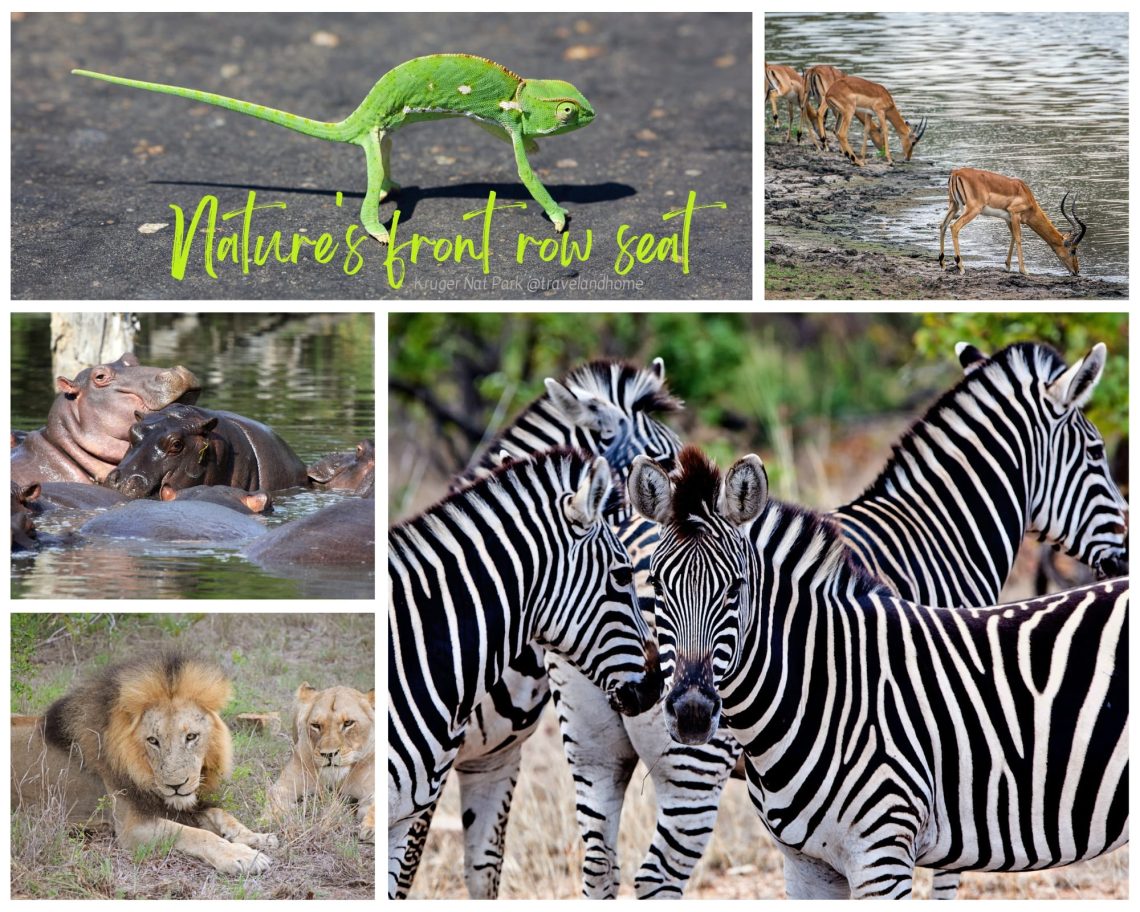
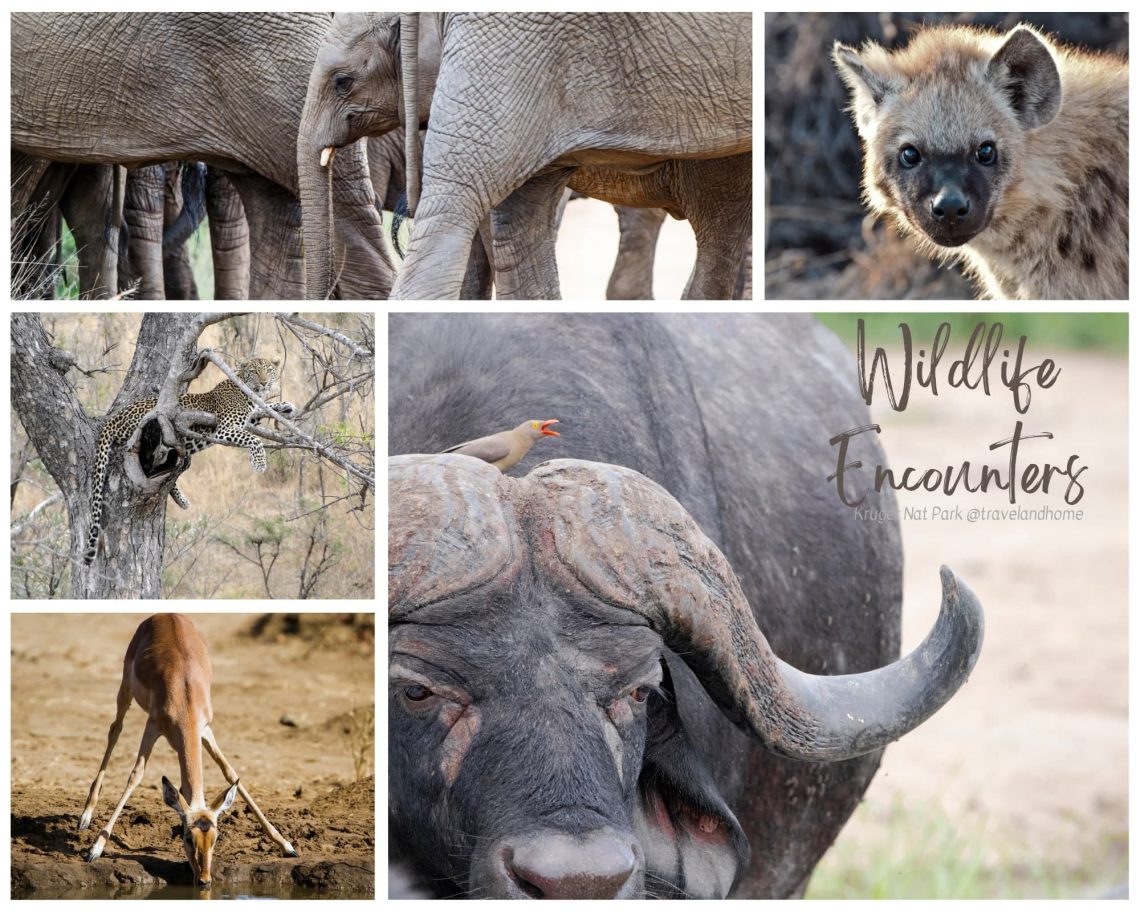
In the words of Paulo Coelho: “If you think adventure is dangerous try routine, it’s lethal.” And that is why I’ve hand-picked an awesome selection of incredible Kruger National Park experiences. Say goodbye to routine. It’s time for adventure!
Yes—when you follow the rules. Stay in your vehicle, keep a respectful distance, and let the animals set the pace.
No. Most main roads are well‑maintained, and a regular car is perfectly fine for a classic Kruger experience.
Absolutely. Many travellers stay in nearby towns or private lodges and enter through the gates each morning.
Yes, especially during school holidays and winter. Accommodation inside the park fills up quickly.
Affiliated Links
Easy Ways To Plan Your Trip With Confidence ♡゙
A few trusted resources to help you organise the practical side of your journey.
>> Travel Tip: The nearest international airport to Kruger National Park is Johannesburg’s O.R. Tambo International Airport, approximately 400 kilometers (250 miles) away.
There’s something about Kruger that lingers long after you’ve left the gates behind. Maybe it’s the quiet moments on an empty road, the way the light shifts across the plains, or the simple joy of watching animals move through their own world. Every visit feels different, and every sighting becomes part of a story you carry with you.
If you’ve spent time in the park, I’d love to hear what stayed with you. A road you always return to, a sighting you still think about, a small moment that surprised you — share it in the comments below. Your stories help others feel a little more at ease as they plan their own time in this incredible place.
Once you’re ready to plan the practical side of your trip — when to go, how to explore, where to stay, and what to pack — our Kruger National Park Safari Guide walks you through all of it, gate to gate.
>> Travel and Home Tip: Pack appropriately for your trip. Bring comfortable clothing, sunscreen, insect repellent, binoculars, and a good camera.
Sharing the places I’ve come to love. – Arina ♡