
Some cookies are needed to make this site work. With your permission, we'd also like to use cookies to see how people use the site and to show relevant ads and travel deals. You can change your mind at any time using the "Cookie settings" button. Read more in our Policy.
Your browser is sending a "do not sell or share" signal, so advertising cookies are off by default.
E x p l o r e t h e w o r l d. B r i n g i t s b e a u t y h o m e.

San Sebastián, also known as Donostia, is one of northern Spain’s most appealing coastal destinations.
Imagine a broad, crescent-shaped beach framed by green hills, an elegant promenade overlooking the sea, and streets where the tempting “smell” of pintxos draws you from one little bar to the next.
Set on Spain’s Basque coast, San Sebastián brings together beautiful seaside views and some of the country’s most celebrated food. You can spend the morning beside La Concha Bay, explore the old streets in the afternoon, and finish the day sampling local dishes over a relaxed dinner.
But is San Sebastián worth visiting, and what should you make time for? Here is what makes this seaside city special, along with practical tips to help you plan your visit.

Location: Basque Country, northern Spain
Known for: La Concha Bay, beautiful beaches, pintxos and Basque cuisine
Best for: Seaside views, food lovers, couples and relaxed city breaks
Top attraction: La Concha Beach and its sweeping bay
Don’t miss: Monte Igueldo, the Old Town and a pintxos evening
How long to stay: 2–3 nights for the main sights, food and seaside atmosphere
Getting around: Easy to explore much of the central city on foot; buses and taxis are available
Nearest airport: San Sebastián Airport (EAS), about 20 km from the city centre; Bilbao and Biarritz are alternative airports
Best time to visit: Late spring to early autumn for generally warmer weather, with July and August usually busier
Local speciality: Pintxos, small Basque bites served in bars
This seaside city has a little of everything that makes a holiday memorable: beautiful views, sandy beaches, inviting streets, excellent food and lovely places to enjoy a leisurely walk. These are seven experiences I would put at the top of your list.
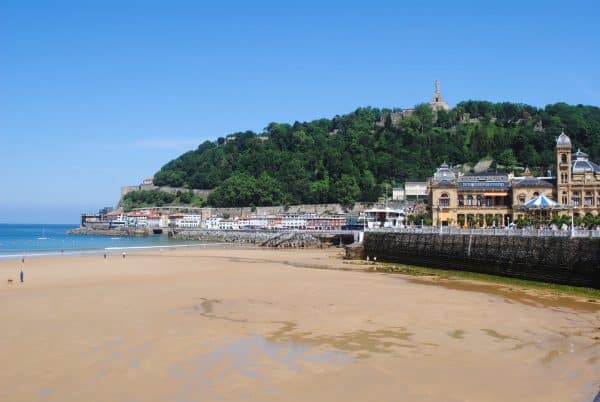
La Concha is the image many people picture when they think of San Sebastián. Its sweeping curve of pale sand, blue water and elegant promenade creates one of Spain’s most beautiful urban seaside settings.
Walk along the waterfront, sit on one of the benches overlooking the bay, or enjoy a coffee nearby while watching the changing light on the water. Santa Clara Island sits in the bay, adding another lovely detail to the view.
Even if swimming is not on your holiday list, La Concha deserves time in your itinerary. Sometimes a simple walk beside the sea is one of the best parts of a trip.
For a wonderful view over the city, head to Monte Igueldo. The traditional funicular railway carries visitors up the hillside to a viewpoint overlooking La Concha Bay, the beaches and the surrounding coastline.
At the top, you will also find a small, old-fashioned amusement park. It adds a touch of nostalgia to the visit and makes this more than just a photo stop.
Allow time to enjoy the view rather than rushing straight back down. From above, the shape of the bay and the way the city meets the sea become especially clear.
The Parte Vieja, or Old Town, is the place to explore on foot. Its narrow streets are lined with pintxos bars, cafés, shops and restaurants, with attractive squares appearing as you wander.
Make your way to Plaza de la Constitución, a lively square surrounded by buildings with distinctive numbered balconies. Nearby, the old churches and streets offer glimpses of the city’s past, while the harbour is just a short walk away.
My advice is to leave a little room in your day for an unplanned stop. Choose a café that appeals to you, browse a shop, or settle down for a bite to eat. The pleasure here lies as much in the atmosphere as in any particular landmark.
If you enjoy a walk with rewarding views, Monte Urgull is worth considering. This green hill rises beside the Old Town, with paths leading through trees to old fortifications and viewpoints overlooking the city and coastline.
It offers a different perspective from Monte Igueldo. Instead of looking across the bay from a distant hillside, you can see the waterfront and rooftops from above.
Wear comfortable shoes and allow time for the uphill sections. You do not need to turn the visit into a strenuous hike; simply enjoy the paths and stop wherever the view catches your attention.
At the western end of Ondarreta Beach, the Comb of the Wind, known as Peine del Viento, brings together sculpture, rocks and the sea.
The work by Basque sculptor Eduardo Chillida consists of three steel sculptures set into the rocky shoreline. The setting is particularly striking when waves roll in and crash against the rocks.
Follow the promenade towards the sculptures and take time to watch the sea. Conditions can change quickly along this exposed stretch of coast, so keep to the designated public areas and follow any safety notices.
Between La Concha and Ondarreta beaches stands Miramar Palace, a former royal summer residence overlooking the bay. The gardens provide a lovely place to enjoy the views and take a break from exploring the city streets.
You can walk through the surrounding area, admire the palace from outside and look out over the water. It is especially appealing for visitors who enjoy gardens, open views and peaceful corners within a city.
Check current public access arrangements before planning a visit inside the palace, as it is also used for events and other activities.
San Sebastián has more than one beach, and Zurriola offers a noticeably different atmosphere from La Concha.
Located in the Gros neighbourhood, Zurriola is popular with surfers and has a lively, youthful feel. Watching the surfers is enjoyable even if you have no intention of getting into the water.
After a stroll along the beach, explore the surrounding streets for cafés and places to eat. It is a good way to see another side of San Sebastián beyond the famous bay and the Old Town.

One of the loveliest ways to end a day in San Sebastián is with a walk beside La Concha Bay. The curved shoreline, elegant white promenade railings and hills across the water create a beautiful setting, particularly in the softer light of late afternoon. Find a bench, watch the changing light over the bay, or simply enjoy the sea breeze before heading out for pintxos.
The sunsets over the Bay of Biscay in San Sebastian are absolutely breathtaking! As the sun begins to dip below the horizon, the sky becomes painted with a kaleidoscope of vibrant colors – a mix of oranges, pinks, purples, and yellows.
The bay itself takes on a golden hue as the sun’s rays dance across the water. You can hear the sound of the waves gently lapping against the shore as seagulls fly overhead.
The atmosphere is peaceful and serene, almost like time has stopped for a moment. It’s truly a sight to behold, and one that leaves a lasting impression on the heart and soul. Watching the sunset over the Bay of Biscay in San Sebastian is a magical experience and one that you will never forget.
Allow two to three nights for a first visit. This gives you time to enjoy La Concha, explore the Old Town, visit a viewpoint, sample local food and take a few leisurely walks.
With an extra day, you can slow down or explore more of the surrounding Basque coast
San Sebastián is a wonderful destination for anyone who enjoys discovering a place through its food. Basque cuisine makes good use of seafood, seasonal ingredients and carefully prepared local dishes. The city is particularly famous for its pintxos bars, where eating can become an enjoyable part of exploring.
Here are a few local specialities to look out for.
Pintxos are small Basque bites, often served on bread or held together with a skewer. You might find seafood, ham, cheese, vegetables or more elaborate combinations displayed along a bar counter.
The best way to experience them is to visit a few different bars rather than ordering everything in one place. Try one or two bites, enjoy a drink or a non-alcoholic alternative, and move on when you feel ready.
The Old Town is a popular place to begin, although you can also find pintxos in other neighborhoods. Some bars offer traditional favorites, while others create more modern combinations. Want to try this at home? (Read more…)
Txuleta is a traditional Basque-style beef steak, often thick-cut and grilled over a strong heat. It is a substantial dish, commonly associated with traditional grills and cider houses.
If you enjoy steak, look for a restaurant that specialises in grilled meat. Portions can be generous, so it is worth checking the menu before ordering for the table.
Marmitako is a traditional Basque tuna and potato stew. It is a comforting dish that reflects the region’s close connection with fishing and the sea.
You may see it on menus featuring regional or seasonal cooking. It is a good choice if you prefer a proper local dish rather than a quick bite.
San Sebastián is also famous for its burnt Basque cheesecake. It has a deeply browned top and a soft, creamy centre, making it quite different from a conventional baked cheesecake.
Look for it in cafés, bakeries and restaurants. If you enjoy baking at home, it is also a lovely recipe to try after your trip, bringing a little taste of northern Spain into your own kitchen.
Travel and Home tip: Make at least one evening a pintxos evening. It is an easy way to experience local food, explore the Old Town and enjoy the city after the daytime crowds have eased.

Late spring and early autumn are good periods to consider if you prefer milder weather and a little more flexibility when exploring.
Summer generally brings warmer weather and a livelier beach atmosphere, but it is also a busy time to visit. The Basque coast can experience rain throughout the year, so bring a light waterproof jacket even if your plans centre on the beach.
If you are interested in the city’s major events, check the dates before booking, as accommodation demand can increase considerably.
Much of central San Sebastián is easy to explore on foot. The promenade, La Concha, the Old Town and many restaurants are within a walkable area.
City buses and taxis are useful for longer journeys or when you prefer not to walk uphill. If you plan to visit several coastal towns, compare public transport with hiring a car for the day.
A car is not essential for exploring the main sights within the city.
San Sebastián has its own airport, but flight options may be limited depending on your departure city and travel dates.

San Sebastián is located in Spain’s Basque Country, close to the French border. You have three main airports to consider when planning your trip.
San Sebastián Airport (EAS): Located about 20 km from the city centre, this is the closest airport. However, flight connections are more limited, so check routes and schedules before booking.
Biarritz Airport (BIQ), France: Approximately 40–45 km from San Sebastián, this is a useful alternative, particularly if you find suitable flights to southwestern France. Remember to allow time for the onward journey across the border.
Bilbao Airport (BIO), Spain: Around 100 km from San Sebastián, Bilbao offers another option with a wider range of flight connections. You can continue to San Sebastián by bus, car or other connecting transport.
Travel and Home tip: Compare the full journey before choosing your flight. The cheapest airfare may not be the most convenient once you include airport transfers, travel time and transport costs. If you are visiting from abroad, check the available connections for your travel dates and plan your onward journey before you book.
Yes. For a short stay focused on the city, travelling without a car is a practical option. You can walk between many of the main sights, use local buses when needed, and enjoy the restaurants without worrying about parking.
If you are planning a longer road trip through the Basque Country, a car may be useful for exploring smaller towns and countryside beyond the city.
Comfortable walking shoes are useful for the promenades, cobbled streets and hills. Pack layers and a light waterproof jacket, even in warmer months.
If you intend to swim, check the sea conditions and local beach information. The Atlantic coast can have strong waves and changing conditions, particularly at surf beaches.
Yes, definitely.
San Sebastián deserves a place on a northern Spain itinerary, particularly for travellers who enjoy beautiful coastal views, good food and cities that are easy to explore on foot.
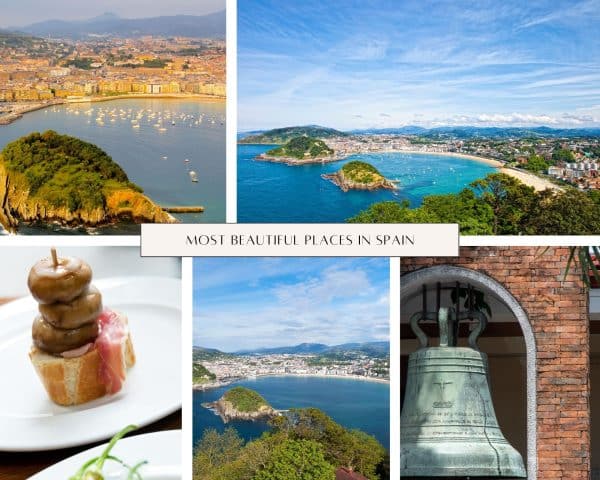
The sweeping curve of La Concha Bay is the obvious attraction, but the pleasure of visiting goes beyond the beach. You can ride the funicular to Monte Igueldo, wander through the Old Town, watch the waves at the Comb of the Wind and spend an evening tasting pintxos in local bars.
I would allow two or three nights rather than trying to squeeze everything into a rushed day trip. That leaves time to enjoy the waterfront, sit down for a good meal and explore at your own pace.
San Sebastián is not the cheapest destination in Spain, especially during busy periods, so accommodation costs deserve a little attention when planning your budget. Book ahead for peak dates and compare neighbourhoods before choosing where to stay.
For Travel-and-Home, the appeal is clear: a beautiful bay, inviting streets, memorable food and plenty of opportunities to enjoy the simple pleasures of travel. It is a city to savour slowly, with time for a walk beside the sea and one more stop for a delicious pintxo before the evening ends.
A rich Culture: Donostia-San Sebastian has a rich history and culture, which is evident in its stunning architecture, museums, and festivals. The city is home to several museums, including the San Telmo Museum, which showcases Basque culture and history.

In addition to Spanish and Basque, English is also commonly spoken in San Sebastian, particularly in tourist areas and among younger generations. It is a popular second language in schools and is widely used in the tourism industry, so you will have no problems being understood.
Some locals may also speak French, especially in the nearby city of Biarritz, which is located just across the border in France.
Get your Travel Guide to Spain: Read more…
Stay in the best places you can afford – enjoy stunning sea views, and spoil yourself. You deserve it.
The city centre and the streets around La Concha are convenient choices if you want to be close to the beach, shops, cafés and many of the main attractions.
You can begin the day with a walk beside the water and head towards the Old Town for lunch or dinner without needing to travel far. This area suits visitors who want a comfortable base for a short city break.

Stay near the Parte Vieja if exploring pintxos bars and enjoying the lively evening atmosphere are high on your list.
You will be close to restaurants, small shops and the harbour. The trade-off is that some streets can be busy and noisy, particularly at popular dining times. If a quiet night’s sleep matters to you, check the exact location of your accommodation and read recent reviews.
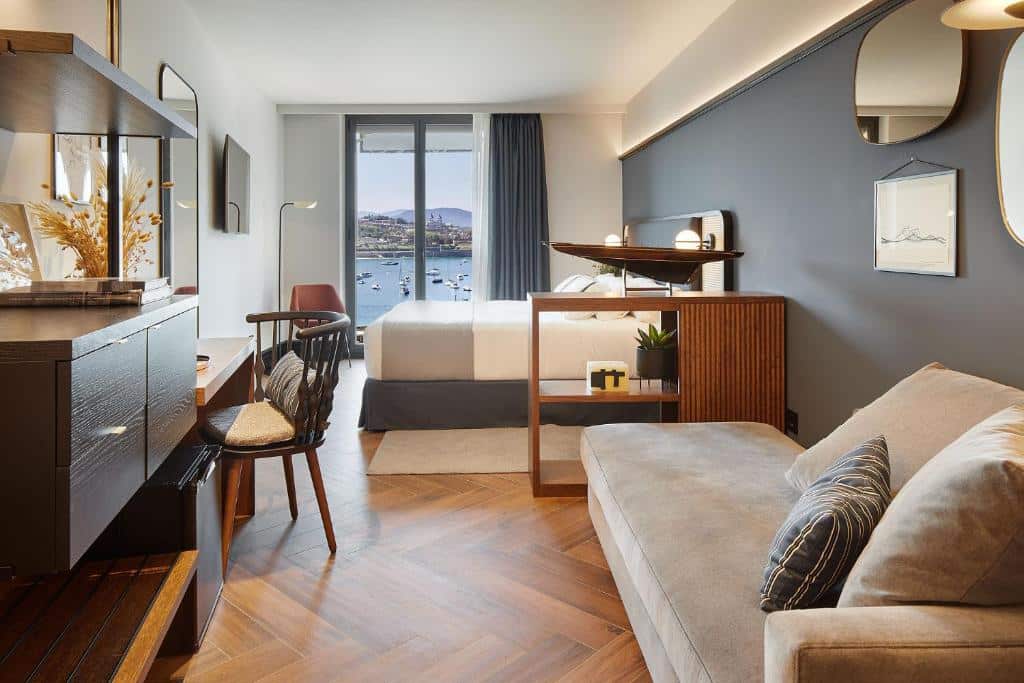
The Antiguo neighbourhood lies near Ondarreta Beach and the route towards Monte Igueldo. It can suit visitors who prefer a less central base while remaining close to the waterfront.
It is worth considering if you plan to spend time at the beach and enjoy walking around the western side of the bay.
Book your stay in one of the Best Instagram-worthy hotels in San Sebastian…
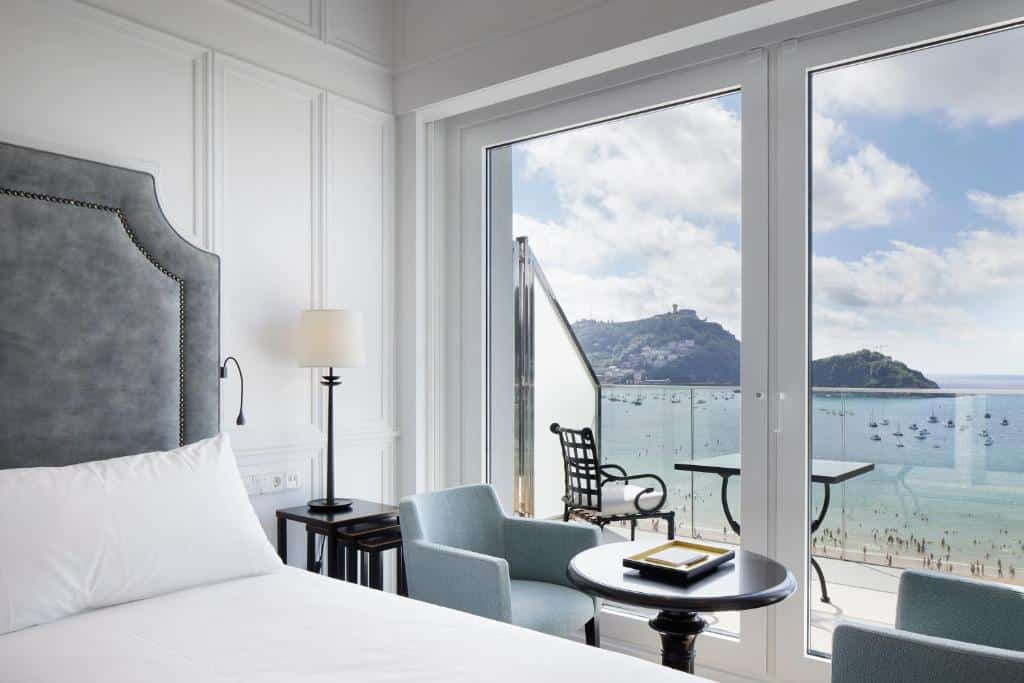
Overall, San Sebastian is a city that is surrounded by natural beauty at every turn.
The Cementerio de Polloe: The local cemetery – yes I know: While it may seem like an unusual attraction, it is a peaceful and beautiful spot that offers stunning views of the city and the sea. It is also the final resting place of many important historical figures from the Basque Country.
Tabakalera: Tabakalera is a contemporary arts center located in a former tobacco factory in the city center. It hosts a variety of exhibitions, events, and workshops.
The Albaola Sea Factory: The Albaola Sea Factory is a museum and workshop that is dedicated to the art of traditional Basque boatbuilding. Visitors can watch skilled craftsmen at work, learn about the history of Basque seafaring, and even take a boat out on the water.
Monte Igueldo: While Monte Urgull is the more well-known hill in San Sebastian, Monte Igueldo is another option that is often overlooked. It offers breathtaking views of the city and the sea, and is home to an old-fashioned amusement park that is popular with families.