
E x p l o r e t h e w o r l d. B r i n g i t s b e a u t y h o m e.
Some cities surprise you the moment you arrive. Málaga was one of those places for me.
During my recent holiday on Spain’s Costa del Sol, I spent a day exploring Málaga, wandering from its lively marina to the beachfront, strolling through a gorgeous green park, and admiring one of the city’s most remarkable historical landmarks.
And by the time we left, I had reached one conclusion: Málaga deserves more than just a day trip!
There’s much more to this sunny Andalusian city than beaches and beautiful weather. Behind its modern waterfront lies a fascinating blend of history, architecture, art, and everyday Spanish life.
So, if you’re planning a visit, let me share what caught my attention, what I particularly loved, and a few places I’d add to the itinerary if I returned for a longer stay.
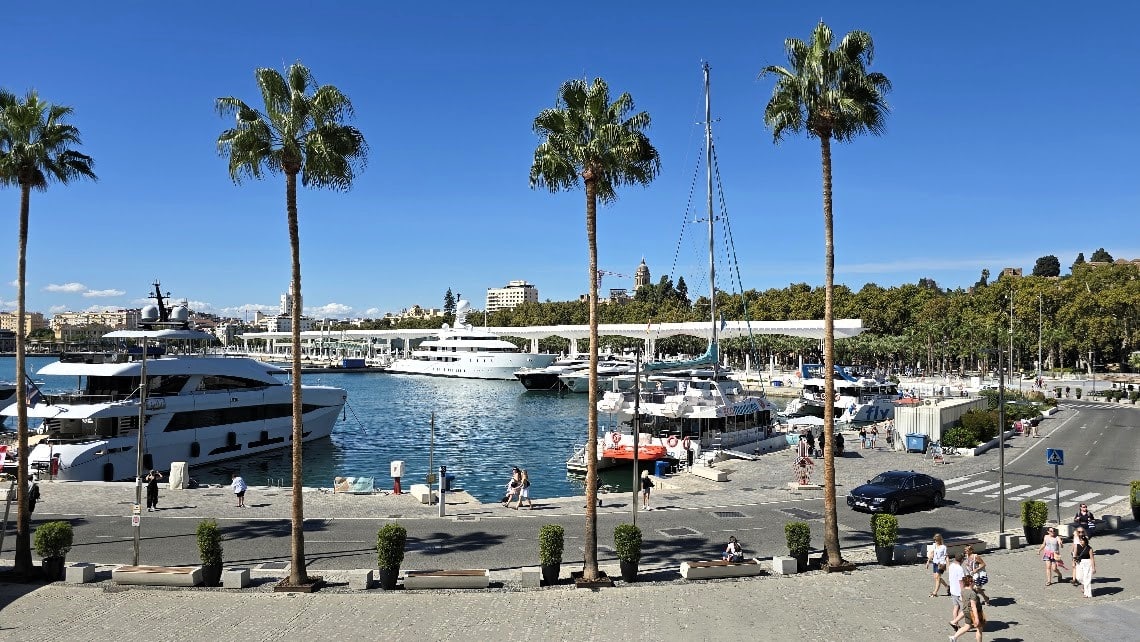
Our explorations took us to Málaga’s waterfront, where the impressive marina immediately caught my attention.
And when I say impressive, I mean those enormous luxury yachts that almost deserve to be called floating mansions!
It’s a lovely place to wander, admire the boats, and simply soak up the atmosphere.
One of the main waterfront attractions is Muelle Uno, a modern promenade with restaurants, cafés, shops, and views across the harbour.
Even if you have no intention of shopping or dining, the waterfront itself makes the visit worthwhile.
You can stroll along the harbor, watch the boats, and enjoy the contrast between modern Málaga and its historic city skyline.
My tips: Don’t rush through this area. If you’re visiting in warmer weather, take your time and enjoy the sea breeze. For a different experience, consider returning around sunset when the waterfront takes on a completely different atmosphere. And if you enjoy photography, keep your camera handy. Between the boats, palm trees, waterfront buildings, and harbor views, you’ll find plenty worth photographing.
From the marina, we explored the nearby beach area.
What struck me was how lively everything still felt in October. Clearly, Málaga doesn’t lose its appeal when summer ends!
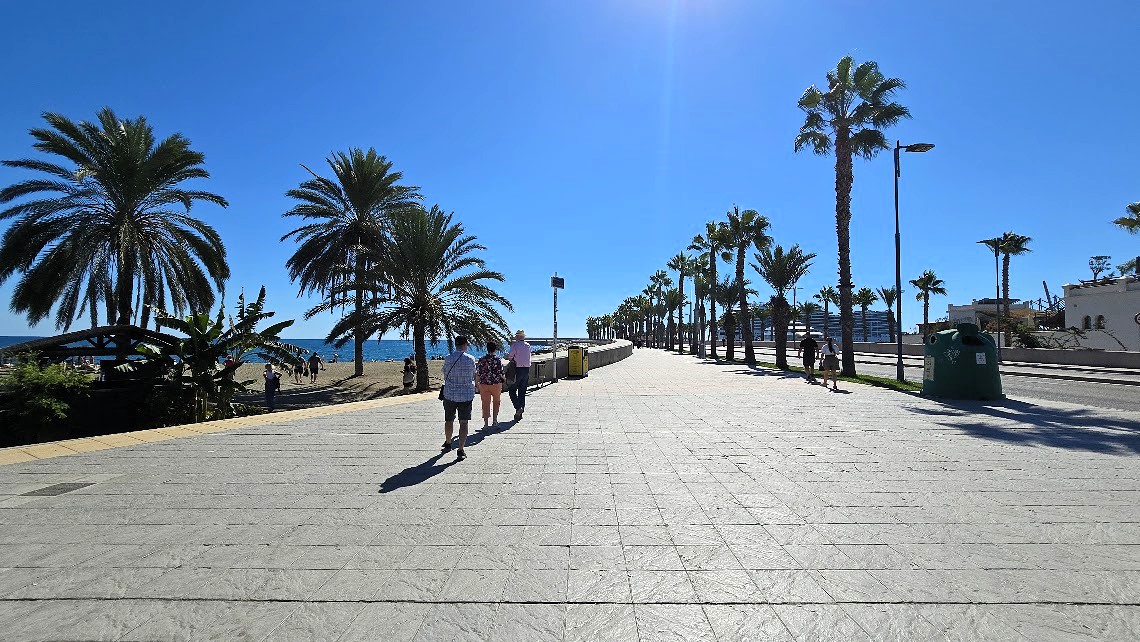
La Malagueta is the city’s best-known central beach and one of its most convenient attractions.
You don’t have to travel far from the historic centre to enjoy the Mediterranean. In fact, combining a walk along the marina with some time near the beach is an easy way to experience two sides of Málaga.
You’ll find a wide stretch of sand, a promenade, and places where you can stop for something to eat or drink.
My tip: If you’re visiting Málaga for a few days, don’t limit yourself to the central beach. Explore the coastal neighborhood of Pedregalejo, especially if you’d like to try espetos — sardines traditionally grilled over an open fire. It’s one of the classic food experiences associated with Málaga.
Of everything we experienced during our walk, one of the loveliest surprises was Parque de Málaga, the beautiful park near the waterfront.
I absolutely loved it!
The first thing that impressed me was how beautifully maintained everything looked. The gardens were immaculate, the walkways inviting, and the greenery made it feel like a peaceful escape from the busy streets.
But what fascinated me even more was how many people were enjoying the park.
It was a weekday, yet there were plenty of people out walking, relaxing, and making the most of this wonderful public space.
And then came my favorite discovery.
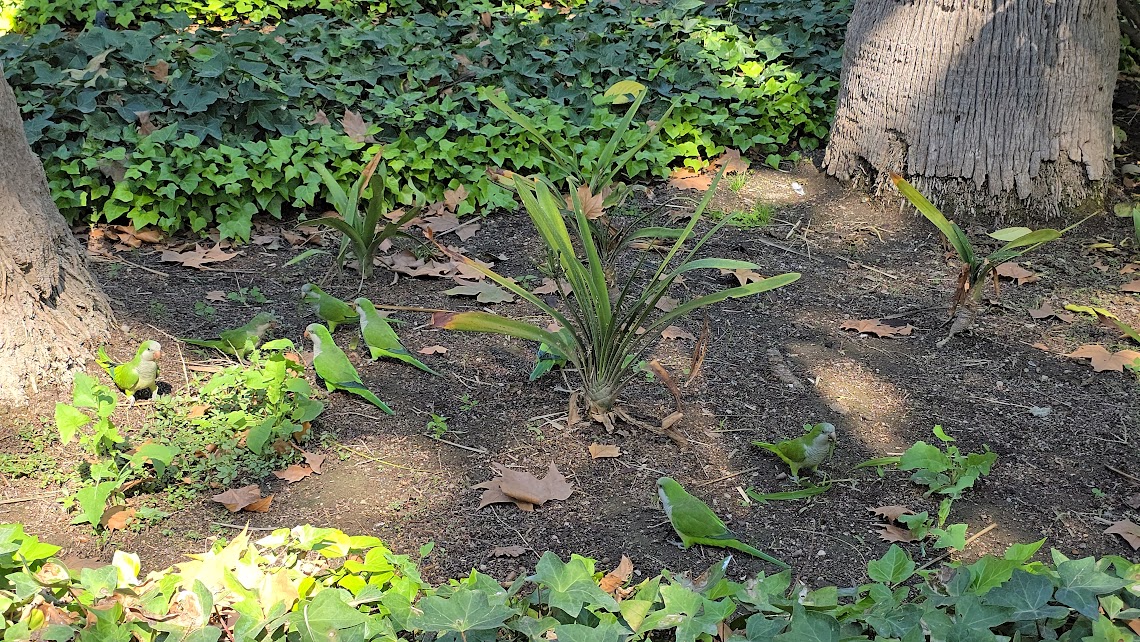
There were green parakeets everywhere!
I could hardly stop watching them.
Those lively little birds darting between the trees, calling to one another, and making themselves at home among the greenery brought me so much joy.
Perhaps I noticed them more than most people would because of my own love for birds.
After losing our beloved little parakeet back in South Africa when he flew away, seeing so many of these cheerful green birds stirred some rather tender memories.
I found myself looking up into the trees again and again, hoping to catch another glimpse.
Sometimes, it’s the smallest and most unexpected encounters that leave the biggest impressions when you travel.
And for me, those parakeets turned an already beautiful park into something truly memorable.
My tips: If you’re a bird lover, slow down when you visit Parque de Málaga. Look up into the palm trees and listen for the parakeets’ distinctive calls. You may hear them before you spot them. Also, don’t treat the park merely as a shortcut between attractions. Give yourself time to enjoy it.
Best of all, there’s no admission fee to enjoy this lovely public park.
Another highlight of my visit was stepping inside the magnificent Málaga Cathedral.
From the outside, the building is already impressive. Its elaborate stonework, enormous columns, and towering façade make it difficult to walk past without stopping.
But the interior is equally captivating.
As I looked around, I couldn’t help admiring the scale of the architecture, the soaring ceilings, and the remarkable craftsmanship.
However, there’s something particularly unusual about this cathedral.
It has only one completed tower!
Locals affectionately call it La Manquita, meaning “The Little One-Armed Lady.”
Construction began in the 16th century, but major building work stopped in 1782. Then, in 2024, a substantial roofing project began, 242 years later (as of 2026).
During my October visit, I photographed scaffolding above the cathedral’s main façade, where further work was underway.
I hadn’t initially realized that I was witnessing such an interesting chapter in the building’s history.
The cathedral’s missing tower remains one of Málaga’s most recognizable architectural features.
Want to know why the cathedral was never completed?
I’ve explored its fascinating history, unusual nickname, beautiful interior, and modern restoration in a separate article:
Discover Málaga Cathedral: The One-Armed Lady That Waited More Than 240 Years →
My tips: Málaga Cathedral normally charges an admission fee for sightseeing visits, although certain visitors qualify for reduced tickets. I received a pensioner’s discount during my visit, so it’s worth asking about available concessions. You can also check the cathedral’s official visitor information for current prices, visiting hours, and free-access arrangements.


Unfortunately, a single day doesn’t give you enough time to experience everything Málaga offers.
If I were planning a return visit, these are some of the attractions I’d consider adding.
High above part of the historic center stands the Alcazaba, an impressive fortress-palace with roots in the city’s Moorish history.
Dating from the 11th century, the complex offers a glimpse into Málaga’s Islamic past.
It’s one of the city’s most important historical monuments, with defensive walls, courtyards, and beautiful architectural features.
If you enjoy exploring historic buildings, this deserves a place on your itinerary.

Close to the Alcazaba, you’ll find the remains of a Roman theatre dating back to the first century AD.
I love destinations where different periods of history sit side by side.
Here, you can appreciate just how many civilizations have influenced Málaga.
The theatre and the Alcazaba make an especially interesting combination for history lovers.
Málaga is the birthplace of Pablo Picasso, so it’s hardly surprising that the city celebrates its connection to the famous artist.
The Museo Picasso Málaga displays works that help visitors explore his artistic development.
Even if you’re not a devoted art enthusiast, it’s a worthwhile addition to a cultural itinerary.
Check the Picasso Museum’s official website for current exhibitions and tickets.
If you enjoy panoramic viewpoints, consider visiting Gibralfaro Castle.
The hilltop fortress offers views over the harbor, city, and surrounding coastline.
However, reaching the castle involves an uphill journey, so consider your fitness and mobility before deciding how to get there.
For a taste of everyday Málaga, consider visiting Atarazanas Market.
Markets are often among my favorite places to explore because they offer a glimpse of local life beyond the usual tourist attractions.
Expect colorful produce, fresh food, and a lively atmosphere.
It’s an especially appealing stop if you enjoy discovering local ingredients and regional food traditions.
You can’t visit Málaga without discovering some of its delicious local food! And if you enjoy fresh seafood, you’re in for a treat.
One thing that caught my attention while exploring the beachfront was how locals traditionally prepare sardines. Instead of using an ordinary barbecue, they grill them over glowing coals, often in an old fishing boat filled with sand.
These are called espetos de sardinas, and they’re one of Málaga’s most famous local specialties.
If you look at my photograph, you’ll see exactly what I mean!
The sardines are threaded onto long skewers and positioned upright beside the hot coals. This traditional cooking method gives the fish a wonderful smoky flavor. You’ll often see these little boat-shaped grills outside beachfront restaurants.
My travel tip: When you’re walking along La Malagueta Beach or exploring the seaside neighborhood of Pedregalejo, keep an eye out for the traditional sardine grills. They’re part of Málaga’s coastal food culture, and watching the cooking process is an experience in itself.

Of course, Málaga’s food scene offers more than sardines.
My Favorite Food Tip for Málaga: For a more traditional experience, head to one of the beachfront chiringuitos (the Spanish word for a casual, open-air beach bar and restaurant in Spain) instead of sticking to restaurants in the historic center. Order some freshly grilled sardines, find yourself a table overlooking the Mediterranean, and enjoy a leisurely meal. After all, you’re in Málaga. What’s the rush?
In my opinion, no.
You can certainly enjoy some of Málaga’s highlights during a day trip. We did, and I really enjoyed it.
But there’s a difference between seeing a few attractions and truly getting to know a city.
With only one day, you have to choose.
You might spend most of your time exploring the waterfront and beach, or concentrate on the cathedral, Roman remains, and historic center.
Trying to fit everything into a single visit could leave you feeling rushed.
I recommend spending at least two or three days in Málaga, if your travel plans allow.
That gives you more time to explore its history, enjoy the beachfront, wander through its gardens, and discover the food scene.
It also leaves room for those unplanned little moments that often become your favorite memories.
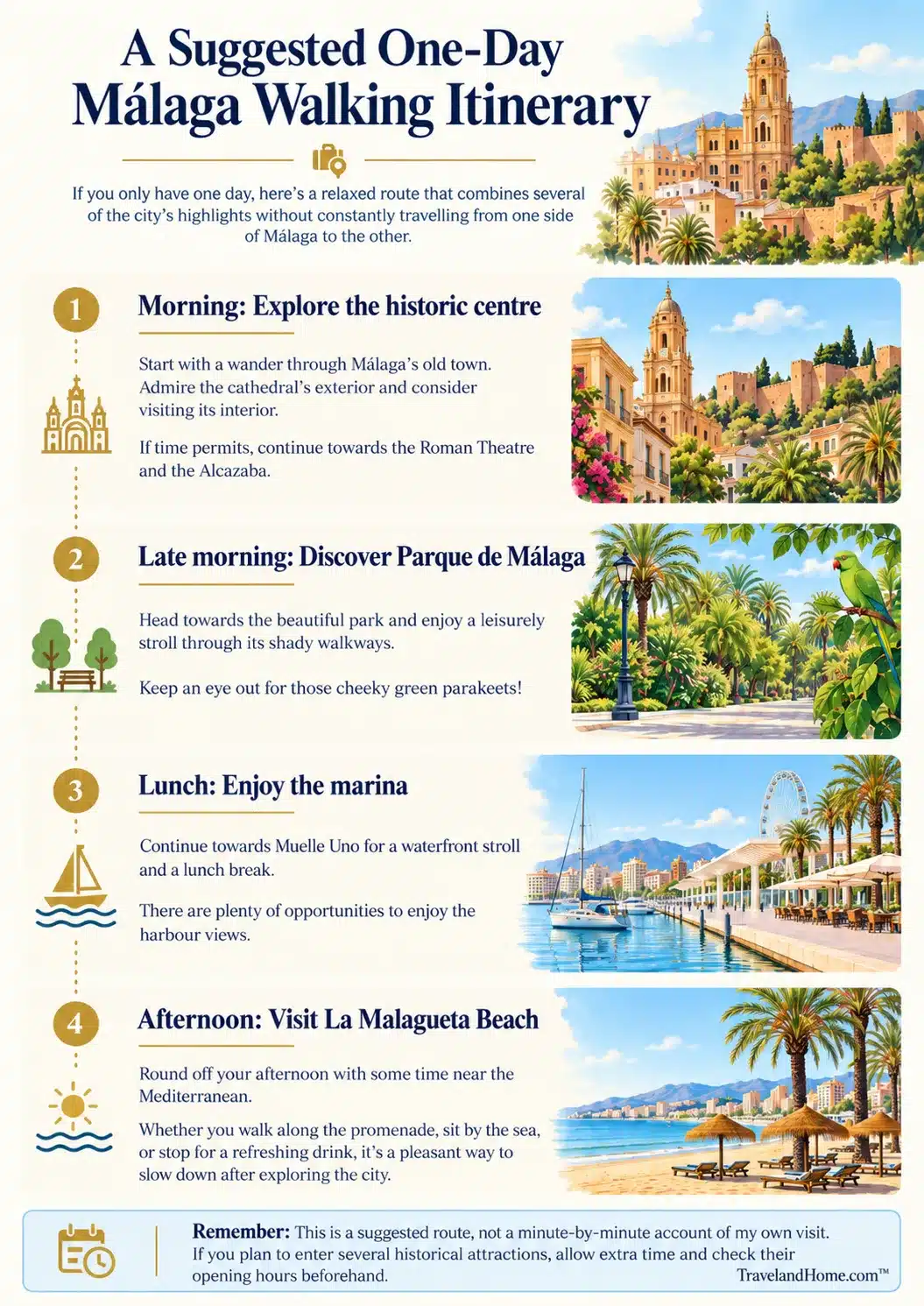
If you only have one day, here’s a relaxed route that combines several of the city’s highlights without constantly traveling from one side of Málaga to the other.
If you’re planning to spend several days in Málaga, don’t limit yourself to the city! Some of southern Spain’s most memorable destinations are within easy driving distance.
During my October holiday on the Costa del Sol, I had the pleasure of exploring several of these places with friends. And believe me, there’s plenty worth discovering beyond Málaga.
Have a rental car? You’ll enjoy the freedom to explore at your own pace. However, if you’d rather leave the driving to someone else, organized day tours offer a convenient alternative.
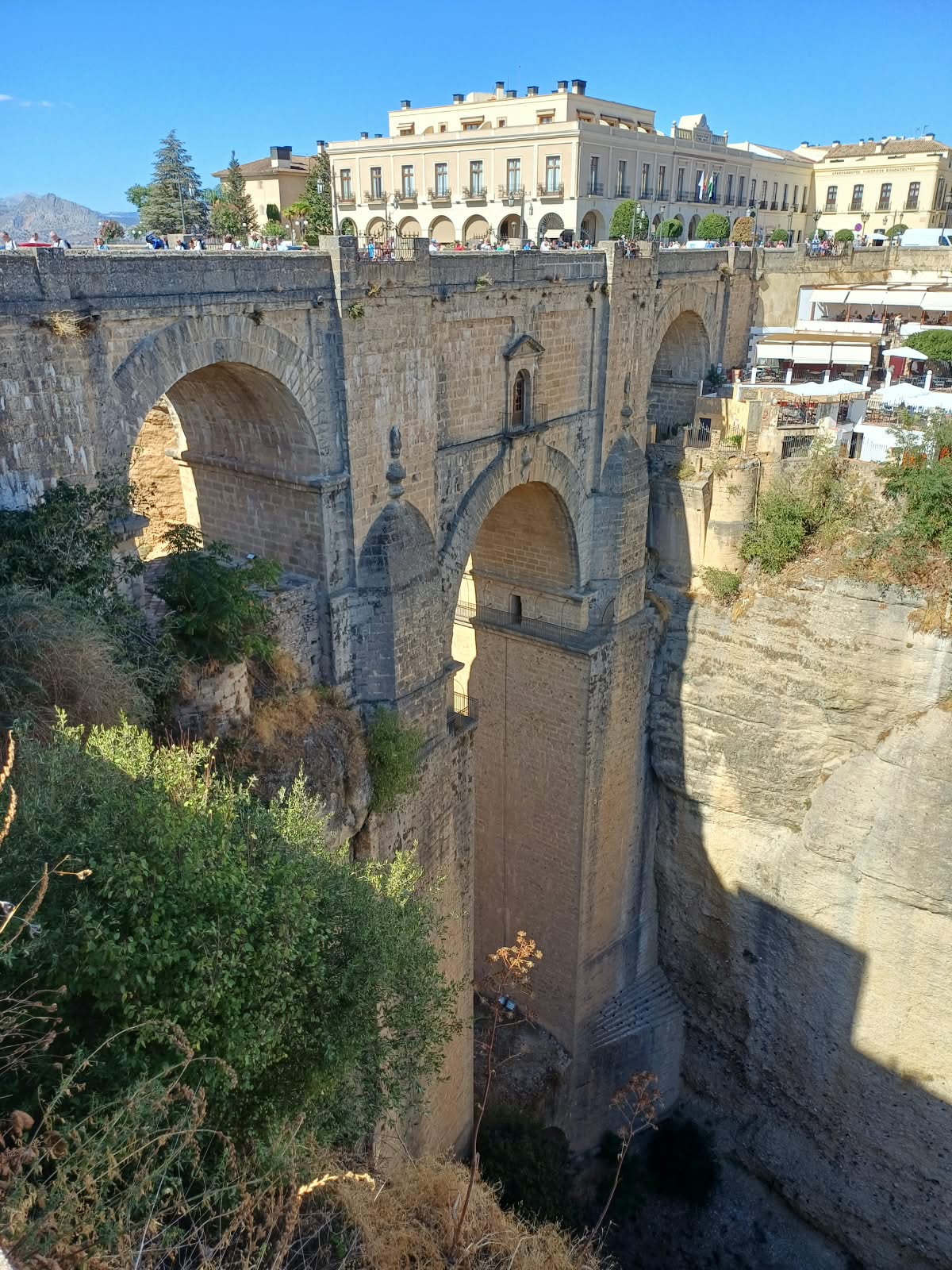
Approximately 1 hr 20 min • History and dramatic scenery
The enormous El Tajo gorge, Puente Nuevo bridge and atmospheric old town make this particularly appealing.

Approximately 35–45 min • White village charm
An easy half-day escape with whitewashed streets, flower-filled corners, and coastal views. Ideal for travelers with a rental car.
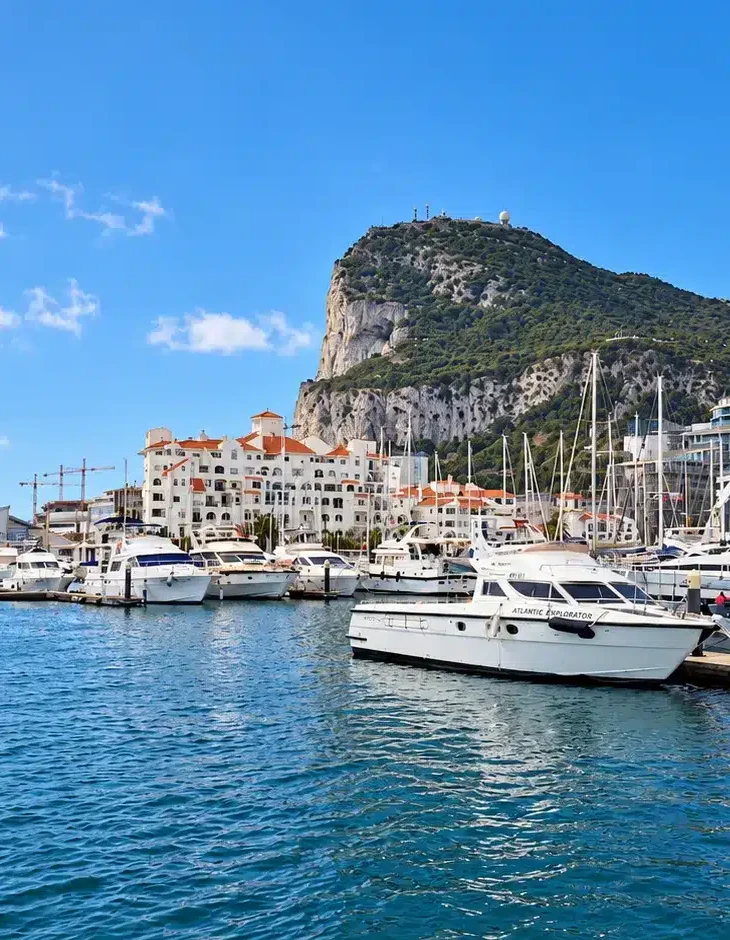
Approximately 1 hr 45 min–2 hr • A completely different experience
Explore the Rock, see the Barbary macaques, and enjoy views towards Africa across the Strait of Gibraltar. I chose this guided excursion, an excellent alternative to driving.
VISA requirements: Following the July 2026 UK–EU agreement, routine immigration checks at the land crossing between Spain and Gibraltar have ended. Nevertheless, you should still check the latest entry requirements and carry appropriate travel documents.

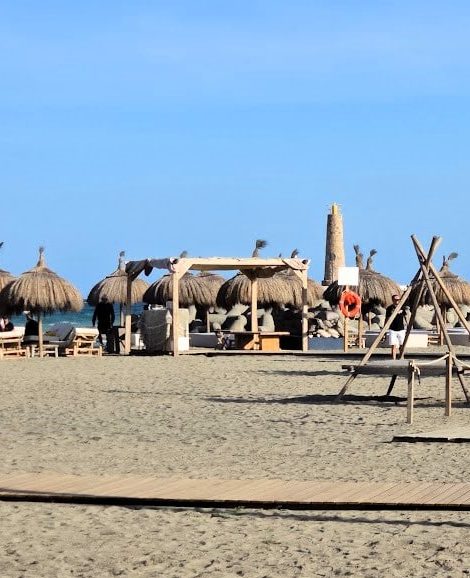
Approximately 45–60 min • Old town and coastal glamour
Combine the charming old town of Marbella with Puerto Banús, where luxury yachts, designer boutiques, and extraordinary supercars create an entirely different atmosphere.
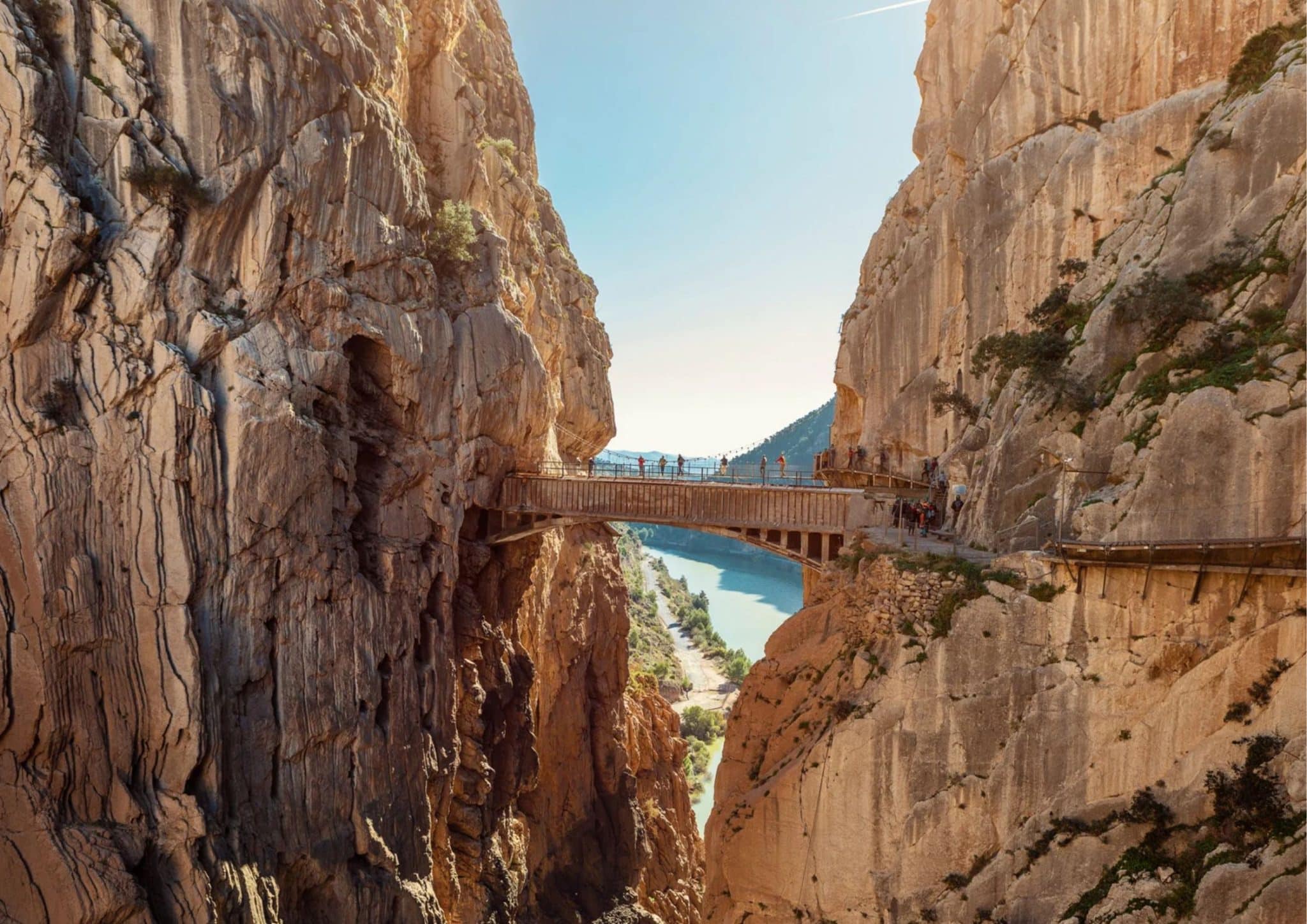
Approximately 1 hr • Adventure and nature
If dramatic landscapes and outdoor adventures call to you, Caminito del Rey is calling. The spectacular walking route follows pathways attached to steep gorge walls, making it an unforgettable experience. However, I don’t recommend the walk if you have a fear of heights.
Explore guided day trips from Málaga below and compare the experiences that appeal to you most.
My travel tip: For longer excursions, such as Gibraltar or Ronda, an organized tour can be particularly convenient. You can relax, enjoy the scenery, and leave the route planning and parking to someone else.
Historic Center: Best for first-time visitors who want to explore on foot.
La Malagueta: Best for beach lovers who also want easy access to the city.
Soho: Worth considering for art, cafés, and a central location.
Pedregalejo: Best for a more relaxed seaside atmosphere.
One of the things I love about Málaga is how easy it is to explore without a car. Whether you’re arriving by plane, train, or road, getting into the city is straightforward. And once you’re in the historic center, many of the main attractions are within walking distance.
Málaga-Costa del Sol Airport (AGP) is the main gateway to the Costa del Sol, welcoming flights from across Europe and beyond.
The airport is approximately 12 km (7.5 miles) from Málaga’s city center, and you have several options for reaching your accommodation.
The C1 Cercanías commuter train is one of the easiest and most economical options. It connects the airport with Málaga Centro-Alameda station in approximately 12 minutes. Trains generally run every 20 minutes during the day, which is especially convenient if you are staying near the historic center.
Málaga’s main railway station, María Zambrano, connects the city with destinations across Spain, including Madrid via high-speed rail services.
From here, you can continue by local train, metro, bus, or taxi.
The A Express bus connects the airport with central Málaga, including stops near the main bus and railway stations. The trip typically takes 25–40 minutes, depending on traffic.
If you’re traveling with several suitcases, arriving late at night, or staying somewhere less convenient for public transport, a taxi or pre-booked transfer may be worth the additional expense.
My travel tip: If you’re staying in central Málaga and traveling light, I’d choose the C1 train. It’s quick, convenient, and saves you the hassle of navigating city traffic.
Málaga’s historic center is wonderfully walkable, and exploring on foot is one of the best ways to appreciate its atmosphere.
You can comfortably combine several popular attractions in one outing, including Málaga Cathedral, the Roman Theatre, Parque de Málaga, and the waterfront at Muelle Uno.
La Malagueta Beach is also within walking distance of the marina.
However, not every attraction is an easy stroll. Places such as Gibralfaro Castle involve a steep uphill climb, so public transport or a taxi may be a better option if you prefer to save your energy.
Málaga has an extensive local bus network covering neighborhoods beyond the historic center. Click here to view the routes and timetables.
Two metro lines, lines 1 and 2, serve parts of the city, including connections between the center, the university area, and the western districts. View the routes and timetable on the official website: Metro de Málaga.
Málaga is a lovely city for walking. However, some attractions are spread farther apart, and reaching places such as Gibralfaro Castle involves a considerable climb.
That’s where a hop-on hop-off sightseeing bus can make your visit easier.
The City Sightseeing Málaga tour offers panoramic views from its open-top deck, recorded commentary in several languages, and stops near popular attractions, including La Malagueta Beach, the Alcazaba area, and Gibralfaro Castle.
You can get off to explore attractions that interest you and rejoin the route afterward. Depending on the ticket you choose, additional experiences such as museum admission or a guided walking tour may also be included.
My travel tip: If you’re visiting Málaga for just one day, consider taking the full sightseeing loop first. It’s a practical way to get your bearings before deciding where you’d like to spend more time.
If you’re only visiting Málaga itself, I wouldn’t rush to rent a car.
The historic center is pedestrian-friendly, and public transport makes reaching many other parts of the city relatively easy.
Parking can also be an inconvenience, particularly when you’re unfamiliar with the streets.
However, a rental car becomes much more appealing if you plan to explore the wider Costa del Sol.
During my October 2026 holiday, having access to a car gave us the freedom to discover places such as Marbella, Puerto Banús, Ronda, and other fascinating destinations at our own pace.
If your itinerary includes Mijas Pueblo, Ronda, or smaller Andalusian villages, having your own transport can make a considerable difference.
My travel tip: Consider exploring Málaga without a car first, then renting one for the days you plan to travel farther afield. You could save on rental charges and parking fees while still enjoying the freedom of a road trip.
And if you’d rather not drive, organized excursions offer another convenient way to explore the surrounding region.
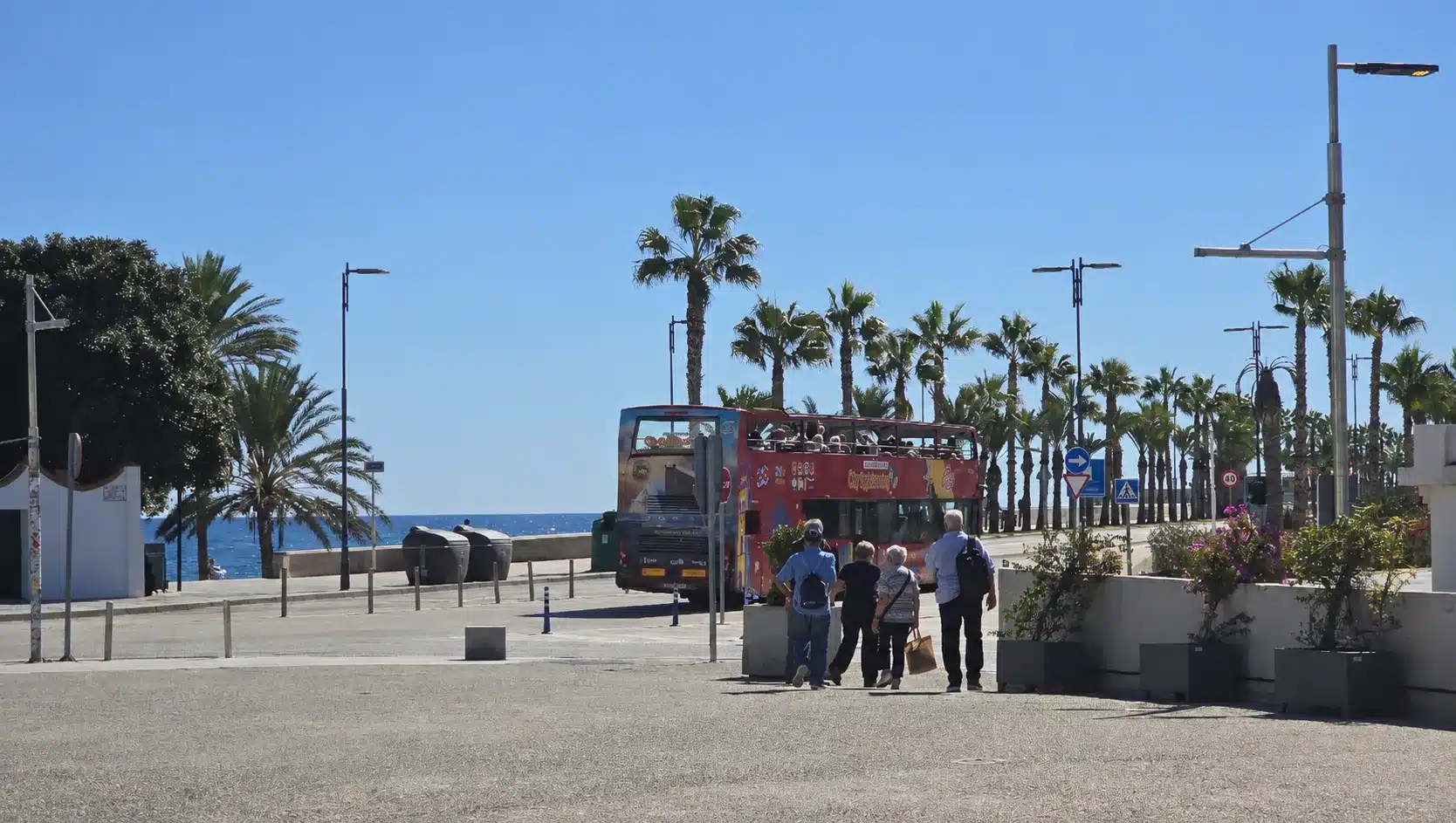
One of the loveliest things about Málaga is its Mediterranean climate. With around 300 days of sunshine a year, you can enjoy this beautiful coastal city in almost any season.
However, the best time to visit depends on what you’re after. Are you dreaming of lazy beach days, sightseeing without the summer crowds, or enjoying Málaga’s outdoor cafés and historic streets?
Here’s what to expect throughout the year.
Temperatures generally range from around 17°C to 25°C (63–77°F), making it comfortable to explore the historic center, wander through Parque de Málaga, or enjoy lunch along the marina. You’ll also find blooming gardens and plenty of opportunities to enjoy the outdoors.
My tip: April and May are particularly lovely for sightseeing, although Easter celebrations can bring larger crowds and higher accommodation prices.
If you’re a beach lover, summer is the obvious choice!
Expect long, sunny days, lively beaches, and temperatures that often reach 30°C (86°F) or higher. July and August are especially busy as holidaymakers head to the Costa del Sol.
The Mediterranean is wonderfully inviting, but sightseeing in the midday heat can become exhausting.
My tip: Explore the historic attractions early in the morning. Then head to the beach or find a shady terrace during the hottest part of the afternoon.
I visited Málaga twice, in October with friends and in November as part of a cruise with friends, and I loved the climate in both months!
The city still felt wonderfully alive. People were enjoying the beach, the marina was busy, and Parque de Málaga was full of people taking leisurely walks.
I especially appreciated being able to spend time outdoors without the intense heat of midsummer.
And those adorable green parakeets in the park? They were an unexpected highlight of my visit!
September often feels like an extension of summer, while October typically brings pleasant sightseeing temperatures. By November, the weather becomes cooler, and the likelihood of rain increases.
My tip: If you’d like to combine sightseeing with some beach time, September and early October are well worth considering.
If you’re hoping to escape the freezing temperatures of northern Europe, Málaga can be a lovely winter getaway.
Daytime temperatures often reach around 16–18°C (61–64°F), although evenings can feel chilly, and rain is more likely than in summer.
You probably won’t spend your days swimming in the Mediterranean, but the cooler weather makes exploring museums, historic attractions, and the old town much more comfortable.
And Málaga’s Christmas lights and festive atmosphere are an added attraction during December.
My tip: Pack layers and a light jacket. Even when the sun is shining, winter evenings can feel surprisingly cool.
Without hesitation, I’d choose May, September, or October.
These months offer a lovely balance of pleasant weather and opportunities to explore without the most intense summer heat.
Having experienced Málaga in October and November, I can certainly recommend an autumn visit.
Of course, the weather doesn’t always follow the calendar, so a little flexibility helps.
But if your idea of a perfect holiday includes sunshine, leisurely walks, beautiful scenery, and plenty of time outdoors, Málaga has something wonderful to offer year-round.
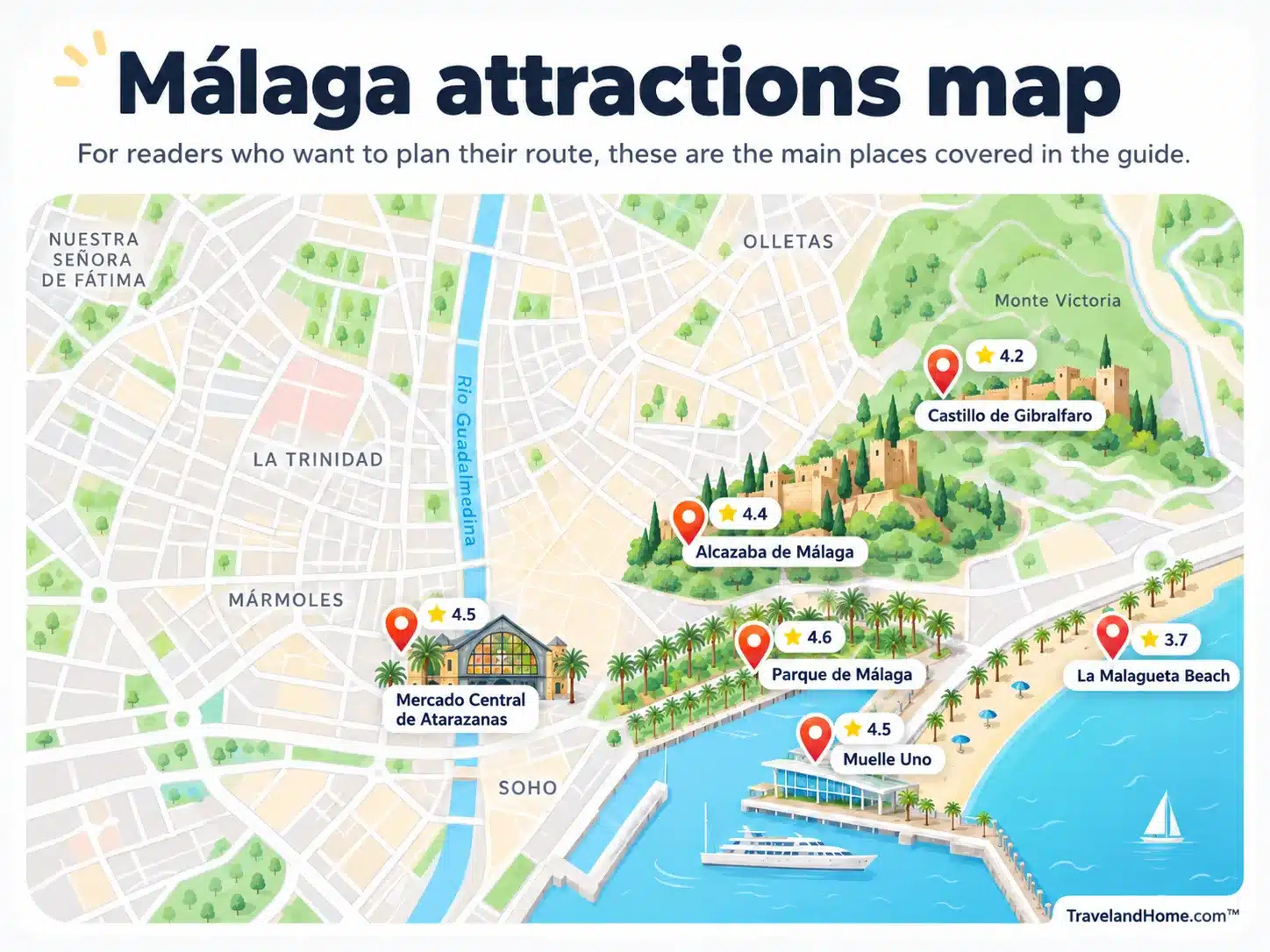
Ready to explore Málaga? Here are a few useful travel resources to help you plan your visit.
Compare hotels and apartments to find the perfect place for your stay.
Planning your Costa del Sol escape? Compare flights to Málaga-Costa del Sol Airport (AGP) and find a convenient route.
Discover sightseeing tours, attractions, and unforgettable local experiences.
Explore Mijas, Marbella, Ronda, and beyond at your own pace.
Join an organized excursion to Ronda, Gibraltar, Caminito del Rey, or other fascinating destinations.
Affiliate disclosure: Some links in this section may be affiliate links. If you book through them, TravelandHome.com™ may earn a commission at no additional cost to you.

Absolutely!
What I particularly liked about Málaga was the combination of experiences.
In one day, you can admire enormous luxury yachts, wander beside the Mediterranean, stroll through a beautifully maintained green park, and step inside a cathedral with centuries of history.
But I think my lasting memory will always be those delightful green parakeets.
They reminded me that travel isn’t only about famous landmarks or ticking attractions off a list.
Sometimes, the experiences you didn’t plan are the ones that touch your heart the most.
Would I return to Málaga? Without hesitation.
And next time, I would definitely stay longer.
Because Málaga isn’t simply a place to stop for a day while exploring the Costa del Sol.
It’s a destination worth discovering in its own right.
Sharing the places I’ve come to love. – Arina ♡