
Welcome to the fascinating city of Komárom, Hungary! Nestled at the confluence of the Danube and Váh rivers, this charming city beckons you with a unique blend of historical significance and modern attractions. From its storied fortresses that once defended the Austro-Hungarian Empire to its unusual dual-city status, where the Slovakian town of Komárno shares the border, Komárom is a place where history comes to life. Add to that the soothing thermal baths, cultural events, and the picturesque beauty of the Danube River, and you have a destination that promises an unforgettable journey into the heart of Hungary. Join us as we delve into the many facets that make Komárom a gem waiting to be explored.
Known by alternative names Komárno (Slovak) and Komorn (German), the city lies on the south bank of the Danube River. Despite Komárom’s city status, it only takes up around 70.19 km2 (27.10 sq mi) of the Danube River area.
Komárom is about an hour’s drive by car (via M1) from Budapest, and 1h10m by train. Thus, a perfect staycation to explore.
>> Tickets and Timetable for trains between Budapest and Komárom.
>> If you’re building a longer Danube Bend itinerary, Komárom pairs naturally with Szentendre, Visegrád, and Esztergom.
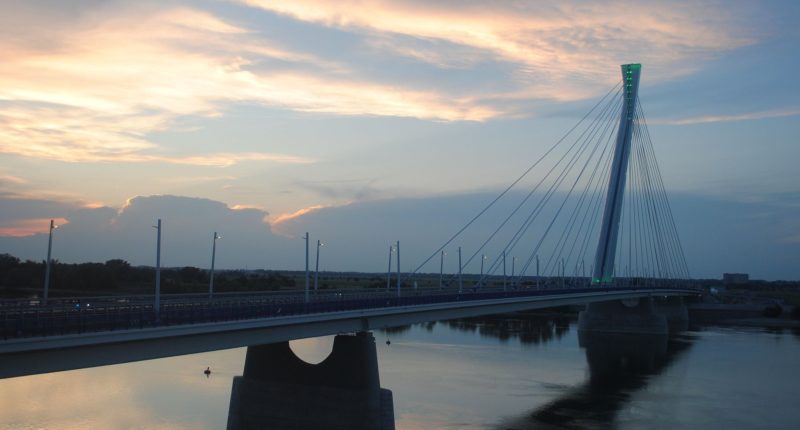
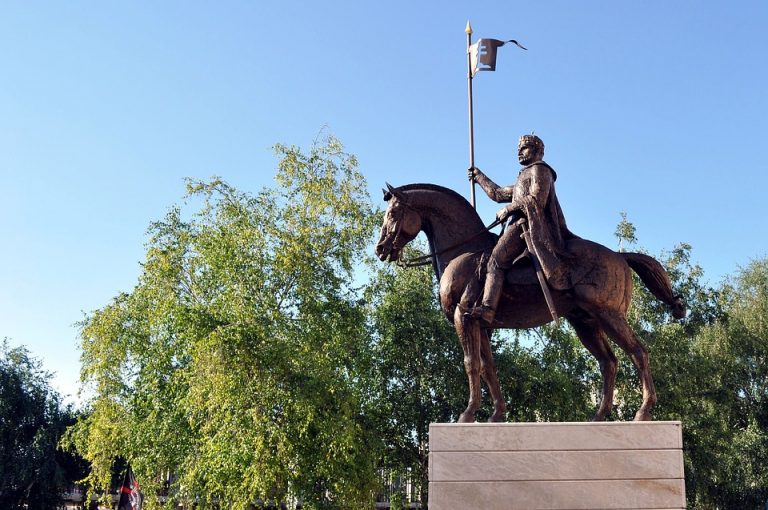
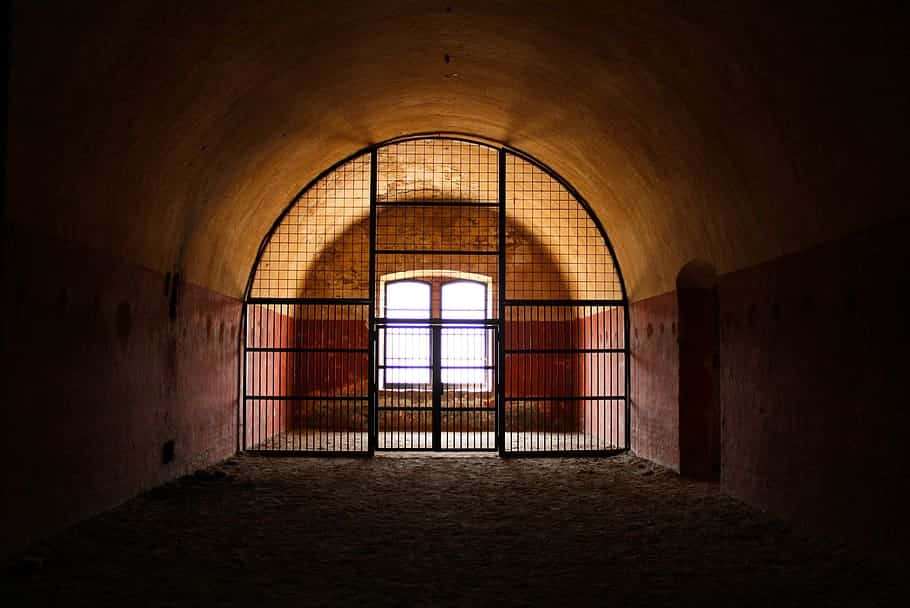
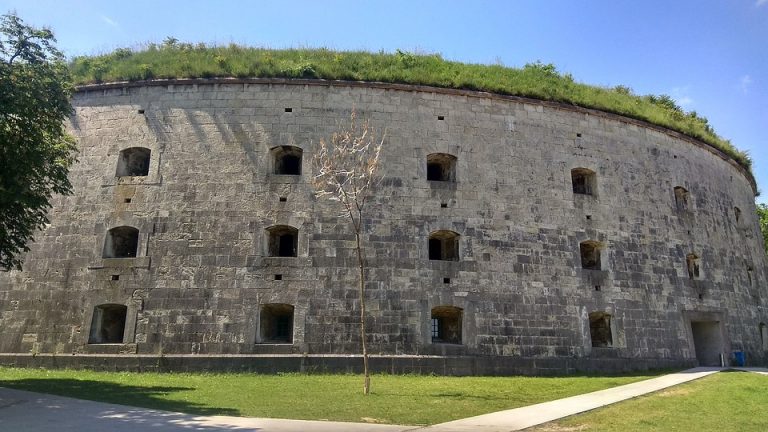
Komárom, Hungary, is best known for its historic fortresses. Specifically, Fort Monostor and Fort Igmand are the city’s main draw. These imposing fortresses have a rich history and played vital roles in defending Hungary. Fort Monostor, the larger of the two, is particularly impressive. It’s a massive structure built between 1850 and 1871 as part of a defensive system for the Austro-Hungarian Empire.
It’s known as Hungary’s largest ammunition storage facility after World War II for the Soviet Army Group. The fort is rich in history. For instance, the first parts were created during the Napoleonic Wars, and Fort Csillag served as a transit camp for Jews.
Visitors can explore its intricate maze of tunnels, imposing walls, and well-preserved buildings, offering a glimpse into the past.
>> Before you leave home, click here for practical travel tips about Fort Monostor
Though smaller, Fort Igmund is equally intriguing, with its own unique history and architecture. These fortresses offer a window into Hungary’s military history and are a must-visit for history enthusiasts.
Their impressive scale and the stories they hold make these forts Komárom’s main attraction, drawing visitors from far and wide to explore their secrets.
The town works well as either a day trip or an overnight stop if you want to slow down and soak in the thermal baths without rushing back to Budapest.
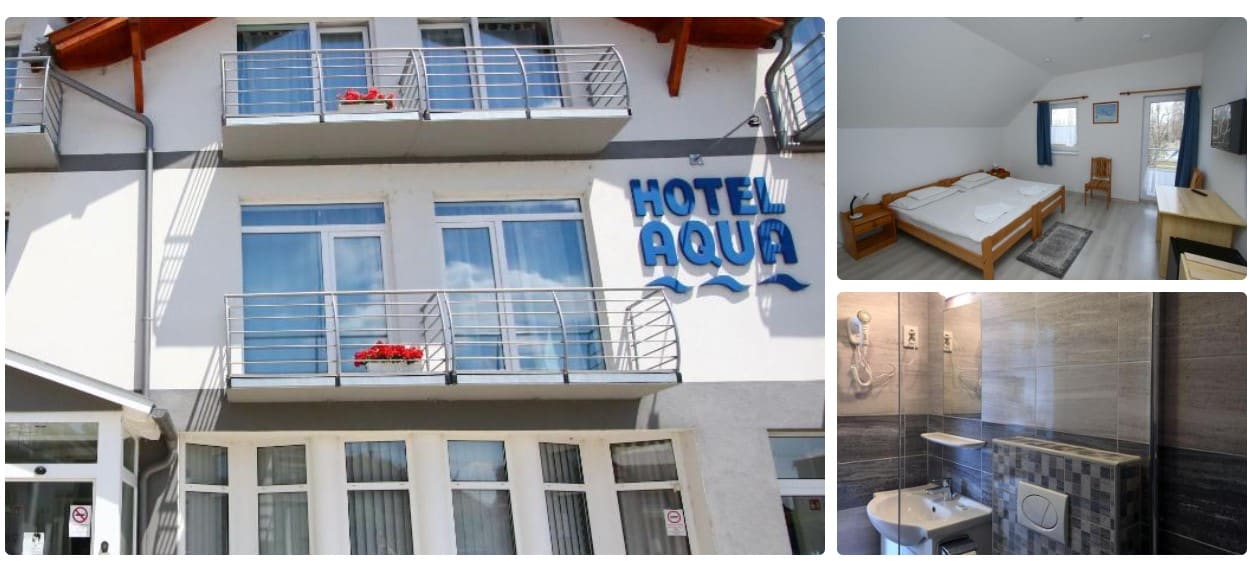
Hotel Aqua — Also on Táncsics Mihály utca in Komárom, Hungary, with an indoor pool, sauna, and full spa facilities plus buffet breakfast included — a step up in comfort from Thermal Hotel & Camping if you want a slightly more polished stay. Check rates and availability →
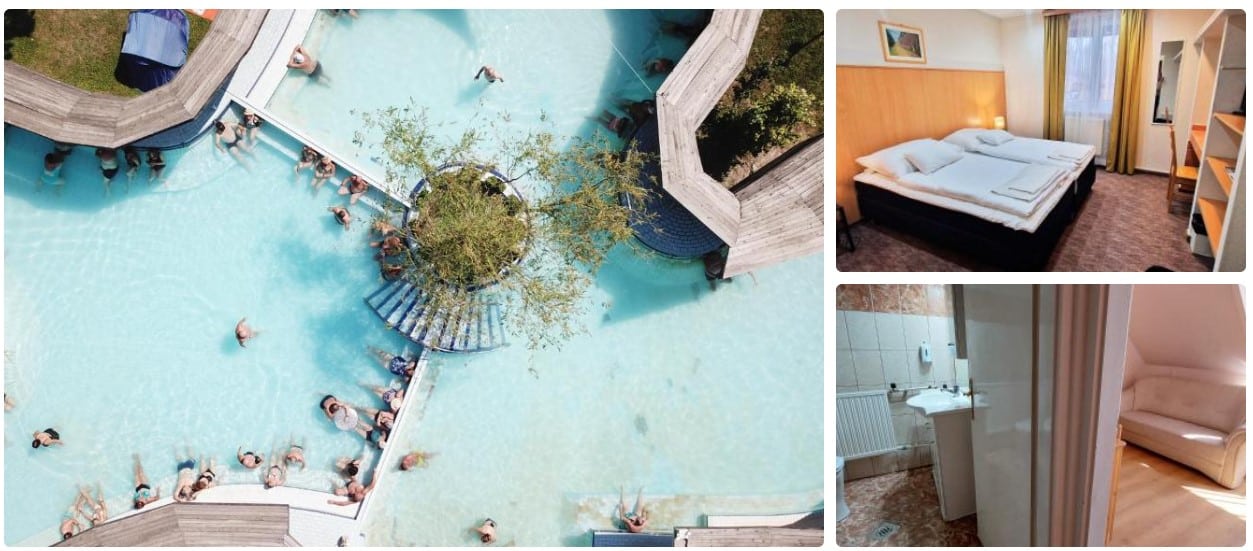
Thermál Apartmanház — A more budget-friendly apartment option in Komárom, Hungary, with a private bathroom and direct access to the thermal bath — good for travelers who want their own space rather than a standard hotel room. Check rates and availability →
After a morning exploring the fortress, the riverside restaurants make a natural lunch stop, with several spots serving traditional Hungarian dishes alongside Danube views. For a hearty, local meal, look for a spot serving classic pörkölt or halászlé (fisherman’s soup).
Yes — it’s an easy day trip at about an hour away, and the combination of Fort Monostor, thermal baths, and the twin-city bridge to Slovakia makes it feel distinct from other Danube Bend towns.
Guided tours generally run around 1.5 hours, though you can easily spend longer exploring the grounds and museum exhibits at your own pace.
Spring and early autumn offer comfortable weather for walking the fort’s grounds. Note that the underground casemates stay cool regardless of season, so bring a layer even in summer.
Yes — the two towns sit across the river from each other, connected by a pedestrian-friendly bridge, so hopping between countries takes only a few minutes.
Fort Monostor’s tunnels and open grounds appeal to kids, though supervision is recommended in some areas of the fortress.
>> More day trip ideas from Budapest: Szentendre, Visegrád, Esztergom, and Komárom add up to a car drive of around 2h40m, subject to traffic conditions. I have done this route on many occasions when entertaining visitors. It’s a breeze!
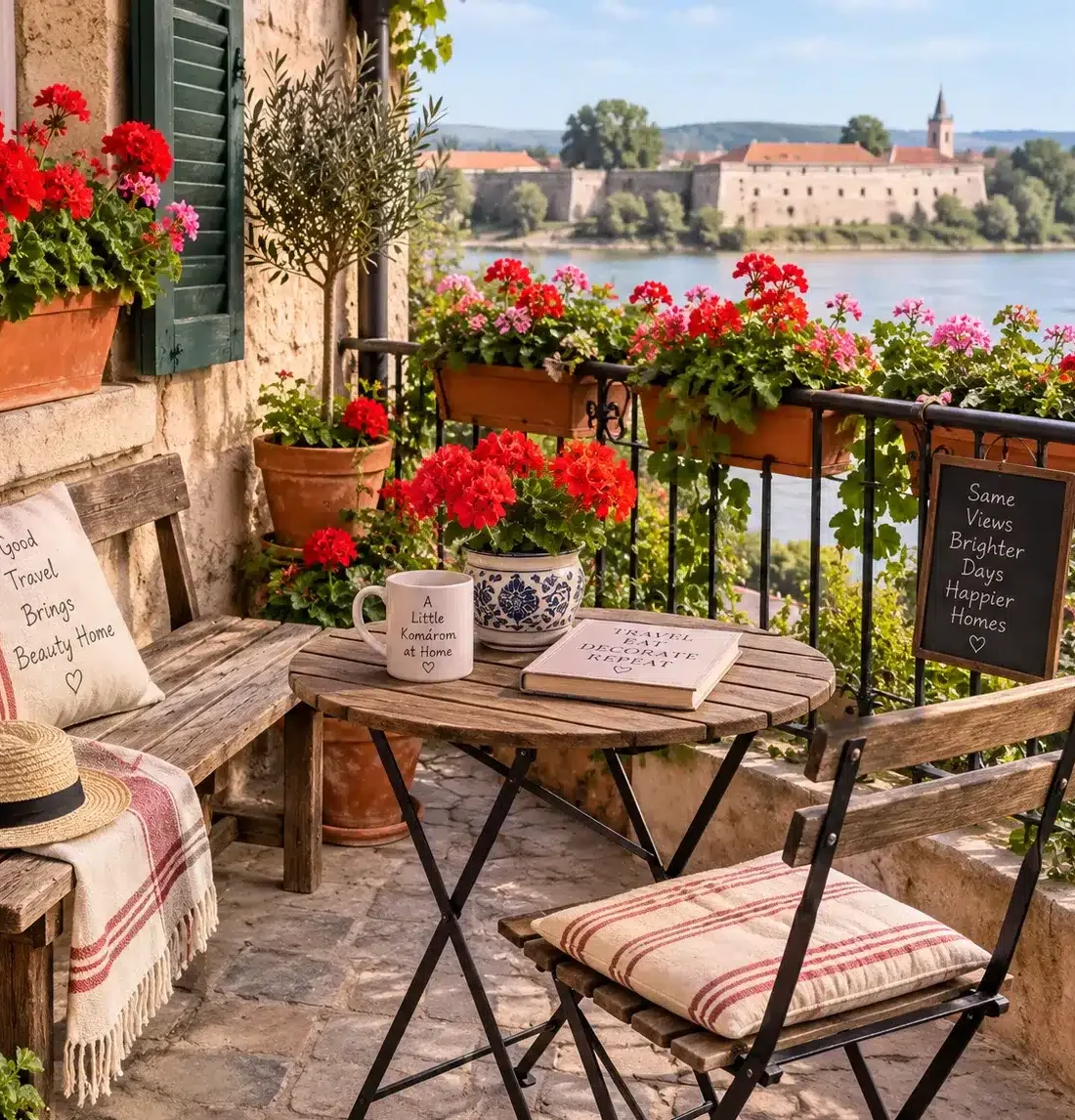
One of the things I love about exploring smaller Hungarian towns is noticing the little details that make them feel unmistakably Hungarian. Komárom is no exception. You may come for the mighty fortresses and the Danube, but there are simple touches you can take home with you long after the day trip is over.
Bright red and pink geraniums are part of the traditional Hungarian streetscape, and you’ll see them spilling from window boxes and balconies across the country.
They are also one of the easiest ways to recreate a little Hungarian summer at home.
Plant geraniums in terracotta pots or simple window boxes, then group several together rather than displaying one lonely plant. Add a small wooden bench or café-style table nearby and suddenly an ordinary patio, balcony, or garden corner starts feeling distinctly Central European.
Komárom sits beside one of Europe’s great rivers, so another beautiful idea is to borrow its softer colors for your home.
Think:
muted Danube blue
warm stone and sand
creamy white
natural wood
touches of traditional Hungarian red
You don’t need to redecorate an entire room. A blue linen tablecloth, rustic pottery, wooden serving board, or a vase filled with red flowers can quietly bring the mood home.

Fort Monostor is all about thick stone walls, brickwork, archways, tunnels, and wonderfully aged surfaces.
Rather than copying the military look, borrow its texture.
Old terracotta pots, weathered wood, woven baskets, stoneware bowls, linen napkins, and handmade ceramics all create that relaxed, time-worn character. In fact, these pieces often look better when they aren’t perfectly matched.
Finally, one of my favorite ways to remember a destination is through food.
Set the table simply with Hungarian-inspired pottery, fresh bread, paprika, seasonal vegetables, and something traditionally Hungarian to eat or drink. Then add a pot of geraniums nearby.
It doesn’t have to look staged.
That is really the point.
Travel isn’t only about the places we photograph. Sometimes the loveliest souvenirs are the colors, flavors, textures, and small ideas we bring back into everyday life.
That is how a little piece of Komárom can follow you home.
>> More day trip ideas from Budapest: Szentendre, Visegrád, Esztergom, and Komárom add up to a car drive of around 2h40m, subject to traffic conditions. I have done this route on many occasions when entertaining visitors. It’s a breeze!
>> Komárom is only one small piece of a country with an extraordinary amount of history packed into it. Hungary is home to eight UNESCO World Heritage properties, from the magnificent Banks of the Danube and Buda Castle Quarter in Budapest to the historic Tokaj wine region and the vast plains of Hortobágy. If Komárom has tempted you to see more, explore our Hungary Travel Guide for beautiful places, hidden gems, practical travel tips, and more ideas for discovering the country beyond Budapest.