The complete list of UNESCO World Heritage Sites in Hungary
The UNESCO World Heritage Sites in Hungary reveal a country with much more to explore beyond its capital. From Budapest’s Danube riverfront to Tokaj’s vineyards and the caves of Aggtelek, these eight sites bring together remarkable architecture, living traditions and striking landscapes. This guide introduces each one, with a practical travel tip to help you plan your visit.
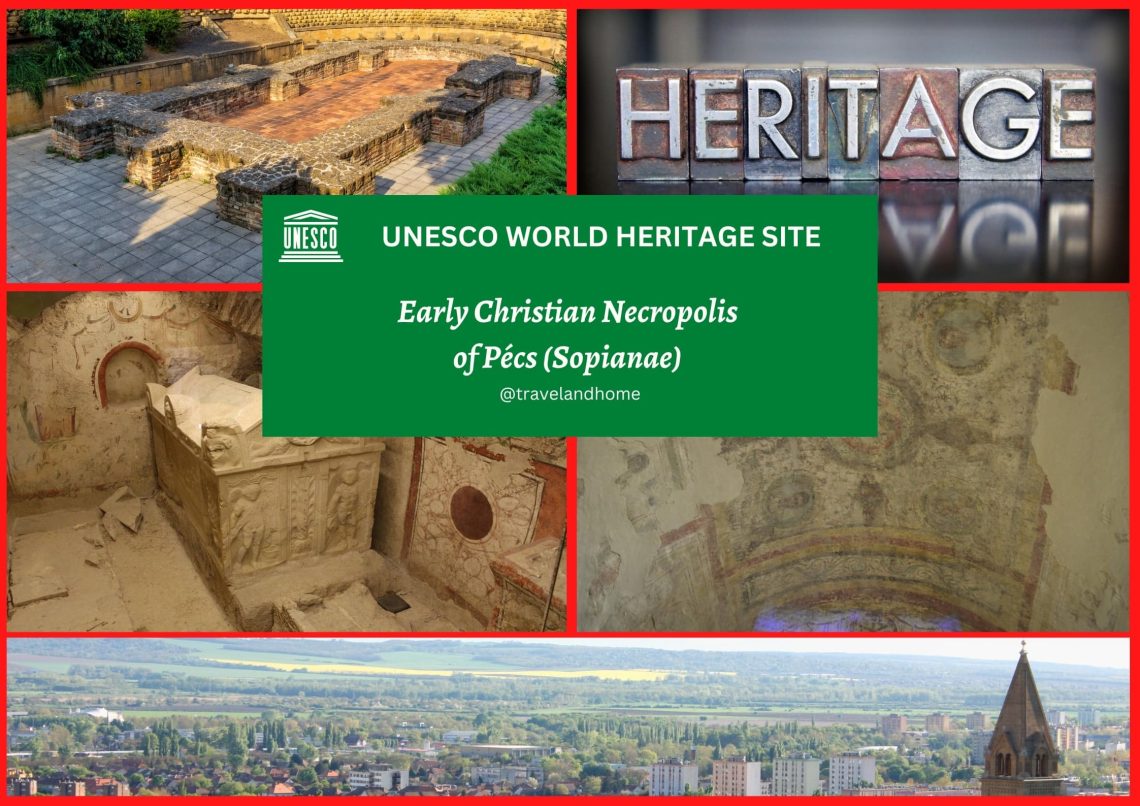
Early Christian Necropolis of Pécs (Sopianae)
The only monument in Hungary that has been designated a world heritage site in the category of culture-historical architecture.
This is an ancient burial site dating back to the 4th century AD, featuring underground tombs and frescoes. It is considered a unique and important archaeological site. The discovered artifacts display the Early Christian burial architecture and art of the Northern and Western provinces of the Roman Empire in their wall paintings and architectural designs.
>> Travel tip: Start at the Cella Septichora Visitor Center and ask about tickets for the other burial sites, including the Early Christian Mausoleum. The necropolis has several visitor locations, so checking what’s open first helps you explore beyond the main center.
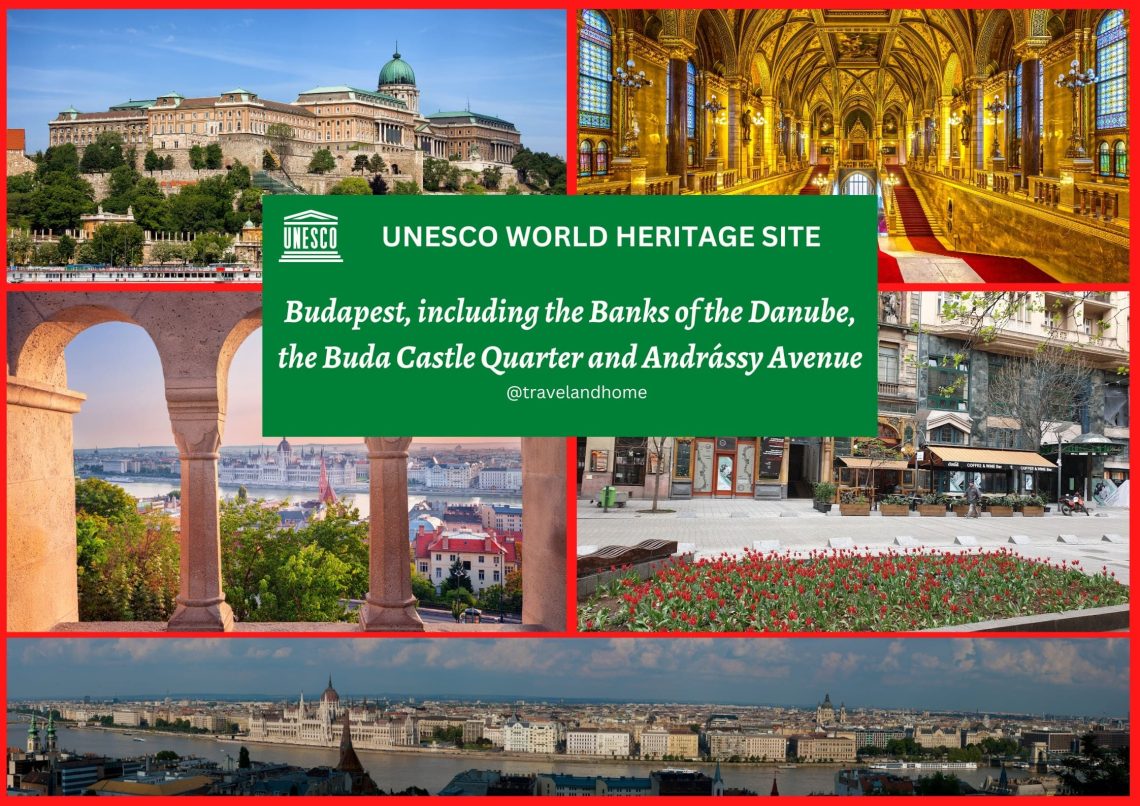
Budapest, including the Banks of the Danube, the Buda Castle Quarter, and Andrássy Avenue
This site includes the historic castle district of Buda, as well as the famous promenade along the Danube River. It is considered a must-see for tourists visiting Budapest, offering stunning views of the city and river.
Andrássy Avenue, also known as Pest Broadway, is historically (it dates to 1872) recognized for its connection with theatre and music. It is frequently referred to be “Champs-Élysées and Broadway wrapped into one”. The 2310-meter boulevard is like London’s Regent Street and New York‘s 5th Avenue, synonymous with class and elegance.
>> Suggested Read: Some UNESCO World Heritage Sites in Hungary are easy to include in a Budapest break. See our Budapest Travel Guide
>> Travel tip: Take tram 2 along the Pest riverbank and choose a river-facing seat for views towards Buda Castle. It’s an easy way to appreciate the Danube setting before exploring the castle district on foot.
This site is a series of limestone caves that are considered some of the most beautiful in Europe. It is a popular spot for visitors interested in geology and speleology.
>> Travel tip: Bring a warm layer for your Baradla cave tour, even on a hot summer day—the national park specifically recommends warm clothing. Check your chosen tour’s meeting point before setting off, rather than navigating only to “Aggtelek National Park.”
Old Village of Hollókő and its Surroundings
This is a traditional village with well-preserved examples of vernacular architecture. It is a unique example of rural life in Hungary and is a popular spot for visitors interested in culture and history.
>> Travel tip: Leave time to visit a local craftsperson as well as photographing the village’s traditional houses. Check the village’s craft directory before your trip and ask about visiting or demonstrations—these encounters offer a closer look at Hollókő’s living traditions.
Millenary Benedictine Abbey of Pannonhalma and its Natural Environment
This is a benedictine abbey founded in the 9th century that has a rich history and beautiful architecture. The natural environment surrounding the abbey is also noteworthy.
>> Travel tip: Consider timing your visit around the monks’ midday prayer. The abbey welcomes visitors to join this service in the basilica, offering a memorable glimpse of its continuing religious life. Check the current schedule and enter quietly before it begins.
Another one of the UNESCO World Heritage Sites in Hungary that is easy to fit into a Budapest break! Tokaj wine region is famous for its wines and is an important cultural landscape. It is a popular spot for visitors interested in wine culture and history.
>> Travel tip: Choose a tasting that includes both dry Furmint and sweet Tokaji Aszú. Comparing them is a rewarding way to discover the region beyond its famous dessert wines; ask the winery whether your chosen tasting includes both styles before booking.
Hortobágy National Park is the largest national park in Hungary, located in the northeastern part of the country. The park is known for its unique natural and cultural heritage, including the Hortobágy Puszta, a vast grassland ecosystem, and the traditional way of life of the local people, the herders, known as the “cowboys of the Puszta.” The park is home to a wide variety of wildlife, including rare bird species, as well as traditional Hungarian horse breeds such as the Nonius and the Furioso-North Star.
>> Travel tip: If you’re visiting during autumn crane migration, plan around a guided sunset outing. Watching cranes return to their roosting grounds gives you a very different experience from a daytime stop on the plains. Check the national park’s seasonal programme before choosing your date.
Fertő / Neusiedlersee Cultural Landscape
This is a cultural landscape consisting of a lake, wetlands, and grasslands. It is an important site for migratory birds and is popular among birdwatchers and nature enthusiasts.
>> Travel tip: Look into a guided canoe tour through Lake Fertő’s reed beds. The national park’s route follows narrow channels into a landscape you won’t fully appreciate from the shore. Contact the park ahead of time to confirm availability and English-language guiding.
Which of the UNESCO World Heritage Sites in Hungary will make it onto your itinerary? You might explore ancient burial chambers in Pécs, meet craftspeople in Hollókő or linger over a wine tasting in Tokaj. Choose the places that match your interests, leave time to explore beyond the main sights, and check visitor arrangements before you go.