
Driving in Italy can be intimidating for foreigners. From confusing toll booths to strict traffic zones (ZTLs) and narrow cliffside tunnels, a lack of preparation can result in costly fines or stressful standoffs on the road.

First of all: Watch the speed limit signs carefully. In Italy, the speed limit can change several times over a short distance. We often saw it go from 70 km/h to 60 km/h and then down to 30 km/h as we approached a town. Keep an eye on the signs at all times because speed cameras are common.
You might dream of meeting an Italian Polizia, but getting pulled over for speeding isn’t the best way to make an introduction. LOL
Our road trip from Verona to Limone sul Garda (Italian holiday) taught us a few valuable lessons:
Mastering the rules of the local highway toll system ensures your dream Italian holiday doesn’t get ruined by unexpected delays.
If you choose the A22 autostrada route, it is a toll road. When you approach the highway entry barrier, press the big button on the machine to pull a physical paper ticket. The barrier will open. Do not lose this ticket; you need to insert it at your exit station to calculate your fee.
When exiting the autostrada, you will see color-coded signs above the lanes. Choosing the wrong lane can cause traffic chaos:
Insert your paper ticket into the machine first. The screen will display the amount you owe. If you’re in a blue lane, insert or tap your credit or debit card. In a white lane, pay with cash or follow the instructions if an attendant is present. Once payment is complete, the barrier will lift, and you can continue your journey.
Do Not Lose Your Toll Ticket: If you lose your entry ticket on a distance-based toll road, the automated exit machine or teller will charge you the maximum possible amount from the furthest origin point of that entire highway line. Keep it safe on your dashboard.

In Italy, it is a strict legal requirement to keep your dipped headlights (low beams) on at all times when driving on autostradas, dual carriageways, and through tunnels—even in broad daylight. Do not rely on daytime running lights (DRLs); turn the actual headlight dial on.
By law, every vehicle in Italy must carry a reflective safety vest and a warning triangle. If you are renting a car, verify these items are physically present in the trunk or glove box before leaving the rental lot.
Do not expect to see police cars hiding in the bushes. Italy uses automated speed cameras. Fixed boxes on the side of the road are called Autovelox. On the autostrada, look out for the Safety Tutor system—a network of overhead cameras that calculates your average speed between two points miles apart. Fines are automatically forwarded to rental companies, who pass them (plus administrative fees) to your credit card.
Failing to research dynamic city traffic laws can lead to expensive camera fines arriving long after your Italian holiday has ended.
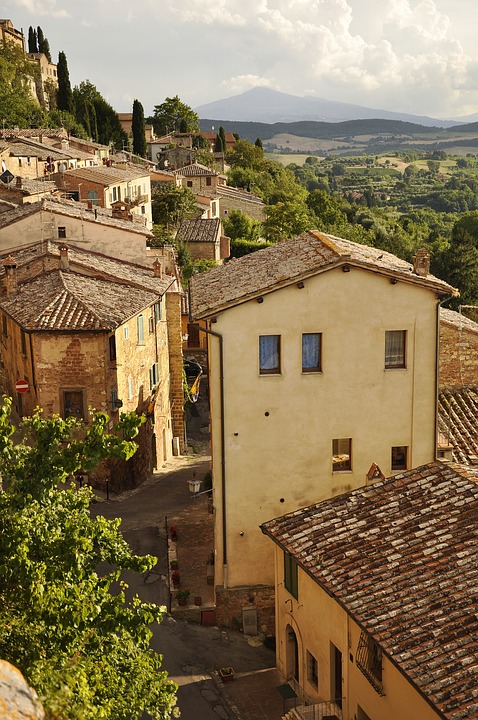
ZTL stands for Zona a Traffico Limitato (Limited Traffic Zone).
These restricted areas are common in the historic centres of Italian cities and towns, including places like Florence, Verona, Pisa, Siena and Rome. Unless you have permission, driving into a ZTL can result in a fine.
Entry points are monitored by cameras that automatically record licence plates. If you’re driving a rental car, the fine may arrive weeks or even months after your trip, often with an additional administration fee from the rental company.
If your hotel is inside a ZTL, ask them in advance whether they can register your vehicle for authorized access. Always look for the white sign with a red circle and the letters ZTL before entering a historic town centre.
Travel tip: If you’re just visiting a city for the day, it’s usually easier to park outside the ZTL and walk or use public transport. This saves money and avoids the risk of an unexpected fine.
GPS Apps are Blind to ZTLs: Standard navigation apps like Google Maps or Apple Maps do not reliably account for dynamic ZTL boundaries or temporary closures. As the driver, you must prioritize watching physical roadside signs over your phone’s navigation screen.
Accidentally crossing into a restricted ZTL zone can result in automated camera fines that quickly drain your Italian holiday budget.
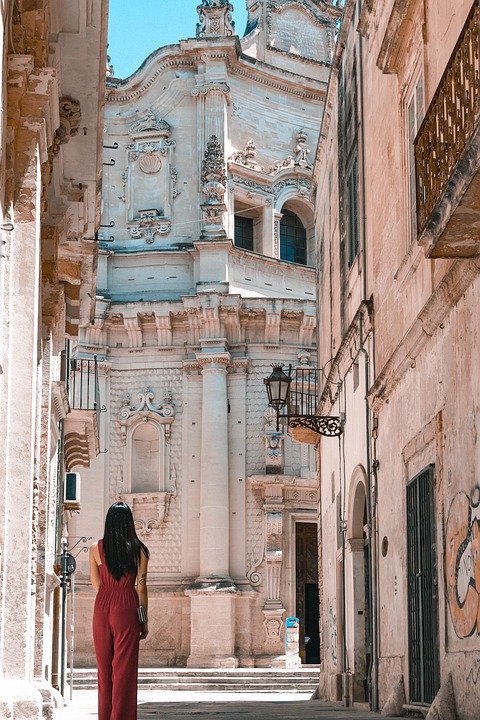
Throughout Italy, the colour of the parking bay lines tells you who may park there:
Blue lines: Paid parking. Look for a nearby parking meter, pay for the time you need, and follow the payment instructions. In many places you can also pay using a parking app.
White lines: Usually free parking. Always check nearby signs, as there may be time limits, resident restrictions at certain hours, or the need to display a parking disc.
Yellow lines: Reserved parking for authorised users, such as disabled permit holders, residents, buses, taxis, loading zones, or other special categories. Do not park here unless you are entitled to do so.
Our tip: Never rely on the line colour alone. Always check the nearby parking signs, as local councils can add restrictions that apply only during certain times or days.
[ ] Checked the trunk for a safety triangle and reflective vest.
[ ] Turned headlights to the “On” position (not Auto/DRL).
[ ] Saved your hotel’s address and checked if it’s inside a ZTL.
[ ] Kept some Euros or a credit card within arms reach for the toll booths.
The International Driving Permit (IDP) is Mandatory: If you hold a non-EU driver’s license (e.g., from the US, Canada, South Africa, or Australia), you legally must carry an International Driving Permit alongside your actual domestic license. Rental agencies might not always ask for it, but if the Polizia Stradale pull you over without one, you face immediate, heavy fines.
Rental Car Age Limits: While you can legally drive at 18 in Italy, most car rental companies require drivers to be at least 21 (sometimes 23 or 25) to rent a vehicle. Drivers under 25 are almost universally subjected to a daily “young driver surcharge.”
TRAVEL TIP:
Keep to the right on the autostrada. The left lane is for overtaking, not for cruising. Once you’ve passed a slower vehicle, move back into the right-hand lane when it’s safe to do so. During our trip, we saw several faster drivers come up very close behind cars that stayed in the left lane, often flashing their headlights as a signal to move over. It can feel intimidating if you’re not expecting it, so it’s best to use the left lane only when overtaking.
TRAVEL TIP:
Size Matters (Rent Small): Italian city streets, parking garages, and historic village alleyways were built centuries before cars existed. Renting a large SUV will cause immense stress. Opt for the smallest compact car that can comfortably fit your luggage.

NOTE: Pedestrian Crossings: Italian traffic laws strictly mandate stopping for pedestrians who are actively walking toward or waiting at a zebra crossing—not just those who have already stepped onto the asphalt.
IN CONCLUSION:
Preparation Prevents Penalties Driving in Italy doesn’t have to be stressful, but it absolutely requires shifting away from a “figure it out as I go” mindset. The stunning lakeside views and freedom of the open road are entirely worth the trip—provided you respect the strict boundaries of the ZTLs, keep your headlights switched on, and stay right unless overtaking on the Autostrada. By adjusting to the assertive flow of local traffic and keeping your paperwork in order, you can confidently trade driving anxiety for an unforgettable Italian road trip. Buckle up, stay alert, and enjoy the drive!
…AND LEAVE THE DRIVING TO THE EXPERTS.
Suggested read before you go: Book A Fabulous Place To Stay In Beautiful Positano