
Be Prepared with these Italy Travele Tips
Italy is one of the easiest countries in Europe to enjoy, but a few simple travel tips can save you money, stress, and wasted time (as well as adding to personal comfort).
In Italy, non-EU visitors are required to carry their original passport as official identification. A digital photo or printed copy is usually not accepted for hotel check-ins, Airbnb accommodation, or train inspections, so don’t leave your passport in the hotel safe.
They are not everywhere, but pickpocket groups often target busy tourist areas, especially train stations, metro lines, and crowded landmarks. Crossbody bags with zippers work best, worn in front of your body instead of behind you. Keep phones and wallets out of your back pockets to avoid being an easy target.
International roaming charges can become extremely expensive. Travel eSIMs and international data plans are far cheaper and help you stay connected from the moment you land in Italy.
Italy mainly uses Type C and Type L power outlets. Dual-voltage devices are safest for travel. Hair dryers and styling tools from overseas can burn out without the correct converter. However if you stay in a upmarket hotel and you only need a hairdryer, they are prepared and would normally have a hairdryer fixed in your room all ready for use as well as proper USB ports. (We did not have any trouble while traveling, needing a special adapter. It all depends on your special needs.)
In Italy, WhatsApp is often the main form of communication for apartment hosts, drivers, tour operators, and local guides. Having it ready before arrival can prevent communication problems at check-in. Make sure you are setup to use it from the word go.
When paying by card or withdrawing money from an ATM (Bancomat), you may be asked if you want to pay in your home currency. Decline this option and always choose Euros instead for a much better exchange rate.
E.g. At one point – during our flight stopover on our way back home – we forgot, and ended up paying in dollars for a coffee (and we’re not even from America LOL), so beware. It could be the most expensive coffee you order…

Popular sites like the Colosseum or the Cathedral of Milan often sell out quickly, especially during summer and holidays. Pre-booking saves hours of waiting.
Another Important Quick Reference Reminder: Double-check website addresses before paying. Don’t just accept if it says one thing it is.
Why: Travelers sometimes pay triple the normal price without realizing it until after booking and there are unfortunately fake sites out there. Book with a company you can trust like we do. We usually book with one company or the other – knowing we can trust them.
Most travelers only learn these Italy travel tips after their first day or two on the road. A few simple Italy travel tips can save you from unnecessary stress in busy tourist areas.
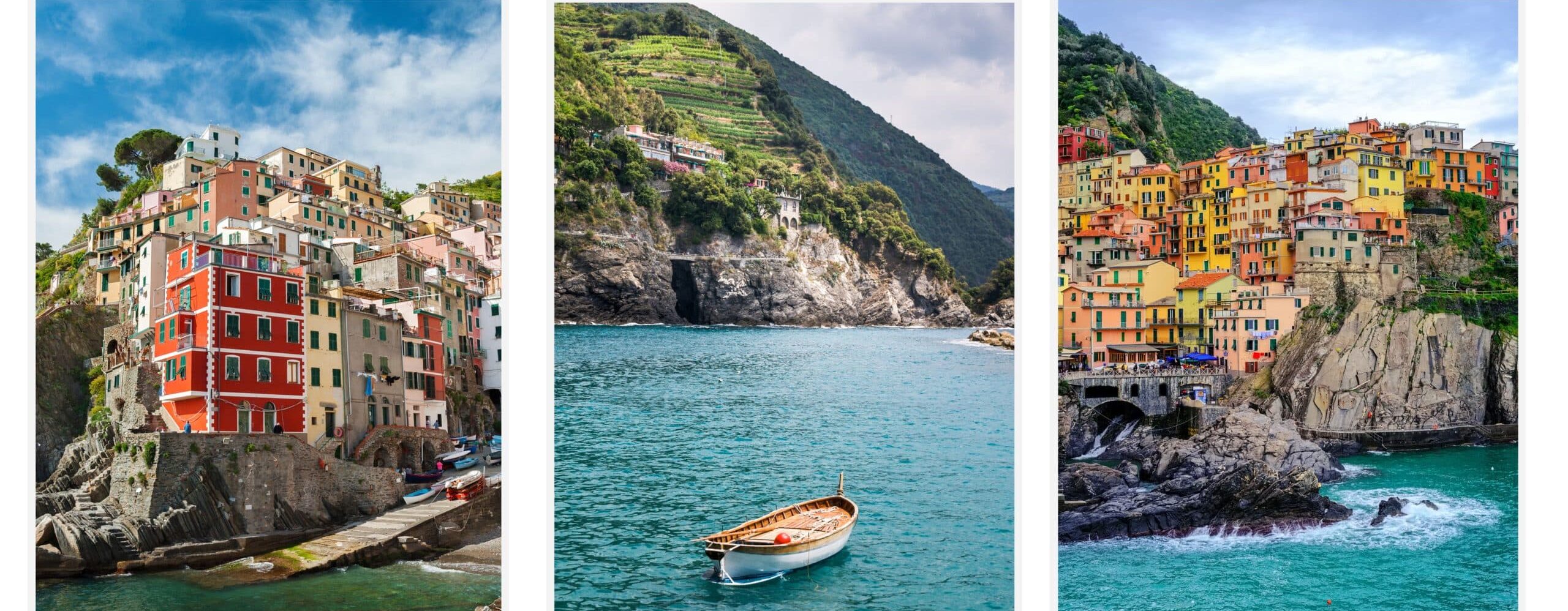
Italian streets are beautiful but not suitcase-friendly. Cobblestones, staircases, and bridges can quickly become exhausting with heavy luggage — especially in places like the Amalfi Coast or Cinque Terre.
Large cities often have multiple stations, or two airports like Milan. In Rome alone, travelers commonly confuse Roma Termini with Roma Tiburtina. Always confirm the exact departure station listed on your ticket.
VERY IMPORTANT: Paper tickets for regional trains usually need validation before boarding. You can’t get away with “I did not know“. So, look for the yellow or green validation machines on the platform. Missing this step can result in very expensive fines.
Tap-and-go payments with bank cards or phones work well in many cities, but each traveler needs their own separate card or device. One card cannot normally be used for multiple passengers.
Many highways in Italy are toll roads called Autostrade. You usually collect a ticket when entering and pay when exiting. Credit cards are widely accepted, but carrying some cash is still helpful. Follow lanes marked “Carte” for cards and avoid yellow “Telepass” lanes unless your rental car includes the system.
IMPORTANT: Some toll gates in Italy use automatic systems where the barrier may already be open or lift very quickly after detecting your vehicle. Even if the gate appears open, cameras still record your entry and exit points.
If you drive through a lane without taking the required ticket — or enter a Telepass lane by mistake — the system may later issue a payment notice or fine because it cannot calculate your correct journey normally.
Don’t worry. It doesn’t take long before you adjust and fall into the local rhythm.
Most churches require covered shoulders and modest clothing. Short shorts, crop tops, and sleeveless tops may lead to refused entry. A light scarf or shawl is one of the easiest things to carry in your bag.
In Italian restaurants, staff usually will not bring the bill automatically because dining is meant to feel relaxed. They will not hurry you. When ready to leave, simply ask for “il conto” (the bill).
In many restaurants across Italy, you may notice a small charge called “coperto” on the bill. This is a standard cover or table service fee and is completely normal. Large American-style tipping is not expected in Italy, and locals usually leave little or nothing extra.
Many of the best Italy travel tips are not obvious until you actually experience them in person.

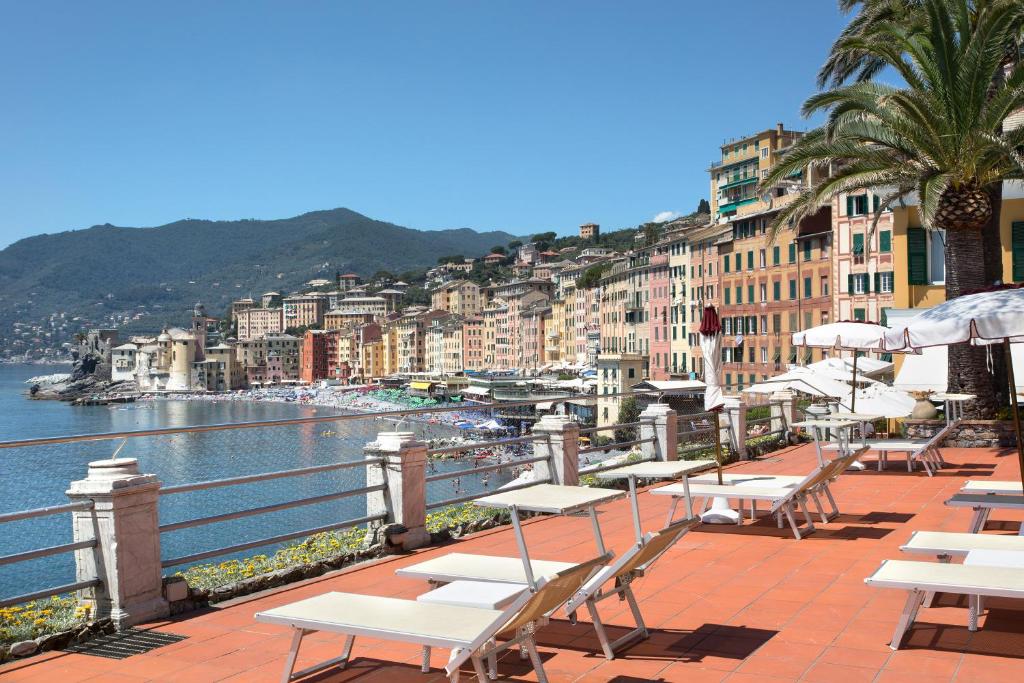
When walking along the promenade, don’t stop at the first restaurant with a view keep walking…
You need to book your taxi in advance.
Uber does operate, but not in the classic “cheap rides anywhere” way. You’ll mostly find Uber Black, which uses licensed professional drivers and higher-end vehicles. It behaves more like a private chauffeur service than a budget taxi. In cities like Rome and Milan, it can be reliable but noticeably more expensive than standard taxis.
Bolt is available in some Italian cities, but coverage is not as consistent as in parts of Eastern Europe or South Africa. Where it does operate, it often competes directly with taxis and can sometimes be slightly cheaper. However, availability can vary depending on the city and time of day.
In most of Italy, traditional taxis still dominate. Official taxi ranks are easy to find at train stations, airports, and major squares, and they remain the most dependable option for spontaneous travel.
It’s often the small Italy travel tips that end up making the biggest difference to your trip.

Some of the best travel tips are not written on signs but learned through experience on the ground.
Parking apps make parking in Italy much easier, especially in cities where you’ll see blue paid parking zones (strisce blu) and confusing street meters.
EasyPark
This is one of the most widely used apps across Italy and Europe. You can start, stop, and extend parking directly from your phone without going back to the meter. It works in many cities including Rome and Milan.
MooneyGo (formerly myCicero)
A very popular Italian app that covers street parking, public transport, and even toll services. It is widely accepted in over 500 Italian cities for blue-line parking.
Telepass
Best known for highway tolls, but also includes parking payments in many cities like Rome and Milan. It allows you to start and stop parking digitally in blue zones.
Parking zones are clearly marked with blue lines and signs showing zone codes. You open the app, select your location or zone, and start the session. Payment is automatic, and you can adjust time without returning to the car.
Many historic centres have restricted driving zones. They are called Zona Traffico Limitato (ZTL). Cameras automatically record number plates entering these areas.
Coffee is quick, standing at the bar. Sitting down often costs more because of table service charges.
You notice quickly that bathrooms are not something you’ll find on every corner, especially in smaller towns and older city centres.
Rad more about the places we love in Italy and follow us on YouTube.