Timeless Holidays: The First UNESCO World Heritage Sites
Ready for a little time‑travel? The first UNESCO World Heritage Sites are like a curated starter pack of the world’s most extraordinary places — a mix of ancient cities, wild landscapes, sacred spaces, and human ingenuity carved into stone. These were the trailblazers of 1978, the very first sites ever recognized for their outstanding universal value, and they still make for some of the most inspiring holiday destinations today.
UNESCO's Legacy of World Heritage Sites Since 1978
Grab your virtual passport; we’re about to wander through the legends, landscapes, and living histories that kicked off UNESCO’s global list.
Galápagos Islands, Ecuador
The first UNESCO World Heritage Site inscription is a group of islands in the Pacific Ocean. The Galápagos Islands showcase unparalleled biodiversity, offering unique wildlife encounters and snorkeling opportunities with marine iguanas, giant tortoises, and other endemic species.
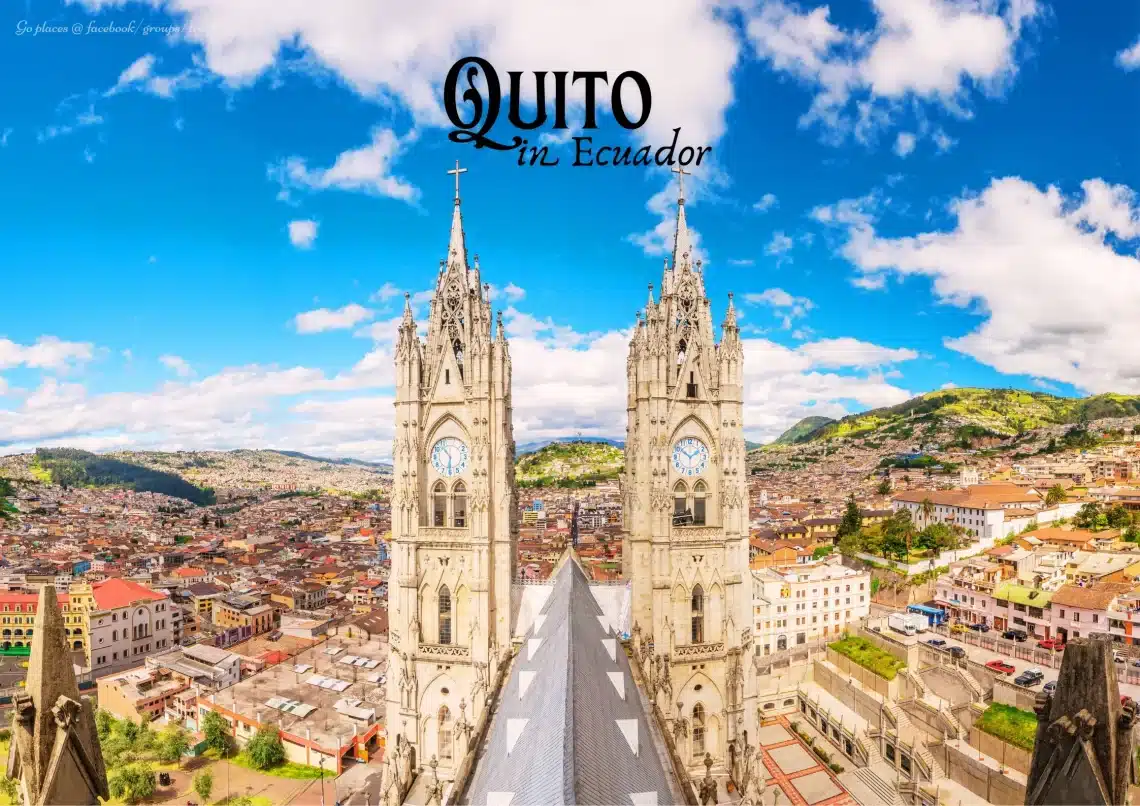
City of Quito, Ecuador
High in the Andes, Quito’s beautifully preserved historic center blends colonial charm with Indigenous heritage. Its rich architecture and vibrant cultural life still feel like a living museum today.
>> If you enjoy exploring UNESCO cities, you’ll love our travel guide to Quito, Ecuador’s cultural heart.
Aachen Cathedral, Germany
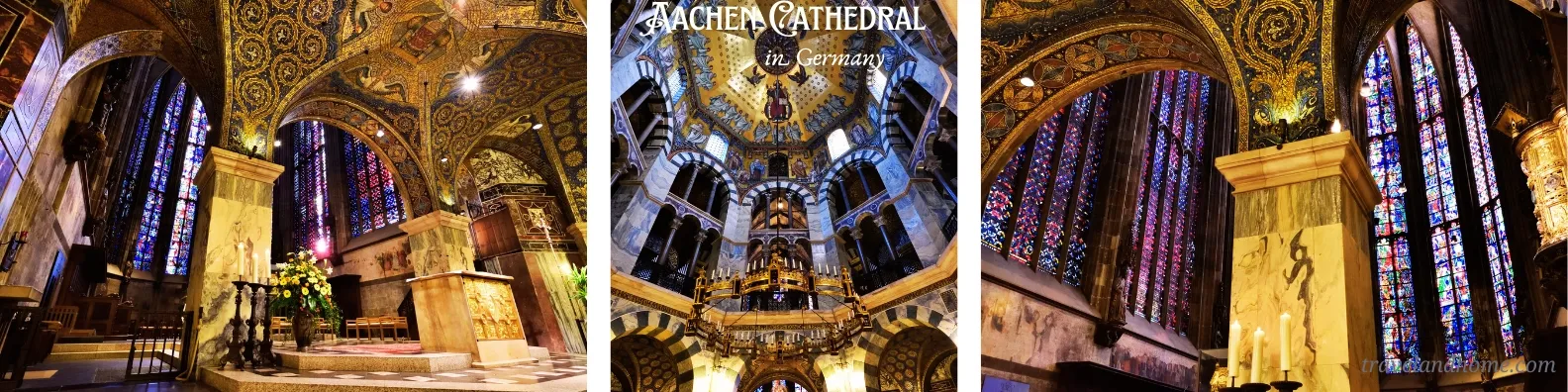
Aachen Cathedral feels like stepping straight into the late 8th century, when Charlemagne decided to build himself a palace church worthy of an emperor.
Today it’s one of Northern Europe’s oldest cathedrals, a proud UNESCO World Heritage Site, tucked into the historic heart of Aachen in North Rhine‑Westphalia.
Inside, everything whispers of power and devotion: the striped Carolingian arches inspired by Byzantine palaces, the octagonal dome, and those famous columns Charlemagne shipped in from Rome and Ravenna—many of which have miraculously found their way back after being looted during the French Revolution. The cathedral’s treasures are just as dazzling: medieval bronzes, golden artworks, the 13th‑century Marienschrein glittering with scenes of Christ, Mary, Pope Leo III, Charlemagne, and the Apostles, plus an 11th‑century golden altar frontal and a marble throne that once seated emperors. Look up, and you’ll spot the enormous wheel chandelier—over four metres across—lit only on the holiest days.
The cathedral is open daily, though you’ll want to avoid service times if you’re hoping to wander freely and soak in every detail.
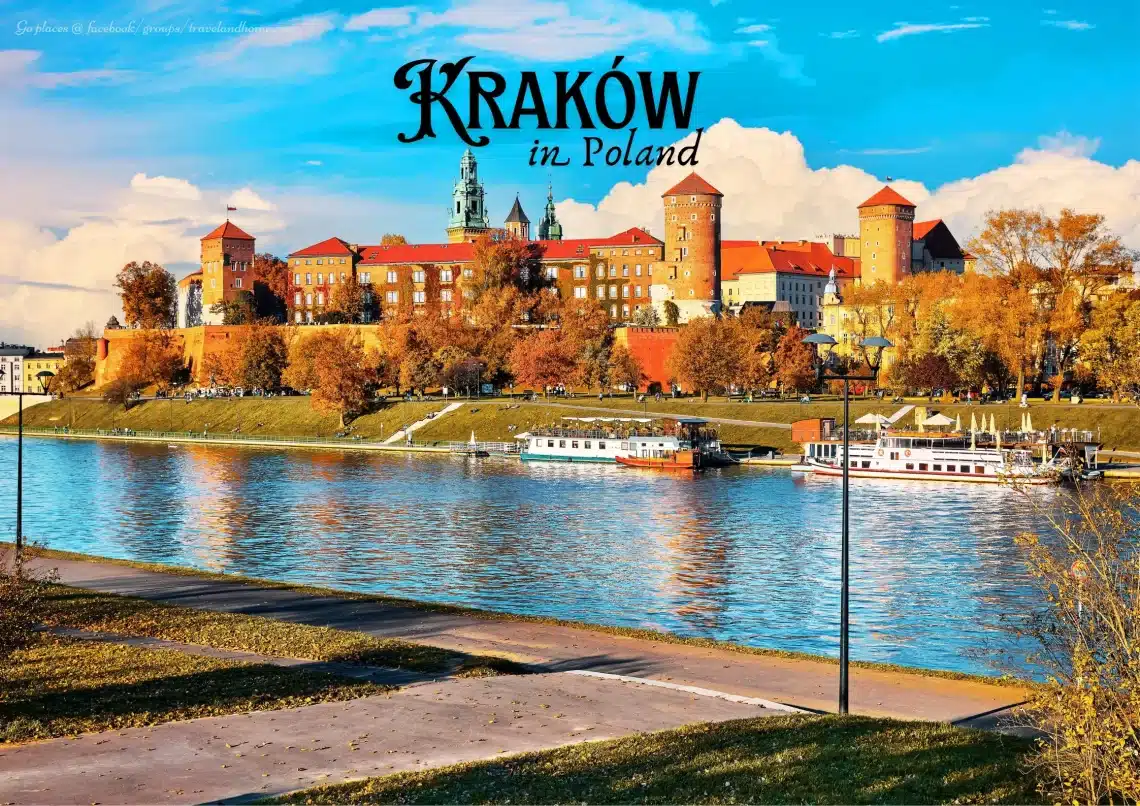
Kraków’s medieval heart — all cobblestones, soaring churches, and the iconic Wawel Castle — is one of Europe’s most atmospheric old towns. Its cultural depth and centuries‑old architecture secured its spot among the first UNESCO World Heritage Sites.
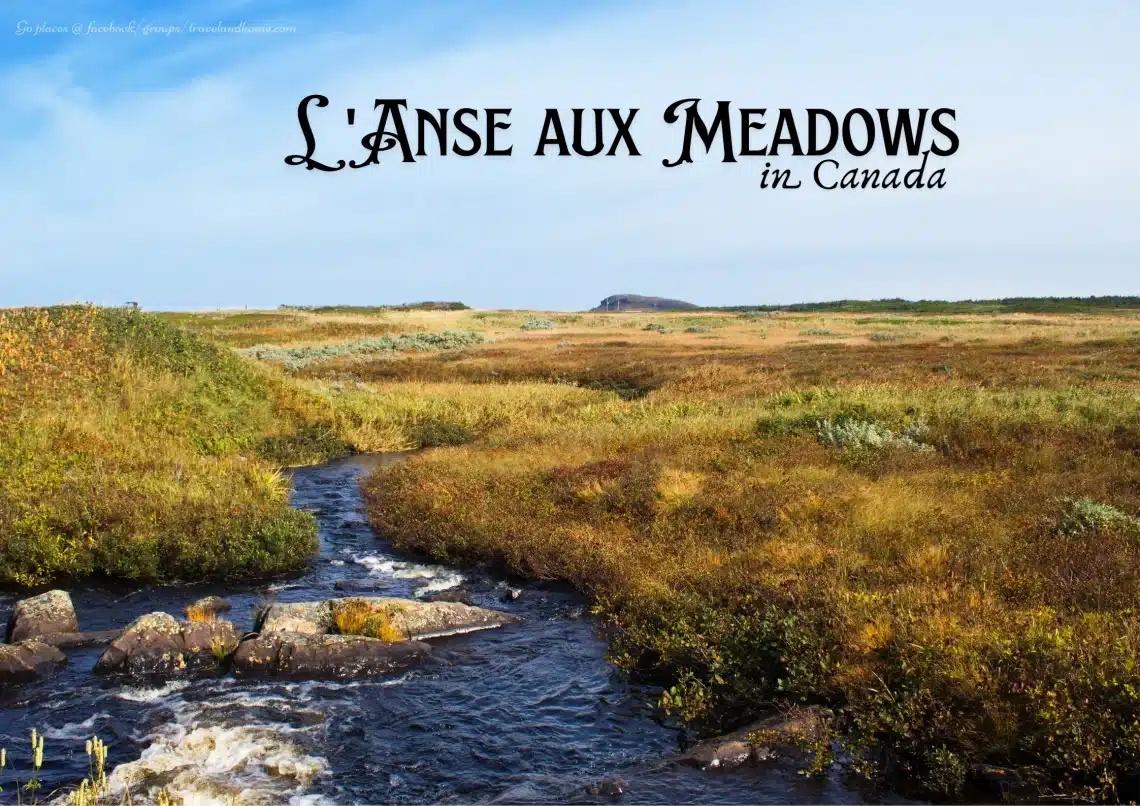
L’Anse aux Meadows National Historic Site, Canada
A well-deserved spot in the first UNESCO World Heritage Sites, we step into Canada’s early history amid breathtaking natural landscapes at the remains of a Viking settlement in Newfoundland and Labrador. If you’re fascinated by early human history, don’t miss our travel guide to L’Anse aux Meadows — the only confirmed Viking settlement in North America and a remarkable UNESCO World Heritage Site.
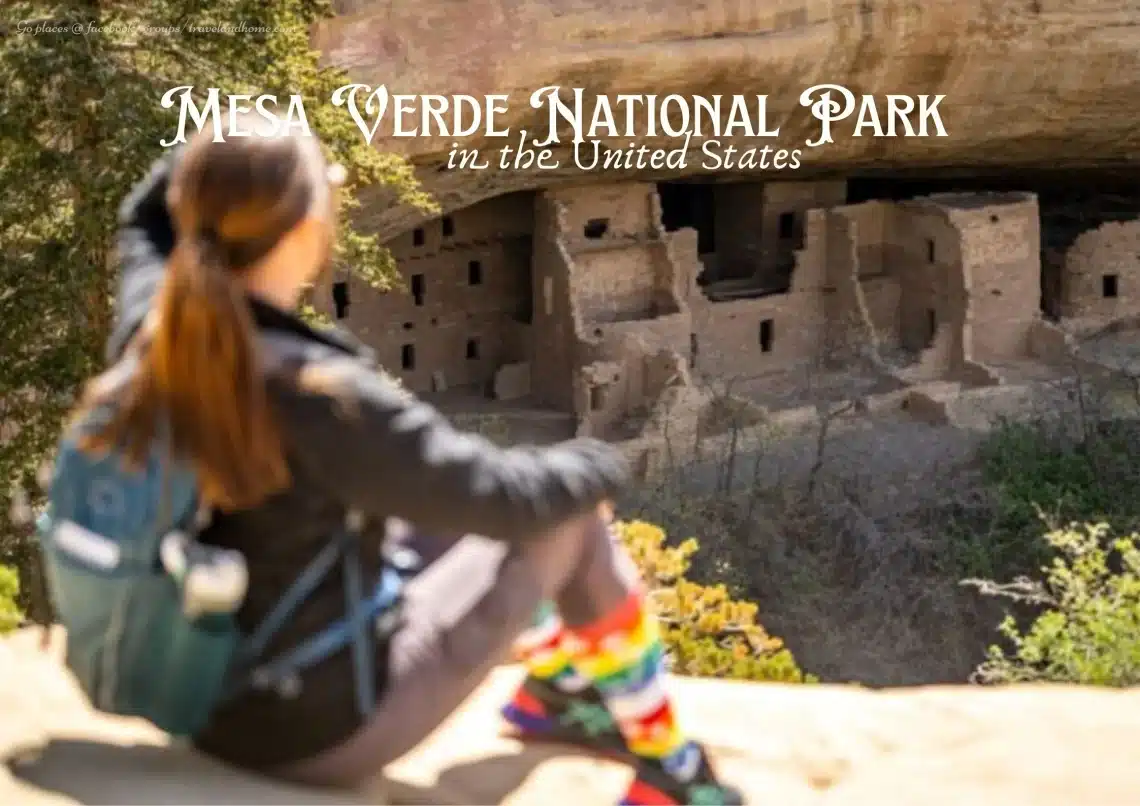
Mesa Verde National Park in southwestern Colorado, United States
Mesa Verde’s cliff dwellings, built by the Ancestral Puebloans between 600 and 1300 CE, reveal the ingenuity and resilience of the Ancestral Puebloans. The most famous of these is the Cliff Palace, the largest and most elaborate cliff dwelling in North America, showcasing the sophisticated architectural skills of its ancient inhabitants. These remarkably preserved homes, tucked into sandstone alcoves, were homes to the people of Mesa Verde for over 700 years.
The Ancestral Puebloans used stone, mud, and wood to create their dwellings. Their unique building methods allowed them to construct complex multi-story buildings that were both functional and integrated with the natural landscape, utilizing the natural alcoves and caves of the cliffs.
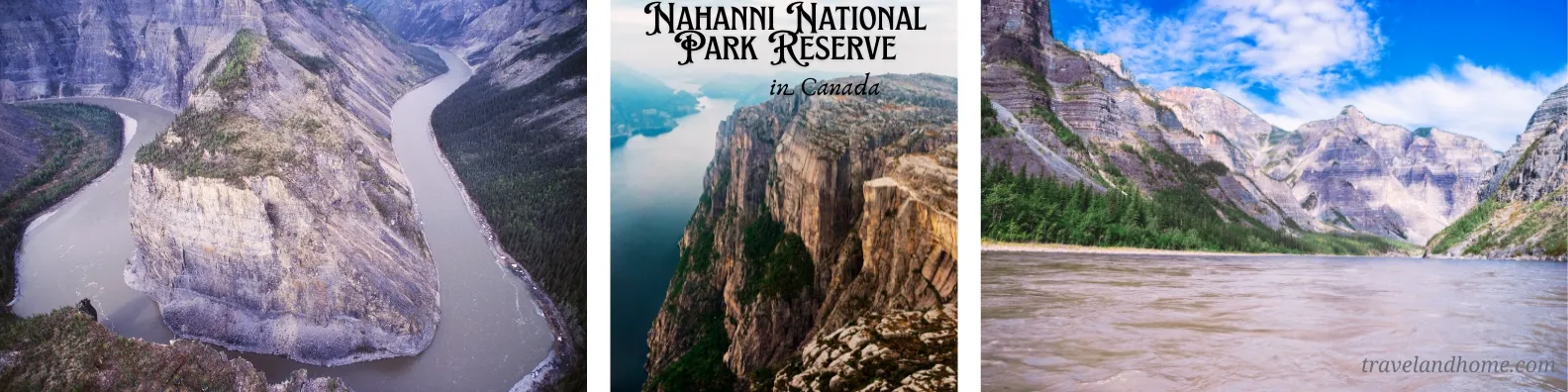
From towering canyons to the thundering Virginia Falls, Nahanni is a wilderness of superlatives. With its untouched beauty and geological significance, Nahanni National Park is a true northern treasure.
📍 Nahanni National Park Reserve #1, Northwest Territories, Canada
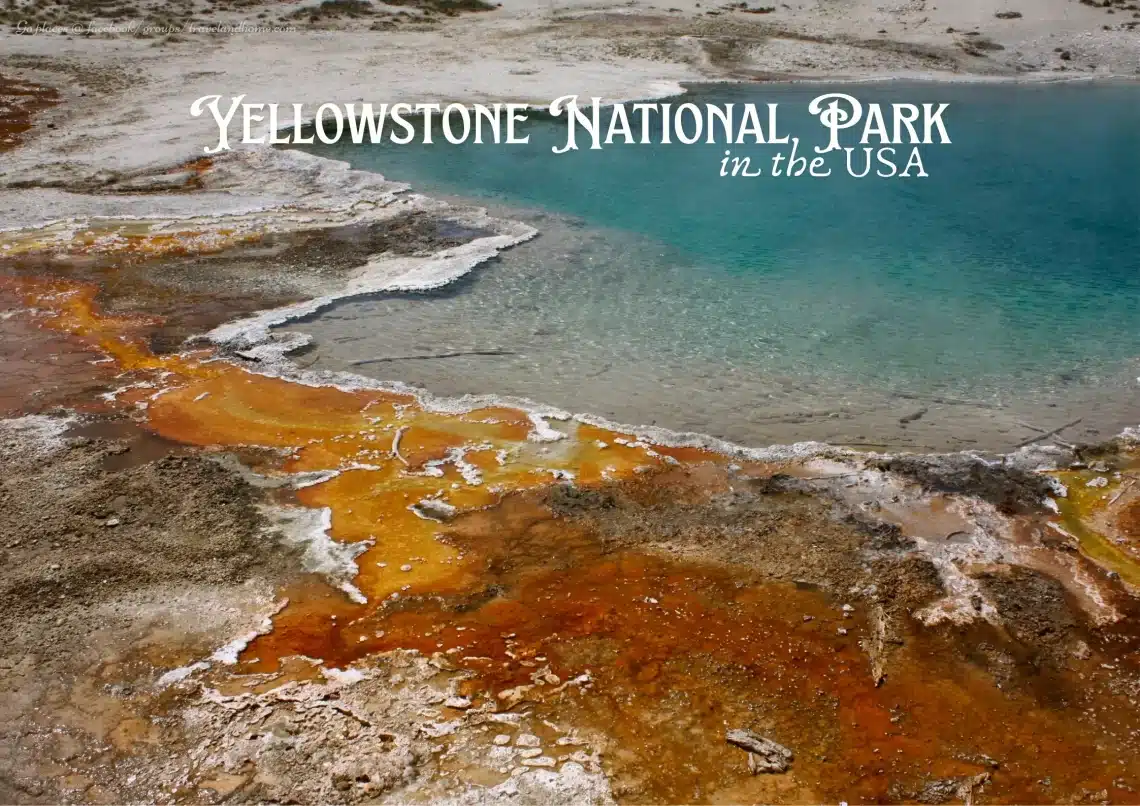
Yellowstone National Park, USA
Geysers, hot springs, wildlife, and vast wilderness — Yellowstone is nature at its most dramatic. The world’s first national park showcases Earth’s geothermal power in unforgettable ways.
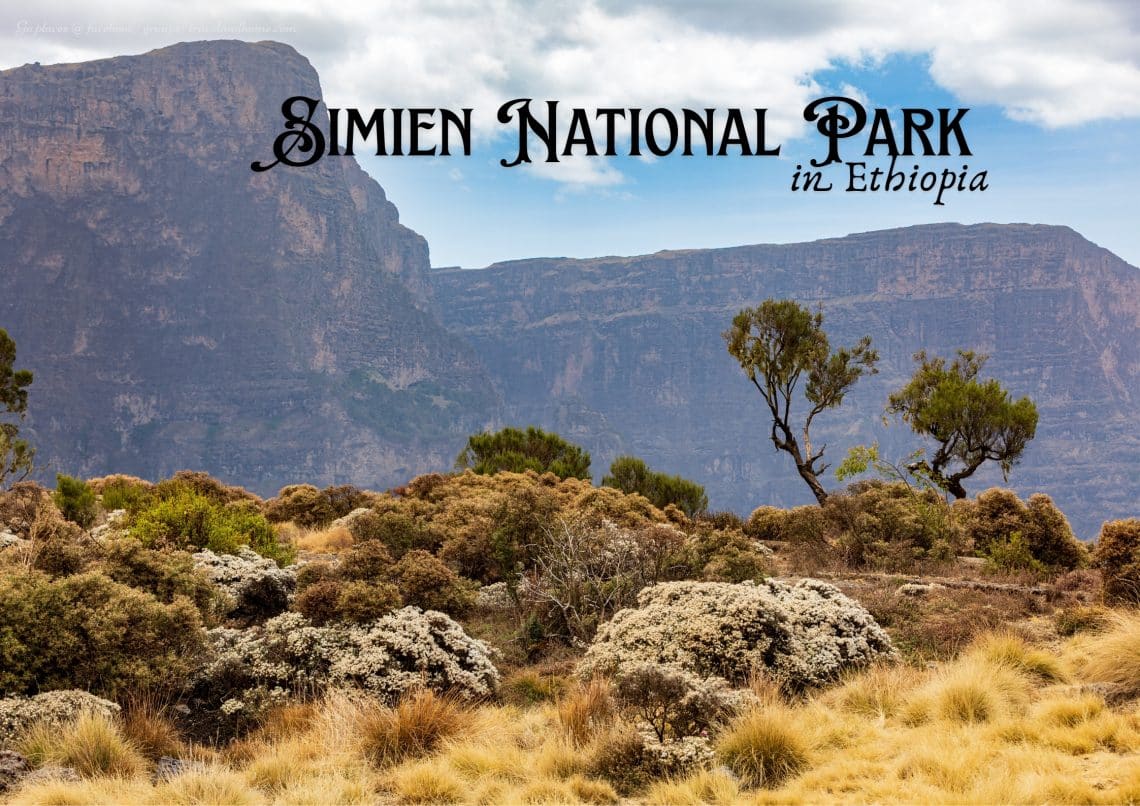
Simien National Park, Ethiopia
The dramatic peaks and plunging valleys of the Simien Mountains create one of Africa’s most breathtaking landscapes. With rare wildlife like the gelada baboon and scenery that feels almost prehistoric, it’s no surprise this park was included in the first UNESCO World Heritage Sites.
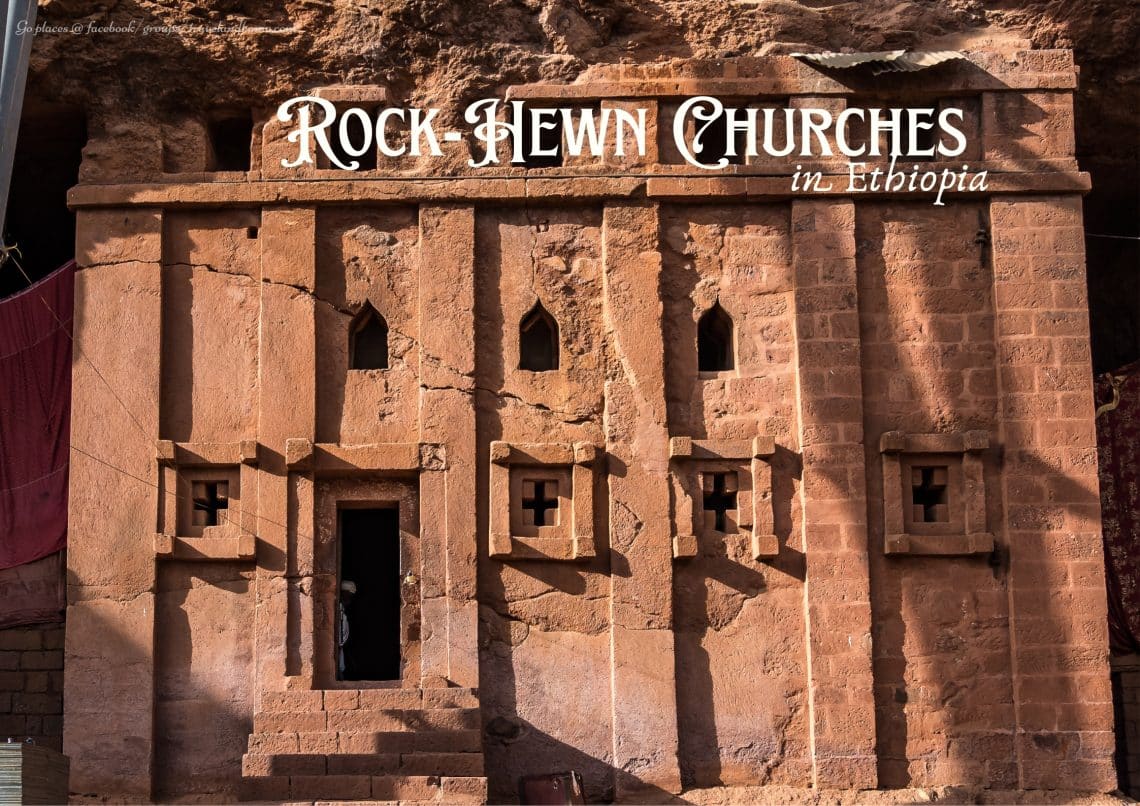
Rock-Hewn Churches, Lalibela, Ethiopia
High in northern Ethiopia, Lalibela’s extraordinary rock‑cut churches feel like a sacred city carved straight from the earth. These 12th–13th‑century monolithic masterpieces — still active pilgrimage sites — showcase Ethiopia’s ancient Christian heritage.
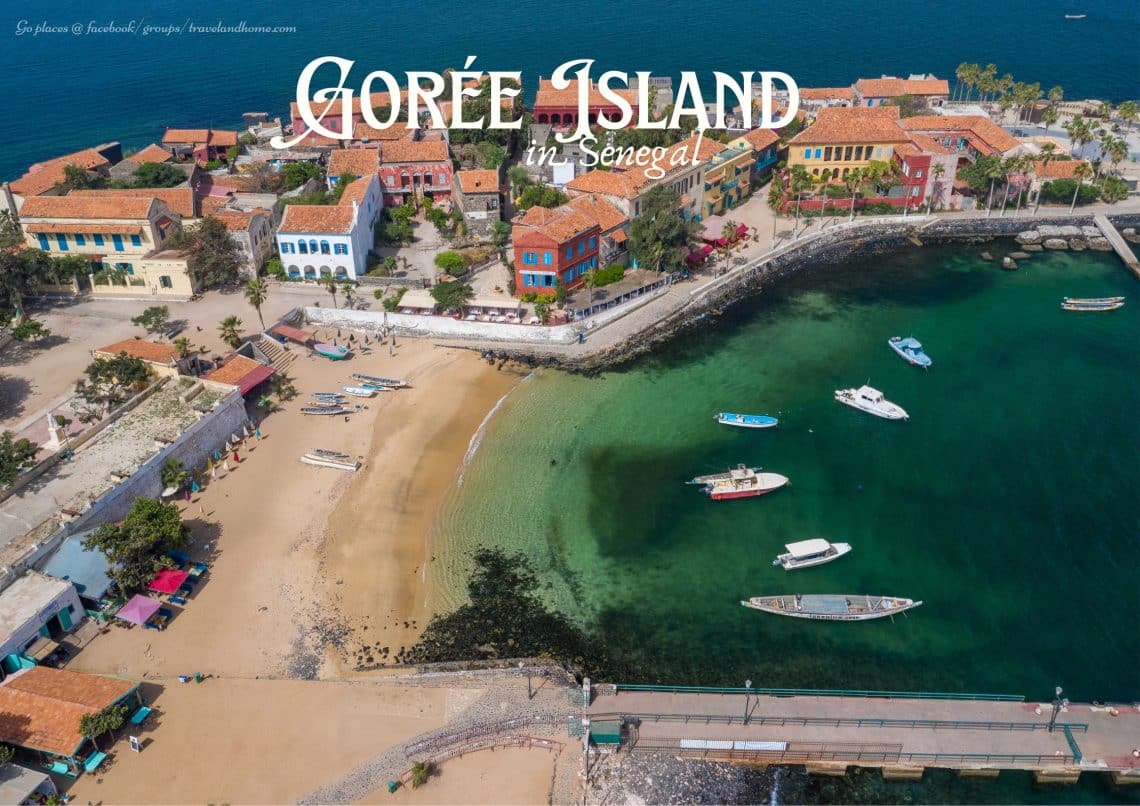
Gorée Island, Senegal
Gorée Island invites reflection with its preserved buildings and museums that bear witness to the transatlantic slave trade.
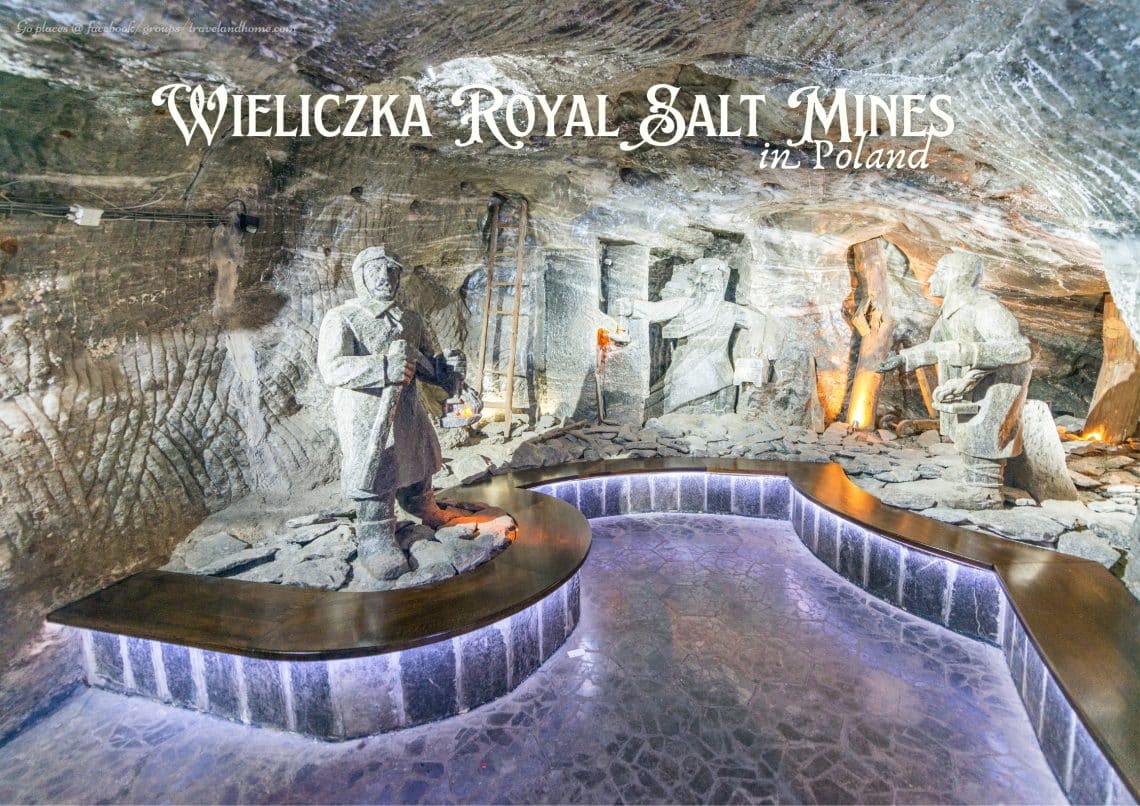
Wieliczka Royal Salt Mines, Poland
These extraordinary underground worlds — complete with chapels, sculptures, lakes, and centuries of mining history — are unlike anything else in Europe.
Exploring the first UNESCO World Heritage Sites is like tracing the opening chapter of a global love letter to culture, nature, and human creativity. From cliff dwellings and cathedral domes to volcanic islands and ancient highland churches, each site tells a story that still resonates across centuries. And the best part? This is just the beginning. The World Heritage List has grown into a tapestry of wonders — and these first twelve remain its timeless anchors, inviting us to keep exploring, learning, and celebrating the beauty of our shared world.
Travel To UNESCO World Heritage Sites
Journey through the rich tapestry of history and culture by exploring UNESCO World Heritage Sites worldwide. Immerse yourself in the timeless beauty and significance of these protected treasures. Join us on an unforgettable exploration of heritage, one site at a time.