

The Island of Mauritius offers a lot as a travel destination
To fully describe Mauritius and the experience of a holiday to this beautiful island, would take up a whole website by itself. There are so many beautiful and fascinating things to discover, and that is exactly why you should go on holiday to this mesmerizing island. Not only to relax but also to explore.

Let’s try and answer a few of your most frequently asked questions and give you a few hints and tips…
Mauritius is an island nation situated in the Indian Ocean, approximately 1,100 kilometers (680 miles) east of Madagascar and off the southeastern coast of the African continent.
The Island of Mauritius is known as a romantic paradise for honeymoon couples, but in fact, it is also a very family-friendly holiday destination. Both inland and on the coast, the island is beautiful: Offering beautiful rainforest-like vegetation and immaculate beaches and lagoons, a coastline that is safe and clean, as well as many fascinating lagoon areas.
At some spots on the island, you would be thinking you are in South Africa. The vegetation and some of the sites feel very much like home to South Africans. So if you’re living in South Africa, this might be the perfect island holiday destination for you.
7 to 10 days is the ideal duration for a trip to Mauritius. This timeframe allows you to balance sightseeing and ocean activities without feeling rushed.

The best time to visit Mauritius is generally from May to November, when the island’s weather is cooler and drier. September to November is particularly appealing for a beach holiday, as these months are among the driest, while temperatures remain pleasantly warm.
Mauritius has a warm tropical climate throughout the year, so there isn’t really a bad time to visit. The main difference is between the warm, wetter summer from November to April and the cooler, drier winter from May to October.
This is a great period for exploring the island, sightseeing and enjoying the beaches without the hottest summer temperatures. Coastal daytime temperatures are generally around 22–28°C, although June to September can feel cooler and windier.
September, October and November are especially worth considering. October is normally the driest month, and September–November are among the driest months overall.
If you love hot weather and warm sea temperatures, the summer months are attractive. Coastal daytime temperatures are generally around 28–33°C, with warm water for swimming and diving. The trade-off is more humidity and a greater chance of rain, particularly in January to March.
KEEP IN MIND: This period also falls within the South-West Indian Ocean tropical cyclone season, officially 1 November to 15 May, so weather conditions can occasionally disrupt travel plans.
For a first visit, I’d look at September, October or November: warm enough for the beach, generally drier, and comfortable for exploring the island as well.

Yes, you can swim in the ocean year-round in Mauritius, as the surrounding tropical waters remain warm continuously.
During the summer months (November to April), sea temperatures hover around a balmy 26°C to 29°C (79°F–84°F), creating ideal conditions for extended swimming and watersports.
Even during the cooler winter period (May to October), water temperatures rarely drop below 23°C to 25°C (73°F–77°F), which is still comfortably warm for most beachgoers.
The island’s sheltered west and north coasts offer calm, protected lagoons that make year-round swimming pleasant and accessible.
TRAVEL TIP: The sun is strong. Even when a breeze makes the temperature feel comfortable, you can burn quickly. Sun protection and plenty of water are essential.
Mauritius is safe to explore on your own. But, going with a tour group is much more fun. Explore and see places like Port Louis, Grand Baie, Quatre Cocos, Trou Aux Cerfs, Chamarel, and many more without stressing about the logistics. Just join a tour group of 10 or 50 people. (You can decide.)
TRAVEL TIP: Don’t stay on the beach all day. Mauritius has beautiful lagoons, but the island also has mountains, waterfalls, gardens, markets, villages and interesting food. Hiring a car or booking a few excursions makes it much easier to see more.
Self-Guided Exploration: A rental car offers total freedom to visit secluded beaches, stop at roadside stalls, and explore nature spots like the Black River Gorges or Chamarel at your own pace.
Cost Savings for Active Travelers: If you plan to move around daily or stay in self-catering accommodation outside major resort areas, renting a small car is often cheaper than paying for multiple taxis every day.
Driving Reality: Vehicles drive on the left side of the road. Main highways are well-maintained, but inland roads can be narrow, winding, and poorly lit at night.
Resort-Focused Holidays: If you stay at an all-inclusive resort and only plan to leave once or twice for major sightseeing, pre-booking transfers or hiring a private driver for a day trip is much simpler than managing a rental.
Exploring Cities & Nightlife: Driving in dense urban areas like Port Louis involves heavy traffic and limited parking. Taxis are better for evenings out if you plan to enjoy drinks along coastal strips like Grand Baie or Flic-en-Flac.
Dhall Puri & Farata: Soft, thin flatbreads filled with crushed yellow split peas and served with butter bean curry, tomato rougaille, and chutneys. This is the island’s most popular street food.
Mauritian Fish or Chicken Curry: A fragrant, lightly spiced curry made with a unique local curry powder blend, usually served with steamed rice, lentils, and pickles.
Rougaille: A foundational Creole tomato sauce stewed with garlic, ginger, onions, thyme, and chillies, combined with sausage, fish, prawns, or paneer.
Mine Frit: Mauritian-style fried egg noodles tossed in soy sauce with cabbage, carrots, spring onions, and chicken, beef, or seafood, topped with strips of rolled omelet.
Gateaux Piments: Crunchy fried chili bites made from ground split peas, fresh chillies, and coriander, popular as a morning or afternoon snack.
Heart of Palm Salad (“Millionaire’s Salad”): Delicate, fresh palm heart sliced thin and tossed with citrus dressing, herbs, and smoked fish or seafood.
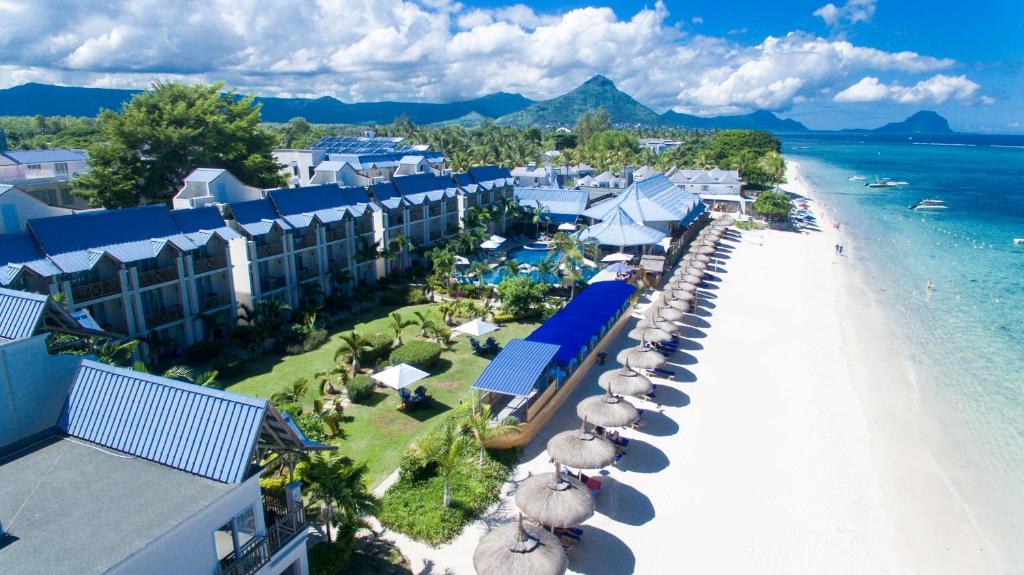
TRAVEL TIP: Plan a little, then leave room to relax. One of the pleasures of Mauritius is having nowhere urgent to be — a long lunch, a quiet beach, an evening watching the sunset or simply enjoying the view from your accommodation can become part of the holiday.
There are plenty of beautiful hotels and resorts in Mauritius. However, the side of the island you choose can make a big difference to your holiday. Read more about where to stay in Mauritius and find the area that suits your plans.
TRAVEL TIP: Although you are on a tropical island and maybe staying in a beach resort, do keep in mind that in some places (like temples and hotels) there might be a dress code. It is always wise for the ladies to have a sarong with you just in case.
When booking accommodation, spoil yourself and give yourself peace of mind by booking at a well-known resort or hotel. Here you will find many activities for the kids as well, which in return will give the parents more time to relax. Furthermore, you will be sure to have a great time at a trusted venue.
There is no shortage of luxury resorts, family resorts, honeymoon destinations, hotels, lodges, you name it…
The Resorts and Hotels on Mauritius island are truly beautiful places and most of them have amazing views. You will also enjoy the local cuisine.
The West and South-West sides of Mauritius are perfect for snorkeling, diving, kayaking, pedal boats, and sailing, due to its beautiful lagoon areas.
The Black River Gorges National Park, Casela Nature Park, and the Chamarel Seven Colored Earth Geopark are popular sightseeing spots. Stop at the Pamplemousse Garden with its giant water lilies – this is a famous Instagram Photo Spot.
Curious Corner House of Chamarel: A house of fun-filled with illusions and fun adventures. Here you can explore the wonderful world of optical illusions. A stop here offers lots of unique and fun photo opportunities. Walk through the mirror maze or take photos in the ‘upside-down room’.

Within the Ebony Forest Reserve in Chamarel you will see many of the animals in their natural habitat.
Visit the Mauritius Photography Museum, the Mauritius Aquarium or if you love history, the Aapravasi Ghat – A UNESCO World Heritage Site. (Visit one of the key monuments in Mauritian History. This Immigration Depot is a building complex located in Port Louis.)
You can visit the glass factory and witness glass blowing or go on a rum-tasting adventure at the Rhumerie de Chamarel Distillery.
There are many more tours you can book with lots of fun adventures. Below are some recommendations for fabulous activities. Book online to skip the queue like we do…
A dramatic basaltic rock peak with caves which is home to luxury resorts and a beautiful beach. This UNESCO World Heritage Site is situated on the extreme South West side of the island.
If at all possible book a helicopter ride over the Le Morne Underwater Waterfall. (Photo to your right) It is simply amazing and definitely worth seeing. This spectacular waterfall, an optical illusion, is located near the shores of Le Morne Brabant in the South-West of Mauritius. The movement of sand and silt sediments due to powerful underwater currents creates the illusion of a waterfall in the sea.

Port Louis is the capital city of the island and was founded in 1735. Located on the Northwest Coast of the island, it is busy both day and night.
Although Mauritius is a favorite among divers, Rodrigues (560 km northeast of the island) is a paradise for divers. Surrounded by a crystal clear lagoon with beautiful sea life, this is the perfect place to scuba dive.
The Caudan Waterfront is a bustling, lively seafront with restaurants serving a wide range of cuisines.
Mauritius is small enough to explore beyond your resort, and some of the island’s best experiences make wonderful day trips. You can combine beaches with mountains, waterfalls, gardens, markets and boat trips, giving you a much better feel for the island.
A day around Chamarel is one of the most scenic outings you can make. Combine the Seven Coloured Earth, Chamarel Waterfall and the surrounding mountain scenery, then continue towards Black River Gorges National Park. The park has rainforest, viewpoints, waterfalls and more than 50 km of trails.
Take a boat across the lagoon to Île aux Cerfs on the east coast. The island is known for its white beaches, clear lagoon and watersports, making it an easy choice for a relaxed island day.
Spend a day exploring the capital, particularly the Central Market, waterfront and local food scene. This is a good choice when you want to see a more everyday side of Mauritius rather than spending another day at the beach.
Head towards Le Morne Brabant for some of the island’s most spectacular scenery. Even if you don’t climb the mountain, the drive around the southwest gives you beautiful views of the mountain, lagoon and coastline. The area is also known for its beaches and kitesurfing.
For something completely different, explore the island’s tea-growing region. Bois Chéri is part of Mauritius’s tea route, where you can see plantations and learn more about the island’s tea production.
Boat and catamaran trips from the north can take you to offshore islands such as Îlot Gabriel, with beautiful beaches and clear water. This makes a particularly enjoyable day when the sea conditions are good.
Visit Trou aux Cerfs, a dormant volcanic crater near Curepipe, for panoramic views across the island. You can combine this with other central Mauritius attractions for a day away from the coast.
Explore the quieter east, stopping at places such as Trou d’Eau Douce and Central Flacq Market. The east is also home to long beaches, lagoons and small villages.
A useful tip: don’t try to squeeze too many attractions into one day. Mauritius may be relatively small, but a relaxed day combining two or three nearby places is usually much more enjoyable than racing around the island.