Where to Travel in Europe: Spring, Summer, Autumn + Winter
It all depends on what you want to do in Europe.
If you’re into snow skiing, the best time to travel to Europe is in winter. Ski holidays in the Alps are a winter wonderland. Conversely, beach holidays on the Greek islands are a summer-sun-kissed experience you won’t easily forget!
But let’s have a look at the best places to have a well-deserved holiday, according to the seasons.
Europe in the Spring
Having lived most of my life on a different continent, it was an absolute treat to experience the Spring season in Europe. This time as a resident. Previously, I enjoyed the season as a tourist.
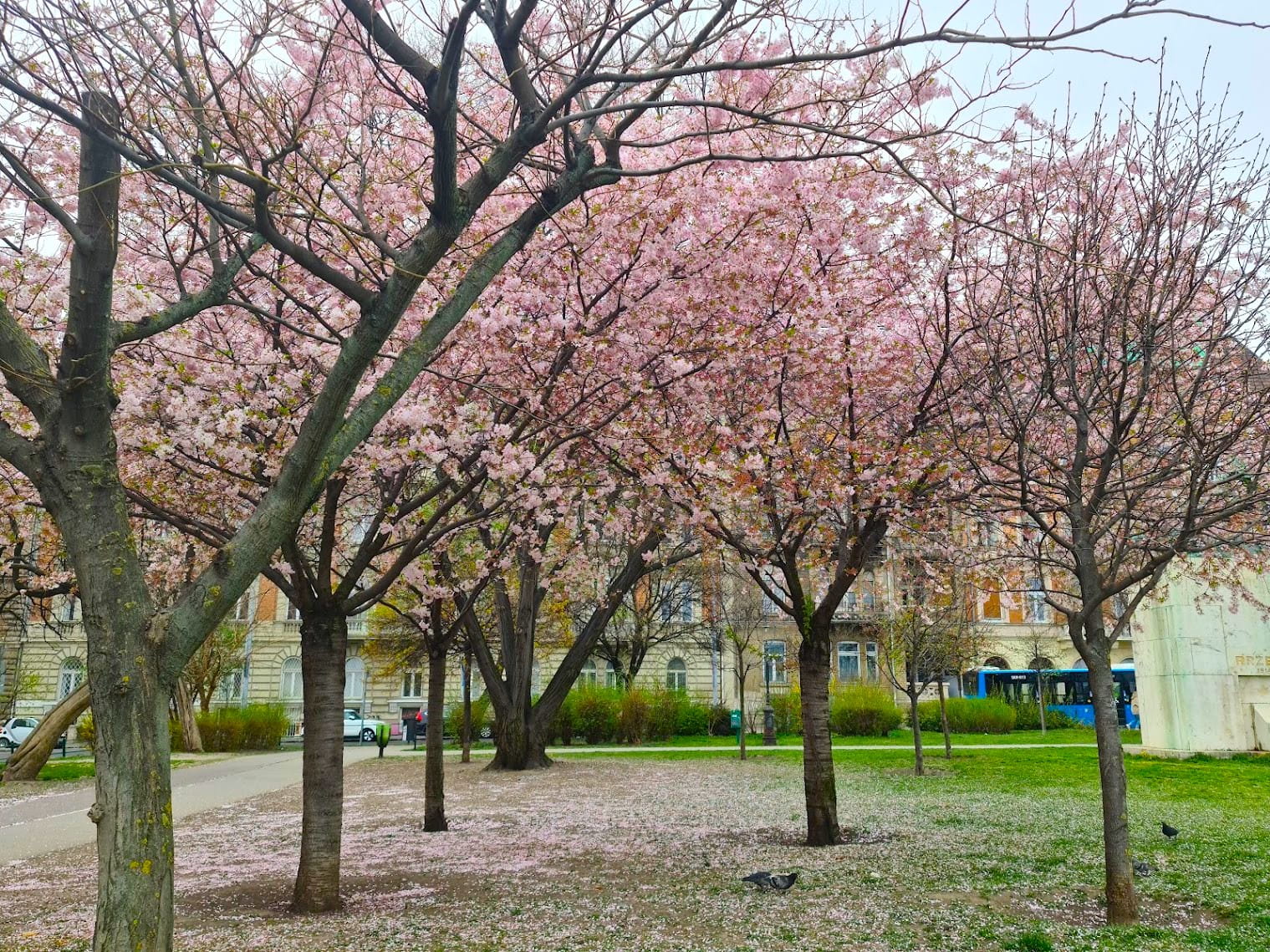
Whether as a resident, citizen, or tourist, one thing is a fact: Europe is beautiful in the Spring (March to May). It’s the one continent where clearly, nature conservation shows. Europe has no shortage of trees blossoming in the streets, around every corner.
The Spring climate is ideal to travel if you don’t like the heat that comes with the summer months. Daytime temperatures are pleasant while at nighttime, you need something warmer. But not nearly as cold as the winter, of course.
Budapest for Europe's Largest Spring Complex
Hungary is the land of thermal spas! It is customary to soak away your troubles in warm mineral waters. This is customary to create a balanced life in Hungary. Budapest, known as the City of Baths, has over a hundred thermal springs, among them the more popular Gellert Spa (set in a historic 1918 building with beautiful architecture) and Széchenyi Thermal Spa(Europe’s largest thermal spring complex, perfect for relaxing and revitalizing).
And don’t forget Budapest’s cherry blossoms!
Budapest has many lovely cherry blossoms from late March to mid-April. While it is not an entire city of pink like parts of Japan, several specific parks and promenades burst into stunning shades of pink and white during the spring season. The famous walking path near Buda Castle is lined with rows of pink Japanese cherry trees, offering great city views. ELTE Botanical Garden (Füvészkert) hosts an annual Sakura Festival when its collection of cherry trees blooms.
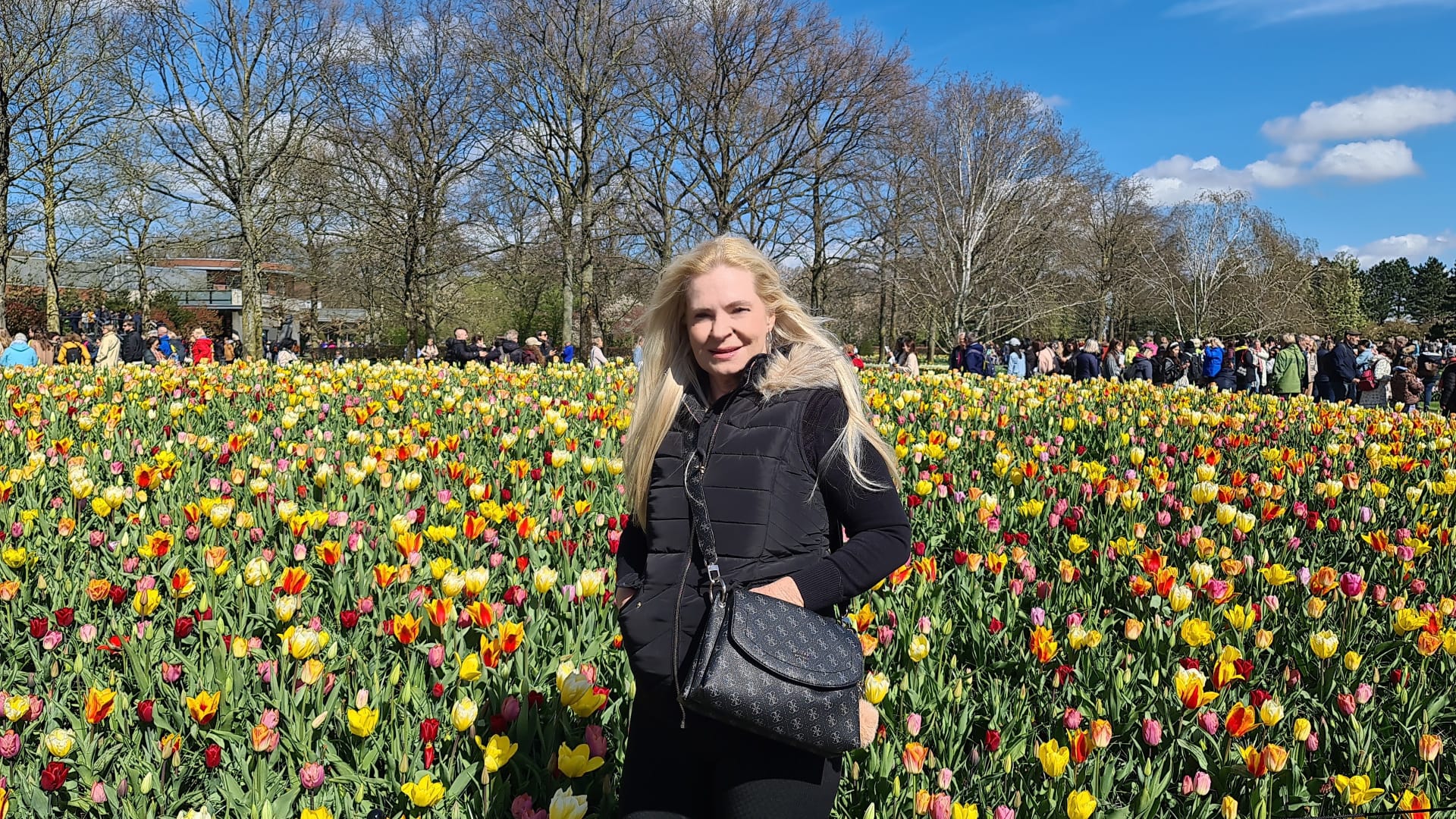
Keukenhof, Known as the "Garden of Europe"
Keukenhof in Lisse, Netherlands, is widely considered one of Europe’s absolute best spring destinations. It spans 32 hectares and showcases roughly 7 million flowering bulbs, including 800 varieties of tulips, making it the largest flower garden in the world.
World-Class destinations to enjoy the European Summer
Positano, the Amalfi Coast, and Bonifacio are world-class summer destinations from June to August, offering dramatic cliffside views, azure waters, and rich Mediterranean culture. The catch is that they are extremely crowded and you pay high peak-season prices. And in Bonifacio (Corsica, France), parking and port-side dining can be very expensive, and walking the steep staircases under July heat can be tough. That said, Positano and the Amalfi Coast’s pastel houses stacked on vertical cliffs, combined with world-renowned Italian cuisine and romantic beach clubs, are unforgettable. Bonifacio rewards your damaged wallet with stunning turquoise waters and a dramatic medieval citadel perched on white limestone cliffs. A sight to behold.
Travel Tip: The narrow Italian coastal roads jam easily; use ferries to move between towns instead of driving.
Sun‑soaked moments on the water, with Bonifacio’s medieval citadel keeping watch from the cliffs behind us.
Europe’s Autumn Secret
September to November still gives you a lot to do in Europe. Especially in September, when the summer heat has dropped off. September is a great month to travel to Europe if you want to avoid the school holidays. This is because the new school year usually starts in the first week of September. The queues are shorter, and accommodation is available at much lower prices than during the peak summer season. The sailing season is generally still open, so you can enjoy all the summer benefits, but with less summer heat.
I believe that one of Europe’s greatest secrets is Estonia. Estonia is a fantastic, underrated destination for a European autumn. The off-season brings gorgeous russet foliage, peaceful medieval towns without the summer crowds, and unique outdoor traditions like bog-walking and foraging.
And as temperatures drop, Estonia’s rich spa and sauna culture provides a warm, relaxing retreat in towns like Pärnu or Narva-Jõesuu.
Travel Tip: October was already quite chilly. I’d go back in September.
Wandering through Tallinn’s old town in the hush of autumn, where russet leaves soften the medieval stones and the whole city feels like one of Europe’s most underrated treasures.
The best place to spend winter in Europe
The “best” place to spend winter (December to February) in Europe depends entirely on whether you want warm sunshine or a snowy alpine wonderland. Top choices include Tenerife in the Canary Islands for reliable warmth, Lapland(Finland) for ultimate snow and the Northern Lights, and the Austrian Alps or Zermatt(Switzerland’s iconic luxury chalet town right beneath the dramatic Matterhorn peak) for classic ski culture. Known as the “Queen of the Dolomites,” Cortina d’Ampezzo(Cortina, in short) is also absolutely worth it in winter, but only if you value scenery, luxury, culture, and cuisine as much as (or more than) intense skiing. Cortina is famous for its jaw-dropping pink-tinted peak views.
Travel Tip: Breuil-Cervinia gives you access to the exact same mountain network as Zermatt for a fraction of the cost, but the experience off the slopes is entirely different. Because they are physically linked by the Matterhorn Ski Paradise lift system, you can sleep in Italy, ski into Switzerland for the morning, and head back for a budget-friendly Italian dinner.
Caught on camera - that moment in Cortina d’Ampezzo when an unexpected tumble left him more surprised than bruised.
Every season brings its own standout destinations — choose the one that matches your travel style, and Europe will do the rest.