
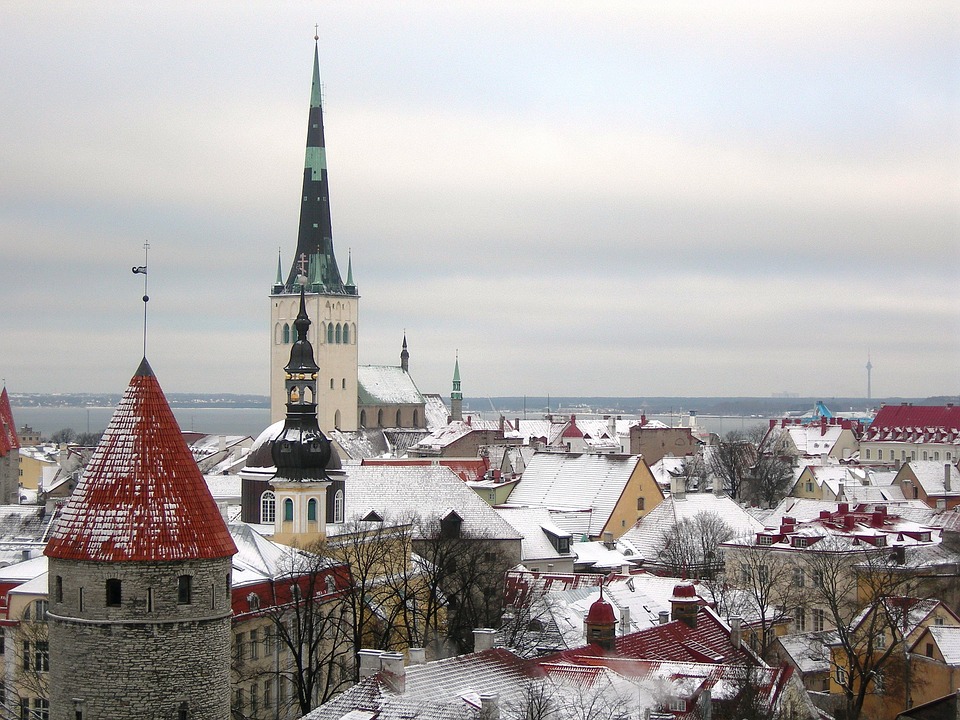
Tallinn, Estonia, is a beautiful city to explore on foot, with a wonderfully atmospheric Old Town at its heart. Cobblestone streets lead to colourful buildings, quiet courtyards, cosy cafés and viewpoints overlooking the red rooftops. But don’t spend your whole visit inside the Old Town. There are leafy parks, creative neighbourhoods and a lovely waterfront to discover too. Give yourself two or three days and you can enjoy Tallinn at an easy pace, with plenty of time to stop for coffee, take photographs and simply enjoy the city.
Country: Estonia
Capital: Tallinn
Region: Northern Europe / Baltic region
Currency: Euro (€)
Language: Estonian
Best known for: Its medieval Old Town, viewpoints, cafés, colourful streets and Baltic Sea waterfront
Ideal stay: 2–3 days
Getting around: The Old Town is best explored on foot; buses and trams are useful for reaching areas farther out
Airport: Tallinn Airport, about 4 km from the city centre
Best time to visit: Late spring to early autumn for mild weather and long days; December for the Christmas atmosphere
Yes. Although Estonian is the official language, English is widely spoken in Tallinn, especially in hotels, restaurants, shops and places visitors are likely to use. You should have no problem getting around and communicating during your stay.
Tallinn is the capital of Estonia, in Northern Europe on the Baltic Sea. It sits on the Gulf of Finland, across the water from Helsinki, Finland, making it an interesting stop on a Baltic or Nordic itinerary.
For international visitors, fly into Lennart Meri Tallinn Airport (TLL),
Estonia’s main international airport. Tallinn has direct connections with many European cities, including Helsinki, Stockholm, Riga, Warsaw, Copenhagen, Frankfurt, Amsterdam, London, Paris, Munich and Istanbul. Flight schedules vary by season, but the network has expanded considerably in the last year.
If you’re heading to Finnish Lapland, Tallinn can make an interesting extra stop. Spend 2–3 days in Tallinn, take the ferry to Helsinki, then continue north to Rovaniemi. It gives you a lovely contrast between Tallinn’s medieval Old Town, Helsinki’s seaside setting and the snowy landscapes of Lapland.
One important point: I wouldn’t describe Tallinn as being on the way to Rovaniemi. It’s a detour that is quite easy to combine, particularly if you like the idea of seeing more than one destination on the same trip.
Tallinn has an easy network of buses, trams and trolleybuses, making it simple to reach places outside the Old Town. For many short stays, you may not need a transport card at all, as tickets can be purchased using other available methods.
For a first-time visitor staying mainly in central Tallinn, I’d keep it simple: walk around the Old Town, and use the tram or bus when you want to explore farther afield.
Estonia is a small country with plenty to discover, but Tallinn is where many first-time visitors begin. The Old Town is the star attraction, with cobbled streets, colourful buildings, old city walls and beautiful views from Toompea Hill. It is also a UNESCO World Heritage Site.
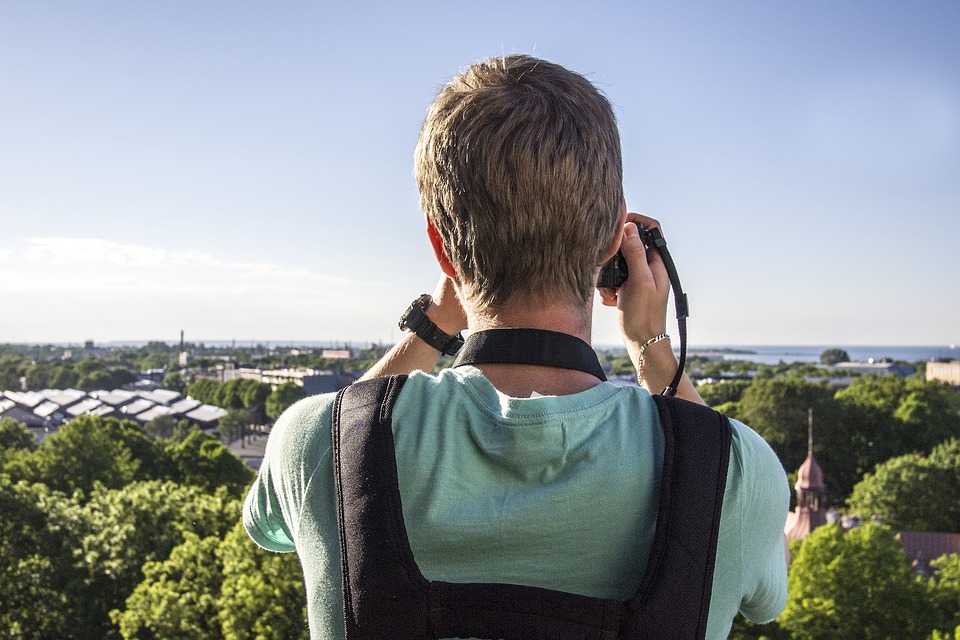
The best way to experience it is simply to put on comfortable shoes and start walking. You can cover much of the Old Town on foot, stopping along the way for photographs, coffee and a closer look at the streets and buildings. A guided walk can add interesting stories and details that you might otherwise miss, but you can also enjoy Tallinn perfectly well at your own pace.
The medieval centre may be the part that first catches your eye, but Tallinn changes character as you move away from the Old Town.
This makes Tallinn particularly easy to explore over two or three days. You can spend one part of your visit wandering the historic centre, then head out and see a much more modern and relaxed side of the Estonian capital.

Giving a first-time visitor the best sense of Tallinn:
The heart of the Old Town, and a good place to get your bearings. The square is surrounded by colourful historic buildings and cafés, with Tallinn Town Hall on the southern side.
Walk uphill from the Lower Town and you’ll reach Toompea, where Tallinn opens out into a wonderful rooftop panorama. Kohtuotsa and Patkuli viewpoints are the ones I’d make sure to include.
A short, atmospheric lane tucked away in the Old Town. It is especially pleasant for a quiet wander and a few photographs.
The two remaining towers of the old gateway make a memorable entrance into the Old Town and lead you towards Viru Street.
Leave the medieval streets behind for a while and enjoy one of Tallinn’s prettiest green spaces. The park surrounds Kadriorg Palace and is a lovely place to slow down.
This is where you see a completely different side of Tallinn, with cafés, restaurants, design shops and creative spaces in a former industrial setting.
Head towards the waterfront for another change of scenery. The former industrial area has been transformed into a modern seaside neighbourhood with restaurants, public spaces and views across the Baltic Sea.

For most visitors, May to September is the easiest time to enjoy Tallinn. Summer is mild rather than hot, with average temperatures around 18–20°C, and the long northern days give you plenty of daylight for exploring. Around midsummer, Tallinn can have almost 19 hours of daylight, with the sun setting close to 11 pm.
June to August is the liveliest period, with outdoor cafés, events and plenty of time to explore the Old Town and waterfront. May and September can be good choices if you prefer a quieter visit, although the weather is more changeable.
December is a completely different experience. If your idea of Tallinn includes twinkling lights, a Christmas market and the possibility of snowy rooftops, winter is worth considering.
The Christmas Market takes place in Town Hall Square and is usually scheduled for around 20 November to 6 January. (Snow is possible but not guaranteed.)
You might want to check out our article: Top 24 Christmas Markets Most Likely To Have Snow >>>
My simple guide:
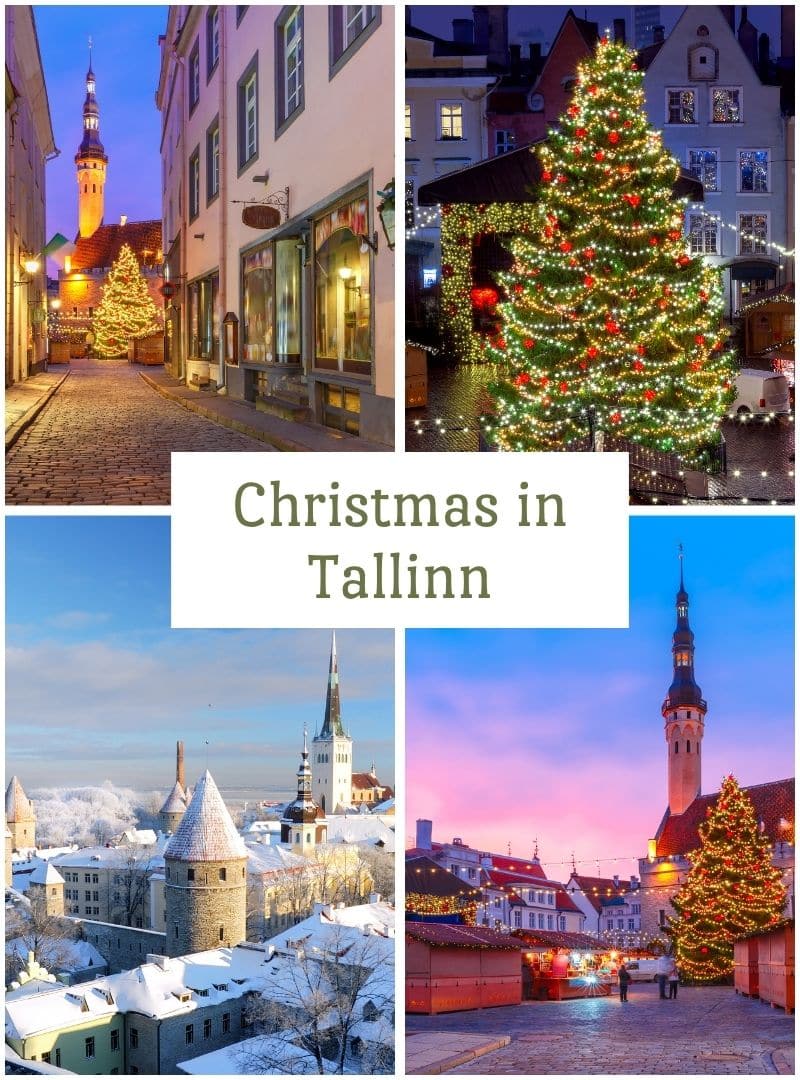
Christmas is a particularly lovely time to see Tallinn. The Old Town takes on a cosy winter atmosphere, with decorated streets, seasonal lights and Tallinn Christmas Market in Town Hall Square at the centre of it all. The market traditionally runs from late November into early January, with wooden stalls selling gifts, local food and warm drinks. It’s not a huge market, but it’s pretty.
The medieval buildings and cobbled streets look especially pretty in the winter light, and Town Hall Square becomes the natural place to stop for a warm drink before continuing your walk. If snow arrives, Tallinn can look wonderfully wintry, although snow is never guaranteed.
For a Christmas visit, December is the obvious choice, but keep in mind that daylight hours are short. The upside is that the early darkness makes the illuminated Old Town feel even more atmospheric.
Good to know: Christmas Market dates and opening hours change each year, so check the current dates before planning your trip.
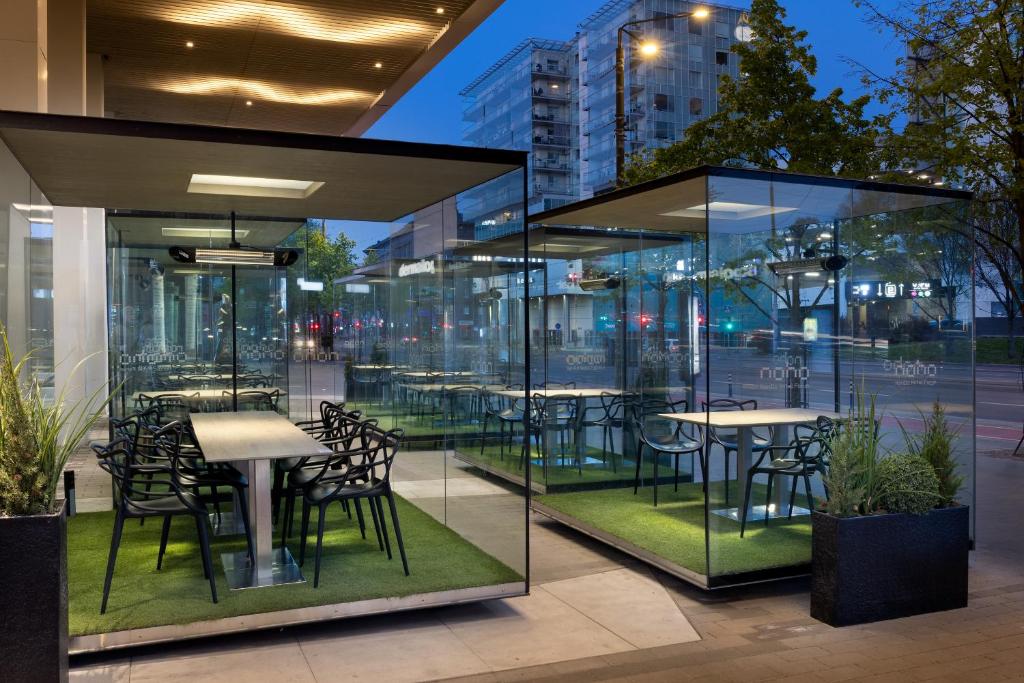
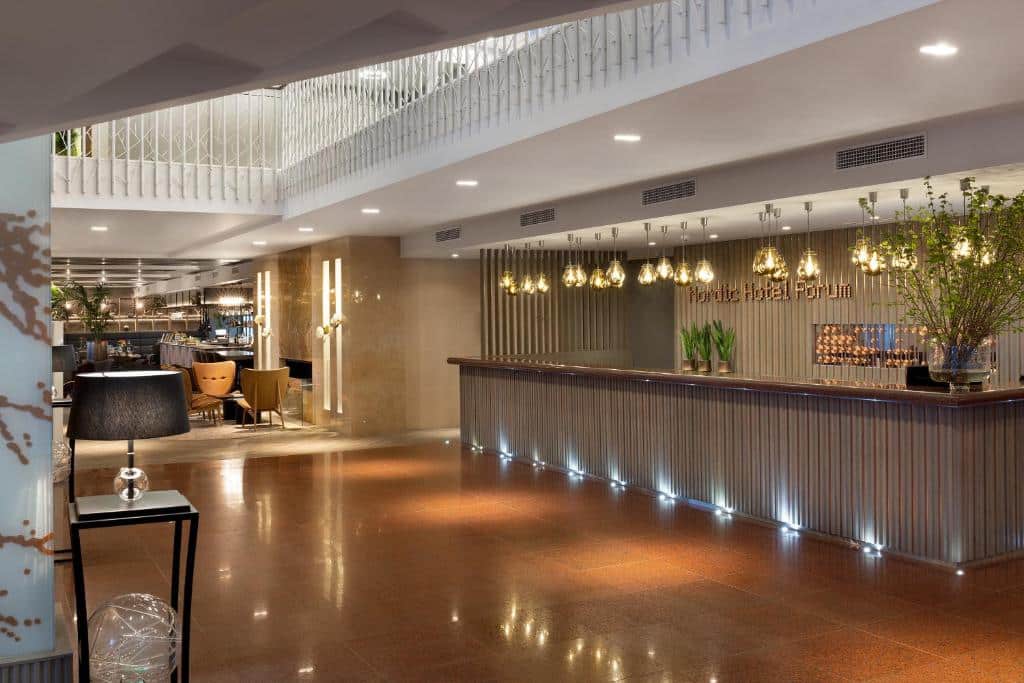
For a first visit, staying in or close to the Old Town makes things wonderfully easy. You can walk out of your hotel and start exploring without needing transport, and most of the historic centre is right on your doorstep. The trade-off is that the Old Town is also the busiest part of Tallinn, particularly during summer evenings.
I’d look first at the Old Town or the area immediately around it. Tallinn is compact, so you don’t need to be right beside Town Hall Square to have a convenient location. Staying a few streets away can give you a quieter base while keeping the Old Town within easy walking distance.
If you’re combining Tallinn with Helsinki, the harbour area is another practical option, particularly if you are arriving or departing by ferry.
Tallinn is easy to enjoy at a leisurely pace. Spend your morning wandering the Old Town, stop for coffee when you find a pretty square, then head out towards Kadriorg, Telliskivi or the waterfront for a change of scenery. Give yourself two or three days and you’ll have time to see the famous sights without rushing from one attraction to the next. It’s a lovely city to simply walk, look around and enjoy — and that may be the best way to remember Tallinn.