
Home - World Recipes - 40 Of The Very Best Cocktails From Around The World, And How It All Started
If you click on links we provide, we may receive compensation.
We link to affiliated partners at no extra cost to you.
Ever watched Sophia Petrillo launch into one of her unforgettable stories with that iconic “Picture it…”? She had a way of pulling you right into the moment — vivid, funny, and just a little bit mischievous.
Inspired by that same spirit, this collection of 40 cocktail recipes comes with its own little stories, flavors, and journeys. Picture it… the crisp sophistication of a Martini, the sun‑kissed sweetness of a Piña Colada, the Havana heartbeat behind a Mojito, or the unmistakable New York swagger of a Manhattan.
These aren’t just drinks — they’re tiny adventures in a glass, each with a tale worth sipping.
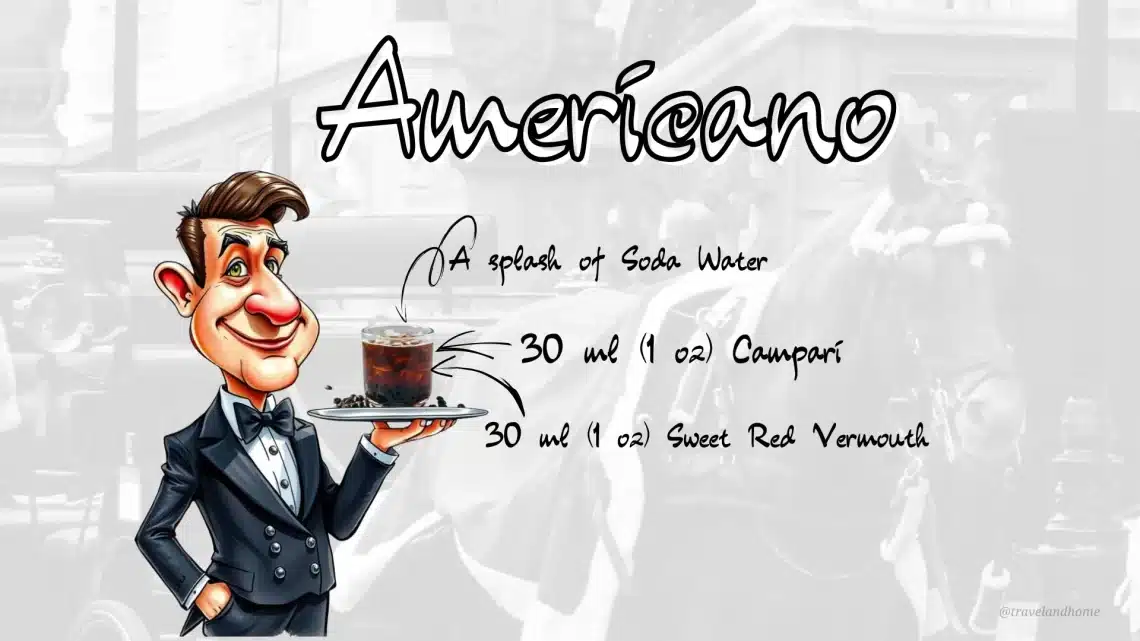
Picture it… Milan in the 1860s, the clatter of horse‑drawn carriages outside Caffè Campari, and the unmistakable aroma of bitter herbs drifting from Gaspare Campari’s counter. This is where the Americano first took shape — not as a global classic, but as a simple local favorite known as the Milano–Torino, a marriage of Milan’s ruby‑red Campari and Turin’s velvety sweet vermouth.
As the story goes, an American visitor wandered in, expecting a long, refreshing drink. Campari alone was too intense for him, so the bartender softened the edges with cool soda water and plenty of ice. The result was lighter, brighter, and instantly appealing — especially to the wave of American travelers who soon adopted it as their aperitivo of choice.
By the turn of the century, the drink had earned its new name: the Americano, a tribute to the tourists who couldn’t get enough of it.
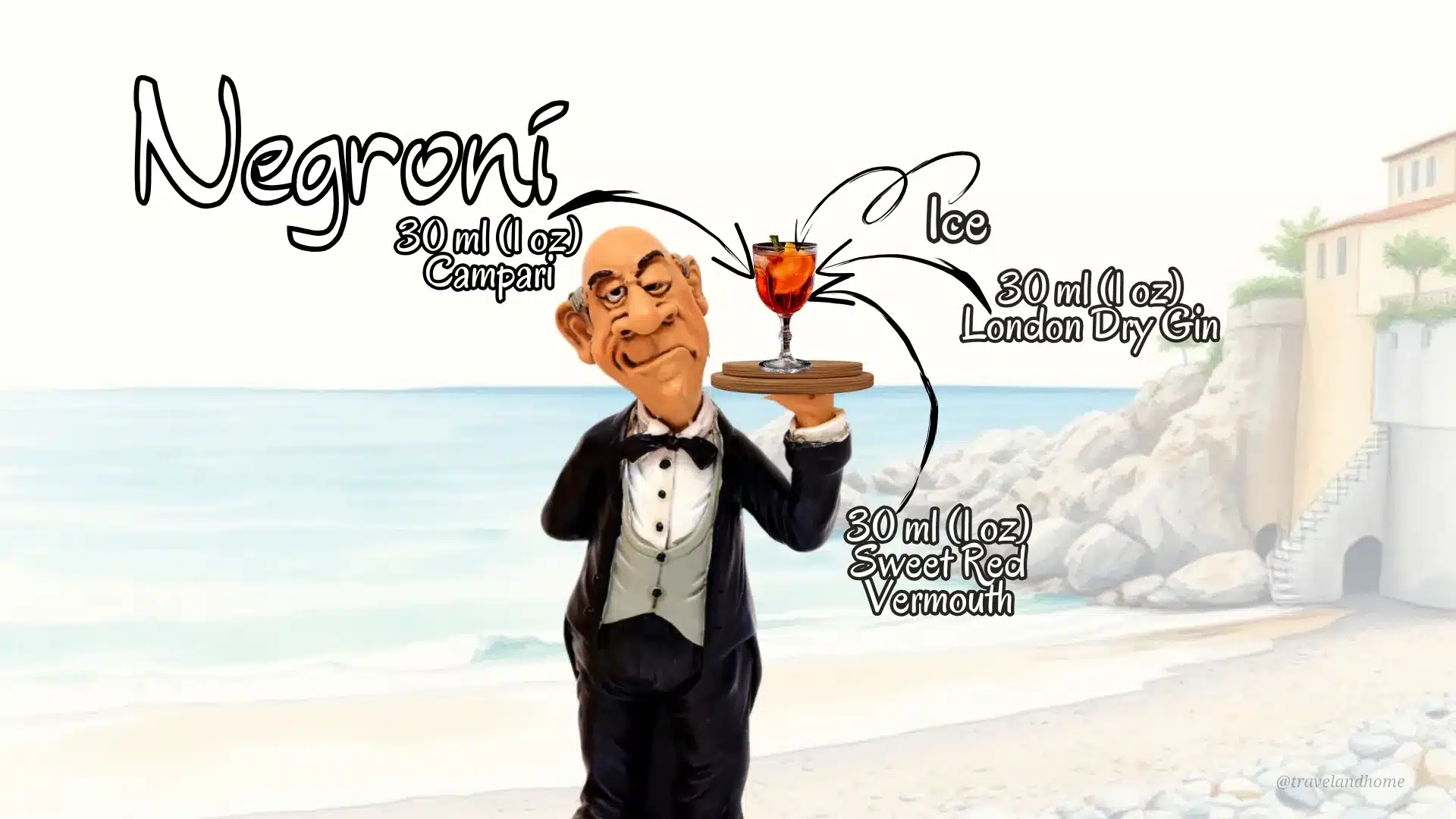
And of course, its legacy didn’t stop there. In the 1920s, Count Camillo Negroni famously asked for “an Americano with gin,” giving birth to another legend — the Negroni, which we share the recipe later in this post.
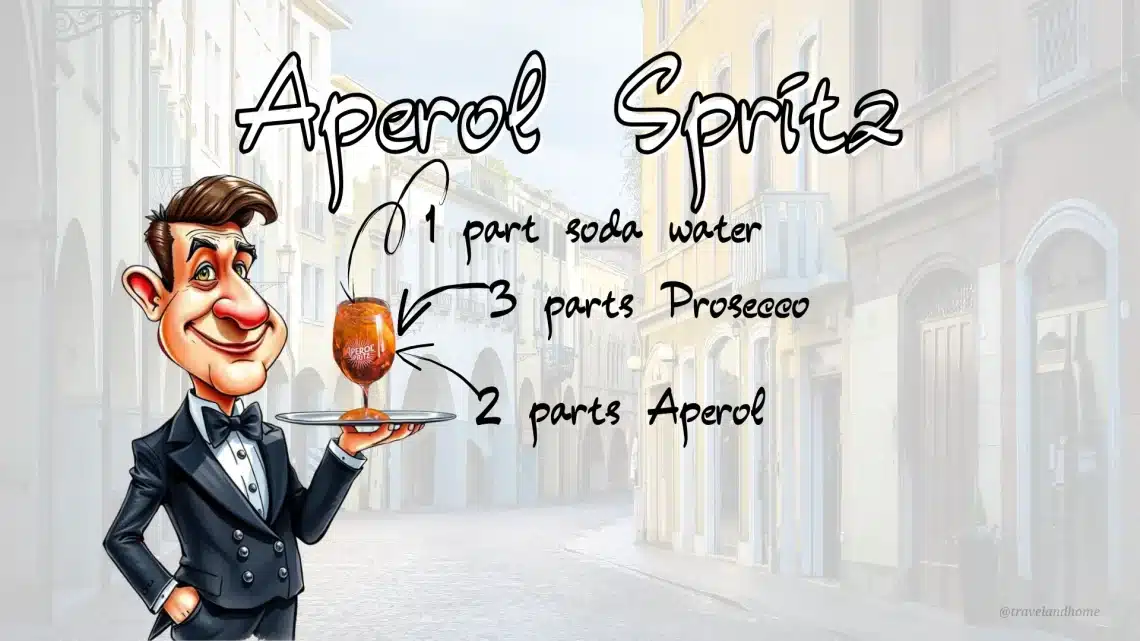
Picture it… Northern Italy in the early 20th century, the sun dipping behind Venetian rooftops, and café terraces humming with late‑afternoon chatter. Soldiers from the Austro‑Hungarian Empire are stationed in the Veneto, finding the local wines delicious but far too strong for their taste. Their solution is simple and clever: spritz them — lighten the wine with a splash of water.
This habit sticks. By the 1910s, the “spritz” becomes a regional ritual.
Then, in 1919, the Barbieri brothers unveil a new bright‑orange aperitivo in Padua: Aperol. Light, bittersweet, and herbal, it’s perfectly suited to the Venetian spritz tradition. Over the next decades, bartenders begin mixing Aperol with sparkling wine instead of still wine, adding ice and an orange slice. The drink becomes breezy, modern, and unmistakably Italian.
But its true explosion comes in the post‑war years, when Italy leans into la dolce vita. The Aperol Spritz becomes the drink of piazzas, seaside promenades, and golden summer evenings — a symbol of effortless leisure.
Today, it’s one of the world’s most recognizable cocktails, but its soul is still pure Veneto: light, social, and meant to be sipped slowly as the day softens.
A party without champagne is just a meeting.
There are three theories about the origin of this cocktail.
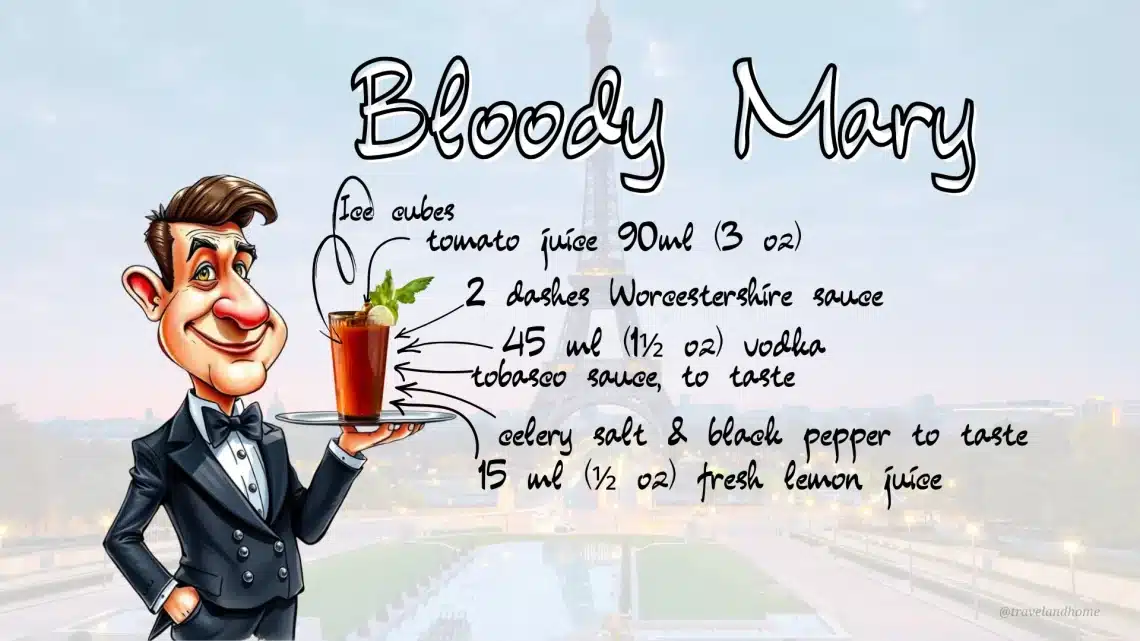
Picture it, it’s in the early 1920s, and bartender Fernand Petiot is slinging drinks at Harry’s New York Bar in Paris. Now, Fernand was known for his creativity behind the bar, and one fateful day, a patron asked him for a hangover cure that would knock their socks off. Not one to back down from a challenge, Fernand mixed up some vodka, tomato juice, Worcestershire sauce, and a pinch of spice. He presented it to the thirsty customer, who exclaimed, “It’s as red as a bloody Mary!” And just like that, a legend was born. Over the years, the recipe has evolved, with various additions like horseradish, lemon, and hot sauce making their way into the mix.
🕮 Suggested Read: Best places to stay in Paris.
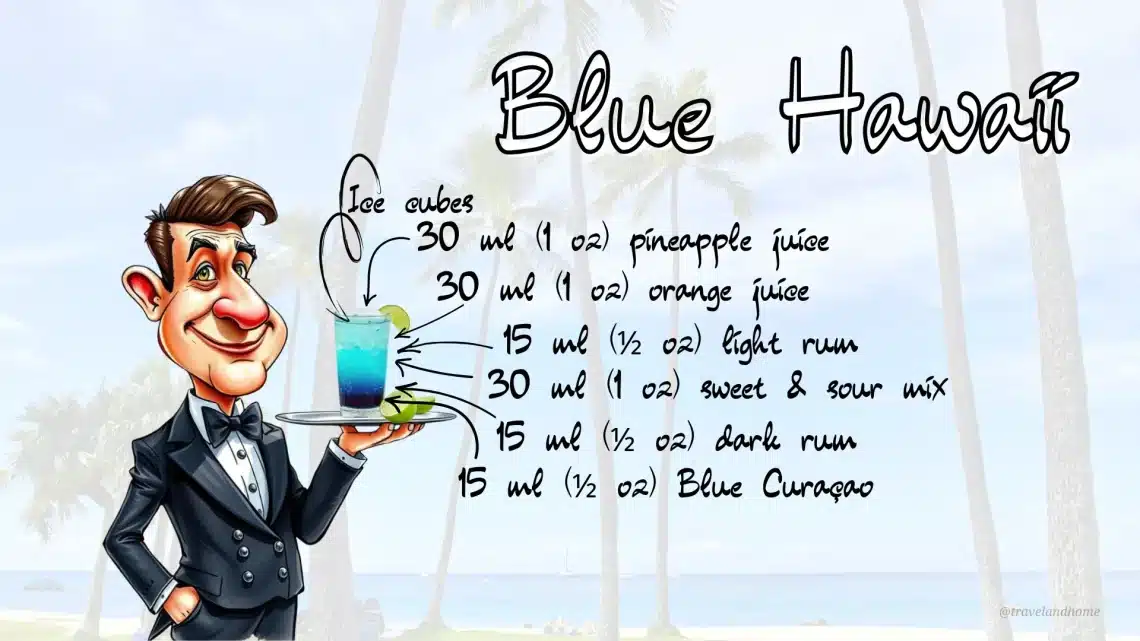
Picture it… It’s the 1950s, and the Tiki culture is in full swing. Bartender extraordinaire Harry Yee, stationed at the Hilton Hawaiian Village in Waikiki, was on a mission to create a vibrant, eye-catching drink that embodied the essence of this island paradise. Inspired by the electric blue hues of the ocean and the vibrant tropical flowers that adorned the landscape, Harry mixed up a concoction of light rum, blue Curaçao, sweet and sour mix, and a splash of pineapple juice. He poured it into a glass and adorned it with a cute little paper umbrella, because, hey, it’s Tiki time! As soon as that first sip hit the lips of the lucky customer, it was love at first taste. The Blue Hawaii cocktail quickly became a symbol of relaxation, sun-kissed beaches, and Hawaiian hospitality. So the next time you indulge in this azure libation, raise your glass to Harry Yee and the tropical spirit of aloha that he captured in every sip. Mahalo!
🕮 Suggested Read: I need a holiday. And by holiday, I mean I need to move away and find a job. On the beach. With cocktails. Where to stay and what to do when you’re on vacation in beautiful O’ahu, Hawaii.
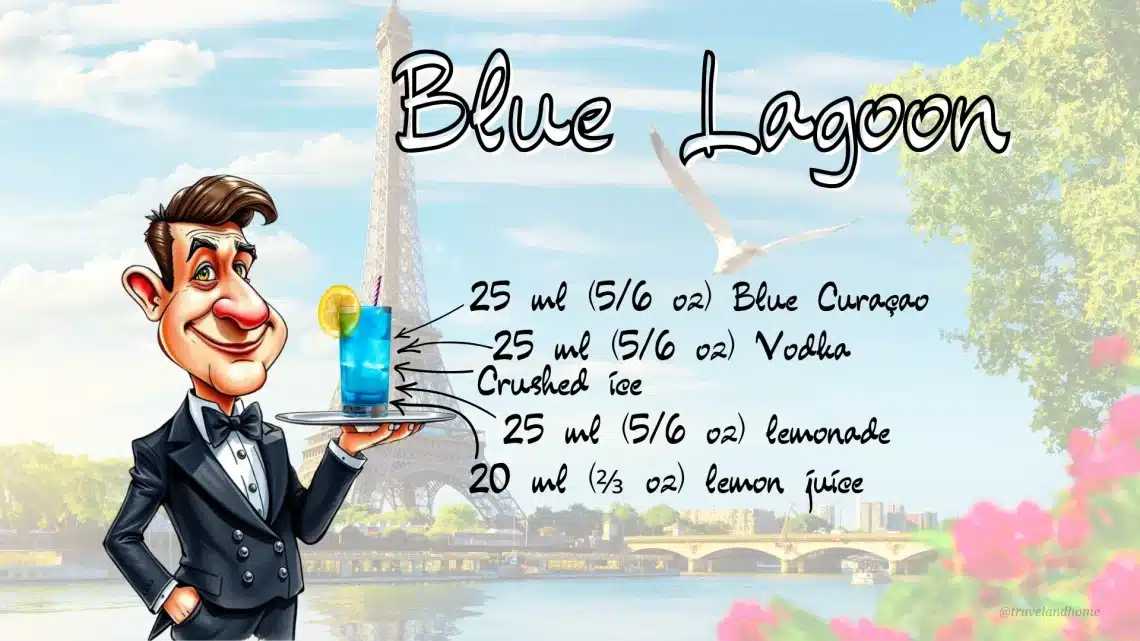
The most widely accepted origin places the Blue Lagoon at Harry’s New York Bar in Paris, a legendary cocktail bar known for inventing or popularizing classics like the Bloody Mary and the Sidecar. Harry’s itself claims to have created the drink.
This aligns with multiple modern mixology sources that describe the Blue Lagoon as a 1960s creation, emerging during a period when cocktail culture embraced bold colors and lighter, citrus‑forward recipes.
The drink predates the 1980 film The Blue Lagoon, so the name wasn’t inspired by the movie.
🕮 Suggested Read: There actually is an island called Blue Lagoon Island, and it’s in Malta!
🕮 Suggested Read: As the saying goes, Vodka may not be the answer, but it’s worth a shot. Try a different variety of the famous Blue Lagoon cocktail.
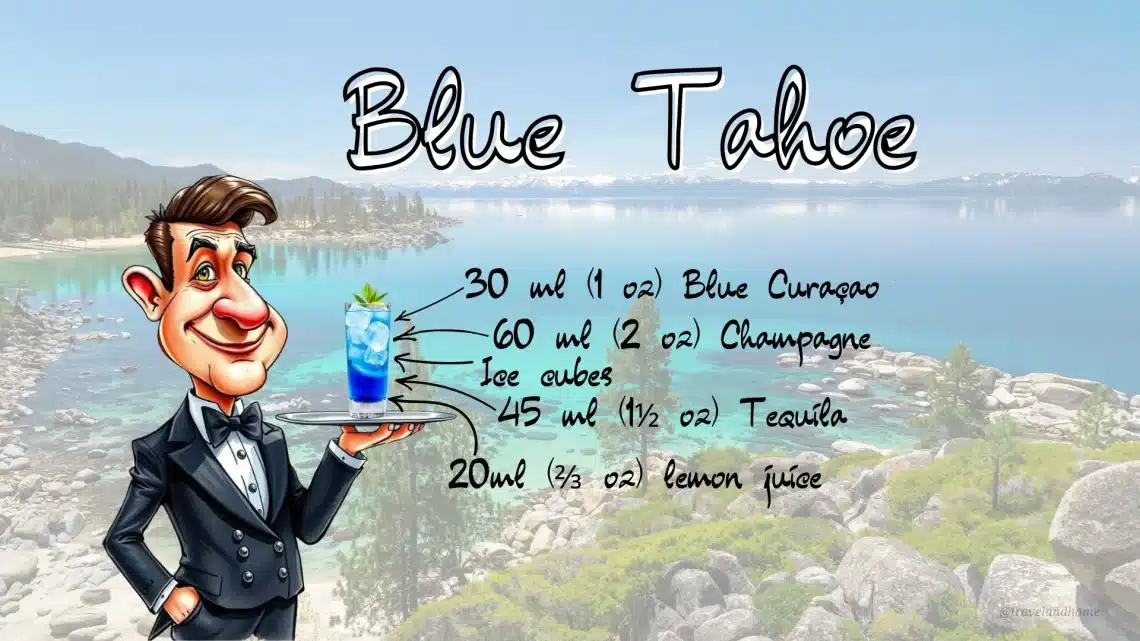
Blue Tahoe cocktail is a delightful libation that transports you to the crystal-clear waters of Lake Tahoe. The origins of this tantalizing drink can be traced back to the vibrant cocktail culture of the 1990s. Mixologists, inspired by the beauty of the iconic alpine lake, set out to create a cocktail that captures its essence. Combining premium vodka, blue curaçao, and a splash of fresh citrus, they achieved the perfect balance of refreshing flavors and captivating blue hues. The Blue Tahoe quickly became a sensation, beloved for its ability to evoke a sense of tranquility and adventure with each sip. Whether you’re sipping it at a lakeside bar or reminiscing about Tahoe’s pristine shores, this cocktail is a testament to the creativity and passion of mixologists who seek to craft experiences through the art of mixology.
The cocktail recipe has changed over the years, but the real thing is to use Tahoe Blue Vodka. The spectacular Tahoe Lake in California was the inspiration behind Blue Tahoe Vodka. Lake Tahoe’s pristine water makes a world-class vodka.
Support Lake Tahoe. Instead of tequila, use Tahoe Blue Vodka, and give back to the environment. Tahoe Blue Vodka donates a portion of its proceeds to help preserve both the lake itself and the diverse environment surrounding it.
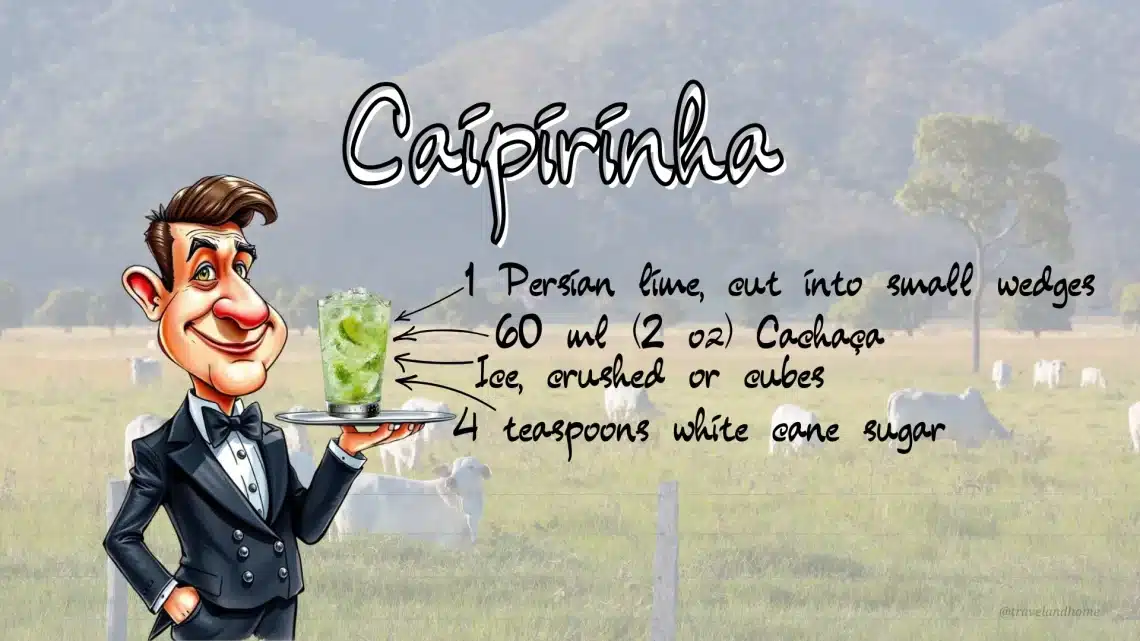
We’re taking a little detour to Brazil for this one. Back in the early 20th century, the Cachaça spirit was all the rage. It’s a sugarcane-based liquor with a kick that can make your taste buds sing. Now, legend has it that hardworking Brazilian farmers, known as “caipiras,” would take a break from their toils in the fields and seek refreshment. They would mix their beloved Cachaça with lime, sugar, and crushed ice, creating a zesty and revitalizing drink that would put a smile on anyone’s face. It didn’t take long for this humble concoction to spread to bustling cities and beachside bars, gaining popularity as the go-to drink for parties and celebrations. Fast forward to today, and the Caipirinha has become a symbol of Brazilian culture, with its vibrant flavors and lively spirit capturing the essence of this colorful country. So, raise your glass high and toast to the hardworking caipiras who unknowingly created a Brazilian masterpiece. Saúde!
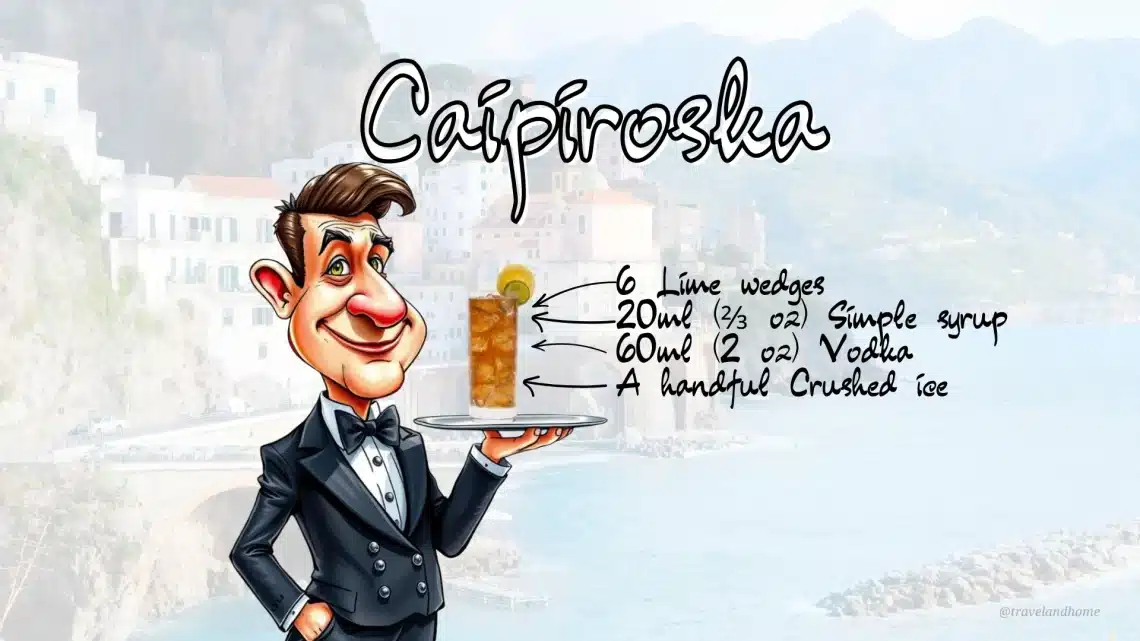
Picture it… Rio de Janeiro in the 1990s. Tourists crowd the beach bars, falling in love with the Caipirinha but hesitating over the bold bite of cachaça. Bartenders, ever adaptable, reach for vodka instead — a familiar spirit for travelers from Europe and beyond. The result is crisp, bright, and instantly popular. What began as a simple substitution becomes a global favorite, spreading from Copacabana to Moscow and turning into a modern classic in its own right.
🕮 Suggested Read: Click on our link to see what a holiday in Rio de Janeiro is all about. Unlock your dreams!
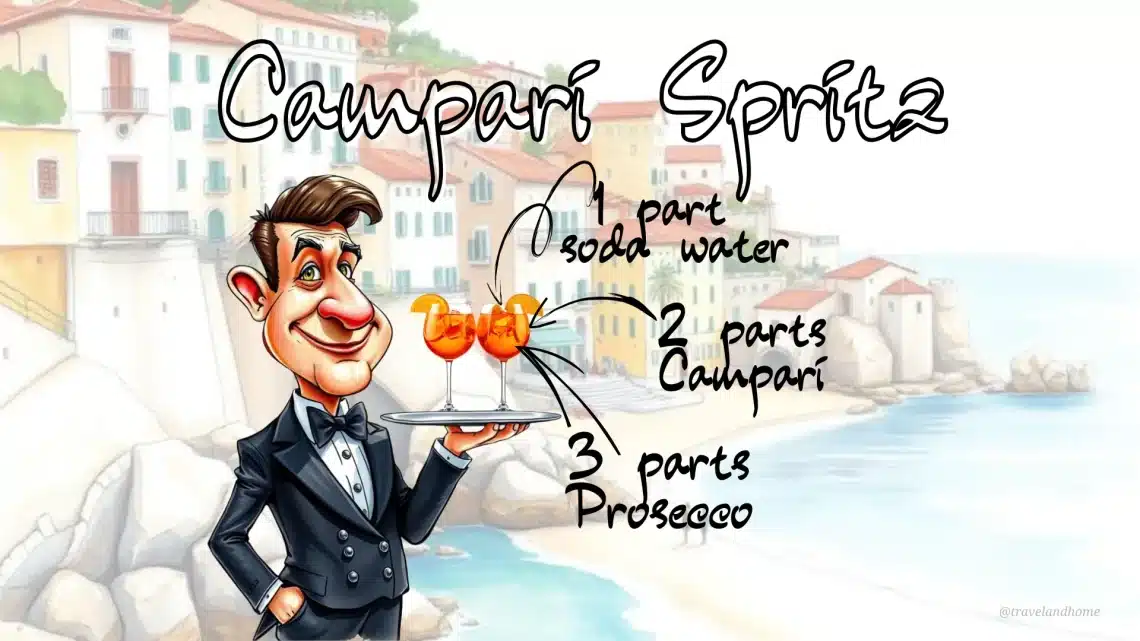
🕮 Suggested Read: If the Campari Spritz is calling your name, you’ll enjoy our post on hosting an Italian aperitivo evening where this classic cocktail truly shines.
⭐ Did You Know?
A Chocolate Cream Liqueur Cocktail isn’t just a sweet sip — it actually qualifies as a cocktail because it blends chocolate liqueur with additional ingredients to create a richer, more decadent drink. It’s the perfect mix of indulgence and sophistication in a single glass.
🕮 Suggested Read: Want to make one at home? You’ll find the full recipe in our Chocolate Cream Liqueur Cocktail post.
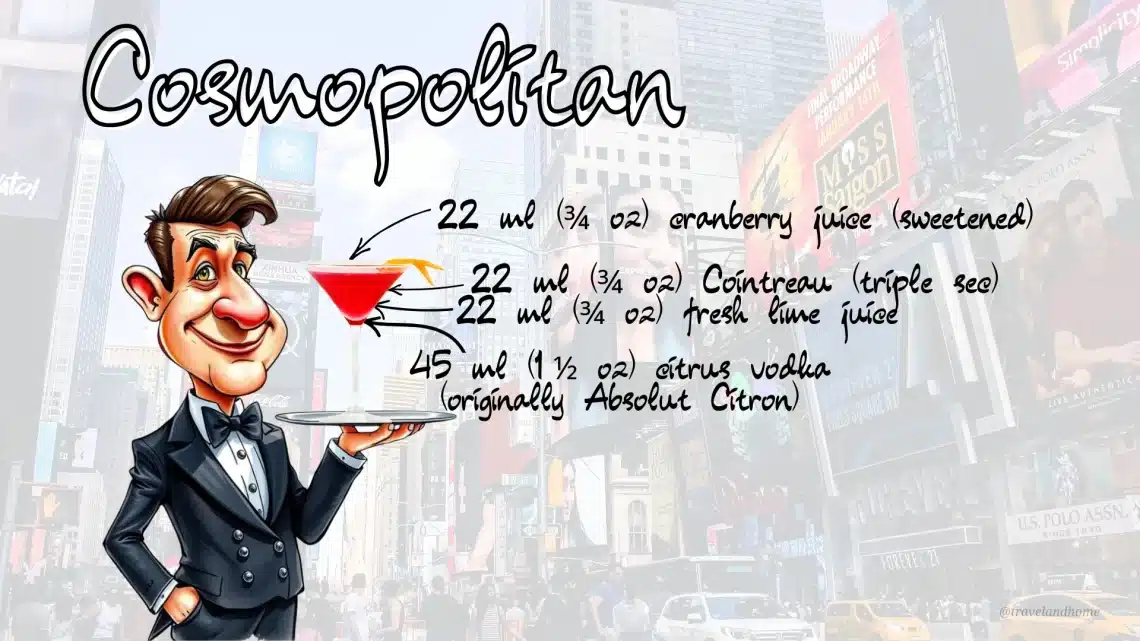
Picture it… It’s the 1980s, and the city that never sleeps, New York City, is buzzing with energy. In the heart of the Big Apple, a trendy bar called The Odeon was the place to see and be seen. It was here that a brilliant bartender named Toby Cecchini took the art of mixology to new heights. Looking to craft a drink that exuded sophistication and elegance, Toby combined vodka, cranberry juice, triple sec, and a squeeze of fresh lime. He shook it up with ice, strained it into a martini glass, and garnished it with a vibrant twist of orange. The result? A stunningly pink cocktail that was as stylish as the fashionable crowd it served. Word of this chic libation spread like wildfire, and soon the cosmopolitan became the drink of choice for the cosmopolitan elite, making its way into the popular TV series “Sex and the City.” So, when you sip on a cosmopolitan, you’re not just enjoying a delightful blend of flavors; you’re sipping on a piece of New York City’s glamorous history. Cheers to Toby Cecchini and the drink that continues to capture the essence of cosmopolitan charm!
Controversy about the Cosmopolitan Cocktail’s origin…
Bartender Neal Murray says he created the Cosmopolitan in 1975 at the Cork & Cleaver steak house in Minneapolis. According to Murray, he added a splash of cranberry juice to a Kamikaze and the first taster declared, “How cosmopolitan.” This event supposedly led to the naming of the new beverage. – Wikipedia
🕮 Suggested Read: Love a classic Cosmopolitan? Take the experience further with our guide to the best hotels in New York — the city where this cocktail became iconic.
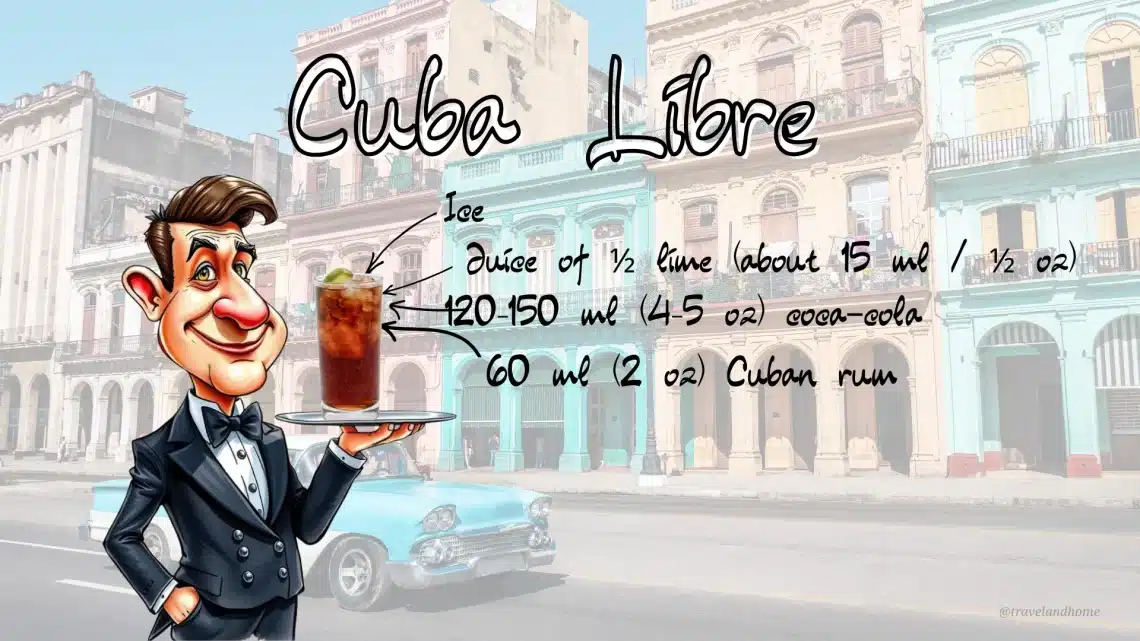
Picture it… It’s the late 19th century, and the sun-soaked island of Cuba is ablaze with revolution and excitement. In the midst of this fervor, a group of American soldiers found themselves in Havana, looking for some refreshment after a long day. Eager to celebrate their victory, they ordered a round of Coca-Cola, which had just made its way to Cuba. To kick it up a notch, they added a splash of Cuba’s finest rum and a generous squeeze of fresh lime. As the glasses clinked and the tangy concoction touched their lips, a soldier raised his glass and shouted, “Por Cuba libre!”—which translates to “For a free Cuba!” The sentiment stuck, and the Cuba Libre was born, representing the freedom, spirit, and flavors of this vibrant nation.
🕮 Suggested Read: Love the classic Cuba Libre? Dive deeper into its roots with our guide to Havana — the vibrant city that inspired this iconic cocktail.
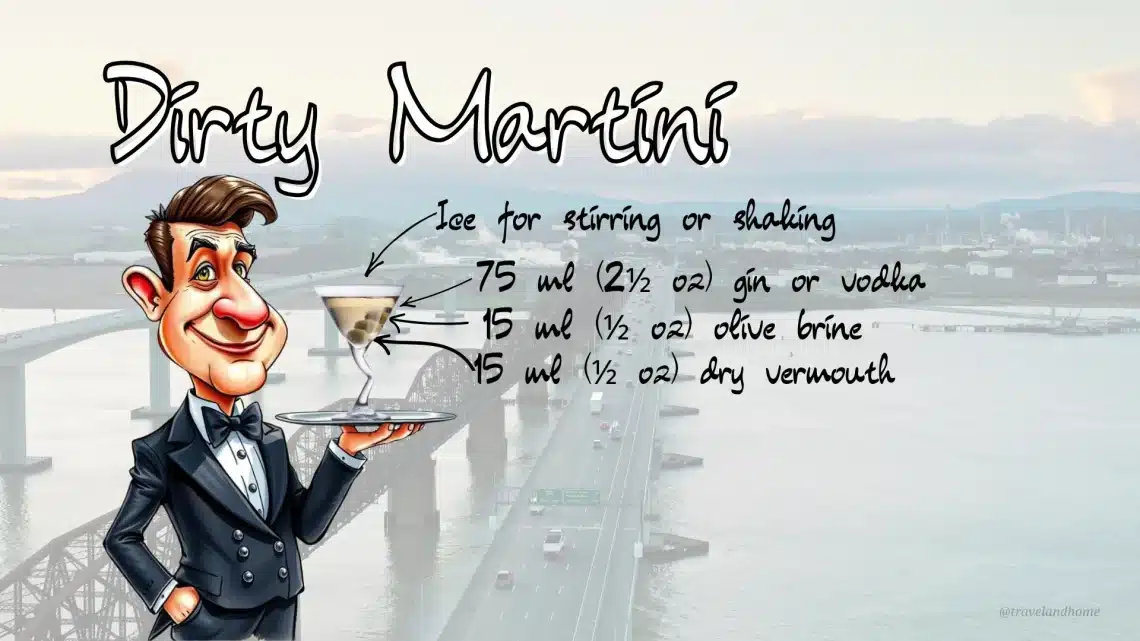
When I hear the word Martini I find myself smiling with a picture of Jane Fonda sipping on a dry Martini in the Netflix series, Grace and Frankie!
Truth to be told, no one really knows the history of the Martini cocktail. That said, the residents of Martinez are convinced it’s named after a bartender who invented the cocktail in their town. We’ll stick to that. It sounds authentic enough! Besides, I don’t think Grace is particularly worried about where her Martini originates from!
Last but not least, of course, James Bond. A Telegraph article put it like this: He drinks a martini that is six parts vodka, one part vermouth, and served – on this occasion by Solitaire – from a cocktail shaker. Four years later, in the Dr. No novel, Bond orders “a medium Vodka dry Martini – with a slice of lemon peel. Shaken and not stirred, please. I would prefer Russian or Polish vodka.”
🕮 Suggested Read: Surprise, surprise — eggnog actually counts as a cocktail when it’s spiked with rum or bourbon. If you’d like to make your own, head over to our post on how to make Eggnog for the full recipe.
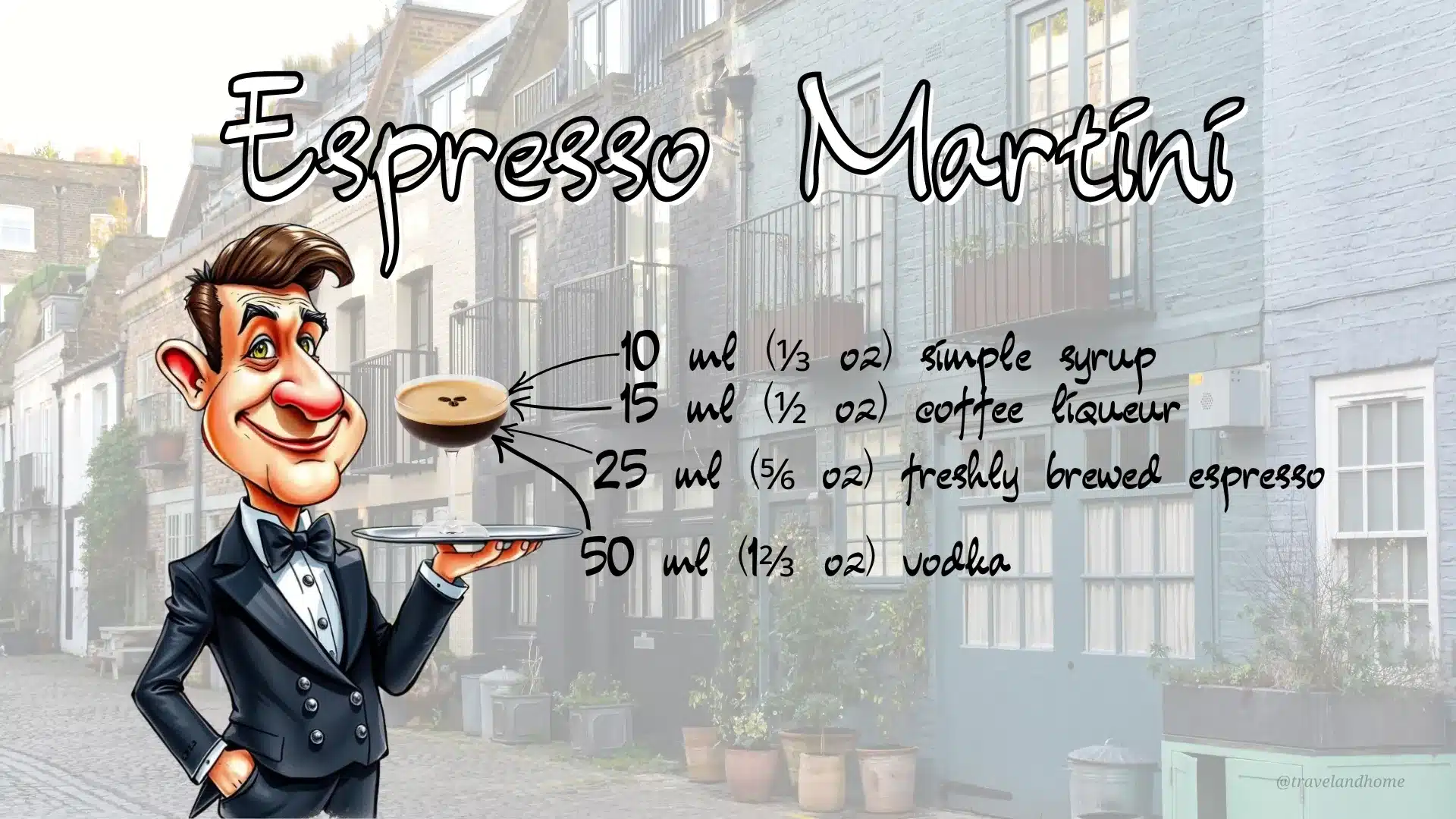
Picture it… London, early 1980s. Soho is buzzing, neon‑lit, and pulsing with the energy of a city reinventing itself. Behind the bar at the Soho Brasserie stands Dick Bradsell — a young, sharp, wildly creative bartender who would go on to shape modern cocktail culture.
One night, a woman walks in — often described as a model, glamorous and exhausted in equal measure — and asks Bradsell for something that would wake her up and knock her sideways. It’s the kind of request only a bartender with imagination could answer.
Right beside him, the café’s espresso machine hisses and spits coffee grounds into the air. Coffee is everywhere. Vodka is the spirit of the moment. And Bradsell, always alert to inspiration, pulls a fresh shot of espresso, shakes it with vodka, coffee liqueur, and a touch of sweetness, and strains it into a glass.
What he hands across the bar isn’t just a drink — it’s the birth of a modern icon.
From that moment in Soho, the Espresso Martini began its climb: first through London’s nightlife, then across Europe, and eventually into global cocktail culture. It became the drink that bridged two worlds — the sophistication of a martini and the bold, bitter energy of espresso — perfectly capturing the spirit of the decade that created it.
Today, it’s a staple on menus everywhere, but its soul still belongs to that tiny bar in 1980s London, where a single off‑the‑cuff request sparked a cocktail that continues to wake up the world
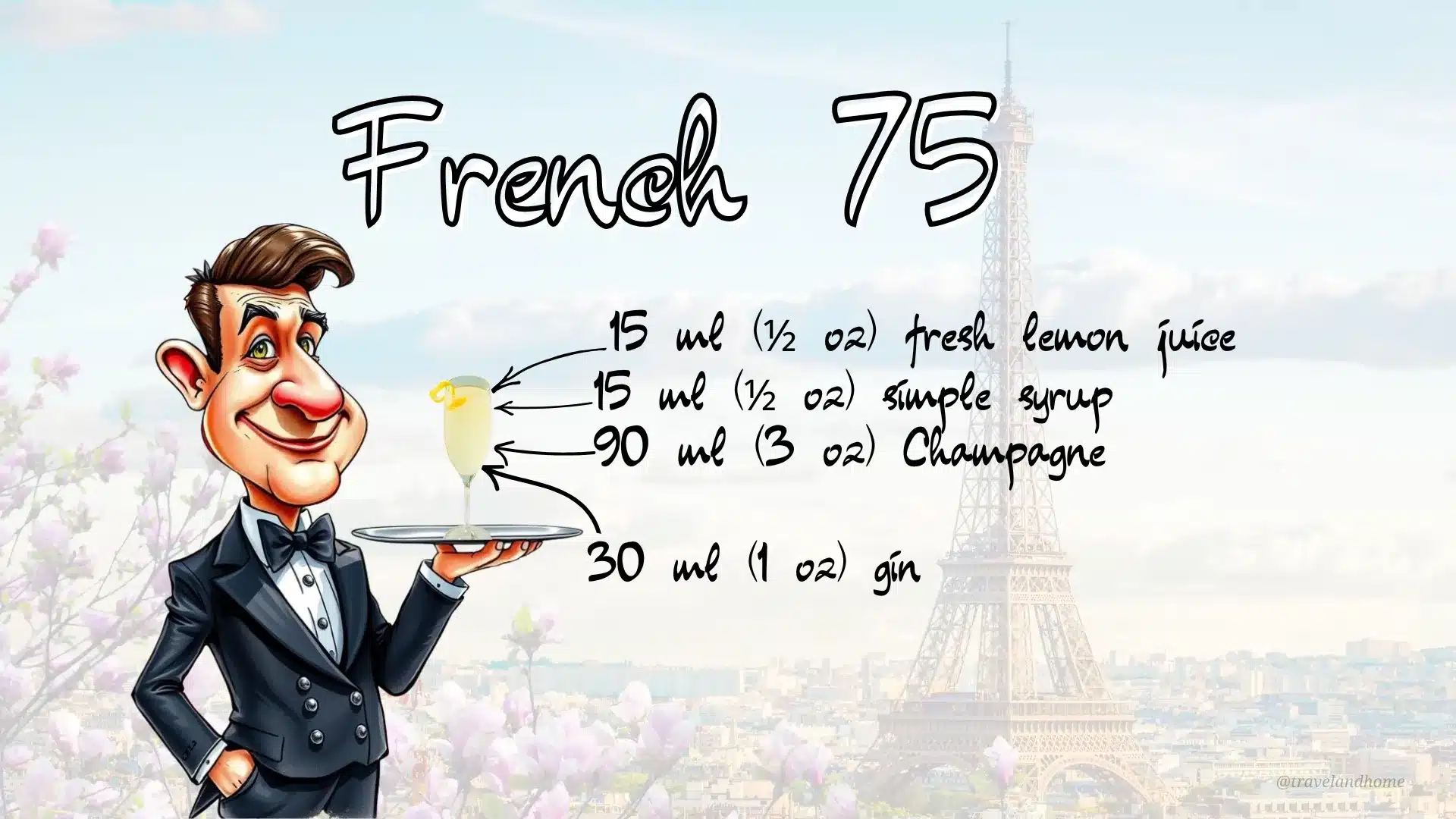
Picture it… Paris, 1915. The city is tense but alive, holding its breath between air‑raid sirens and bursts of laughter from cafés that refuse to dim their lights. Inside one of those smoky brasseries, a bartender reaches for gin, lemon, sugar, and—because this is Paris—Champagne. He shakes the first three, tops it with bubbles, and hands the drink across the bar.
It’s bright, sharp, and unexpectedly powerful. Someone jokes that it hits with the force of a French 75mm field gun, the artillery piece that had become a symbol of French resilience. The name sticks, whispered from table to table as soldiers, nurses, and Parisians cling to small moments of joy.
As the war ends and the city exhales, the drink drifts into the hands of American expats and writers who haunt the cafés of Montparnasse. Among the bartenders shaping this new era is Harry MacElhone, the Scottish-born force behind Harry’s New York Bar. By the mid‑1920s, MacElhone is collecting the era’s best cocktails, polishing them, and giving them a home in print.
In 1927, he includes the French 75 in Barflies and Cocktails, giving the drink its first formal recipe and helping it leap from Parisian brasseries to the wider world. Thanks to MacElhone’s influence, the French 75 becomes a transatlantic favorite—appearing in New York hotel bars, jazz‑soaked speakeasies, and eventually on cocktail menus everywhere.
Yet despite its evolution, the soul of the French 75 never changes. It remains a drink born of grit and elegance, a spark of brightness in a dark time, and a reminder that even in the midst of turmoil, Paris always finds a way to raise a glass.
⭐ Did You Know?
Glühwein — Germany’s beloved winter warmer — actually qualifies as a cocktail. It’s a true mixed drink, made by gently heating red wine with citrus, spices, and a touch of sweetness. And in many regions, it’s even “spiked” with rum or brandy, making it every bit as cocktail‑worthy as the classics we sip year‑round.
🕮 Suggested Read: Ready to warm up your kitchen? Visit our Glühwein recipe post for everything you need.
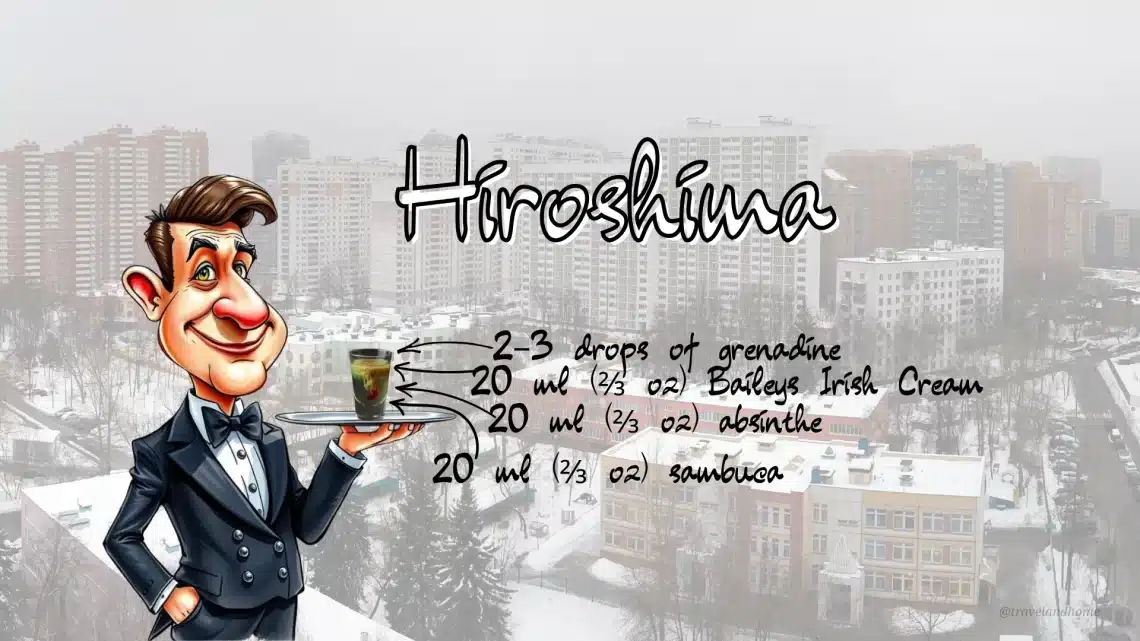
Picture it… the late 20th‑century bar scene in Moscow, where Soviet/Russian bartenders were pushing boundaries, experimenting with layered shots inspired by the B-52, and chasing that perfect moment of visual drama. Neon lights, loud music, and a generation of drinkers hungry for spectacle created the ideal environment for a new wave of “showpiece” cocktails.
In this world of flair bartending and theatrical pours, a small, visually striking shooter began circulating through nightlife circles. Built from Baileys, absinthe, and grenadine, it created a swirling, curdling effect that looked almost alchemical under club lights. Its appearance was shocking, its texture unexpected, and its name—“Hiroshima”—was chosen not as a historical commentary, but as part of the era’s trend of giving cocktails provocative, attention‑grabbing titles.
The drink spread through bars in Europe and Asia during the 1990s and early 2000s, carried by word of mouth, bartending competitions, and the growing fascination with layered shots. It became one of those recipes that wasn’t tied to a single inventor or bar, but instead emerged from the collective creativity of nightlife culture—a product of its time, shaped by aesthetics rather than heritage.
Today, the Hiroshima cocktail sits in that curious category of modern shooters that are more about visual impact than tradition. While its name can understandably raise eyebrows, its place in cocktail history reflects a broader moment when bartenders were experimenting boldly, chasing reactions, and crafting drinks meant to be seen as much as tasted.
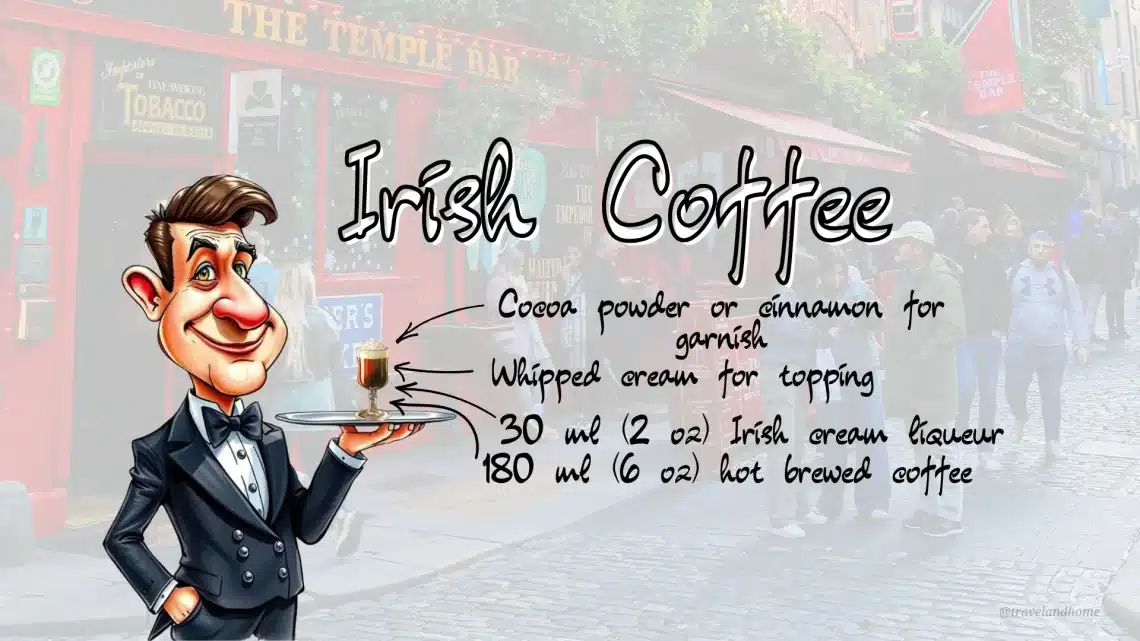
Picture it… Dublin, 1973. The city is damp, the pubs are lively, and a team of beverage innovators is huddled in a small office, trying to crack a challenge that no one’s solved before: how to blend fresh Irish cream with whiskey into a shelf-stable liqueur that actually tastes good.
At the heart of this team is David Gluckman, a British drinks developer, and Tom Jago, a marketing visionary. They’re working with Gilbeys of Ireland, a spirits company looking to create something new—something that captures the warmth of Irish hospitality and the richness of its dairy and whiskey traditions.
They experiment with cream, whiskey, cocoa, vanilla, and a touch of sugar. The breakthrough comes quickly—within hours, they’ve created a prototype that’s smooth, sweet, and indulgent. They call it Baileys Irish Cream, and it’s unlike anything the spirits world has seen.
From its launch in the mid-1970s, Baileys becomes a sensation. It’s approachable, luxurious, and versatile—served over ice, mixed into coffee, layered in shots, or folded into desserts. It’s the drink that bridges generations, appealing to seasoned whiskey lovers and newcomers alike.
As Baileys takes off, other brands follow: Carolans, Kerrygold, Saint Brendan’s—each with their own twist, but all rooted in the same idea: blending Ireland’s finest cream with its most iconic spirit.
Today, Irish Cream is more than a cocktail ingredient. It’s a symbol of Irish ingenuity, a staple in winter drinks and holiday desserts, and a reminder that sometimes, the best ideas come from a little curiosity, a lot of cream, and a dash of whiskey.
⭐ Did You Know?
Irish cream on its own is a liqueur, but once you mix it with other ingredients — coffee, whiskey, chocolate, or cream — it becomes a true cocktail. Smooth, velvety, and wonderfully versatile, it’s one of those drinks that feels like a treat every time.
🕮 Suggested Read: Ready to try it yourself? Head over to our Irish Cream Cocktail recipe for all the delicious details.
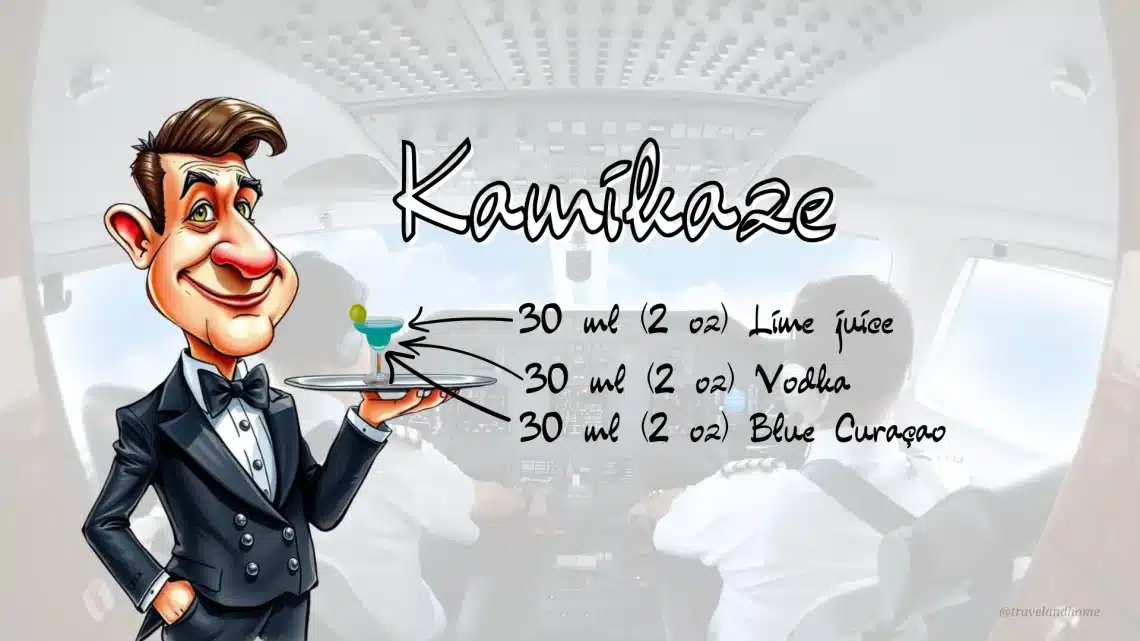
Picture it… It’s the 1940s, and the world is caught up in the chaos of World War II. Meanwhile, in Japan, a group of daring aviators known as the Kamikaze pilots was making waves with their fearless missions. Fast forward to the 1970s, and a whole different kind of thrill-seeking was happening at a trendy bar in California. Bartenders, seeking to create a powerful and electrifying drink, crafted a mixture of vodka, triple sec, and lime juice. As the concoction hit the lips of the brave souls ready to experience a flavor explosion, they felt an invigorating rush akin to the kamikaze pilots themselves. Inspired by the intense and fearless nature of those wartime heroes, the Kamikaze cocktail was christened. With its strong, citrusy punch and a touch of sweetness, it quickly became a favorite among party-goers looking for an adrenaline boost in a glass.
🕮 Suggested Read: After mixing your Kamikaze, take a virtual trip to Sausalito with our guide to this beautiful California waterfront destination.
@travelandhome @travelandhome #Mojito #recipes #welove #foryou #foolproof #easyrecipes #easyrecipesathome #travelandhome #recipe #fy#mojitotime #mojitos #cocktail #cocktailsimple #cocktails #mixology #cocktaillover #cocktailtime #cocktailporn #cocktailhour #cocktailoftheday #drinkstagram #craftcocktails #bartenderlife #cocktailrecipe #cocktailbar #cocktailculture #cocktailparty #cocktailshaker #cocktailsofinstagram #cocktailart #cocktailinspiration #cocktailoclock #cocktaillove #cocktailgram #cocktailpornography #cocktailphotography #drinkup #drinkporn #drinkoftheday #drinkspecials #drinksmenu #drinkinspiration #drinkstagrammer #drinkresponsibly #drinklocal #drinksonme #drinkswithfriends #drinkphotography #mixologist #drinkenthusiast #drinkappreciation #drinkculture #drinkgood #drinkhappy #drinkwell #drinkmore #drinkupbuttercup #drinkbeautifully #drinkbetter #drinkdelicious #drinkdreams #drinkindulgence #drinkinspired ♬ original sound - Travel and Home
Picture… it’s a sultry summer day in Havana, Cuba, sometime in the early 20th century. The streets are alive with vibrant colors, salsa rhythms, and the clinking of glasses. In the midst of this lively atmosphere, a concoction was born that would forever charm our taste buds. Legend has it that a group of sugar cane farmers, seeking respite from the scorching heat, stumbled upon the perfect marriage of ingredients. They mixed together the local treasures of rum, fresh lime juice, sugar, sparkling water, and a generous bunch of fragrant mint leaves plucked straight from the garden. As the cool liquid caressed their lips, a sensation of pure bliss washed over them, and the Mojito was christened. From that day forward, this invigorating elixir became a beloved symbol of Cuban hospitality, spreading its refreshing charm to all corners of the world. So, next time you sip a Mojito, remember the humble origins of this delightful cocktail and toast to the spirit of Havana!
Picture it… Long Island, New York, sometime in the 1970s. The bar is modest, the crowd is lively, and behind the counter, a bartender is about to make cocktail history — not with restraint, but with audacity.
Legend has it that this bartender, possibly Robert “Rosebud” Butt, was experimenting during a local contest to showcase triple sec. Instead of choosing one base spirit, he chose them all: vodka, gin, white rum, tequila, and triple sec, balanced with lemon juice and a splash of cola. The result? A drink that looked like iced tea but hit like a freight train.
Its innocent appearance made it an instant hit — a cheeky disguise for a cocktail that packed serious power. Some even whispered that it was inspired by Prohibition-era trickery, when bartenders masked potent mixes to avoid unwanted attention. While that part’s likely myth, the drink’s reputation for stealth and strength is very real.
From that Long Island bar, the cocktail spread like wildfire. By the 1980s, it was a staple in college towns, beach resorts, and dive bars alike — beloved for its boldness and feared for its ability to sneak up on the unsuspecting. It became the ultimate party drink: one glass, five spirits, and no apologies.
Today, the Long Island Iced Tea is a legend. It’s the cocktail equivalent of a dare — a drink that defies moderation and celebrates the wild side of mixology. And while its origins may be debated, its impact is undeniable: it changed the way we think about what a cocktail could be.
Picture it… Central Europe in the 19th century — warm summer afternoons, vineyards rolling across the hills of Austria and northern Italy, and glasses of local wine poured generously in taverns and coffee houses. The wines are delicious but strong, and without refrigeration, they’re often served warmer than most people prefer. So locals — and especially visiting Austro‑Hungarian soldiers — begin asking tavern keepers to spray a little water into their wine to lighten it. In German, they call this spritzen, “to splash,” giving birth to the earliest spritz.
At first, the drink is simple: chilled wine softened with fresh water or soda, sometimes with a twist of lemon for brightness. In Vienna’s elegant coffee houses, this becomes the G’spritzter, a lighter, more sociable way to sip wine through long conversations and warm evenings.
As the spritz tradition spreads through the Veneto and beyond, variations emerge. Some add bitters, some add sparkling wine — and some lean into citrus. The lemon spritzer becomes the sunniest of these offshoots: crisp white wine or Prosecco, a splash of soda, and a generous squeeze of lemon. It’s the natural evolution of the earliest spritzes, which often included lemon as their only flavoring ingredient.
By the 20th century, the lemon spritzer settles into its identity: refreshing, unfussy, and endlessly adaptable. It’s the drink of picnics, lakeside afternoons, and anyone who wants the spirit of a spritz without the bitterness of Aperol or Campari. A glass that tastes like summer — bright, clean, and effortless.
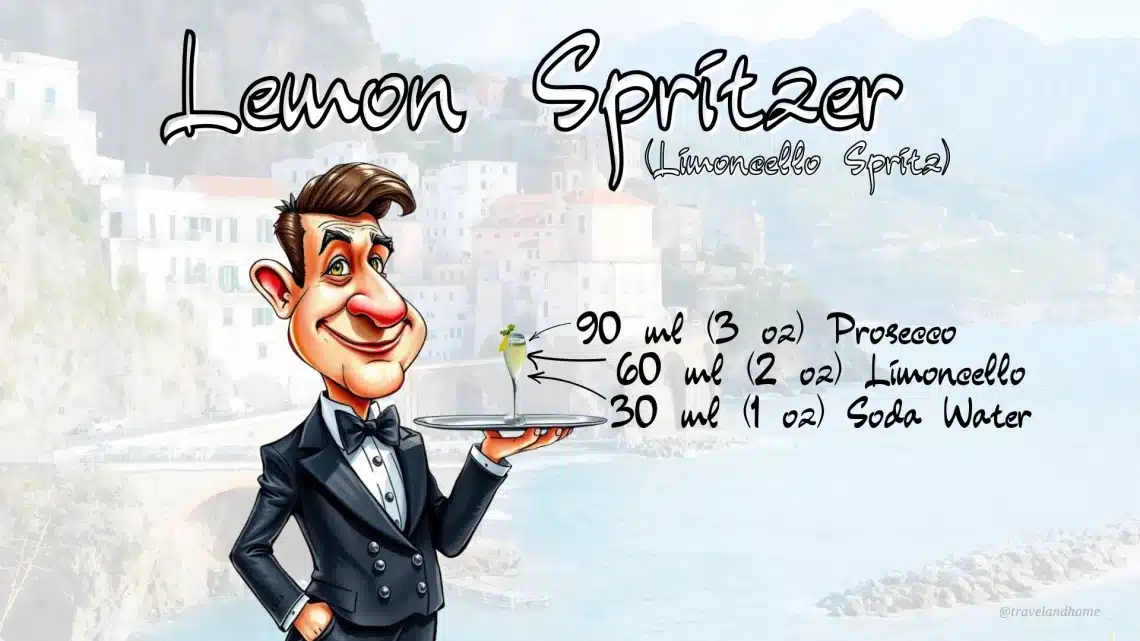
🕮 Suggested Read: Craving the full details? Hop over to our Lemon Spritzer recipe for the exact ingredients and method.
Picture it… Long Island, New York, sometime in the 1970s. The bar is modest, the crowd is lively, and behind the counter, a bartender is about to make cocktail history — not with restraint, but with audacity.
Legend has it that this bartender, possibly Robert “Rosebud” Butt, was experimenting during a local contest to showcase triple sec. Instead of choosing one base spirit, he chose them all: vodka, gin, white rum, tequila, and triple sec, balanced with lemon juice and a splash of cola. The result? A drink that looked like iced tea but hit like a freight train.
Its innocent appearance made it an instant hit — a cheeky disguise for a cocktail that packed serious power. Some even whispered that it was inspired by Prohibition-era trickery, when bartenders masked potent mixes to avoid unwanted attention. While that part’s likely myth, the drink’s reputation for stealth and strength is very real.
From that Long Island bar, the cocktail spread like wildfire. By the 1980s, it was a staple in college towns, beach resorts, and dive bars alike — beloved for its boldness and feared for its ability to sneak up on the unsuspecting. It became the ultimate party drink: one glass, five spirits, and no apologies.
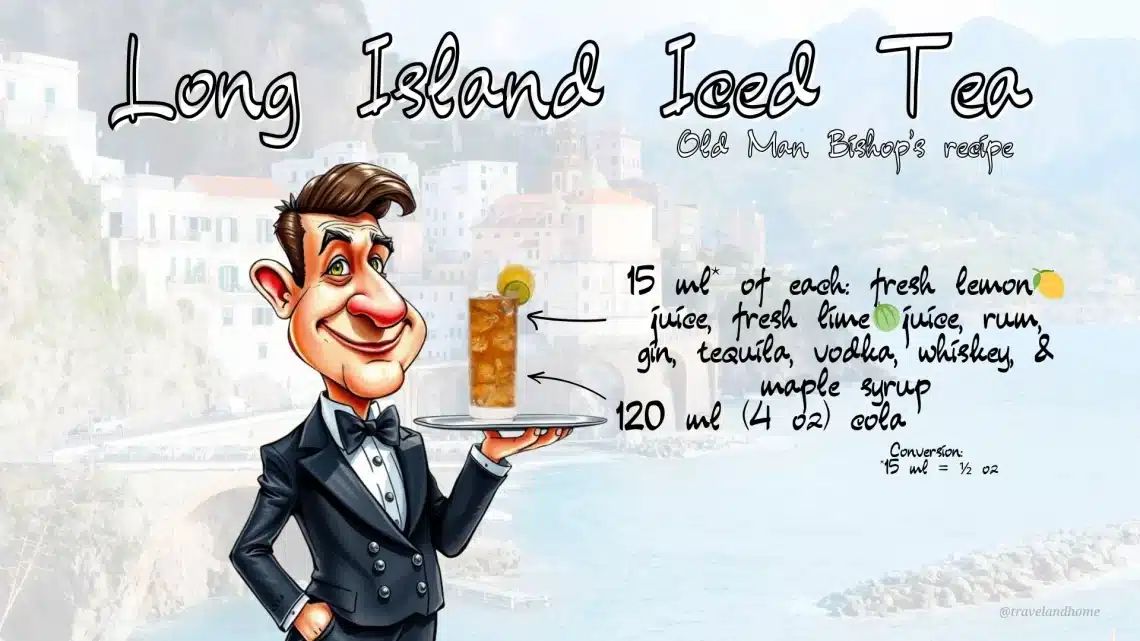
A different version of the drink is said to have originated in the 1920s, during Prohibition, in a small community called Long Island in Kingsport, Tennessee. According to local lore, it was first mixed by a figure known as Old Man Bishop. His son, Ransom Bishop, later adapted the recipe by adding cola, lemon, and lime, creating something closer to the modern profile.
Old Man Bishop’s original concoction was quite unlike today’s equal‑parts formula. It used whiskey, maple syrup, and uneven amounts of five different spirits — and notably did not include triple sec. His version was reportedly made as follows:
Because the drink evolved informally over time, it’s unclear what the earliest measurements were, when the recipe changed, or how such a wide range of spirits were sourced or produced locally during Prohibition.
Today, the Long Island Iced Tea is a legend. It’s the cocktail equivalent of a dare — a drink that defies moderation and celebrates the wild side of mixology. And while its origins may be debated, its impact is undeniable: it changed the way we think about what a cocktail could be.
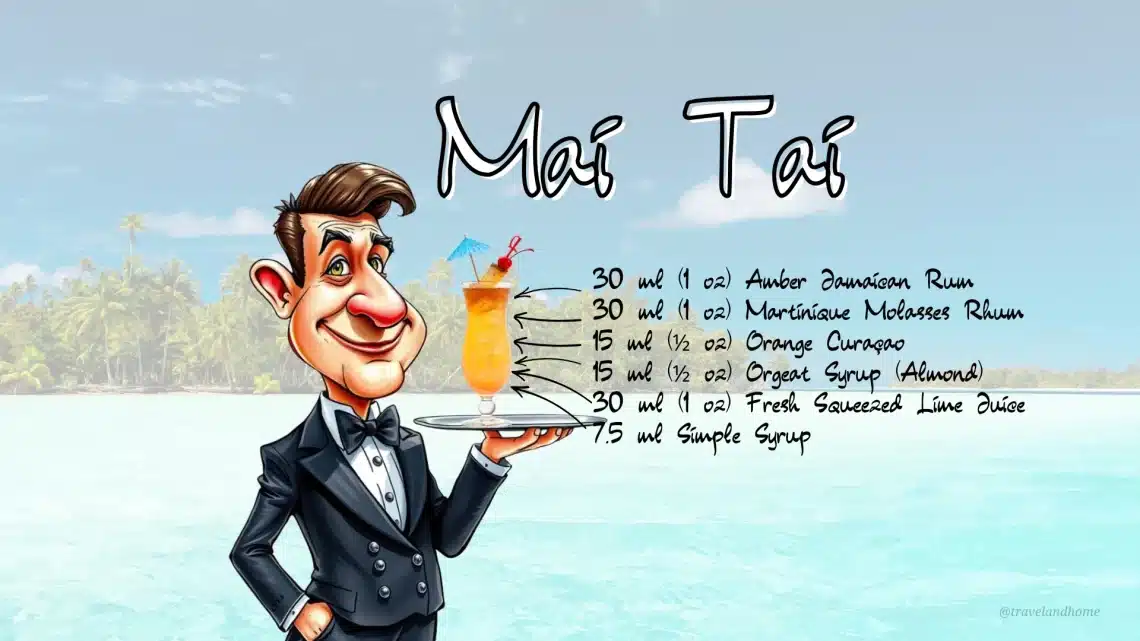
Picture it… California, 1944. The tiki craze is in full swing, and inside Trader Vic’s bustling Oakland bar, Victor Bergeron — better known as Trader Vic — is tinkering with a new idea. The room hums with chatter, the scent of rum and citrus hangs in the air, and Vic, ever the showman, is determined to craft a drink that captures the very essence of island escape.
He reaches for his finest aged Jamaican rum, adds a bright splash of lime, a whisper of orange curaçao, and the soft almond sweetness of orgeat. He shakes it with the confidence of a man who knows flavor, pours it over crushed ice, and hands it to a pair of friends visiting from Tahiti.
One sip — and they exclaim, “Mai Tai-Roa Ae!” Translation: “Out of this world — the best!” And just like that, the Mai Tai earns its name.
Word spreads quickly. What began as a simple experiment becomes a sensation, carried from bar to bar as travelers, sailors, and dreamers chase the taste of paradise. By the 1950s and ’60s, the Mai Tai is the crown jewel of Polynesian-inspired cocktail culture — a symbol of escapism, sunshine, and the irresistible allure of the tropics.
Garnished with fresh mint, citrus, and sometimes a playful umbrella, the Mai Tai becomes more than a drink. It becomes an icon — a liquid postcard from a faraway island, promising warmth, adventure, and a moment of pure, carefree indulgence.
🕮 Suggested Read: If this Kamikaze has you dreaming of island vibes, explore our French Polynesia post for a taste of real tropical paradise.
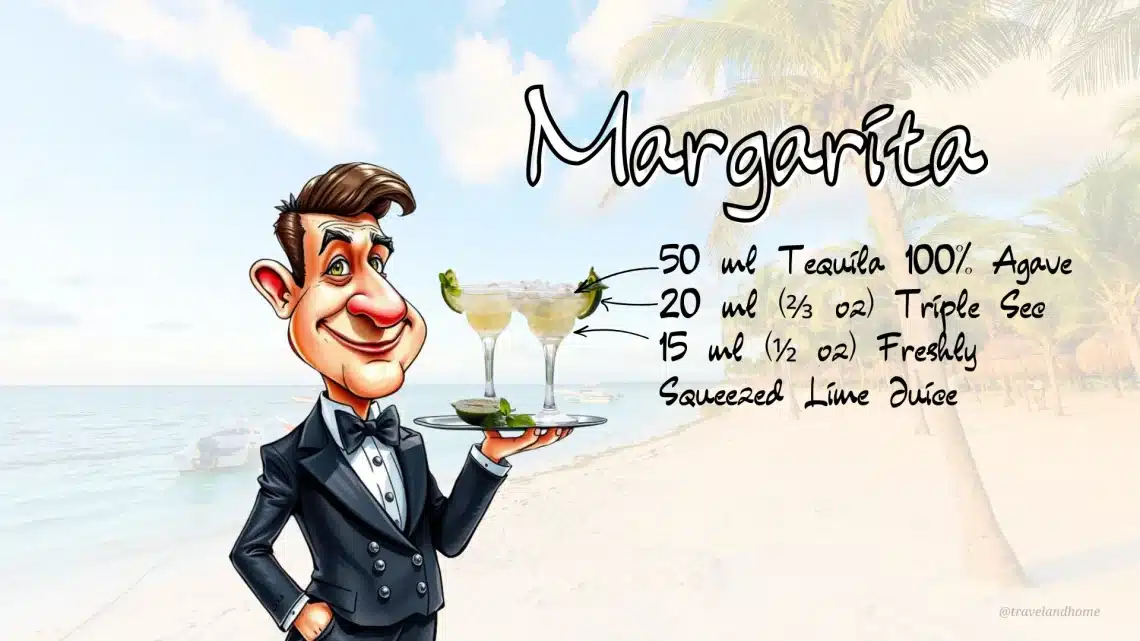
Picture it… Sunny Mexico in the 1930s, where the vibrant spirit of fiestas and tequila flows like a river. Now, a few theories are swirling around about Margarita’s origin, so let’s explore a popular one. Legend has it that in Tijuana, a charming lady named Margarita Sames hosted lavish parties where tequila was the life of the fiesta. One day, feeling adventurous, she decided to mix tequila, lime juice, and triple sec, creating a refreshing concoction that danced on the taste buds. As her guests took their first sip, their eyes widened with delight, and they exclaimed, “Margarita!”—the Spanish version of her name. Word of this zesty elixir spread like wildfire, and the Margarita became an instant hit, eventually finding its way across the border to the United States. From there, it gained international fame, evolving into a versatile cocktail with endless variations, from classic salt-rimmed glasses to fruity frozen delights.
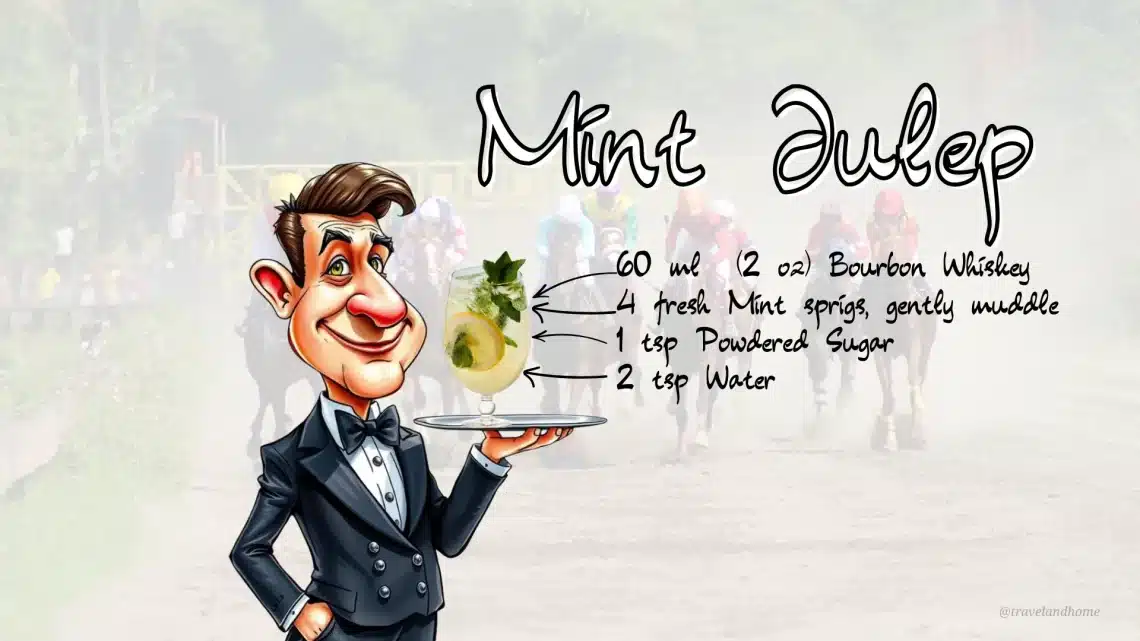
Picture it… American South in the 18th century with grand mansions, wide-brimmed hats, and horse races that set hearts pounding. It is in this picturesque setting that the Mint Julep found its roots. The combination of bourbon, sugar, water, and fresh mint leaves became a go-to concoction for gentlemen seeking respite from the scorching heat. Legend has it that the drink was born out of necessity, as bourbon whiskey served in silver or pewter cups was the perfect solution to keep the beverage icy cold in the sweltering Southern summers. As the tradition of the Kentucky Derby took hold in the 19th century, the Mint Julep solidified its status as the official drink of the iconic race. With every sip of this mint-infused elixir, you can almost taste the rich history and Southern hospitality that has made the Mint Julep an enduring symbol of charm and indulgence.
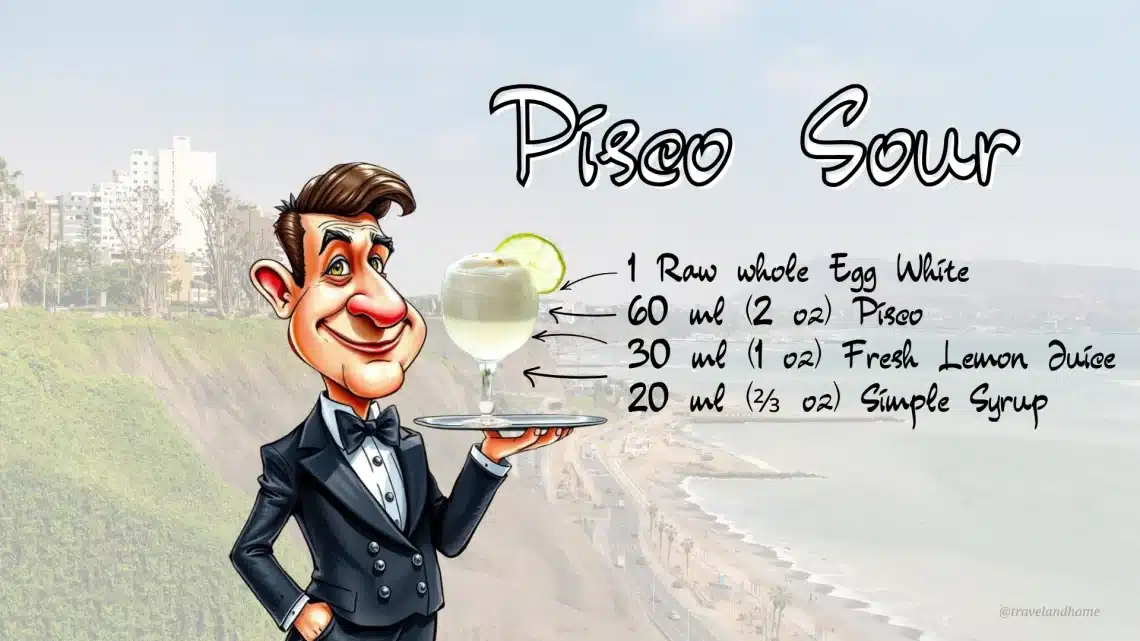
Picture it… Lima in the early 20th century — a city alive with music, conversation, and the unmistakable warmth of Peruvian hospitality. Long before this moment, in the 19th century, Pisco had already become woven into the fabric of daily life: a grape brandy cherished in homes, markets, and celebrations across the country. But its destiny as a global icon was still waiting behind the bar.
Enter the 1920s and Victor “Gringo” Morris, an American bartender who had made Lima his home. In his bustling Morris Bar, he began experimenting with the local spirit, determined to craft something that captured Peru’s brightness and soul. He shook together Pisco, fresh lime juice, and simple syrup, then added a touch of egg white — a flourish that gave the drink its signature silky texture.
To finish, he dotted the frothy surface with Angostura bitters, creating a visual flourish as striking as the flavor itself.
The first adventurous guests who tasted it were instantly hooked. The drink was vibrant yet balanced, creamy yet refreshing — a cocktail that felt both familiar and entirely new. Word spread quickly through Lima’s social circles, and soon the Pisco Sour wasn’t just a bar favorite; it was a cultural emblem.
From the capital to the coast, from Peru to the world, the Pisco Sour became a symbol of national pride — a celebration of heritage, craftsmanship, and the spirited creativity of Peruvian bartending. Today, it remains a beloved classic, inviting cocktail lovers everywhere to raise a glass to Peru’s vibrant, enduring spirit.
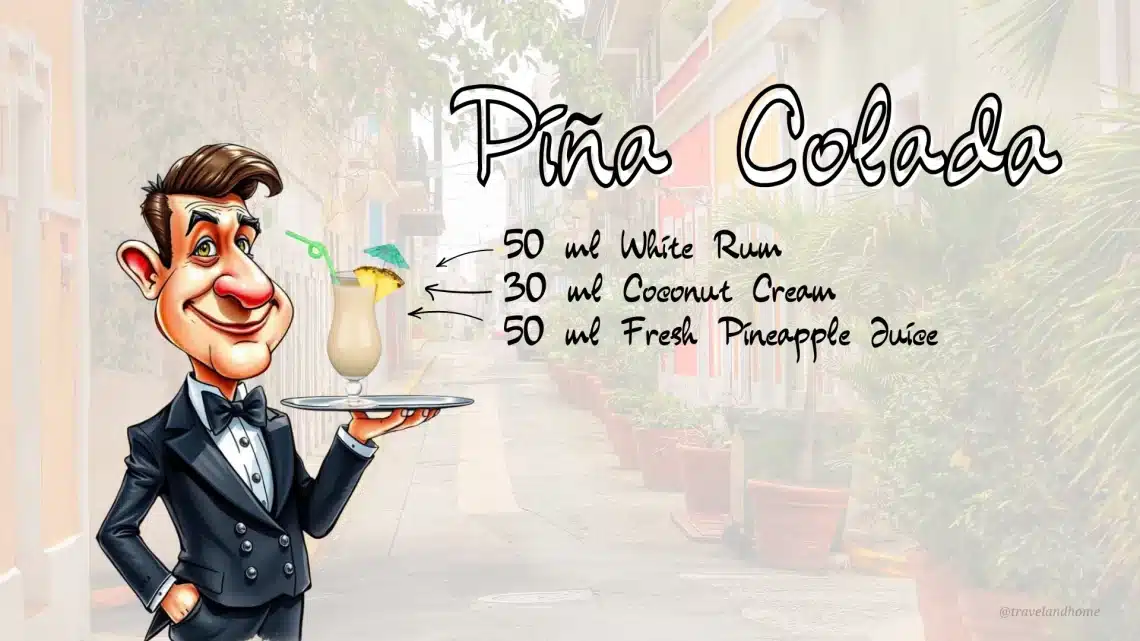
Picture it… San Juan, Puerto Rico, in the early 1950s. The air is warm, the palms sway lazily, and inside the elegant Caribe Hilton Hotel, bartender Ramón “Monchito” Marrero is chasing a dream. He wants to craft a drink that captures the island’s spirit — something creamy, sunny, and unmistakably Puerto Rican.
Behind the bar, he begins to experiment. He blends silky coconut cream, freshly pressed pineapple juice, and a generous pour of Puerto Rican rum. After countless trials, he shakes the mixture until it’s frosty and smooth, pours it into a chilled glass, and crowns it with a bright pineapple wedge.
One sip, and he knows he’s done it. The piña colada is born — a tropical symphony in a glass.
Word spreads quickly. Tourists fall in love with its velvety texture and sun‑kissed sweetness, while locals embrace it as a celebration of island pride. Soon, the piña colada becomes more than a cocktail; it becomes a cultural emblem, a liquid postcard from Puerto Rico’s shores.
By the time the drink reaches global fame, it’s already woven into the island’s identity — a symbol of easygoing afternoons, ocean breezes, and the irresistible charm of Caribbean life.
And of course, its legend only grows when Rupert Holmes releases “Escape (The Piña Colada Song)”, a tune that finds its way into films, playlists, and beach bars around the world. The song becomes a classic, and the cocktail becomes iconic.
Today, every sip of a piña colada is an invitation to slow down, breathe deeply, and imagine yourself beneath the palms — toes in the sand, sun on your skin, and the taste of paradise in your glass.
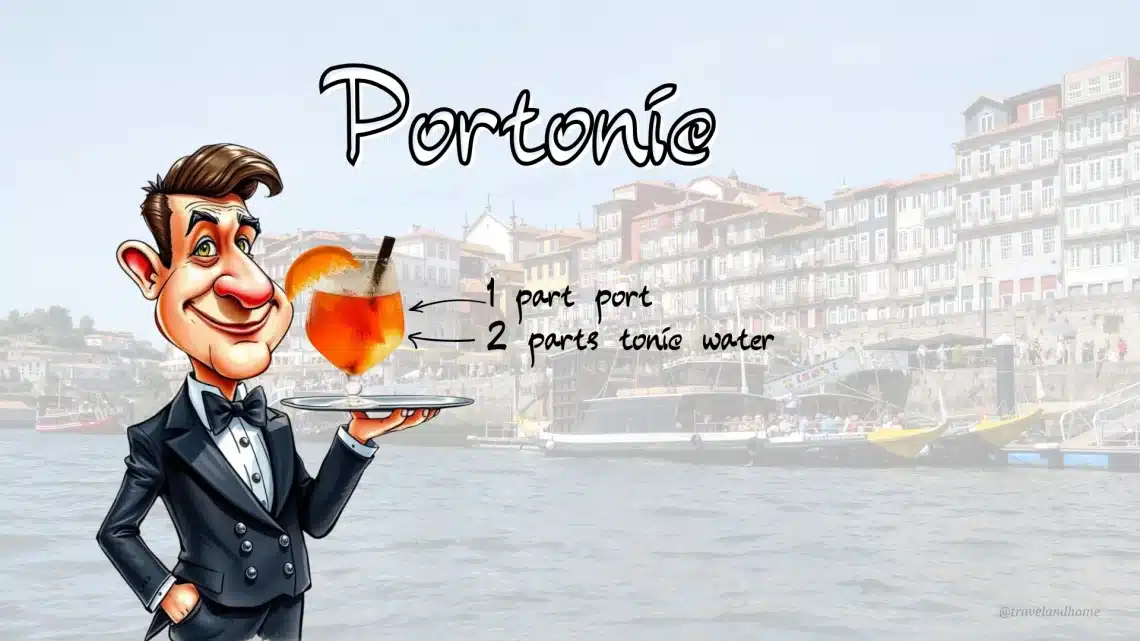
Picture it… The sun‑washed terraces of the Douro Valley, late afternoon light catching the river like liquid silver. Barrels of port rest in cool lodges in Vila Nova de Gaia, their deep ruby and amber tones waiting for winter evenings and fireside sipping. But Portugal, especially in summer, is hot — gloriously hot — and locals begin craving something lighter, brighter, and more refreshing than traditional port served neat.
By the mid‑20th century, bartenders in Porto start experimenting. They take white port — the often‑overlooked sibling of ruby and tawny — and pour it over ice. They top it with tonic water, add a slice of citrus, maybe a sprig of mint, and suddenly the drink transforms. Crisp. Botanical. Effortlessly cooling. A revelation hiding in plain sight.
What began as a local bartender’s trick becomes a quiet regional secret: the Portonic (or Porto Tónico). It’s the Portuguese answer to the spritz — lighter than a gin and tonic, more aromatic than a wine spritzer, and unmistakably tied to the terroir of the Douro.
As travelers discover Porto’s wine lodges and riverside cafés, the Portonic spreads. By the 21st century, it becomes a global darling: the drink that proves port isn’t just for winter, and that tradition can be refreshed with a single splash of tonic.
Today, the Portonic is the taste of Portuguese summer — bright, breezy, and as welcoming as a seat by the river at golden hour.
🕮 Suggested Read: Portonic took Europe by storm. It became one of the most popular cocktail drinks!
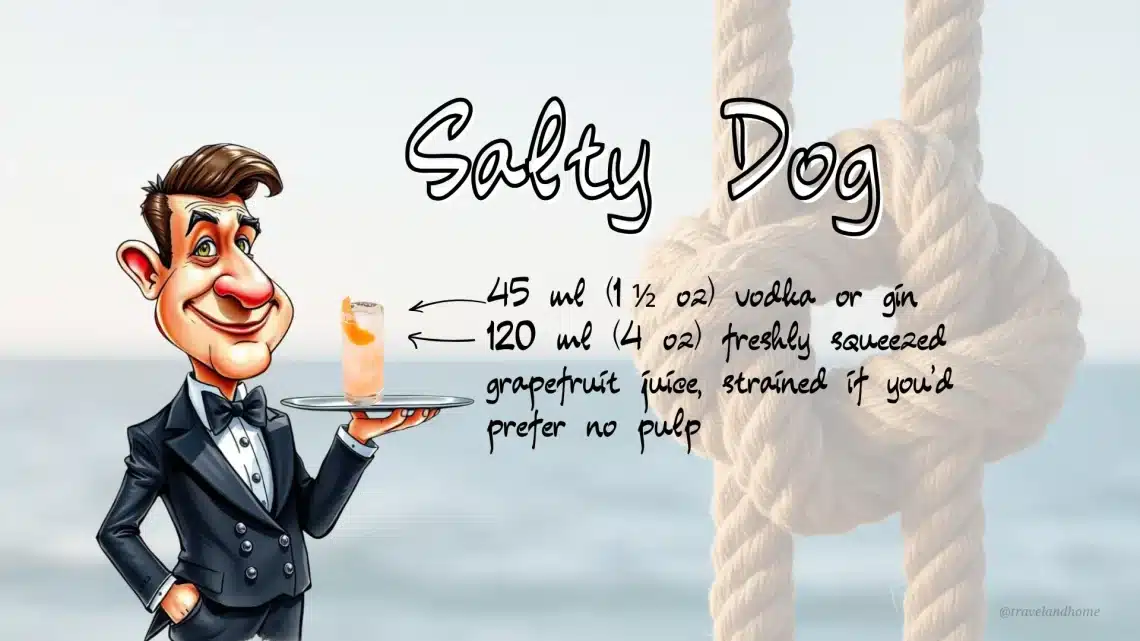
Picture it… The 1950s, a time when ocean breezes and nautical adventures were all the rage. In the midst of this seafaring era, a brilliant bartender with a love for all things maritime set out to create a drink that would capture the essence of the ocean in a glass. Combining the sharp bite of vodka or gin with the briny tang of grapefruit juice, he crafted a cocktail that perfectly captured the balance between refreshing and invigorating. To pay homage to the sea, he rimmed the glass with a sprinkle of salt, reminiscent of the misty spray that graces the deck of a ship. As the Salty Dog made its debut, it quickly gained popularity among sailors, beachgoers, and cocktail aficionados alike, becoming a true maritime classic.
🕮 Suggested Read: A taste of Spain – Making sangria is pretty straightforward and doesn’t take too long! It’s perfect for sharing with friends or family at a gathering. Click on our link to view the recipe.
🕮 Suggested Read: Hop over to our Sauergespritzter recipe — the refreshing German take on a Lemon Spritzer.
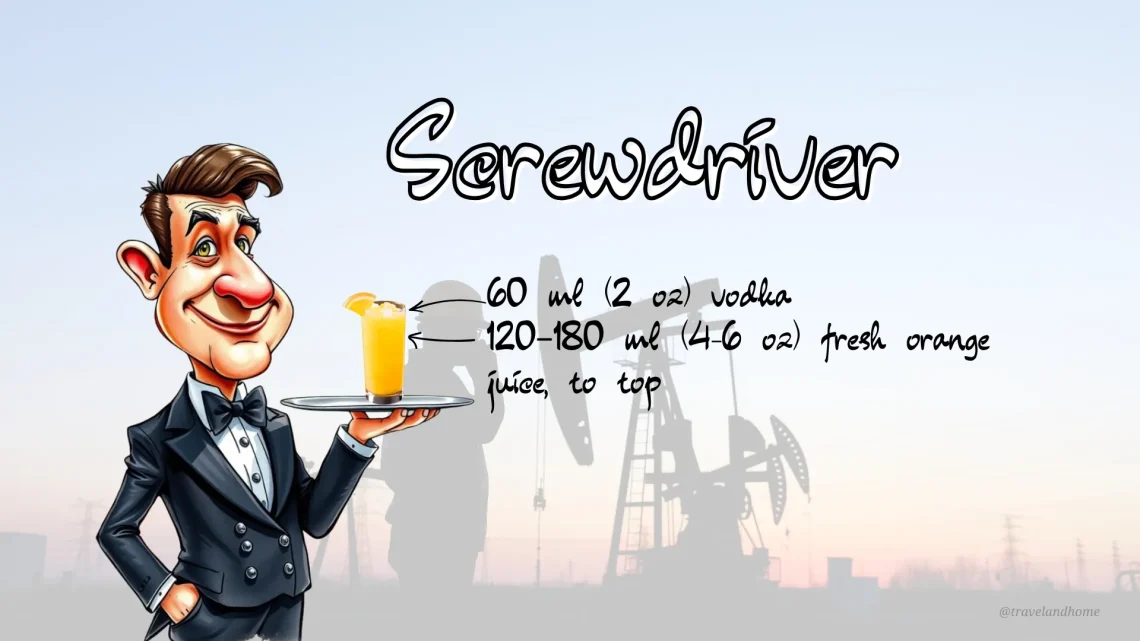
Picture it… The 1940s and the world is buzzing with excitement and post-war energy. In the land of eternal possibilities, the United States, a fascinating drink was being concocted. Legend has it that American oil workers in the Persian Gulf had a clever way of enjoying their cocktails even when tools were scarce. They ingeniously used their trusty screwdrivers to stir together a simple combination of vodka and orange juice. Voila! The Screwdriver was born, blending the smoothness of vodka with the vibrant zest of freshly squeezed orange juice. It wasn’t long before this handy drink made its way back to the States, where it became a hit in bars and households alike. Its popularity skyrocketed, and soon it was the go-to drink for those seeking a refreshing and uncomplicated libation.
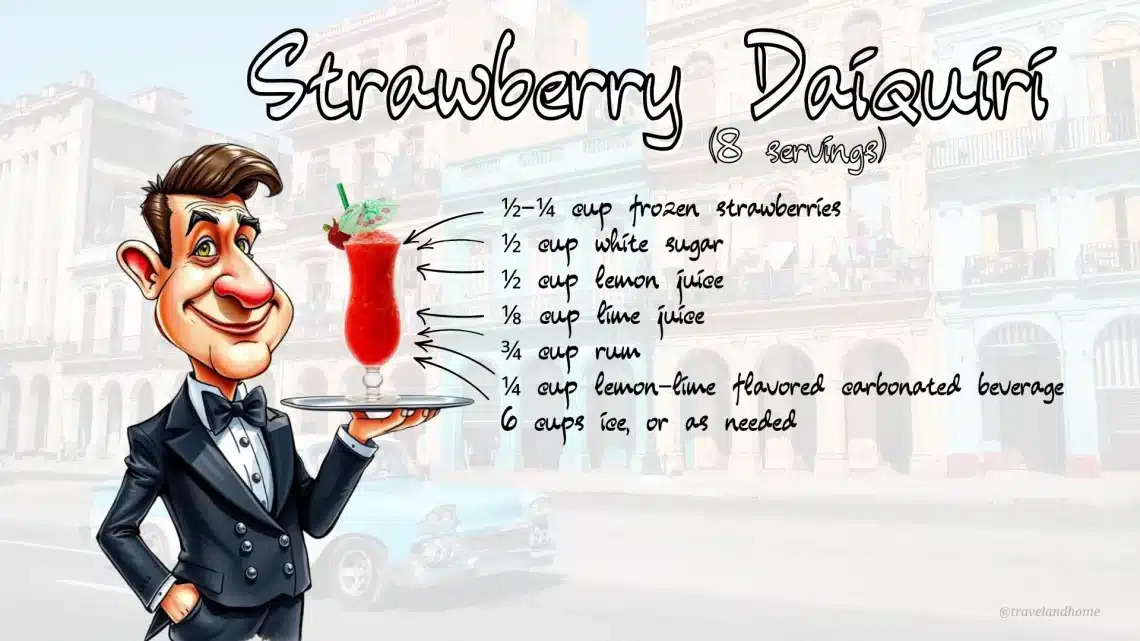
Picture it… The tropical paradise of Cuba, back in the early 20th century, was where the sun-kissed shores and rhythmic beats of salsa set the stage for this fruity delight. Legend has it that in the 1930s, a charismatic bartender named Constantino Ribalaigua, who ran the famous El Floridita bar in Havana, was inspired to put a delightful twist on the classic Daiquiri. Armed with his creativity and an abundance of fresh, juicy strawberries, he decided to blend them with the traditional ingredients of rum, lime juice, and a touch of sugar. The result? A vibrant and refreshing elixir that perfectly captured the essence of Cuba’s tropical flavors. As the Strawberry Daiquiri danced on the taste buds of locals and travelers alike, it quickly became an instant sensation, spreading its fame beyond the shores of Cuba. Today, the Strawberry Daiquiri stands tall as a symbol of summertime indulgence and a go-to cocktail for those seeking a delightful blend of sweetness and tanginess.
Pour all of the ingredients into a cocktail shaker over ice and shake gently. Strain into a chilled cocktail glass and enjoy.
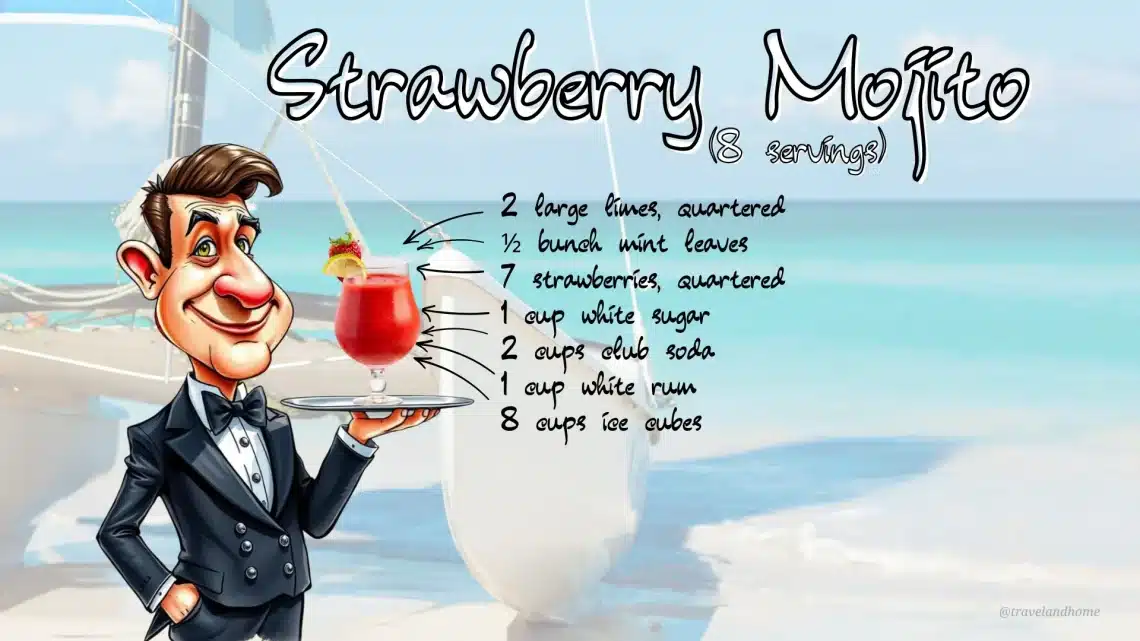
Picture it… Havana in the golden heat of late afternoon — music drifting from open doorways, palm fronds swaying lazily, and bartenders in crisp white shirts muddling mint with the rhythm of the city. The classic mojito has already become a Cuban icon: rum, lime, sugar, mint, and soda, a drink born from the island’s sugarcane fields and perfected in its bustling bars.
For decades, the mojito stays true to its roots. But as Cuban cocktails spread across the world in the late 20th century, bartenders begin to play. Fresh fruit becomes the new language of tropical mixology — mango, pineapple, passionfruit — each one adding a twist to the mojito’s clean, herbal backbone.
Then comes the star: strawberries. Sweet, fragrant, and jewel‑bright, they blend effortlessly with mint and lime. In beach bars from Miami to Mallorca, bartenders start muddling ripe strawberries into the glass, turning the mojito into something softer, pinker, and more indulgent. The drink becomes a symbol of summer holidays — sunburned shoulders, warm nights, and the first sip that tastes like pure vacation.
By the early 2000s, the strawberry mojito isn’t just a variation; it’s a global favorite. A playful evolution of a Cuban classic, shaped by travel, sunshine, and the universal love of fruit‑forward cocktails.
Today, it’s the drink you order when you want something familiar but fun — a mojito with a blush and a smil
🕮 Suggested Read: If you’ve loved the cocktails thus far, you’re also going to love our feature on Tequila Sunrise cocktails.
⭐ Did You Know?
The Mexican town of Tequila is not only the birthplace of the world‑famous spirit but also a UNESCO‑recognized cultural landscape thanks to its blue agave fields. Travel‑and‑Home visited Tequila itself — and yes, you can even sleep inside a giant tequila barrel. Discover the whole experience in our Tequila Adventure post.
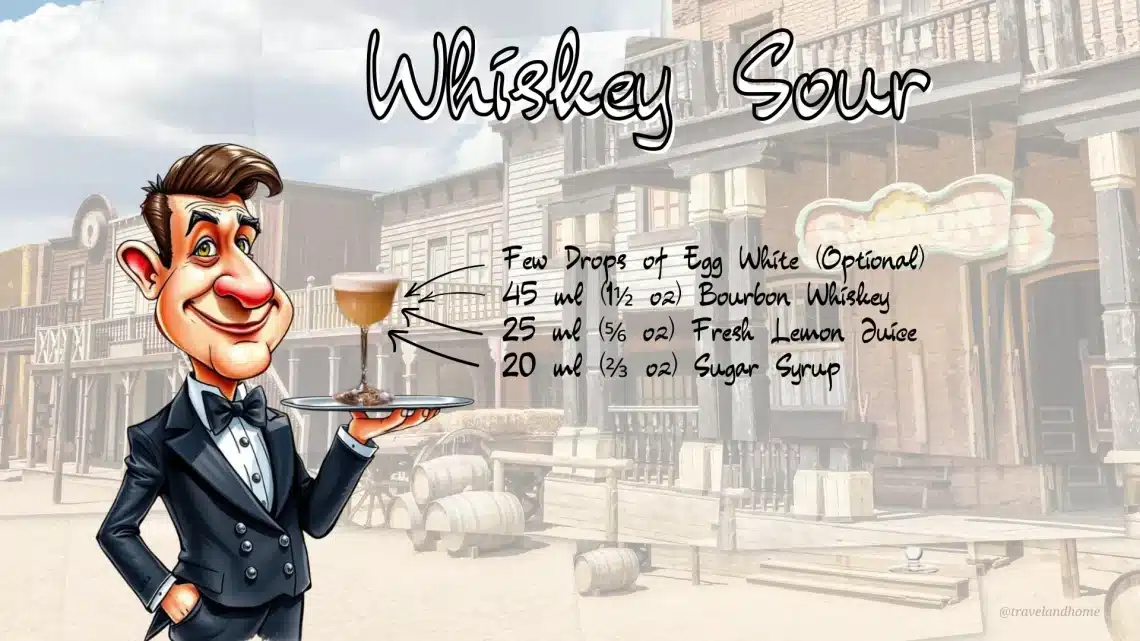
Picture it… It’s the 19th century, and you find yourself in the bustling saloons of the Wild West, where cowboys and outlaws sought refuge from the dust and heat. As the story goes, weary travelers and spirited locals alike sought a libation that could balance the robustness of whiskey with a touch of tangy refreshment. And so, the Whiskey Sour was born. Combining the smoothness of whiskey, the tartness of freshly squeezed lemon juice, and just a hint of sweetness from sugar, this cocktail became the perfect companion for those seeking a respite from the ruggedness of the frontier. Its simplicity and robust flavors quickly won over hearts and palates, spreading its popularity like wildfire. From saloons to speakeasies, the Whiskey Sour became a classic cocktail that has stood the test of time.
🕮 Suggested Read: How about a spooky and delightful “Witches’ Brew” cocktail for your Halloween party? This “Witches’ Brew” cocktail is a fun and festive addition to your Halloween party.
As I conclude our cocktail journey, let’s raise a glass to the art of mixing some of the best cocktails from around the globe. Whether you’re a seasoned mixologist or a curious enthusiast, the world of cocktails offers a kaleidoscope of flavors, stories, and experiences. It’s a realm where creativity knows no bounds, where spirits and ingredients dance together in harmony, and where every sip holds the potential for magic. From the classic concoctions that have stood the test of time to the innovative creations that push the boundaries of flavor, the art of mixing cocktails invites us to explore, experiment, and indulge. So, the next time you find yourself behind the bar or savoring a well-crafted cocktail in a cozy lounge, remember that you are part of a rich tradition, an ever-evolving craft that connects people, cultures, and moments of joy. Cheers to the magic of mixology, where every drink is a canvas, and every sip tells a story. May your adventures in the world of cocktails be filled with endless delight and unforgettable moments. Cheers, and keep mixing!
💬 Have a favorite cocktail from your travels? Share it in the comments — your tips inspire our community.
More cocktails, with or without alcohol
Beautiful Places



Comments