
Perhaps the best thing about Lofoten is that it doesn’t look quite real. Jagged mountains rise straight from the sea, tiny fishing villages sit beside glassy fjords, and white-sand beaches appear in places you would never expect to find them. Add cosy red cabins, winding coastal roads, the Midnight Sun and, in winter, the Northern Lights, and you have a corner of Norway that feels almost dreamlike. Lofoten is not simply somewhere you go to see beautiful scenery — it is a place you experience, slowly, one unforgettable view at a time. So, is Lofoten the best place to visit in Norway? We think it deserves to be very high on your list.

Even on cloudy days, the colourful houses and beautiful nature scenes are simply too beautiful for words. There are so many excellent reasons to visit Lofoten, and you definitely won’t regret booking your vacation here. But where to start…
Lofoten is made up of a string of beautiful islands, each with its own special places to discover.
Lofoten is in northern Norway, above the Arctic Circle, far north of the mainland city of Bodø. The islands stretch out into the Norwegian Sea, with the mainland on one side and open ocean on the other. The main places visitors explore include Svolvær, Henningsvær, Reine, Hamnøy and Å, connected by roads that wind through some spectacular mountain and coastal scenery.

…of the Lofoten archipelago are:

There are so many options on where to stay, that the fact of booking your vacation here can be quite daunting. However, we can maybe help to make the decision easier:
Travel Tip –
Choose a town in Lofoten that aligns with your interests and desired activities. For example, if you’re an outdoor enthusiast, staying in Svolvær or Reine could provide easy access to hiking trails and stunning landscapes. If you prefer a more serene and artistic atmosphere, Henningsvær might be the ideal choice.

Travel Tip –
Evaluate the accessibility of the town and the availability of amenities that are important to you.
Svolvær offers more options in terms of accommodations, restaurants, and services, making it a convenient base for exploring the region.
However, if you prefer a quieter and more intimate experience, Reine or Henningsvær may offer a more authentic and serene setting.
You’ll soon discover some of the places have spectacular views >>>
Why should you go to Lofoten of all places? Because it’s beautiful. LOL – Oh yes we’ve already mentioned that. But seriously; it is beautiful !


Where you stay in Lofoten can become part of the experience itself. Instead of staying in an ordinary hotel, consider a traditional rorbu — one of the old fishermen’s cabins, many of which have been beautifully restored as accommodation.
Imagine opening your door in the morning to mountains rising from the sea, fishing boats bobbing on the water and the quiet of a small coastal village around you. It is this simple pleasure of waking up surrounded by Lofoten’s scenery that makes staying here feel so special.
There is something about Lofoten that is difficult to explain…
Maybe it is the feeling of driving beside the sea with mountains rising around you, sitting quietly beside a fjord, wandering through a tiny fishing village, or simply stopping to admire a view that takes your breath away.
Is Lofoten worth visiting? We think the answer lies in the experience itself.
What does it feel like to go on vacation here? We’ll tell you >>>
5 days is a good minimum for a first visit. You can see highlights such as Svolvær, Henningsvær, Reine, Hamnøy and Å, enjoy some scenic drives and still have time to stop at beaches, cafés and viewpoints.
7 days is even better. Lofoten is a place to slow down, enjoy the scenery and allow some flexibility for changing weather. An extra couple of days also gives you time for a boat trip, hiking or simply enjoying your accommodation and the landscape around you.
My recommendation: stay for a week if you can. Lofoten is too beautiful to experience as a quick stop.

Prepare your own Norwegian Salmon at home – an easy recipe >>
or make our delicious Salmon Salad >>

Take every opportunity you have to see the sun rise. Do some hiking or snowshoe trekking. Ski in the winter while enjoying a spa experience. Or go on a sailing and fishing trip in summer time. Kayaking is one of the best ways to explore the islands while enjoying the fauna and flora. Mountain climing: Climb Svolværgeita towering above Svolvær harbor and the Vestfjord. See the Northern Lights and experience the midnight sun.
Yes, especially if it is your first time in Lofoten. A guided day trip is an easy way to see several of the islands’ highlights without worrying about driving, parking or finding the best viewpoints yourself. There are full-day sightseeing tours covering places such as Reine, Hamnøy, Å and Henningsvær, as well as boat trips to Trollfjorden, kayaking, fishing and Northern Lights tours.
For a first-time visitor, I’d consider a full-day scenic tour one of the most useful bookings — then spend the other days exploring at your own pace.
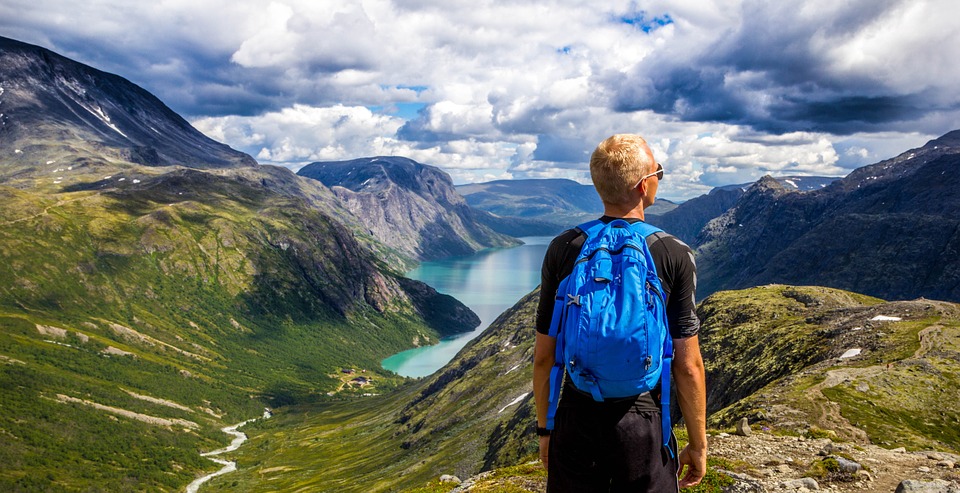
Getting to the Lofoten Islands is straightforward once you understand how the regional transit hubs connect. Depending on your budget, timeframe, and preferred pace, you can reach the archipelago by air, road, or rail.
Flying is the quickest way to reach Lofoten. Depending on your destination within the islands, you can fly directly onto the archipelago or land at a nearby mainland hub:
Direct Islands Airports: Svolvær Airport (SVJ) in the north and Leknes Airport (LKN) in the center are Lofoten’s primary airports. Widerøe operates regional flights into both, as well as to the tiny island of Røst (RET).
Mainland Gateways: Harstad/Narvik Airport Evenes (EVE) and Bodø Airport (BOO) handle larger jet aircraft with direct connections from Oslo and other major hubs. Landing in Evenes allows you to pick up a rental car and drive straight onto the E10, while Bodø connects directly to regional flights or passenger ferries across the fjord.
If you prefer a scenic road trip, driving allows you to explore the archipelago at your own speed:
Driving All the Way: Thanks to the E10 highway (the Lofast road connection), you can drive onto the islands from the mainland without needing a ferry.
Car Ferry Shortcut: Many travelers rent a car in Bodø and take the Bodø to Moskenes car ferry (3 to 4 hours) to arrive directly at the southern tip of Lofoten.
Traveling by rail offers dramatic Scandinavian scenery and connects cleanly with regional buses or ferries:
From Oslo (via Bodø): Take the Nordland Line from Oslo via Trondheim directly to Bodø, the end of the line. From Bodø station, you can transfer to the ferry or express boat to Lofoten.
From Sweden (via Narvik): Daily trains run from Stockholm and Kiruna across the border to Narvik. From Narvik, dedicated express buses run west along the E10 into the heart of Lofoten.
Summer (June – August): All routes operate at maximum capacity. Ferries between Bodø and Moskenes fill quickly, making advance vehicle reservations essential.
Winter (October – March): Winter offers northern lights and snowy views, but weather conditions can cause flight delays or ferry cancellations. Rental cars come equipped with winter tires, but drivers should be comfortable navigating icy coastal roads.

Yes, but having a car gives you much more freedom. Buses connect the main towns and villages, and ferries serve some routes between the islands. Without a car, it is best to base yourself in a well-connected area such as Svolvær and use public transport or organised day trips to explore further afield. If you want to stop at beaches, viewpoints and little villages along the way, renting a car is the easier option.
My pick for a first-time visitor: June or July. You get the beautiful summer landscapes, very long days and plenty of time to explore the islands.
Pack layers and waterproof clothing, even in summer. A waterproof jacket, comfortable walking shoes, warm layers and something to protect you from the wind are useful year-round. In summer, add sunglasses and sunscreen because of the long daylight hours. For winter, you will need proper warm clothing, including gloves, a hat and insulated footwear.
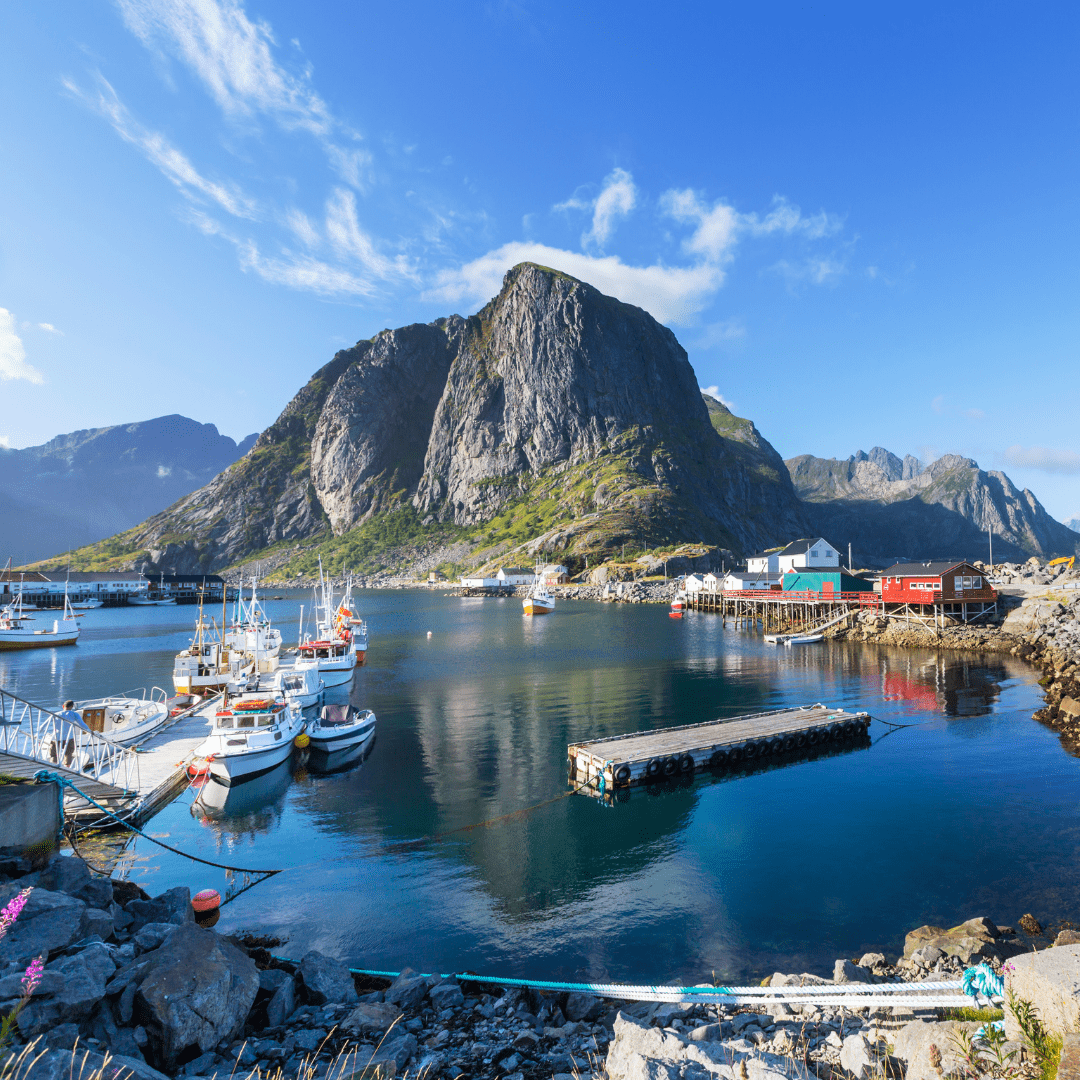
Lofoten can be expensive, particularly for accommodation, restaurants and organised activities. You can keep costs down by staying in self-catering accommodation, preparing some of your own meals, travelling outside the busiest summer months and booking accommodation and activities in advance. Having a car also makes it easier to combine sightseeing with your own plans instead of booking tours every day.
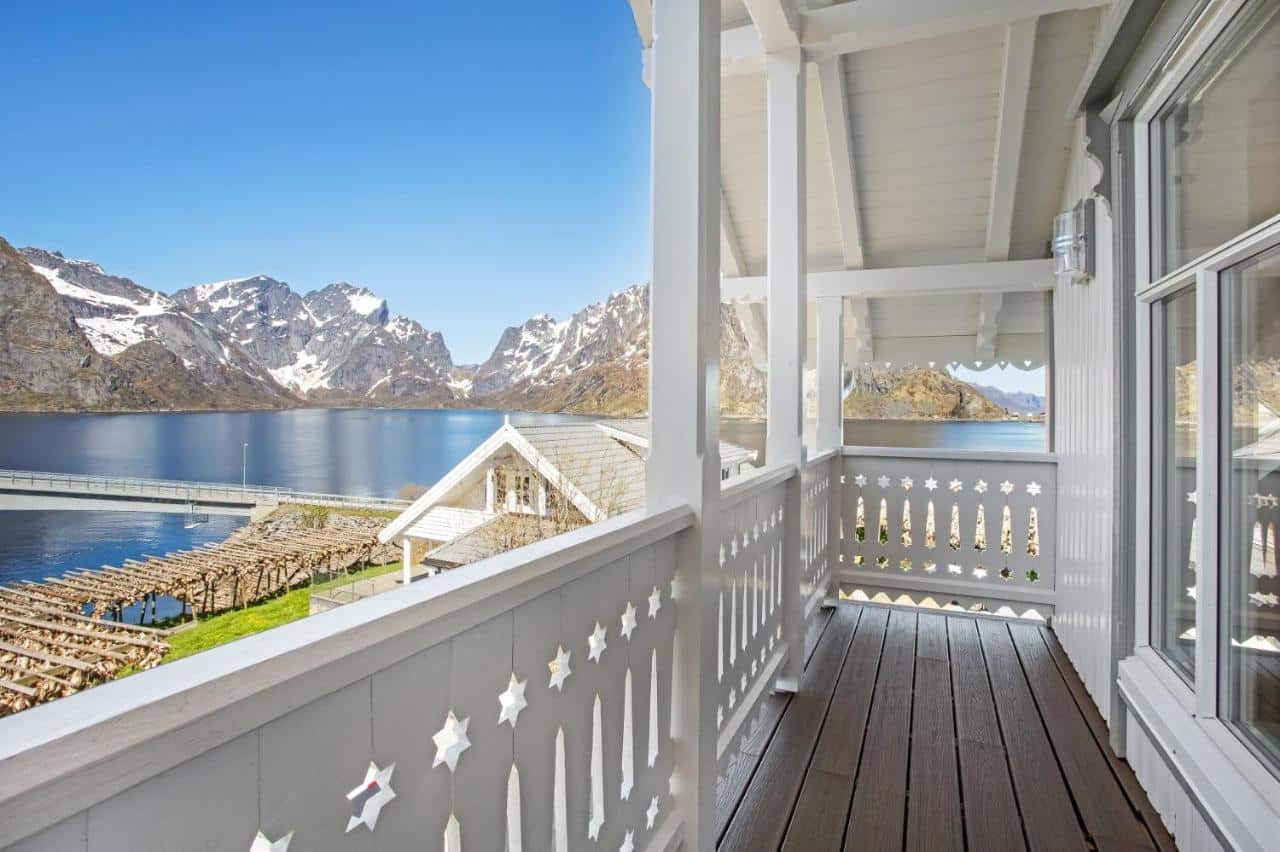
Don’t try to see everything. Lofoten is best enjoyed slowly.
Give yourself enough time to stop at the viewpoints, wander into little villages, sit in a café, take a scenic detour and simply enjoy the scenery. The weather can change quickly, so keep your plans flexible and let a beautiful day guide you.
The unexpected stops are often the moments you remember most.
There is no single answer to what makes a place the “best” in Norway, but Lofoten certainly has a very strong claim. Few places combine towering mountains, deep blue fjords, white-sand beaches, colourful fishing villages and spectacular coastal scenery in such a small area. Add the Midnight Sun, Northern Lights and the chance to enjoy it all at your own pace, and Lofoten becomes much more than a sightseeing destination. You don’t just come here to see Lofoten — you come to experience it.
Lofoten is a beautiful combination of feeling and seeing, with unforgettable experiences as the cherry on top.
Dreaming about this destination? Check out our travel inspiration video >>>