
If a friend asked me where to go in South Africa for wildlife, mountain scenery, small-town charm, and unforgettable road trips, I would immediately say Mpumalanga.
I’ve visited many parts of South Africa over the years, but Mpumalanga is one of those places that keeps pulling me back. Every visit feels different. One trip might revolve around wildlife sightings in the Kruger National Park. Another might focus on waterfalls, mountain views, and discovering small towns I somehow missed before.
The province’s name means “Place of the Rising Sun,” and after watching several sunrises here, I completely understand why.
Whether you’re planning your first safari or simply looking for a scenic South African road trip, Mpumalanga delivers far more than most travelers expect.
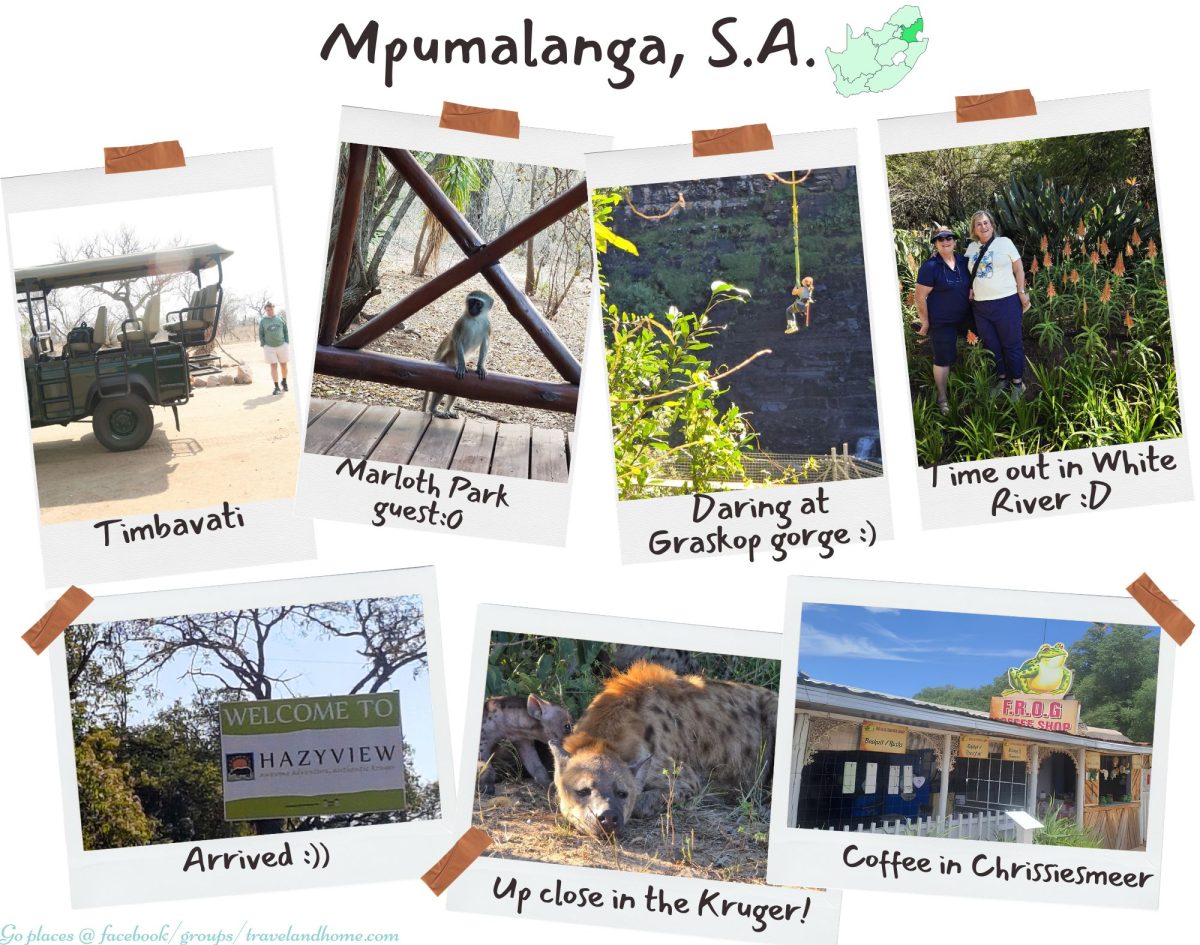
No visit to Mpumalanga feels complete without spending time in the Kruger National Park.
I still remember one early morning drive when I rounded a bend and found a herd of elephants crossing the road directly in front of my vehicle. Nobody rushed. Nobody seemed concerned. The elephants simply carried on with their day while I sat there grinning like a child.
That is the magic of Kruger.
The park stretches for hundreds of kilometers and offers some of the best wildlife viewing anywhere in Africa. Lions, leopards, elephants, rhinos, buffalo, giraffes, zebras, and countless antelope species call this place home.
One tip I always share with first-time visitors is to leave camp as early as possible. The wildlife tends to be more active during the cooler hours of the morning. Plus, there is something incredibly special about watching the African bush wake up as the sun rises.
Another tip? Don’t focus only on the Big Five. Some of my favorite sightings have involved hyenas, honey badgers, colorful birds, and playful troops of baboons.
Whenever friends ask where they should stay near Kruger, Hazyview is usually one of my first recommendations.
This friendly town sits close to several park gates and provides easy access to many of Mpumalanga’s major attractions.
I enjoy the relaxed atmosphere here. After a long day of game viewing, it feels good to sit outside, enjoy the warm evening air, and listen to the sounds of nature.
Hazyview also works perfectly as a base for exploring the Panorama Route, one of South Africa’s most scenic drives.
Just a short drive from Mbombela, White River offers a completely different experience.
The town has a peaceful atmosphere, beautiful gardens, art galleries, coffee shops, and lovely accommodation options. It often serves as a quieter alternative to staying in larger towns.
During one visit, I stopped for what I expected to be a quick coffee break. Several hours later, I was still wandering through local craft shops and chatting with residents who happily shared their favorite nearby attractions.
Sometimes the best travel memories happen when you slow down and allow yourself to explore without a schedule.
If scenic viewpoints make you reach for your camera every few minutes, you’ll love Graskop.
This small town serves as the gateway to many of Mpumalanga’s most famous natural attractions. From here, you can visit God’s Window, Bourke’s Luck Potholes, Lisbon Falls, Berlin Falls, and the breathtaking Blyde River Canyon.
The first time I stood overlooking the canyon, I simply stayed there for several minutes taking it all in. Photographs never seem to capture the true scale of the landscape.
One practical tip: weather conditions can change quickly around the escarpment. I’ve experienced brilliant sunshine and thick mist on the same day. Carry a light jacket even during warmer months.
And while you’re in Graskop, don’t rush off too quickly. The town has developed into a destination in its own right, with restaurants, adventure activities, and plenty of local character.
Marloth Park offers one of the most unique accommodation experiences in South Africa.
Located alongside the southern boundary of Kruger National Park, this wildlife conservancy allows animals to roam freely between properties. It isn’t unusual to wake up and find zebras, warthogs, kudu, or giraffes wandering past your patio.
The first time I stayed here, I walked outside with my morning coffee and nearly spilled it when a group of zebras appeared a few meters away.
Marloth Park gives visitors a more relaxed bush experience while remaining close to Kruger’s Crocodile Bridge Gate.
Many travelers use it as an affordable base for daily game drives into the national park.
While most visitors head straight for Kruger or the Panorama Route, I always encourage people to consider Chrissiesmeer.
Known as South Africa’s Lake District, the area contains numerous lakes, wetlands, and birdlife habitats. The scenery feels completely different from what many people expect in Mpumalanga.
The peaceful atmosphere surprised me during my first visit. After spending time in the busier tourist areas, Chrissiesmeer felt wonderfully untouched.
Birdwatchers especially love this region. However, even if you’re not interested in birds, the quiet roads, open landscapes, and small-town hospitality make it worth the detour.
It is the kind of place where you stop for lunch and end up staying much longer than planned.
One of the most inspiring experiences I had in Mpumalanga was learning more about the incredible conservation work taking place in the Timbavati Private Nature Reserve.
Bordering the Kruger National Park and forming part of the Greater Kruger ecosystem, Timbavati allows wildlife to move freely across vast unfenced areas. This creates a truly wild safari experience, but what impressed me most was not the wildlife viewing. It was the people working behind the scenes to protect it.
Rhino poaching remains one of the biggest threats facing South Africa’s wildlife. Yet despite the challenges, Timbavati has become a leading example of how dedicated conservation teams can make a real difference. The reserve invests heavily in anti-poaching operations, aerial surveillance, highly trained ranger teams, and advanced monitoring systems designed to keep rhinos safe.
During my visit, I gained a much deeper appreciation for the daily commitment required to protect these magnificent animals. Conservation here is not simply a slogan or a fundraising campaign. It is a continuous, hands-on effort involving rangers, researchers, veterinarians, reserve staff, and local communities working together.
What struck me most was the determination of everyone involved. While visitors often focus on exciting wildlife sightings, there is another story unfolding every day in Timbavati—a story of resilience, dedication, and hope for future generations.
Of course, the reserve is also famous for its exceptional game viewing. Timbavati has long been associated with the rare white lions that occasionally roam the area, alongside the Big Five and an astonishing variety of other wildlife. However, knowing that your visit helps support meaningful conservation efforts adds an extra layer of purpose to the safari experience.
For me, Timbavati was a reminder that travel can be about more than seeing beautiful places. Sometimes it allows us to witness extraordinary people doing extraordinary work to protect the natural world.
Mpumalanga has plenty of lesser-known attractions beyond its famous highlights.
You can explore historic gold-rush towns, visit waterfalls hidden among forests, discover local markets, or simply enjoy some of South Africa’s most scenic drives.
I often find that the unplanned stops become the highlights of the trip. A roadside viewpoint, a local farm stall, or a conversation with a resident can easily become your favourite memory.
That’s one reason I recommend allowing extra time in your itinerary whenever possible.
Mpumalanga offers an incredible mix of wildlife, scenery, adventure, and small-town hospitality. You can spend your morning watching elephants in the Kruger National Park, enjoy lunch in Hazyview, admire mountain views near Graskop, and end your day with zebras wandering past your accommodation in Marloth Park.
Add White River’s charm and the peaceful landscapes of Chrissiesmeer, and you begin to understand why this province remains one of my favorite destinations in South Africa.
Every visit leaves me with new memories, new stories, and usually a growing list of places I still want to explore. If you’re planning a South African adventure, give Mpumalanga the time it deserves. I suspect you’ll leave already thinking about your return trip.
If you’ve been to Mpumalanga, I’d genuinely love to hear what stayed with you the most. Was it a sunrise drive in Kruger National Park, a quiet stop in White River, or maybe that moment when the Panorama Route completely surprised you?
Drop a comment and tell me your experience or your travel plans. I read every single one, and it always helps other travellers plan better too.
Sharing the places I’ve come to love. – Arina ♡