Nature has a playful side, and these extraordinary blooms are proof of it. From flowers that mimic birds and bats to petals shaped like hearts, lips, and even mythical creatures, each one feels like a tiny work of art. Whether you’re a gardener, a traveler, or simply someone who loves discovering the world’s hidden wonders, these unusually shaped flowers invite you to pause, look closer, and marvel at the creativity woven into the natural world.
Nelumbo nucifera
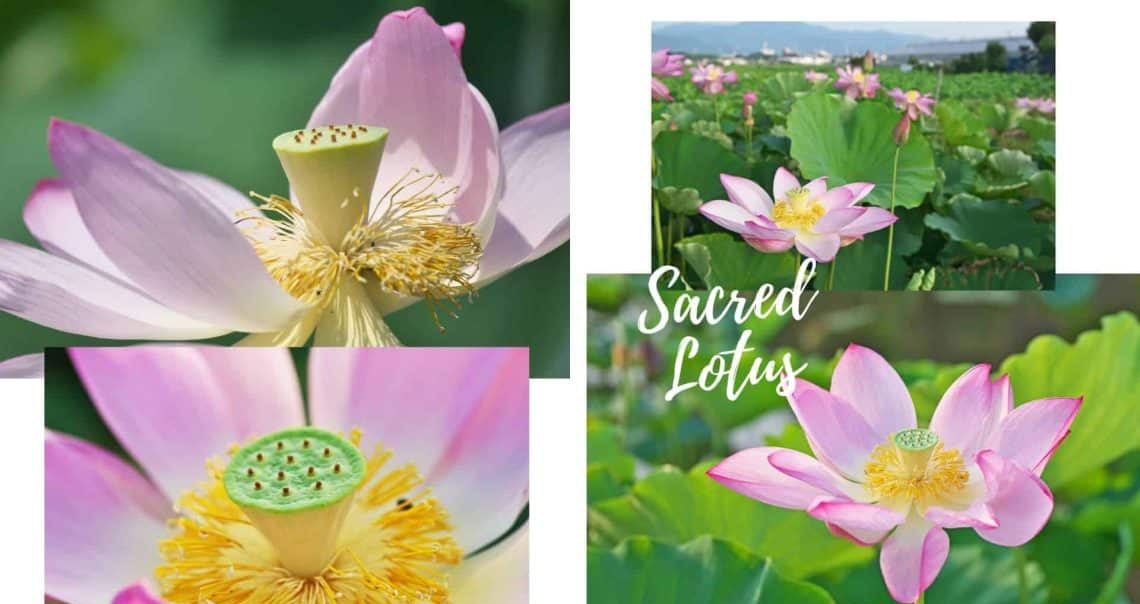
Rare are the flowers that hold spiritual significance, and among them, the sacred lotus shines. This remarkable bloom appears to float gracefully just above the water’s surface, resembling a tranquil pink boat, while beneath the surface, its roots delve deep into the dark, murky mud below. It’s a poignant reminder of the delicate equilibrium between the trials we face and the beauty that emerges.
As Mahatma Gandhi once said, “In a gentle way, you can shake the world.” The lotus, with its elegance and symbolism, gently stirs our understanding of life’s intricate balance, much like how our actions, even seemingly small ones, can have a profound impact on the world around us.
When they bloom: Sacred lotuses typically bloom from mid‑summer into early autumn, opening their iconic flowers from June through September.
Where it first grew: Across Asia’s warm wetlands — especially in India, China, and Southeast Asia — where it has flourished for thousands of years in calm, shallow waters.
Growing tips: They thrive in full sun, warm temperatures, and still shallow water. Plant the tubers in a wide container submerged in a pond or water feature, and give them nutrient‑rich soil and at least 6 hours of sunlight. Once established, they’re surprisingly resilient.
Where to see it: Sacred lotus ponds are breathtaking across India and Southeast Asia.
Habenaria medusa
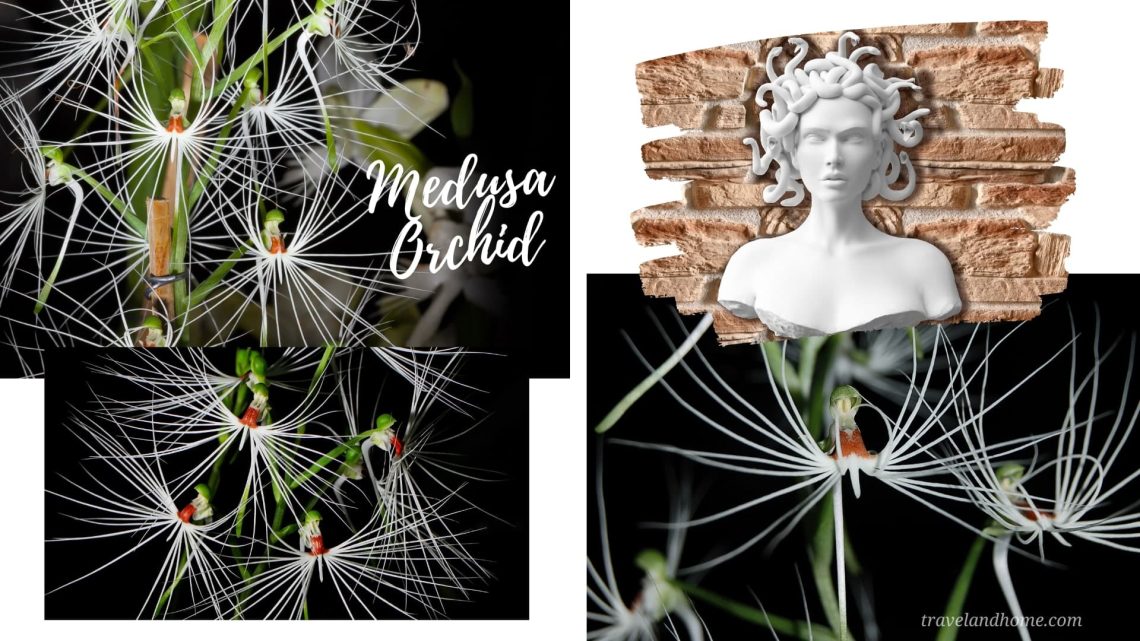
The Medusa Orchid is a unique and striking flower. Its appearance is often said to evoke the mythical Gorgon Medusa, known in Greek mythology for her serpentine hair. The long, slender, and twisting petals of the Medusa Orchid resemble the serpentine locks of Medusa. It’s a captivating comparison that adds an element of intrigue to this exquisite orchid.
Where it first grew: Southeast Asia, including India, Nepal, Bhutan, Myanmar, Thailand, Laos, Vietnam, and southern China.
When they bloom: The Medusa Orchid usually flowers in late summer, often between July and September, sending out those ethereal, thread‑like petals that resemble flowing hair.
Growing tips: Habenaria medusa loves warm, humid conditions; well-drained soil; and bright indirect light. Keep the soil consistently moist and ensure good air circulation in a location with temperatures around 21-27°C (70-80°F).
Where to see it: This mythical orchid grows wild across Southeast Asia’s tropical forests.
Suggested Read: Where To Find Beautiful Flowers In Australia, France, Nepal, Sweden, Hungary, India
Lamprocapnos spectabilis
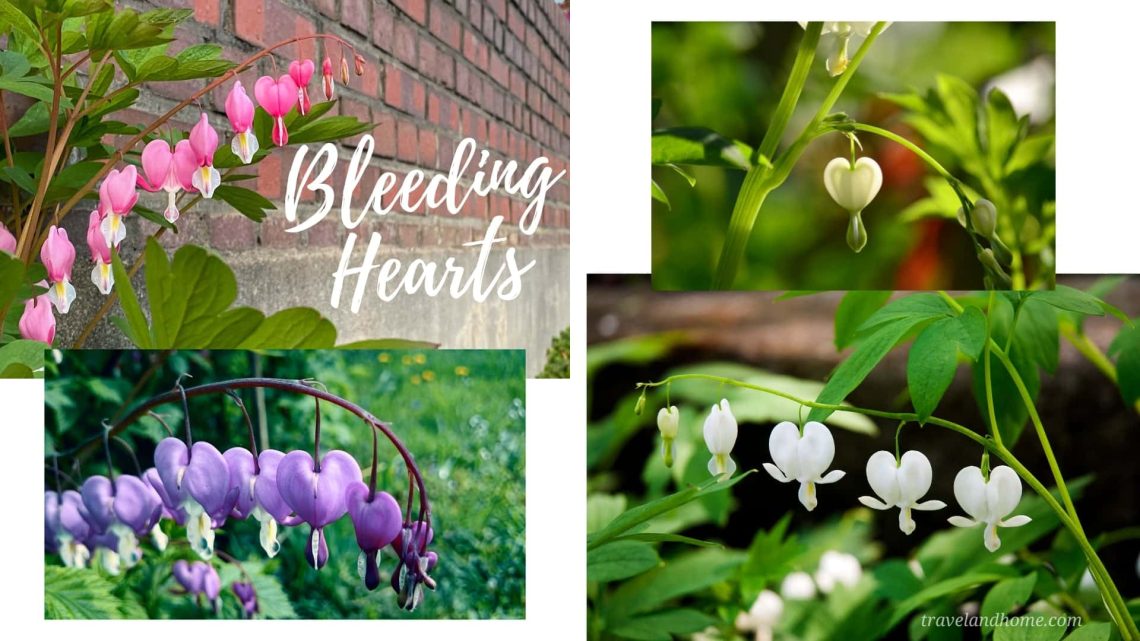
This plant is commonly known for its heart-shaped flowers in a beautiful magenta color.
There’s even a bit of a romantic tale connected to this flower – legend has it that it’s linked to the broken hearts of lovers who couldn’t be together.
Just like those unrequited lovers, this delicate flower returns to your garden year after year, serving as a sweet reminder to cherish the people you love.
Where it first grew: Siberia, China, and northern Japan.
When they bloom: They start blooming in April and continue through May, hanging gracefully from the plant’s long, arching branches.
Growing tips: Provide moderate shade and plant in rich, moist soil. Keep it well-watered. This way, it’ll thrive.
Where to see it: From Japan’s spring gardens to New England woodlands. In New England, it’s found growing naturally in the wild only in Connecticut and Maine, but you can spot it in gardens all over the region during the spring.
Suggested Read: This Is Why Nanyang World Grand Rose Garden, Like Keukenhof, Number 1 Must-Visit Attraction in Asia.
Alpinia zerumbet
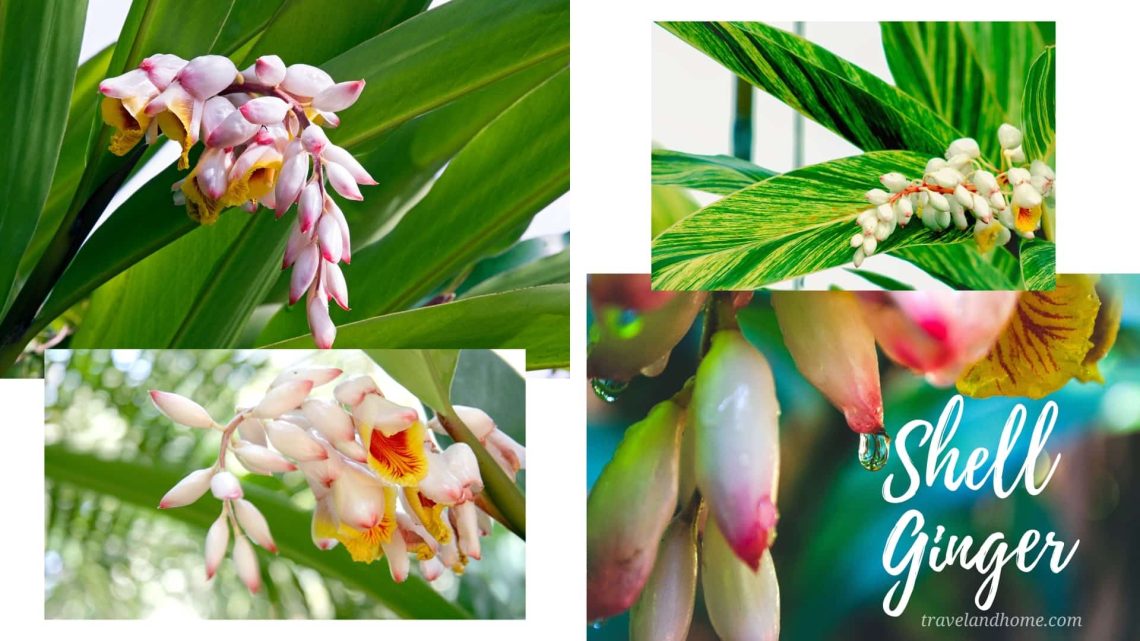
Alpinia zerumbet, also known as shell ginger, is a perennial ginger species hailing from East Asia. These plants can reach impressive heights of 2.5 to 3 meters and display striking, funnel-shaped flowers. They’re not only cherished for their decorative appeal but also for their culinary and traditional medicinal uses.
Before they burst into full bloom, each of these flower buds resembles a delicate, pearlescent seashell, with a hint of pink at the tips. But when they open up, they reveal a vibrant lily in shades of orange and red, stretching about three inches in length right on the vine. This tropical flower is not only visually charming but also boasts a delightful fragrance.
And here’s an interesting tidbit: both the leaves and flowers can be used to prepare shell ginger tea.
Where it first grew: East Asia, where it thrives in warm, humid, tropical regions.
When they bloom: Shell ginger typically bursts into color in late spring to early summer, with blooms appearing from May through July in warm climates.
Growing tips: Shell ginger prefers a warm, tropical climate with well-drained, rich soil. It thrives in partial shade, making it an excellent addition to your garden if you have the right conditions.
Where to see it: A tropical favorite across East Asia’s lush, humid landscapes.
Habenaria radiata
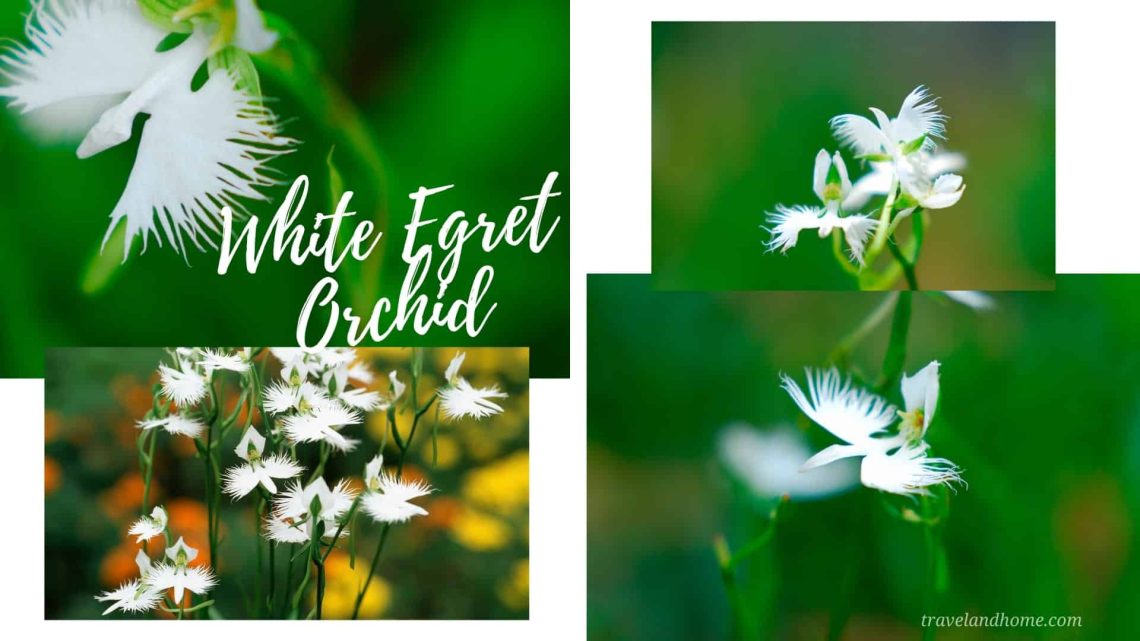
The White Egret Flower often reminds people of the elegant and graceful appearance of a white egret in flight. The flower’s pristine white petals, with the lip resembling the egret’s plumage, give it an uncanny resemblance to the bird in mid-flight. It’s a beautiful, poetic association that enhances the charm of this exquisite orchid.
Where it first grew: Japan, Korea, China, and parts of eastern Russia, where it naturally thrives in moist meadows and wetlands.
When they bloom: This delicate orchid blooms in mid‑ to late summer, usually from July through August, unfurling its feathery, bird‑like petals.
Growing tips: Maintain a cool environment at 15-25°C (59-77°F), provide bright, indirect light, use well-drained soil, and keep the soil consistently moist, especially during the growing season.
Where to see it: A delicate treasure of East Asia, especially Japan’s wetlands.
Psychotria elata
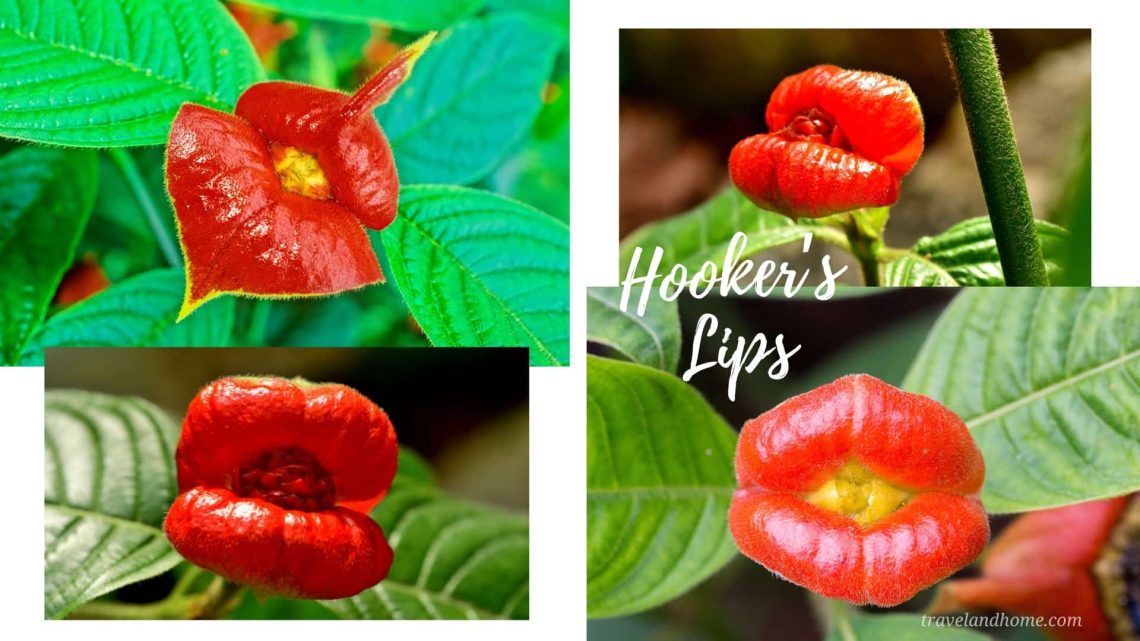
The Hooker’s Lips flower is famous for its bright red bracts that resemble luscious lips, making it look like it’s puckering up for a kiss.
Where it first grew: In the tropical rainforests of Central and South America, especially in Costa Rica, Panama, Colombia, and Ecuador.
When they bloom: The bright red “lips” appear in winter through early spring, typically December to March, before opening to reveal the small white flowers inside.
Growing tips: Hooker’s Lips prefers warm, humid conditions at 21-29°C (70-84°F). It requires well-drained soil, bright, indirect light, and consistently moist soil throughout its growth.
Where to see it: Deep in the rainforests of Central and South America.
Strongylodon macrobotrys
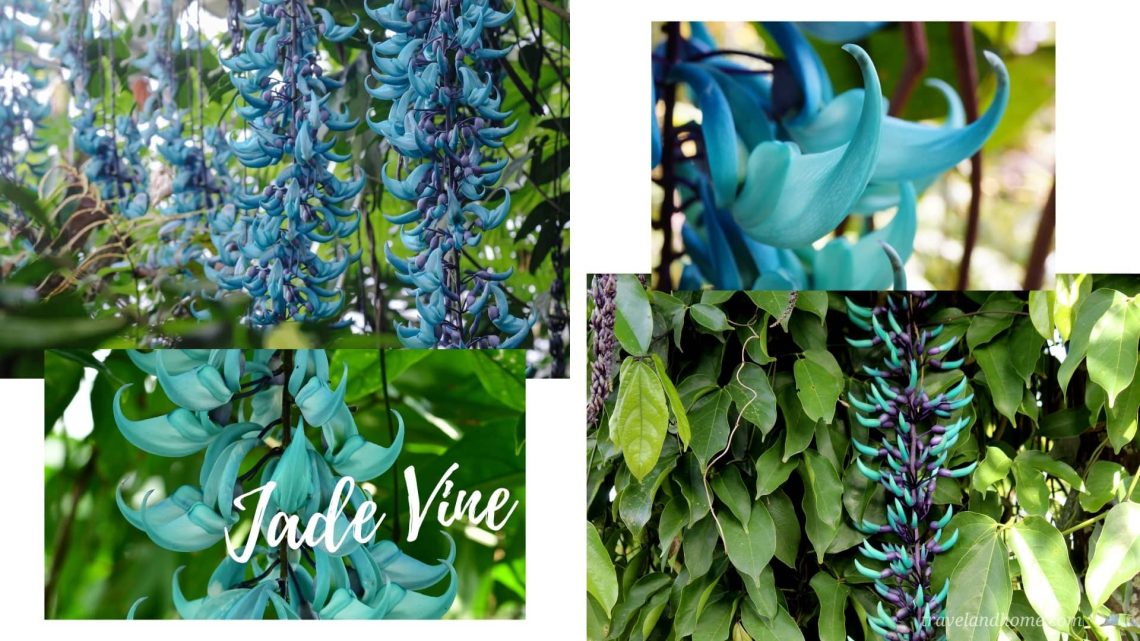
The jade vine belongs to the same plant family as peas and beans. This climbing plant, which hails from the Philippines, is known for its impressive growth, as it can reach up to 100 meters in its native habitat.
What’s truly fascinating is that nature has orchestrated a unique partnership with bats to pollinate the jade vine. The flower spikes, or racemes, of this plant are specially designed to attract bats. These nocturnal creatures hang upside down to sip nectar from the cup-shaped jade vine flower, playing a vital role in its pollination.
With the right conditions, you can bring this remarkable plant into your own garden, either by propagating it through seeds or using vine cuttings.
Where it first grew: In the tropical rainforests of the Philippines, where it climbs high into the canopy and glows with its surreal turquoise blooms.
When they bloom: Jade vine racemes appear in late winter through spring, most often from February to April, cascading in those surreal turquoise clusters.
Growing tips: Jade Vine wants Warmth and humidity. Ideally, it prefers temperatures between 21°C and 38°C (between 70°F and 100°F). Well-drained soil is essential, and providing sturdy support for climbing, such as a trellis, is a good idea.
Where to see it: The Philippines is the only place on Earth where jade vines grow naturally.
Dendrophylax lindenii
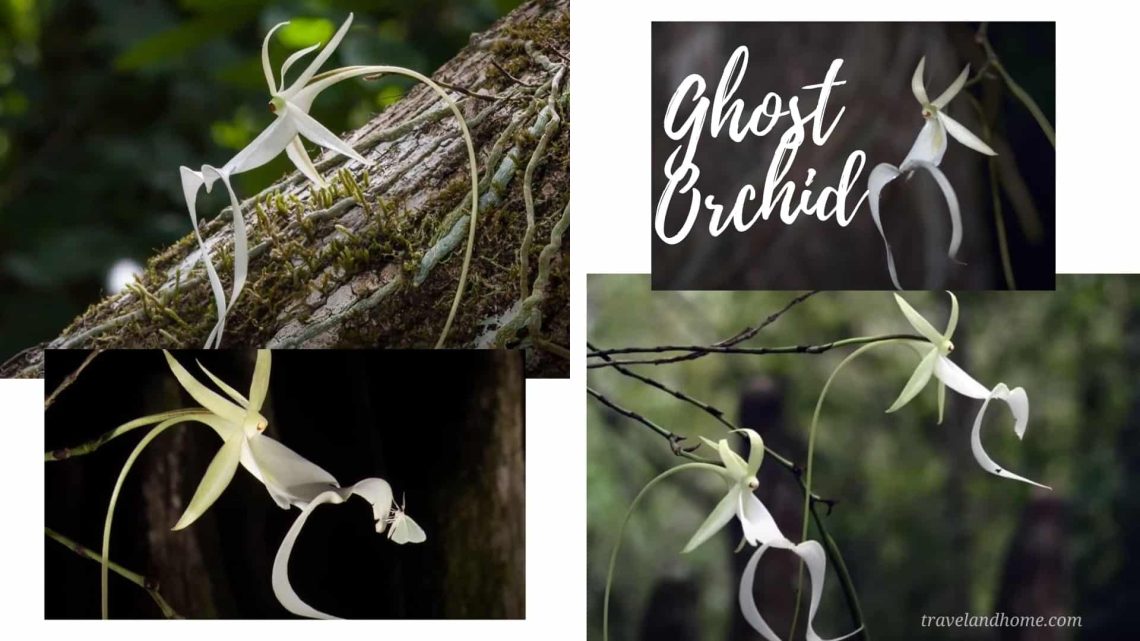
Just picture this – if Ghost Orchids were actually orange in color, they would make for the perfect Halloween plant! Their eerie, otherworldly appearance would fit right in with the spooky and mysterious vibe of the season. But, in their natural form, these orchids maintain their ghostly white elegance, making them unique in their own right.
Ghost orchids can live for a long time but take several years to mature and produce those captivating blooms.
Where it first grew: In the swamps and forests of South Florida, the Bahamas, and Cuba, especially in the Everglades, where it clings to old trees in humid, shaded habitats.
When they bloom: These elusive blooms have a unique schedule, choosing to grace us with their presence only once a year, typically in the summer, though sometimes they decide to appear in late spring. But one thing’s for sure – they operate on their own mysterious timeline.
Growing tips: They’re very hard to grow. To provide them with proper care, it’s crucial to supply pure water, such as rainwater, distilled water, or reverse osmosis water, and to maintain a consistently moist environment. High humidity is a non-negotiable requirement for their well-being.
Where to see it: Hidden deep in the swamps of Florida and the Caribbean. If you’re eager to lay eyes on one of these rare ghost orchids in person, prepare for an adventure into a swamp. However, even in their habitat, you’ll only be permitted to observe them from afar, often requiring binoculars for a closer look. But rest assured, the effort is absolutely worthwhile.
A charming mix of gifts and garden essentials — from a playful gardener’s T‑shirt to a multi‑tiered plant stand, a beautifully designed gardening logbook for tracking your growing seasons, and a versatile garden trolley that doubles as a seat or kneeling support. Lovely treats for anyone who enjoys tending plants, staying organized, or adding a little comfort to their time outdoors.
Passiflora incarnata
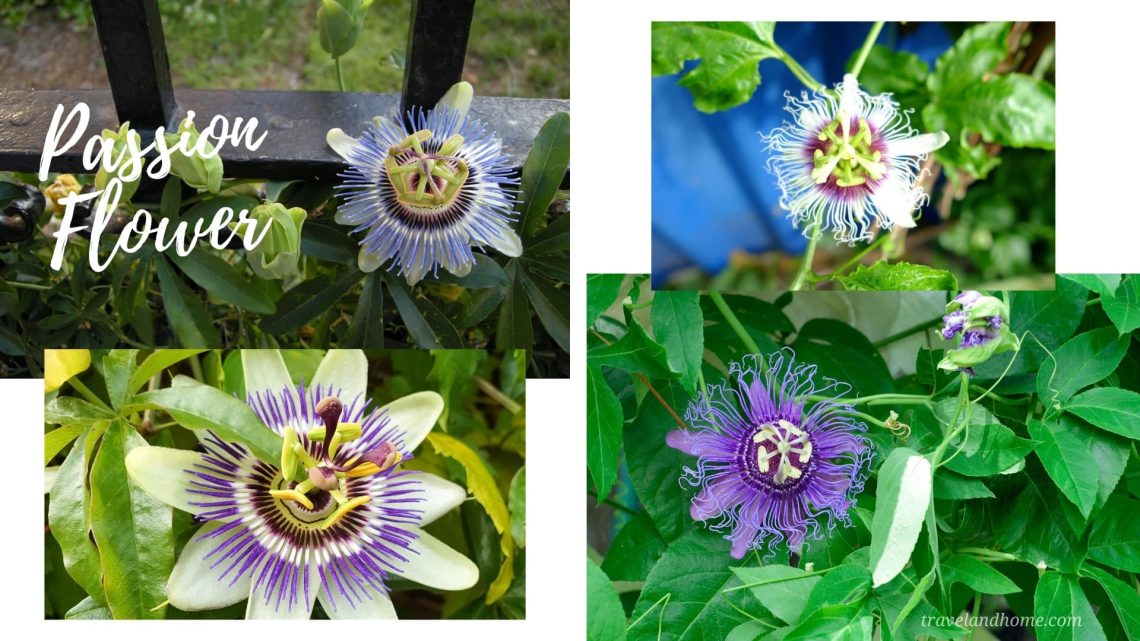
The passionflower has a unique appearance, almost as if it’s turned inside out. Its various parts are visible, pointing in all directions and displaying an array of colors. Even the vine it grows on is charming, with delicate, curling tendrils that grip tightly, allowing it to reach heights of up to 9.1 meters (30 feet).
It earned the name “Passionflower” or “Passion Vine” because its floral components were once thought to symbolize elements of the Christian crucifixion story, commonly called the Passion.
When they bloom: Passionflowers reach their peak bloom from midsummer into early fall, most commonly July through September.
Where it first grew: Across the southeastern United States, especially in the region stretching from Florida to Texas.
Growing tips: The Passion Flower thrives in average, well-drained sandy soils with full sun to partial shade.
Where to see it: Winding through meadows and woodlands across the American South. In its natural habitat, it’s often found along stream banks, roadsides, woodland edges, meadows, and pastures.
Tacca integrifolia
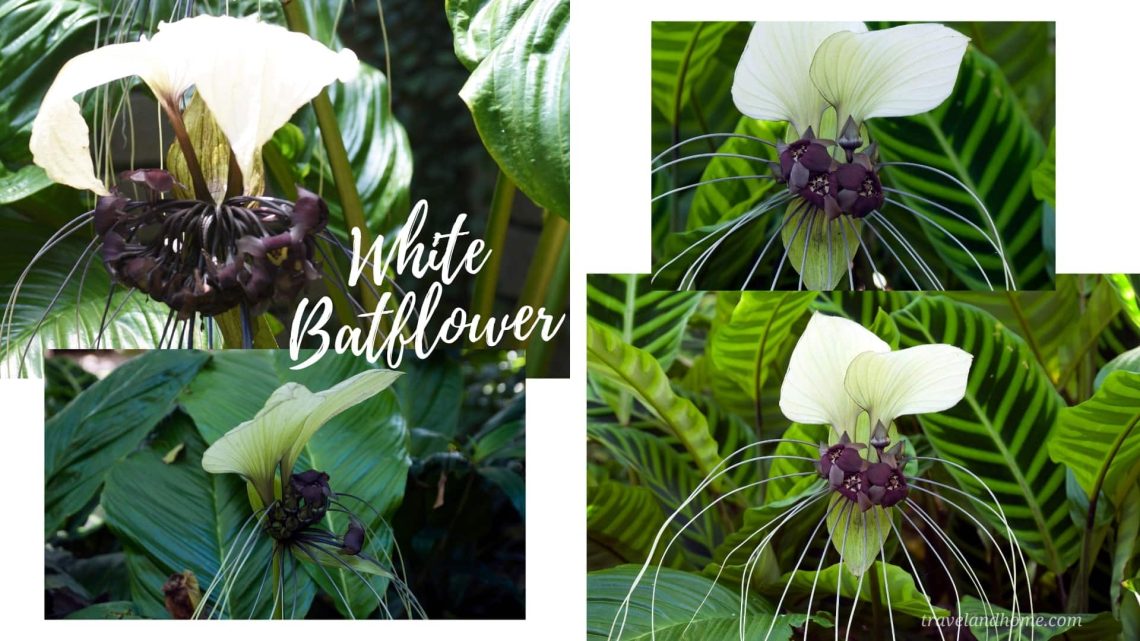
Scientifically known as Tacca integrifolia, this enigmatic flower goes by the names white batflower or black lily.
Although they are grown for their flowers, the flowers don’t last long once cut. So they are not a contender for inclusion in beautiful flower arrangements.
Where it first grew: In the tropical and subtropical rainforests of South Asia, especially in the hilly regions of Pakistan, Bangladesh, Indochina, the Malay Peninsula, Sumatra, Java, and eastern China.
When they bloom: The tropical white bat flower is truly a sight to behold, but you’ll need to stay up late to catch it in all its glory. As its stalk stretches to about 0.9 m (3 ft) above its sizable leaves, it unfurls its captivating blooms at night. Those wild tendrils and striking white and dark purple petals create a remarkable display. Some say it even resembles a bat, but its name comes from its pollinators—bats.
Growing tips: They love low to moderate light, well-drained, nutrient-rich soil, and consistently moist soil without becoming overly saturated. It thrives in temperatures between 21°C and 32°C (70°F to 90°F), making it well-suited to warm tropical environments.
Where to see it: Across tropical South and Southeast Asia’s rainforest regions.
And that’s our journey through ten of the world’s most wonderfully unusual blooms — each one a reminder that nature never runs out of surprises. Keep exploring, keep noticing, and keep that sense of curiosity alive. There are countless more extraordinary plants waiting to be found, whether in far‑flung forests, botanical gardens, or even your own backyard.