Home - World Recipes - Tfaya (or t’faya) Is A Traditional Moroccan Onion-Raisin Confit: Chefchaouen Most Delicious Topping Recipe
If you click on links we provide, we may receive compensation.
We link to affiliated partners at no extra cost to you.
The short and sweet of the story behind Tfaya is that after the fall of Granada in 1492 (yes, that long ago!), Muslim and Jewish refugees settled in Chefchaouen. They brought culinary traditions that emphasized sweet-savory pairings—like raisins, honey, and onions cooked together. Tfaya reflects this Andalusian touch. Chefchaouen, isolated in the Rif Mountains for centuries, developed a strong communal food culture. Tfaya became a way to elevate couscous into a festive centerpiece, shared from one large bowl with family and guests.
Today, Tfaya (sweet braised onions with raisins and honey) is most often prepared for Friday couscous, weddings, and religious holidays. Its sweetness symbolizes joy and abundance, making it a celebratory garnish rather than an everyday dish.

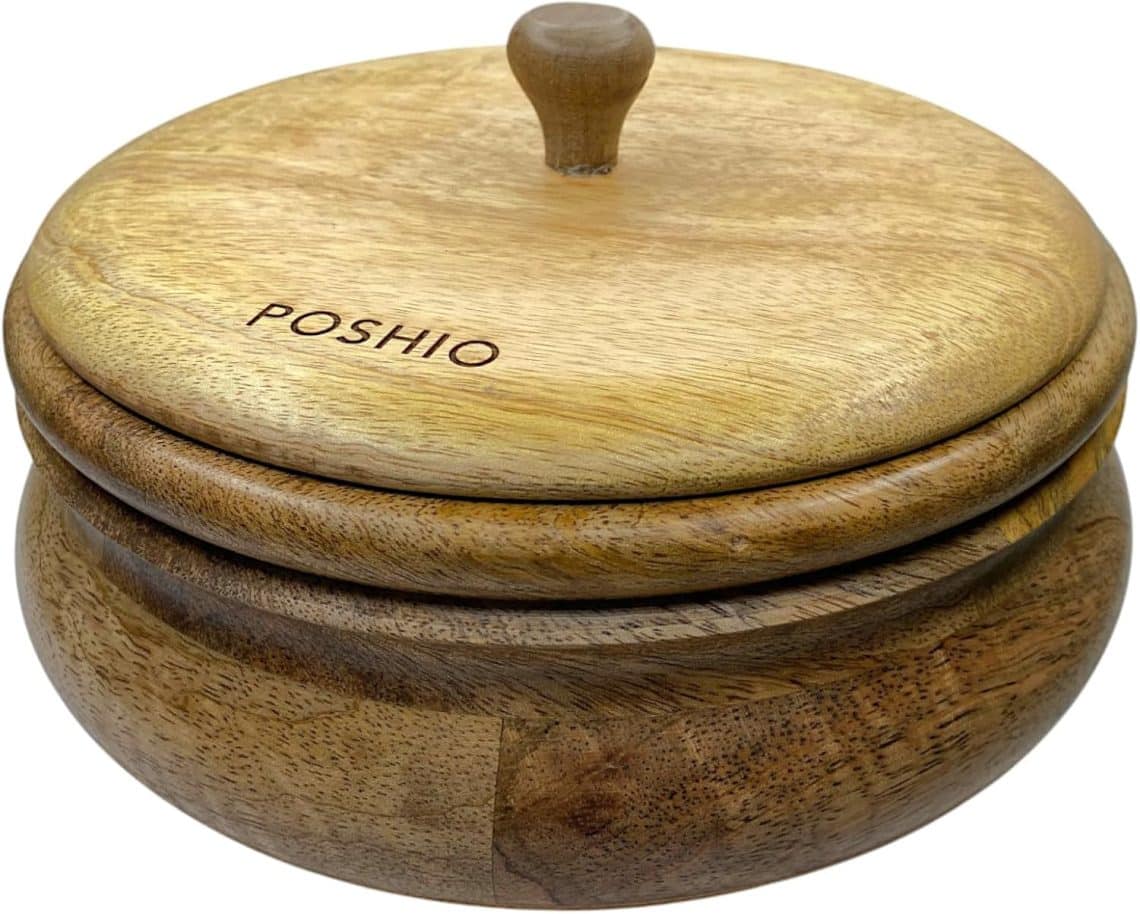
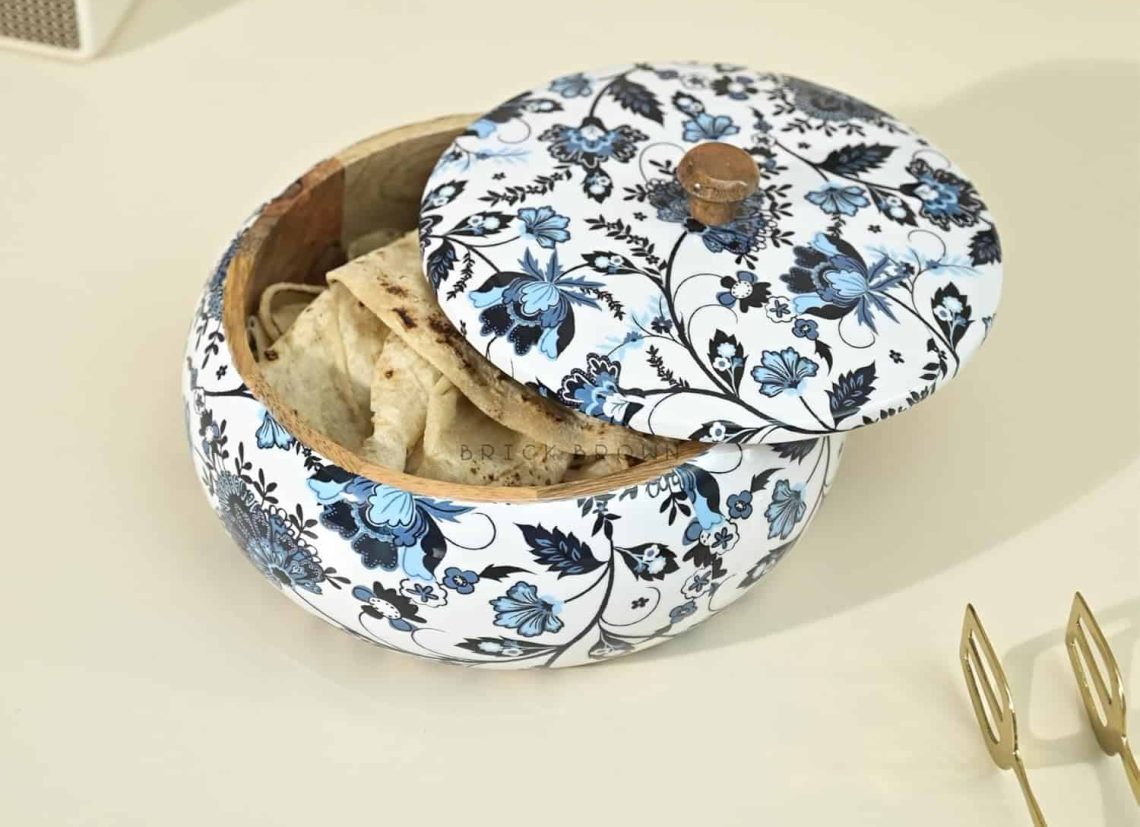
One of the most theatrical and symbolic parts of Moroccan dining is the meal being served in a wooden bowl with the lid on, keeping it warm and fragrant until everyone is ready. The act of lifting the lid is almost like unveiling a treasure. In many Moroccan households and restaurants, it’s done with a flourish—sometimes with clapping, singing, or playful gestures—to mark the meal as special.
💡 Travel Tip:
On the way in and out of Chefchaouen, street vendors line the roads with hand-carved wooden bowls. These aren’t just souvenirs—they’re the same lidded vessels used to serve couscous in the medina, keeping it warm until the lid is lifted with song and laughter. If you have space in your luggage, it’s worth a stop!
Here’s a traditional Moroccan Tfaya (sweet braised onions with raisins) recipe, scaled for 6 people. This version matches the Chefchaouen-style topping I love and enjoyed in Morocco’s Blue City—perfect over lamb couscous.
4 large yellow onions, thinly sliced
1 cup golden or dark raisins (soaked in warm water for 15 minutes, then drained)
3 tablespoons unsalted butter (or use olive oil for a lighter version)
2 tablespoons honey
1 teaspoon ground cinnamon
½ teaspoon ground ginger
¼ teaspoon turmeric
Pinch of saffron threads (optional, but traditional)
½ teaspoon salt (adjust to taste)
½ cup water
Optional: 1 tablespoon orange blossom water for a floral touch
Prep the onions: Slice onions thinly for faster caramelization. Soak raisins in warm water for 15 minutes, then drain.
Sauté: In a wide pan, melt butter over medium heat. Add onions and sauté until soft and translucent—about 10 minutes.
Spice it up: Add cinnamon, ginger, turmeric, saffron, and salt. Stir well to coat the onions.
Simmer: Add raisins, honey, and water. Reduce heat to low and cover. Let it simmer gently for 30–40 minutes, stirring occasionally, until the onions are golden and jammy and the liquid is syrupy.
Finish: If using orange blossom water, stir it in during the last 5 minutes. Taste and adjust sweetness or salt.
Serve: Spoon generously over couscous and lamb. It’s also delicious with roasted chicken or grilled vegetables.
👨🍳 Chef’s Tip
Use yellow onions for a mellow sweetness, or mix with red for depth.
Soak the raisins first—they plump up and melt into the sauce.
Simmer low and slow until the onions are jammy and the liquid reduces to a syrup.
Tfaya is often made ahead and reheated—it gets even better the next day.
Curious about Tfaya? Here are the most common questions answered…
This sweet-savory garnish of onions and raisins is a beloved topping, especially for festive couscous. It adds depth and contrast to the dish
Onions and raisins are simmered until buttery soft and golden.
Honey and cinnamon add sweetness, while ginger, saffron, and turmeric bring warmth and depth.
Orange flower water (optional) gives a floral lift—common in Chefchaouen’s more festive versions.
Butter is traditional, but some cooks use olive oil for a lighter touch.
Lamb couscous with vegetables and tfaya served communally in a wooden bowl is absolutely traditional to Chefchaouen. It’s the kind of dish that locals prepare for guests or family on a Friday, and many restaurants in the medina replicate this format for visitors.
Spooned generously over Friday couscous with lamb.
Sometimes paired with fried almonds or hard-boiled eggs for extra richness.
Communal serving is a hallmark of Moroccan hospitality. Meals are often eaten from a single dish, reinforcing family and community bonds.
No—Tfaya is best described as a sweet onion-raisin topping or confit. Unlike a liquid sauce, it’s thick, jammy, and spooned over couscous or lamb to add flavor and texture.
Yes! Tfaya actually tastes better the next day. You can prepare it in advance, store it in the fridge for up to 3 days, and reheat gently before serving.
Traditionally, Tfaya crowns couscous with lamb or chicken. It also pairs beautifully with roasted meats, grilled vegetables, or even as a sweet-savory topping for rice.
Absolutely. If you don’t have saffron, use turmeric for color. Swap honey with sugar or date syrup, and use olive oil instead of butter for a lighter version.
Tfaya is more than just a topping—it’s a story of Moroccan hospitality, a sweet crown that turns couscous into a feast. Whether you’re recreating it for a Friday table or adding it to your own kitchen traditions, this onion-raisin confit brings Chefchaouen’s spirit right to your plate. I’d love to hear how your version turns out—did you stick to the classic recipe, or add your own twist? Share your thoughts, tips, or questions in the comments below and let’s keep the conversation (and the flavors) flowing!
Author: Arina JVR – 30+ countries, countless stories.
Comments