
RV holidays give families something rare: freedom without stress. Instead of juggling hotel check‑ins, overtired kids, and endless packing, you carry your own cozy base with you. Meals happen when you want them to. Bedtime routines stay familiar. And the world outside your window changes every time you turn the key.
For families, that combination of comfort and adventure is exactly what makes RV travel so special.
This guide walks you through how RV travel actually works for families — from choosing the right vehicle and setting a gentle daily rhythm to discovering the best destinations in the USA, New Zealand, and Namibia. Whether you’re planning your first motorhome trip or looking for new routes to try, you’ll find practical tips, family‑focused advice, and real itineraries that make the journey feel simple, flexible, and full of memorable moments.
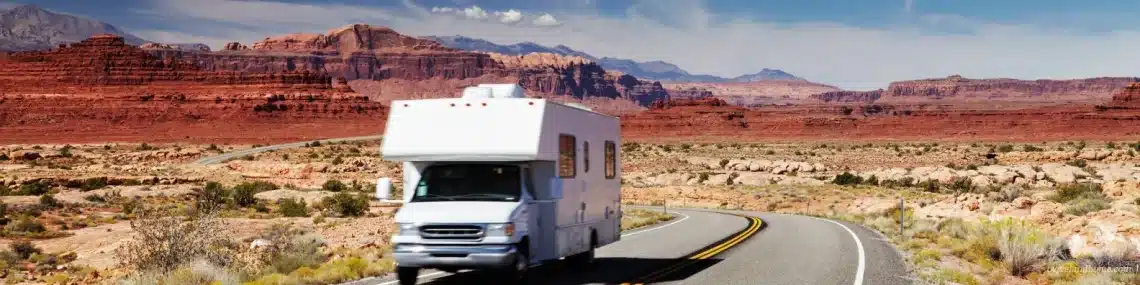
Travelling in an RV removes the friction from family holidays. Kids settle faster when their bed travels with them. Parents can prep snacks, warm bottles, or brew a quick coffee without hunting for a café. And when everyone needs a break, you simply pull over, open the door, and breathe.
Families tend to love RV holidays because they offer:
A familiar sleeping space every night
A kitchen for quick meals and snacks
Flexible stops for wildlife, viewpoints, or rest
Space for toys, books, and quiet time
Days shaped around your own rhythm, not a hotel’s
It’s comfort, freedom, and togetherness — all in one.

RV travel doesn’t need to feel complicated. A few basics make everything smoother:
Choose the right RV: Look for a layout that suits your family — proper beds, enough seatbelts, a bathroom you can actually use, and storage for the “just in case” items kids always need.
Expect easy driving: Countries like the USA and New Zealand have road networks that make RV travel feel natural. Namibia offers long, open roads with very little traffic — ideal for families who enjoy space and scenery.
Plan your route, but keep it flexible: Leave room for quirky roadside stops — kids adore these little surprises.
Set a gentle daily rhythm: Drive a little, explore a little, relax a lot. RV travel is at its best when you don’t overschedule.
This is family travel at its most forgiving.
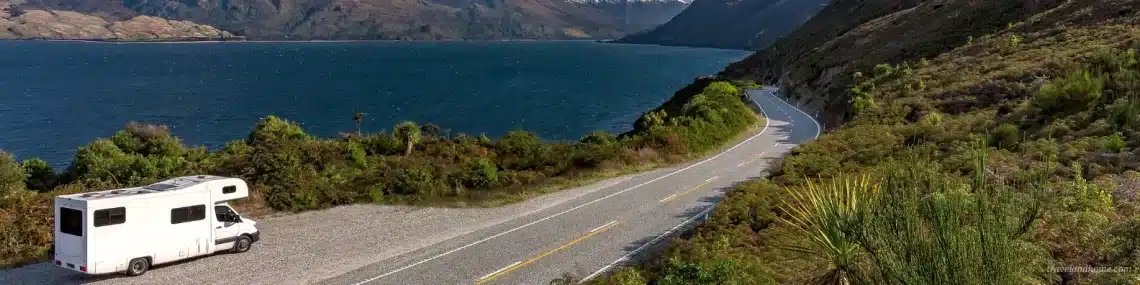
USA: The USA is built for RV travel. Roads are wide, campgrounds are plentiful, and national parks are designed with families in mind. The Yellowstone → Grand Teton route is a perfect example: short walks, boardwalks, wildlife viewing, and iconic stops like Old Faithful, Grand Prismatic Spring, Jenny Lake, and Oxbow Bend.
New Zealand: Compact, scenic, and wonderfully gentle. Families can hop between beaches, geothermal areas, lakes, and glowworm caves without long driving days. It’s a perfect first RV destination.
Namibia: A different kind of comfort: wide‑open landscapes, desert dunes, and wildlife you can watch from the safety of your vehicle. Best for families with slightly older kids who love nature and space.
Namibia is a place that surprises you in the best way — a country that feels dry and empty at first glance, but reveals deep beauty, history, and soul the moment you slow down and look around.
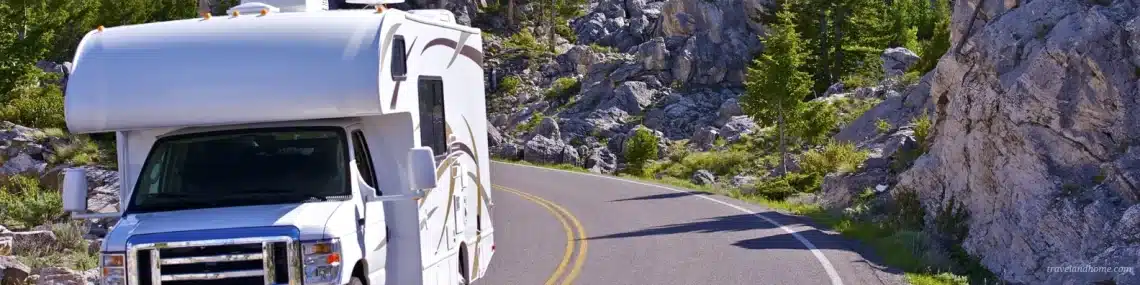
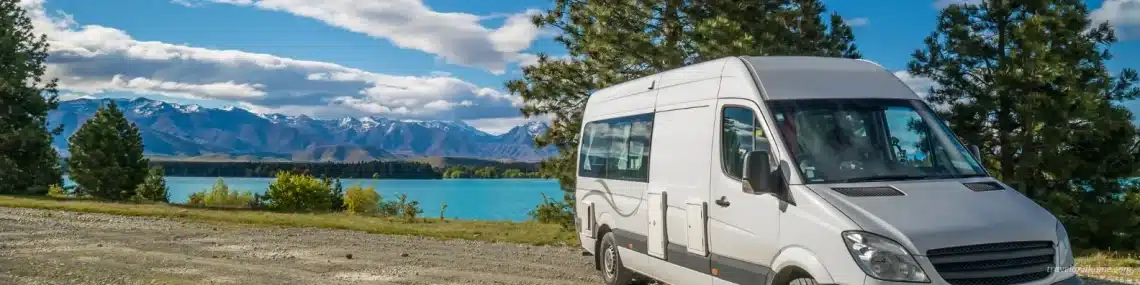
These short outlines gives a glimpse into what your RV holiday could look like:
USA National Parks Loop: Yosemite → Zion → Bryce → Arches
Yellowstone → Grand Teton: A gentle, iconic route with short drives and big scenery
New Zealand North–South: Beaches, lakes, fjords, and glowworm caves
Namibia Desert + Wildlife: Sossusvlei dunes → Swakopmund coast → Etosha wildlife
For inspiration on where to park your RV along the way, browse our collection of scenic RV parks across North America.
RV holidays are wonderfully flexible, and that includes the budget. Some families travel comfortably on a modest daily spend, while others choose campgrounds with extra facilities or longer driving days. The goal isn’t perfection — it’s knowing what to expect so you can plan a trip that feels relaxed, joyful, and free of surprises.
These are the expenses most families encounter, no matter where they travel.
RV rental or ownership costs — Daily rental rates vary by country and season. Rentals usually include basic insurance, with optional add‑ons for peace of mind. If you own an RV, factor in maintenance and pre‑trip checks.
Fuel — Your biggest variable cost. Distances in places like the USA and Namibia can be long, while New Zealand’s compact size keeps fuel use lower. Terrain also matters: mountain routes use more fuel than coastal loops.
Campgrounds — Prices range widely. National park sites are usually affordable, private campgrounds offer more comfort, and some regions allow low‑cost or even free overnight stops.
Food — One of the biggest savings of RV travel. Cooking simple meals in your own kitchen keeps costs predictable and family‑friendly.
Park fees and activities — Entrance fees, scenic drives, boardwalks, wildlife tours, or special experiences like glowworm caves or desert dune excursions.
Extras — Propane refills, laundry, Wi‑Fi, toll roads, and the occasional café treat.
Every destination has its own rhythm — and its own cost pattern.
USA — A wide range. RV rentals are moderate, fuel costs depend on distance, and national park campgrounds are usually good value. Families love the convenience of well‑designed parks like Yellowstone and Grand Teton.
New Zealand — Higher rental prices but shorter driving days. Campgrounds are clean, well‑run, and often beautifully located. A great choice for families who prefer gentle travel days.
Namibia — Affordable campgrounds and unforgettable scenery. Fuel can be a larger part of the budget because distances between highlights — like Sossusvlei, Swakopmund, and Etosha — are long.
These small choices make a big difference, especially on longer trips.
Travel in shoulder seasons for better prices and quieter campgrounds.
Choose shorter driving days — less fuel, more time to explore.
Mix paid campgrounds with low‑cost or free overnight spots where allowed.
Cook most meals in the RV and save restaurants for special moments.
Book RV rentals early, especially in popular destinations.
Pick itineraries with natural highlights — beaches, lakes, boardwalks, wildlife — which are often free or low‑cost.
This example gives a sense of how the numbers fit together. Adjust up or down depending on your destination and travel style.
RV rental: 7 days at a mid‑range rate
Fuel: Based on moderate driving days
Campgrounds: A mix of national parks and private sites
Food: Mostly self‑catered meals
Activities: A few paid experiences, plus plenty of free nature time
Extras: Propane, laundry, and small treats
The beauty of RV travel is that you control the balance. Some days cost very little — a scenic drive, a picnic lunch, a sunset walk — and those often become the memories families treasure most.

Comfort and safety go hand in hand on the road.
RV holidays give families something rare: time together that feels unhurried. Mornings start with fresh air and quiet views. Evenings end with tired, happy kids and a cozy space that feels like home. And in between, the road offers a thousand small moments — wildlife glimpses, picnic stops, boardwalk strolls, and the simple joy of being together in a place that feels wild and welcoming.
If you love coastal views and quiet forest settings, you’ll enjoy our roundup of North America’s most beautiful RV parks.