
Eastern Bulgaria has a gentle rhythm that invites you to slow down and savour each moment. Distances are short, the landscapes shift softly from sea to forest, and every town has its own easy pace. You wander through old streets, linger in seaside parks, pause at viewpoints, and let the Black Sea set the tempo. With peaceful bases like Burgas and its quiet Sarafovo neighbourhood, you can explore at your own pace — one day in an ancient peninsula town, another in a nature reserve, another simply enjoying the coast. It’s travel that feels unhurried, grounding, and beautifully simple.
Getting around Eastern Bulgaria is easier than it looks on the map. Distances are short, roads are straightforward, and each region has its own rhythm. So let’s break it down in a way that feels simple and stress‑free.
Driving is the most flexible option. You can hop between seaside towns, mountain villages, and historic sites at your own pace. Roads along the coast are generally smooth, though you’ll find a few winding stretches inland. Parking in smaller towns is usually easy, which takes the pressure off.
Buses are reliable and surprisingly frequent. They connect most major towns — Varna, Burgas, Shumen, Dobrich — and even many smaller villages. It’s a great choice if you prefer to sit back and watch the countryside roll by. Just keep a little cash on hand for tickets.
Trains are slower but scenic. Think of them as a gentle way to travel. They’re perfect for longer stretches, like Varna to Burgas, when you’re not in a hurry and want to enjoy the landscape.
Taxis and ride apps work well in cities. Varna and Burgas both have plenty of options. It’s worth checking that the meter is on before you start the ride.
And finally, walking. Eastern Bulgaria’s old towns, seaside promenades, and leafy parks are made for slow wandering. You’ll notice details you’d miss from a car — the smell of grilled fish, the sound of church bells, the way the Black Sea changes colour through the day.
Food in Eastern Bulgaria feels like a warm welcome. It’s simple, seasonal, and full of flavour. So let’s talk about the dishes you’ll want to try — the ones that make you pause mid‑bite and smile.
Start with the salads. Shopska salad is the classic, with tomatoes, cucumbers, peppers, and that snowy white sirene cheese on top. It’s refreshing on a hot day and pairs beautifully with anything grilled.
Seafood is the star along the coast. You’ll find fresh mussels, grilled fish, and fried sprats served in little paper cones. It’s the kind of food that tastes best with sea breeze in your hair.
Try a hearty Bulgarian stew. Dishes like kavarma or bean stew arrive bubbling in clay pots. They’re comforting, especially after a day of exploring inland towns or forest trails.
Don’t skip the pastries. Banitsa is the flaky, cheesy favourite. You’ll spot it in bakeries early in the morning, still warm from the oven.
For drinks, keep it local. Rakia is the traditional spirit — strong, fruity, and often homemade. If you prefer something lighter, Bulgarian wines are excellent. The region around Varna produces crisp whites that pair beautifully with seafood. And for something non‑alcoholic, try ayran, a salty yoghurt drink that’s perfect on hot days.
Eastern Bulgaria changes beautifully through the year. Each season brings its own mood, colours, and experiences. Here’s how to enjoy it, month by month.
Spring (March–May): Spring feels gentle here. Everything wakes up slowly — the forests, the markets, the seaside towns.
Wander through the old streets of Varna or Burgas before summer crowds arrive.
Visit nature reserves like Kamchia for birdwatching and peaceful river walks.
Explore archaeological sites in mild weather, when the sun is warm but not intense.
Enjoy spring festivals and flower markets that pop up across the region.
Summer (June–August): Summer is all about the sea. Long days, warm nights, and that easy holiday feeling.
Swim, sunbathe, or simply stroll along the Black Sea coast.
Take a boat trip to quieter beaches or hidden coves.
Enjoy open‑air concerts, seaside bars, and lively promenades.
Visit coastal towns early in the morning for soft light and cooler air.
Autumn (September–November): Autumn is a dream for slow travel. The heat softens, the colours deepen, and everything feels calmer.
Explore forests and nature parks as the leaves turn golden.
Visit wineries for tastings and harvest events.
Enjoy warm sea temperatures in early autumn — September is perfect for swimming.
Wander through markets filled with figs, grapes, and late‑summer produce.
Winter (December–February): Winter is quiet and atmospheric. It’s a time for cosy meals, cultural visits, and peaceful seaside walks.
Explore museums, galleries, and historic sites without crowds.
Enjoy hearty Bulgarian dishes in traditional taverns.
Take long walks along empty beaches — the Black Sea feels almost meditative.
Visit Christmas markets in Varna or Burgas for lights, music, and warm treats.
Burgas is home to Bulgaria’s second‑largest port and an important airport, making it a gateway to Sozopol, Nessebar, and the southern coast. From the Sea Casino to the Gramophone sculpture and the “Kilometre Zero” compass, the city blends history with playful modern touches. Burgas is known for its laid-back, welcoming atmosphere.
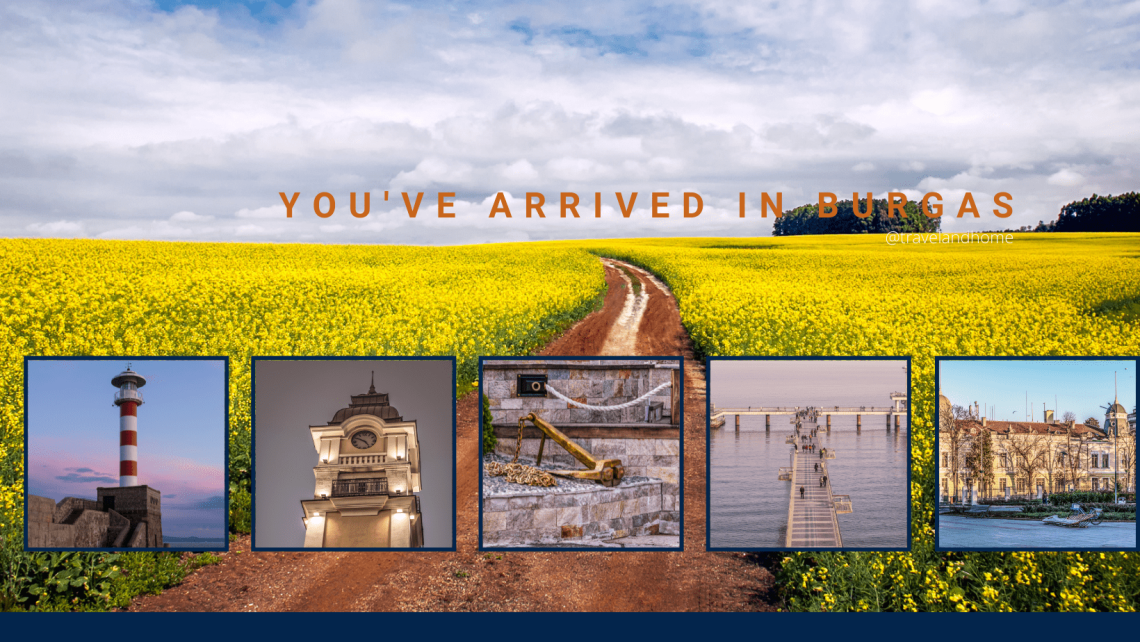
The Sea Garden (Morska Gradina): This huge coastal park is one of the city’s icons—filled with sculptures, cafés, viewpoints, and cultural venues like the Sea Casino.
Burgas Lakes & Birdwatching: The city is surrounded by three lakes—Atanasovsko, Burgas, and Mandrensko—making it one of Bulgaria’s top birdwatching regions.
Lake Atanasovsko, where you’ll find the Phoenicopterus roseus, the largest species of the flamingo family.
Beautiful Black Sea Beaches: Burgas is famous for its wide, golden‑sand coastline and easy access to quieter beaches just outside the city.
Cultural Life & Festivals: Burgas hosts major events, including the annual Sand Sculptures Festival, concerts, theatre performances, and open‑air shows in the Sea Garden.

These beautiful resort apartments sit in Sarafovo, a peaceful seaside neighbourhood within the city of Burgas. You get a quiet beach, a big pool, and modern apartments that feel instantly comfortable. It’s an easy, relaxing base with quick access to Pomorie (~8 km / ~5 miles), Sozopol (~35–40 km / ~22–25 miles), and Nessebar (~25–30 km / ~15–18 miles) — perfect for slow coastal exploring.
Before you even step onto the peninsula, you feel the shift. Nessebar has this quiet, old‑soul charm that wraps around you the moment you arrive. The sea glitters on both sides, wooden houses lean gently over cobbled lanes, and centuries of history sit so close together you can almost touch them all at once. It’s the kind of place where you slow down without trying — every corner invites a pause, a photo, or a little moment of wonder.
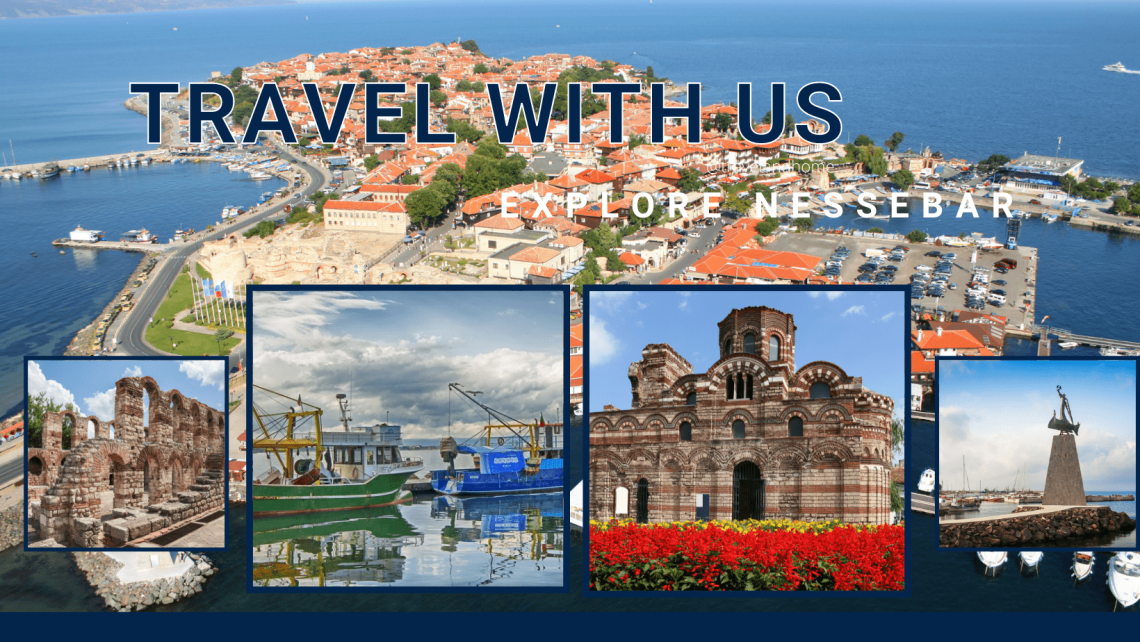
How Many Days in Nessebar? This quaint city with its cobblestone streets can be done as a day trip, but staying a night or two can be quite relaxing. Especially if you’re having some me-time at one of the many restaurants overlooking the sea!
Location: On a rocky peninsula on the Black Sea, south of Varna and north of Burgas.
Why it’s special: Layers of history — Thracian, Greek, Roman, Byzantine, and Bulgarian.
What stands out: Medieval churches, wooden Revival‑era houses, sea views at every turn.
Perfect for: Anyone who loves old towns with atmosphere and a sense of timelessness.
Primorsko has that easygoing seaside energy that makes you slow down without even noticing. Long beaches, soft dunes, and the wild beauty of the Ropotamo Reserve create a mix of holiday calm and natural wonder. It’s the kind of place where mornings start with sea breeze and evenings end with golden light over the coast — simple, warm, and quietly memorable.
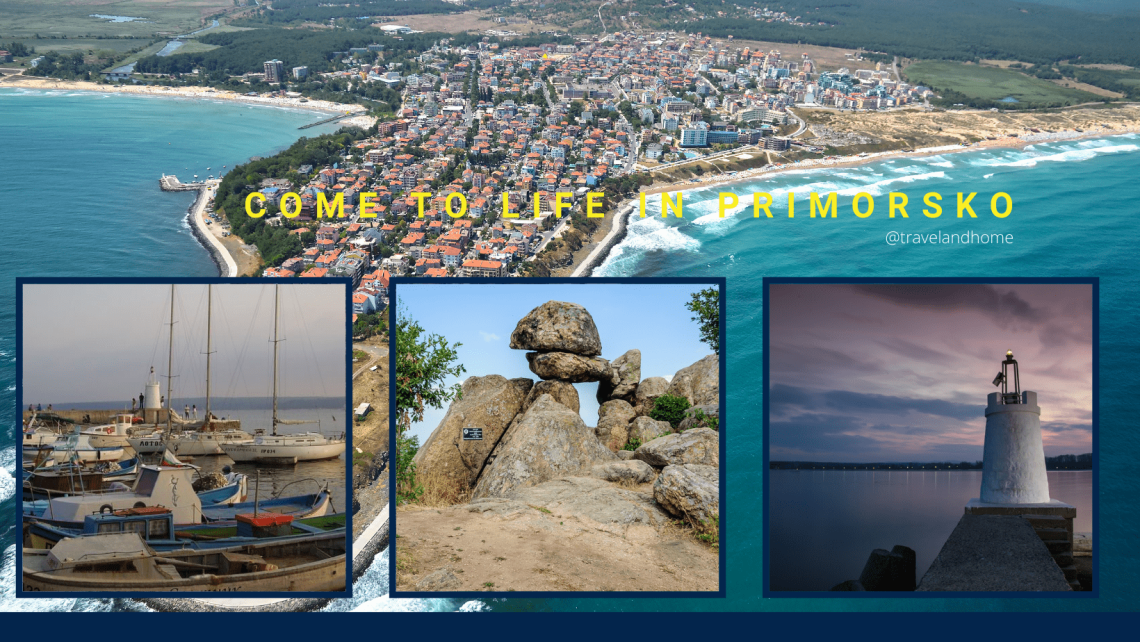
This seaside resort town lies in the Burgas Province on the Bulgarian Black Sea Coast, 52 km from the shore, and has a beach strip of about 1 km².
Shumen feels different from the coast — grounded, historic, and full of stories carved into stone. The fortress rises above the plateau, the Founders Monument stands bold against the sky, and the old neighbourhoods move at a gentler rhythm. It’s a place where Bulgaria’s past feels close, almost tangible, yet the town itself is welcoming and easy to settle into for a night or two.
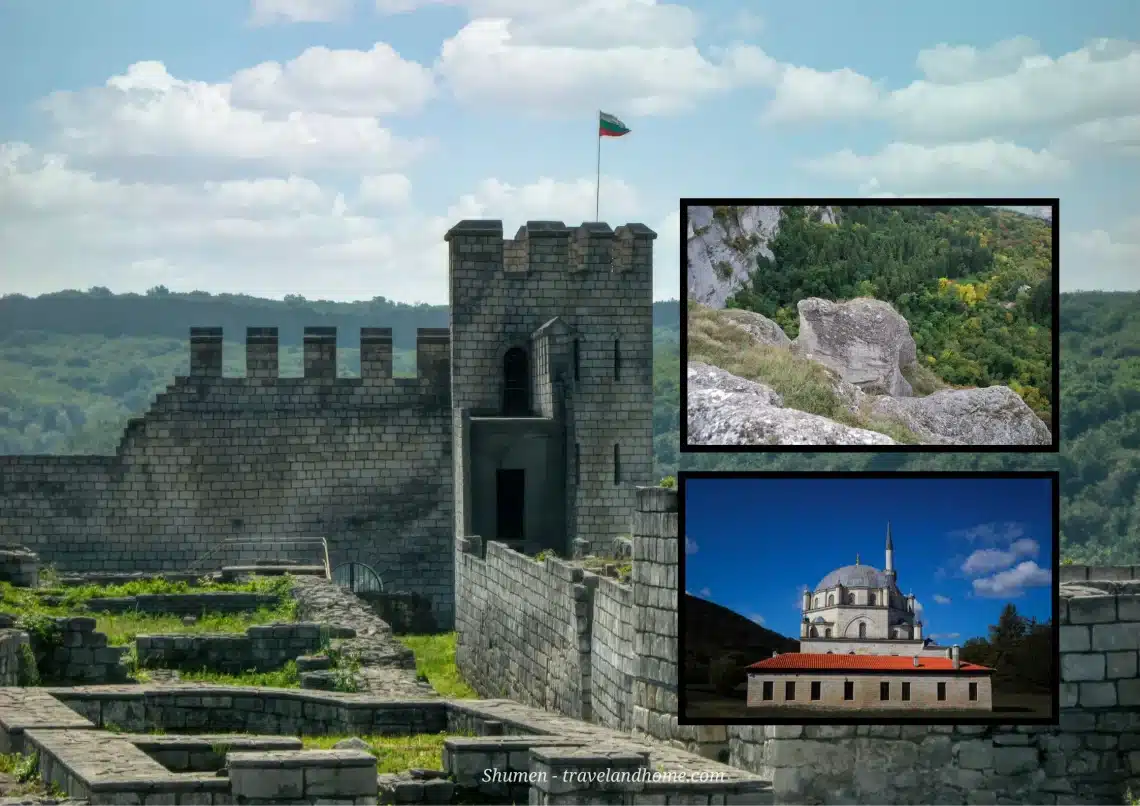
Here’s what makes Shumen worth more than a quick stop:
Tombul Mosque: The largest mosque in Bulgaria, known for its beautiful domes, peaceful courtyard, and striking Ottoman architecture.
Shumen Fortress: Dramatic hilltop ruins with sweeping views across the plateau.
Founders of the Bulgarian State Monument: A striking, modernist monument that tells Bulgaria’s early history in bold geometric forms.
Regional History Museum: Great for context before or after your Madara visit.
Old Shumen neighbourhoods: Quiet streets, Revival‑era houses, and a slower local rhythm.
Shumen also has more restaurants, cafés, and accommodation options, making it a comfortable base for a night or two.
Madara Rider: It’s a very quick hop: the drive from Shumen to the Madara Rider is about 18 km (roughly 11 miles) and takes around 18–20 minutes by car. Parking is available near the entrance to the archaeological reserve.
Madara feels different from the coast — wilder, more dramatic. You walk through a peaceful park, then suddenly the cliffs rise above you, and there he is: the horseman carved high into the rock, still powerful after more than a thousand years. The whole site has a quiet, ancient energy. It’s easy to imagine the early Bulgarian rulers who once passed through this very spot. The view from the plateau above is worth the climb too, especially on a clear day.
Why Not Stay in Madara Village? Madara itself is peaceful and beautiful, but it’s tiny. You’ll find the archaeological reserve, a few walking paths, and nature — but not much else. For most visitors, it works better as a half‑day stop rather than an overnight base.
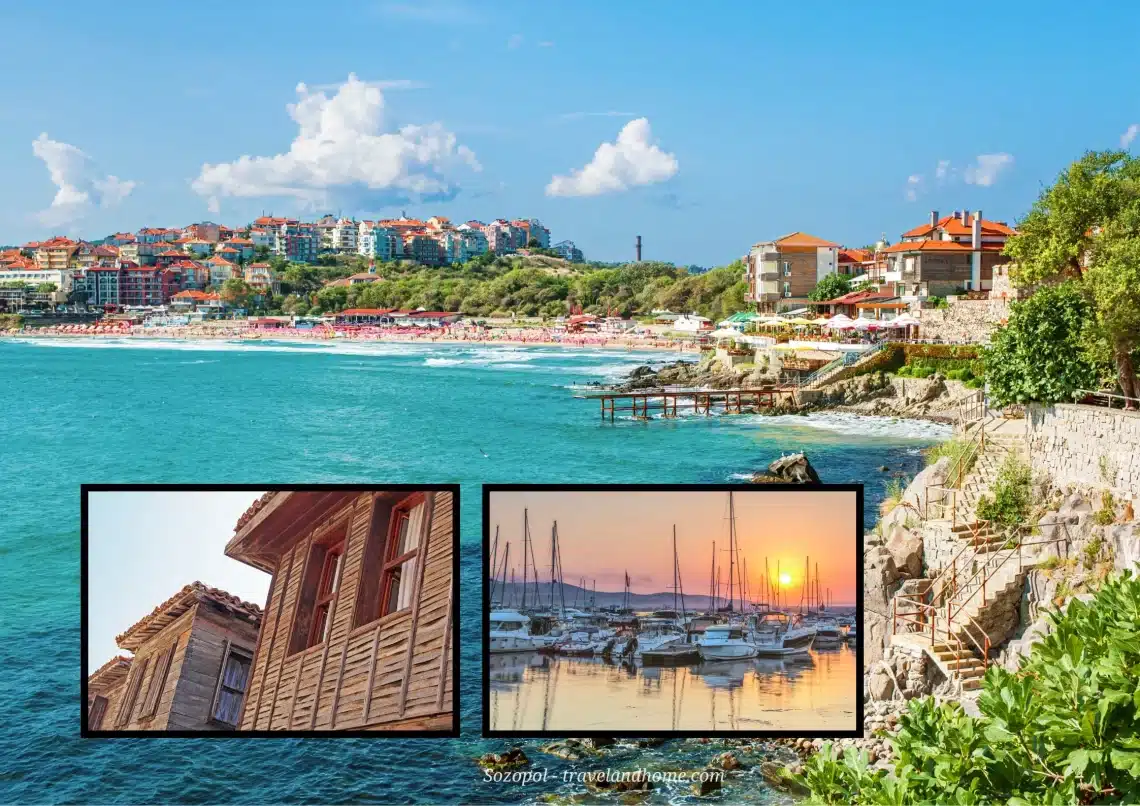
Sozopol has that soft, timeless charm that pulls you in the moment you arrive. Think cobblestone lanes, wooden houses, and a harbour that glows beautifully in late afternoon light. It’s the kind of place where you linger over coffee, watch the boats drift in and out, and feel the pace of the day slow down.
Instead of squeezing everything into a short list here, we’ve put together a full guide with all the sights, beaches, food spots, and little local moments that make Sozopol special. You can read the complete Sozopol guide here.

“No other guide whets your appetite quite like this one” – The Independent
Eastern Bulgaria has a way of staying with you — the soft coastlines, the old towns, the nature reserves, the gentle rhythm that makes every day feel unhurried. Whether you’re wandering through Nessebar’s cobbled lanes, watching flamingos near Burgas, or standing beneath the cliffs at Madara, this part of Bulgaria reveals itself slowly and beautifully. It’s the kind of journey that lingers long after you’ve returned home.
Have you explored Eastern Bulgaria? Share your favourite moments, hidden corners, or slow‑travel memories in the comments — your insights help other readers plan their own gentle journey along the coast.
If you’re curious to explore more of the country, continue your journey with our guide to Southern Bulgaria’s 19 incredible spots and experiences — a region of ancient cities, mountain monasteries, and slow‑travel magic.
Travel Tip: When you’re planning a trip through the USA, Europe, or Canada, transport can quickly become the most time-consuming part of your research. Instead of hopping between multiple train, bus, ferry, and airline websites, you may want to check Omio first to see what’s actually available.
>> Slow travel gives you time to notice the details too — traditional patterns, handmade objects, pottery, textiles, and the way everyday things become part of a place’s identity. Our Balkan-Inspired Decorating guide takes those little observations home and shows how to live with them.