Southern Bulgaria is a region that rewards slow travel — the kind where you wander through ancient streets, pause at monasteries tucked into the mountains, and let the landscape set the pace.
This guide brings together the best things to do in Plovdiv, Asenovgrad, and the Bansko & Borovets ski resorts — with practical tips, seasonal insights, and itinerary ideas to help you plan your trip with confidence.
Reaching the quieter corners of Southern Bulgaria takes a little patience, and that’s part of its charm. The roads twist through forests and mountains, so journeys naturally unfold at a slower pace. If you’re using public transport, it helps to build in extra time—buses do connect the whole region, but many small villages see just a single service a day, which can make planning feel a bit like catching a moving target.
For the central and western Rhodope Mountains, having a car gives you the freedom to wander at your own rhythm. The scenery is spectacular, and you can stop wherever something catches your eye—an overlook, a tiny chapel, a roadside fruit stand.
Trains offer a lovely way to travel too. Regular services link Sofia with Blagoevgrad and Sandanski, and a narrow‑gauge line branches off the Sofia–Plovdiv route, winding slowly through the mountains to Bansko. From Plovdiv, trains continue toward Haskovo and Kŭrdzhali, making it easy to pair city exploring with mountain escapes.
A few dishes to look out for:
Patatnik — a Rhodope potato dish, crispy and comforting.
Kavarma — slow-cooked meat and vegetables in clay pots.
Shopska salad — fresh, simple, and everywhere.
Banitsa — flaky pastry with cheese.
Local wines — especially Mavrud, grown near Asenovgrad.
Each season offers something different:
Spring: Waterfalls, wildflowers, monastery walks
Summer: Plovdiv festivals, warm evenings in the Old Town, hiking
Autumn: Wine, golden forests, quiet monasteries
Winter: Skiing in Bansko or Borovets, Rila Monastery in snow
Ancient streets, Roman ruins, and a city built on seven hills
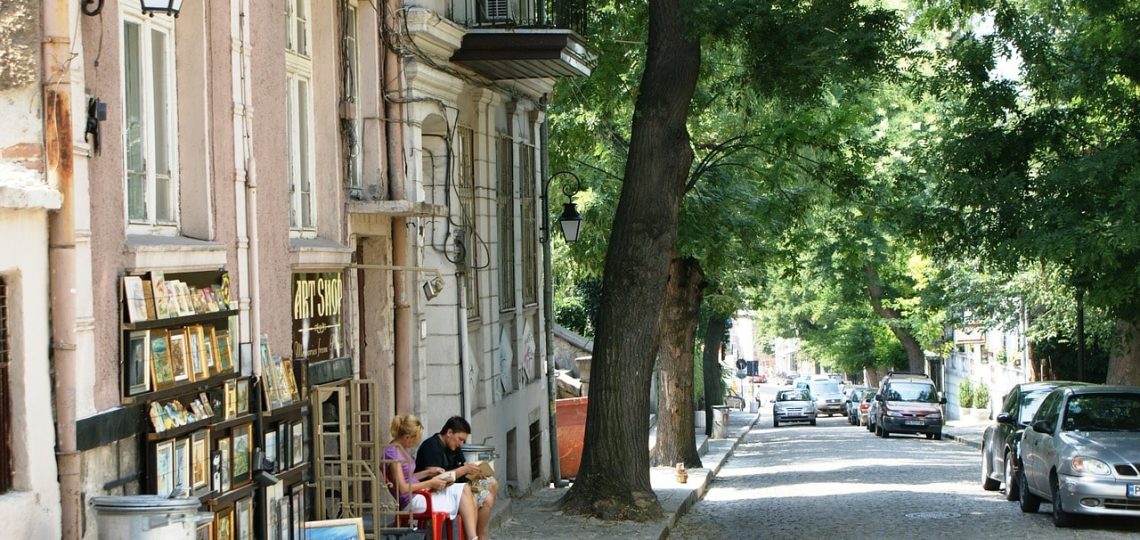
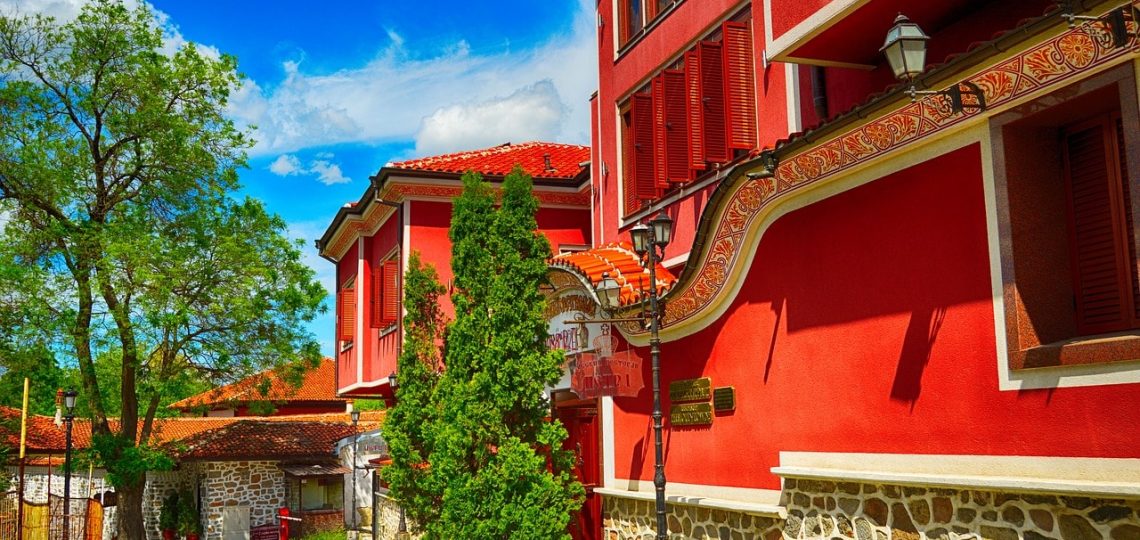
Plovdiv is one of Europe’s oldest continuously inhabited cities — and you feel it the moment you step onto its cobbled lanes. The Old Town rises in layers of history, from Roman theatres to Bulgarian Revival houses painted in soft pastels. Evenings are slow and golden, with locals gathering around the Singing Fountains or strolling through Kapana’s creative district.
Monasteries, mountain views, and a slower rhythm of life
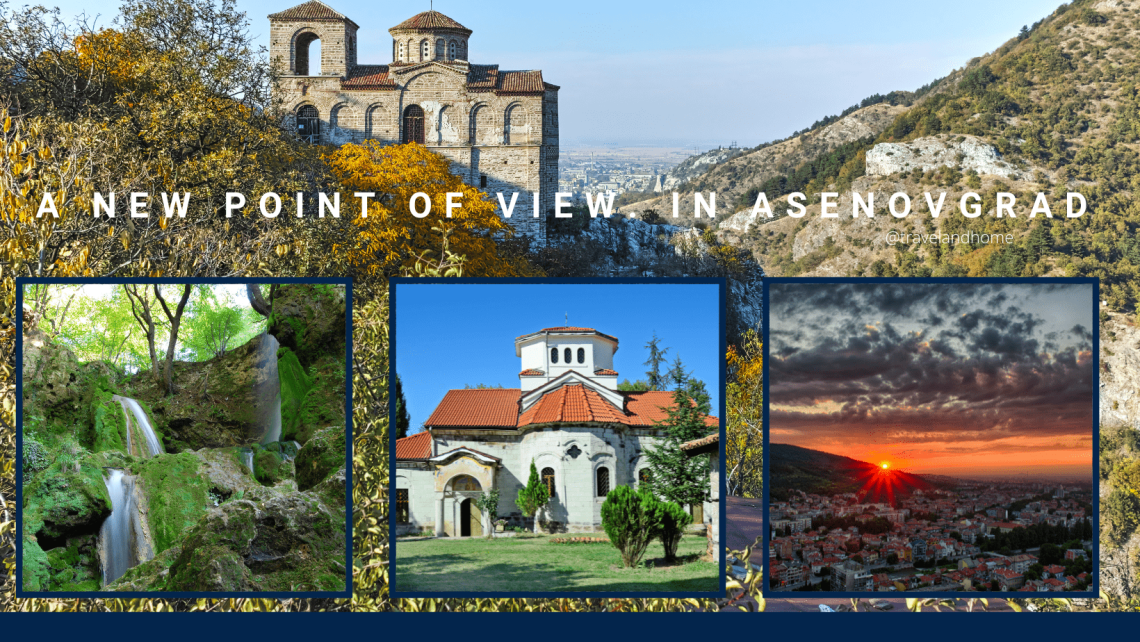
Just south of Plovdiv, Asenovgrad is known for its monasteries tucked into the Rhodope Mountains. It’s quieter, greener, and perfect for travellers who love history, nature, and peaceful viewpoints.
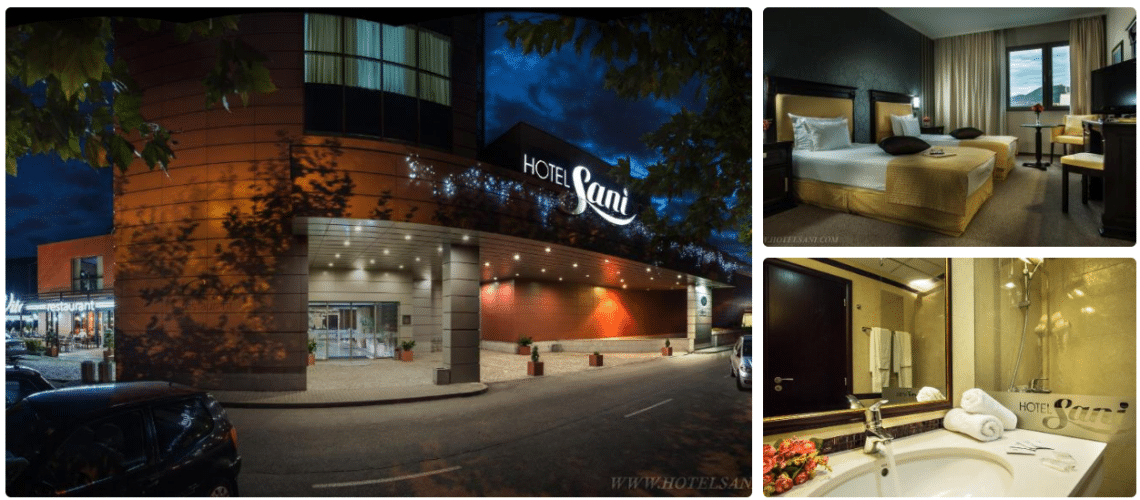
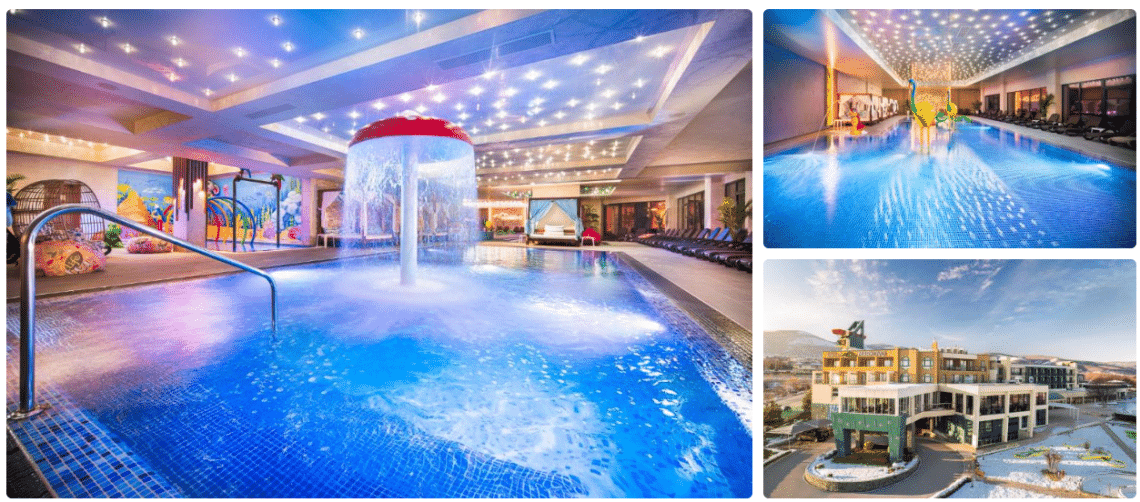
4-Star comfort just 5 km (3.1 miles) from Plovdiv International Airport, and close to Bachkovo Monastery, 11 km (6.8 miles) away, and Plovdiv Plaza, 19 km (12 miles) away. Free on‑site parking is available.
Winter sports, mountain air, and year-round scenery
Southern Bulgaria’s ski resorts offer excellent value, long runs, and a friendly atmosphere. Even outside winter, the Rila Mountains are perfect for hiking and fresh-air escapes.
The Rila Mountains region offers some of the most varied and beautiful routes in Bulgaria. Trails range from gentle nature walks to demanding alpine ascents, and the area is well‑marked, well‑maintained, and deeply rewarding for anyone who loves mountain scenery.
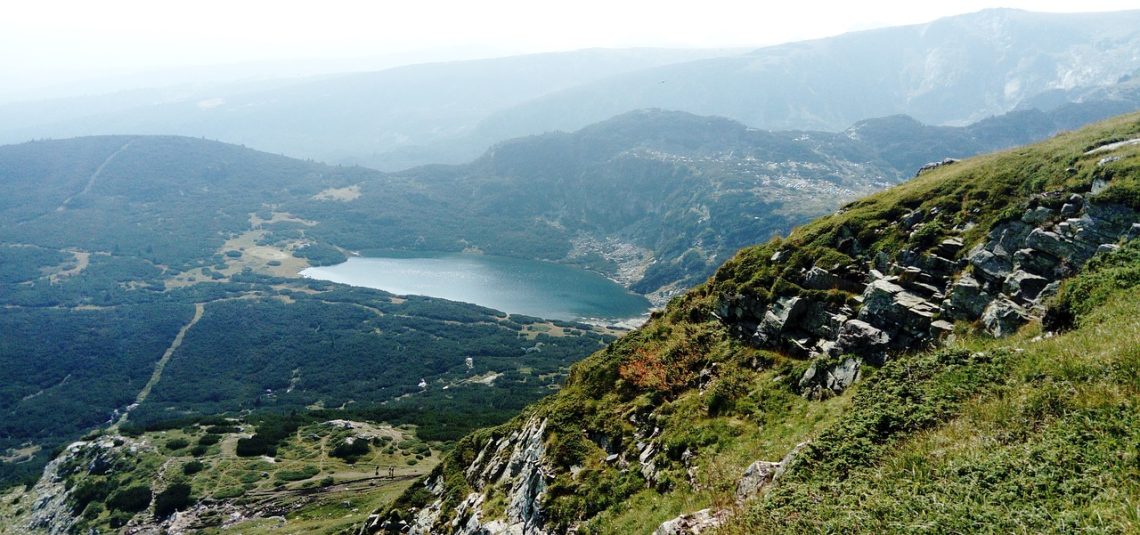
The Rila range is Bulgaria’s highest and most dramatic mountain system, home to glacial lakes, deep forests, panoramic ridges, and the country’s tallest peak, Musala. Trails are accessible from Borovets, Bansko, Panichishte, and the Rila Monastery area, making it easy to add a hike to your Southern Bulgaria itinerary.
These are some of the most iconic and well‑established routes, each offering a different kind of experience.
Seven Rila Lakes Loop — The most famous hike in the region, taking you past seven glacial lakes, each at a different altitude. Moderate to hard depending on the route.
Musala Peak (2,925 m) — The highest peak in the Balkans. A challenging but spectacular ascent starting from Borovets, often via Musala Hut.
Babreka (The Kidney) Lake Loop — A harder Seven Lakes variation with steep ascents and big views.
Malyovitsa Hut to Elen Lake — A classic alpine route with rugged terrain and dramatic scenery. Hard, but beloved by experienced hikers.
Forest Stream – Musala Hut Loop (from Borovets) — A long, demanding loop with forest paths and high‑mountain panoramas.
Lower Lake to Kidney Lake Loop — A shorter but steep Seven Lakes route with rewarding views.
Orthodox Chapel to Eagle’s Viewpoint (Beli Iskar) — A moderate, family‑friendly trail with accessible paths and a beautiful viewpoint.
Stob Pyramids Loop — An easy, short walk to a unique natural rock formation near Rila Monastery.
Fitness level — Many Rila hikes involve steep ascents and rocky terrain.
Season — Snow can linger into late spring; summer and early autumn are ideal.
Gear — Sturdy shoes and layers are essential, especially for higher routes.
Transport — Borovets and Panichishte are the easiest bases for trail access.
Borovets sits on the northern side of Rila National Park and has a more alpine feel — quieter, surrounded by pine forests, and closer to Sofia.
How to get to Borovets:
From Sofia: ~72 km
From Bansko: ~2 hours via Route 62 and A3/E79
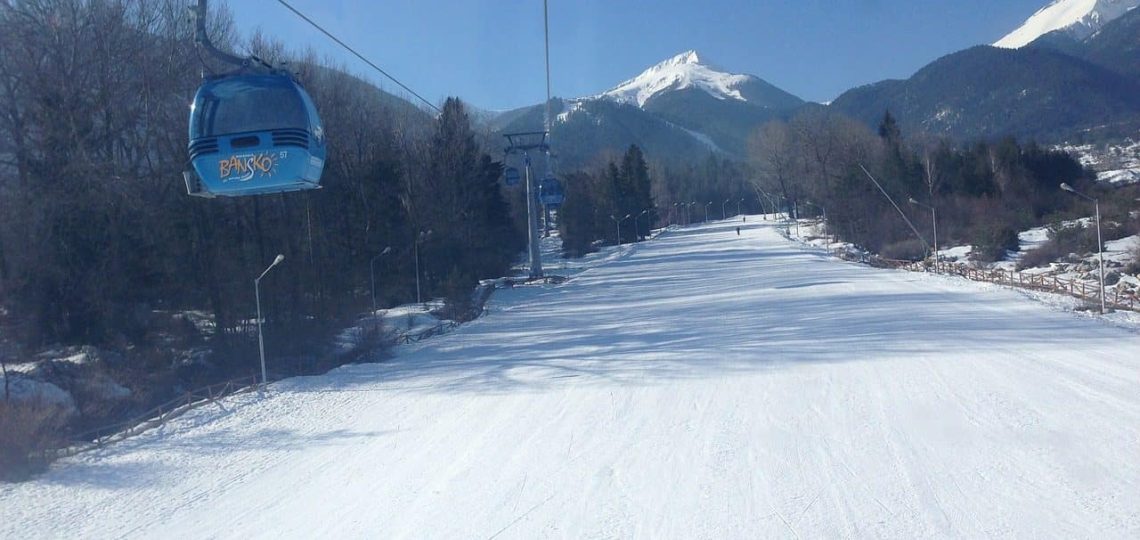
Bansko is Bulgaria’s largest and most popular ski resort, known for its long runs, lively après-ski scene, and cultural history.
How to get to Bansko:
From Sofia: ~1 hr 54 min by car via A3 and Route 19
Alternative route: ~2 hr 43 min via A1/E80 and Route 84
Is skiing in Bulgaria on your radar? Then you’ll enjoy reading our guide “Bansko for a snow-ski holiday”.
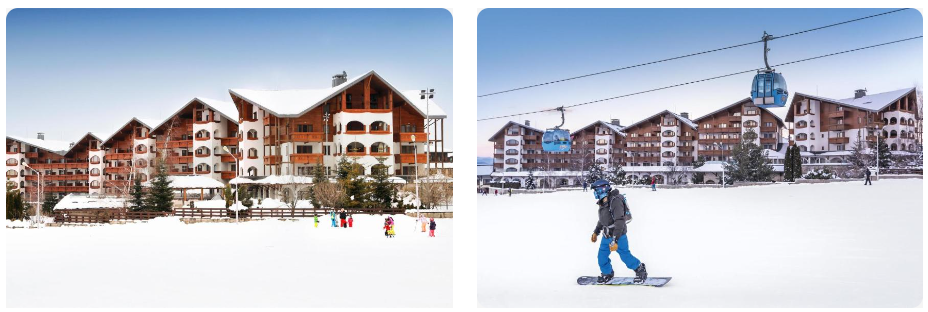
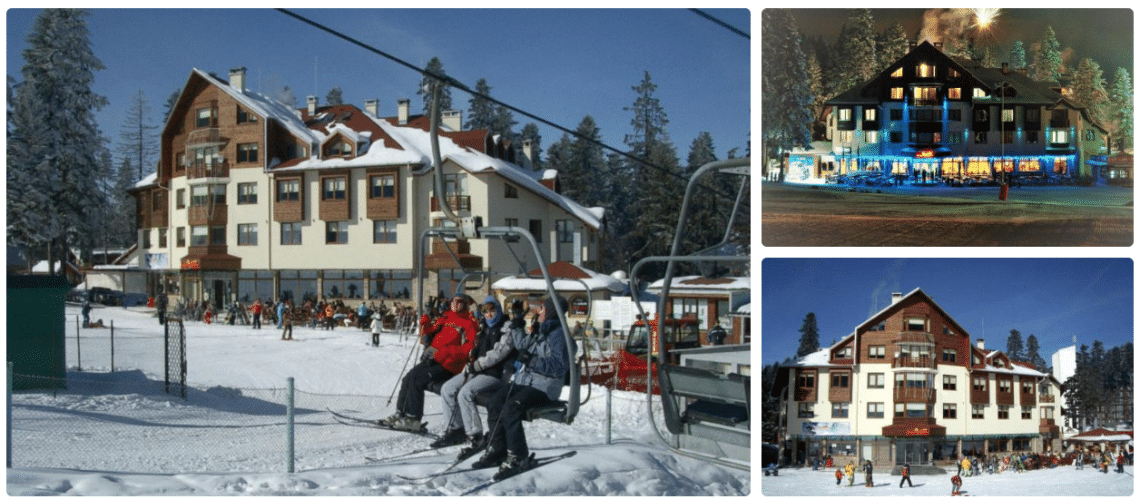
It’s the only ski-in and ski-out hotel in Bansko, in the very heart of the mountain resort, right across the Gondola elevator station.
And to conclude, our “19 Incredible Spots and Experiences Worth Exploring” in Southern Bulgaria, we end on a high note: A UNESCO World Heritage Site, Rila Monastery.
Rila Monastery began in the 10th century with St Ivan of Rila, yet its story feels far larger than its age. Over the centuries it grew into Bulgaria’s most cherished expression of National Revival architecture, shaped by the generosity of kings and the quiet determination of the monks who lived here. Ottoman raids in the late 15th century left the complex in ruins, but support from the Russian Church helped bring it back to life. Through those long, difficult years, the monks became guardians of Bulgaria’s language, memory, and identity, preserving what mattered most when it was most at risk.
Another fire swept through in 1833, but the response was immediate and full of purpose. Wealthy Bulgarians funded a complete rebuilding, pouring their hopes for national renewal into every arch and fresco. The result is the monastery we see today — a place where faith, resilience, and cultural pride are woven into the stones themselves.
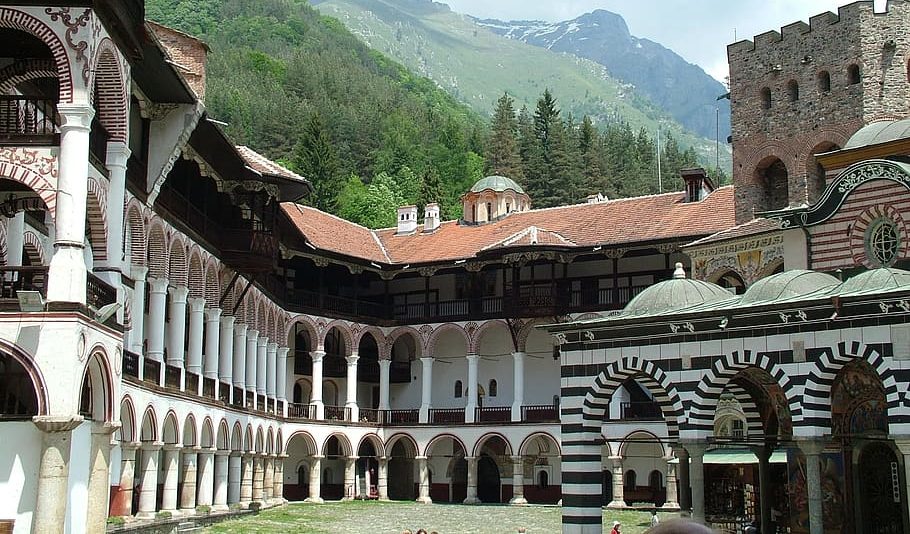
The monastery sits inside the Rila Monastery Forest Reserve (created in 2000), which spans forests, meadows, rivers, and alpine peaks. The Rila Monastery Forest reserve itself covers 36.71 km² and protects rare plants, endemic species, and wildlife such as chamois, deer, and even brown bears.
The monastery lies at 1,147 meters in the foothills of the Rila Mountains, and the entire area around it is covered in European silver fir, beech, spruce, Macedonian pine, and birch, creating a cool, shaded, almost secluded feel.
The landscape is dramatic: steep forested slopes, deep gullies, and high peaks rising above the treeline. The forest is not just a backdrop — it’s part of the monastery’s identity, shaping the quiet, sheltered atmosphere that visitors feel the moment they step out of the car.
The approach road winds through mountain villages and thick woodland, giving a sense of entering a hidden world.
The air is noticeably cooler and fresher thanks to the surrounding trees.
The monastery’s stone walls feel even more striking against the dark green forest behind them.
Short walking paths and viewpoints around the monastery lead directly into the woods. The Rila Monastery Trail is a well‑known option that blends nature with cultural heritage.
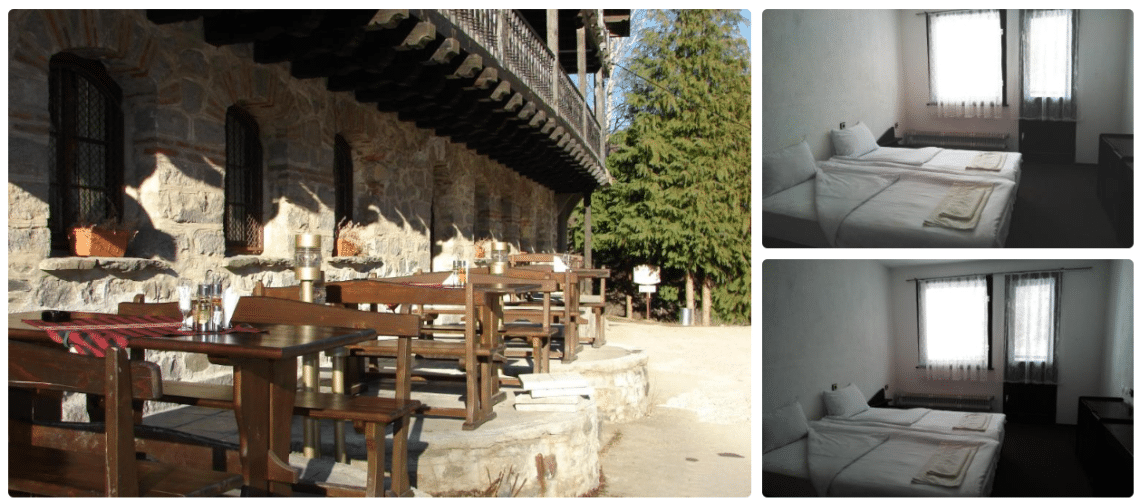
Above: While Rila Monastery once had a simple hotel right beside the complex, that option is no longer reliably open. The building still stands, but recent reports suggest it’s not consistently operating, so it’s best not to plan your overnight around it.
Most travellers base themselves in one of the nearby towns or mountain resorts, each offering a different rhythm of the Rila Mountains.
Rila Town is the closest functioning base, a small, practical stop with family‑run guesthouses, one of which is a 2-star (Centaur Family Hotel and Стаи за гости РИЛА), and an easy drive up to the monastery.
Rila Town → Rila Monastery: Approx. 20 km (about 12 miles)
Blagoevgrad brings more choice, a lively university atmosphere, and a good mix of hotels and restaurants.
Blagoevgrad → Rila Monastery: 40 km (about 25 miles) by road. A straightforward drive, usually under an hour.
Samokov sits at the foot of the mountains and works well if you want something quiet but convenient.
Samokov → Rila Monastery: Approx. 55–60 km (about 34–37 miles). A scenic route that winds through the foothills.
Borovets is the most scenic option, wrapped in pine forest. Ideal if you want to combine the monastery with mountain walks or snow skiing in Borovets.
Borovets → Rila Monastery: Approximately 70–72 km (about 43–45 miles).
Staying close means you can reach the monastery early in the morning or linger into the late afternoon, when the valley is hushed and the light softens against the forested slopes. It’s a gentler, more intimate way to experience the place.
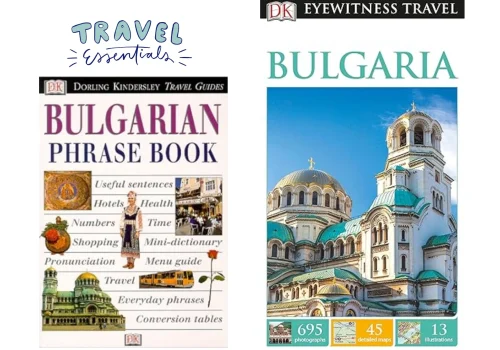
“No other guide whets your appetite quite like this one” – The Independent
Southern Bulgaria is one of those regions that quietly steals your heart. Ancient cities, mountain monasteries, ski towns wrapped in pine forests, and a rhythm of life that feels both grounded and generous. Whether you’re planning a cultural escape, a nature-filled road trip, or a winter holiday, this part of Bulgaria offers a beautiful mix of history, scenery, and soul. It has a way of staying with you long after you’ve left.
Have you been? Share your favourite moments or hidden spots in the comments — your insights help other readers plan their own journey.
>> Bulgaria’s monasteries, villages, old towns, and traditional crafts offer another kind of souvenir: decorating inspiration. Discover how copper, ceramics, woven patterns, and natural materials come together in our Balkan-Inspired Decorating guide.