
We couldn’t find anything for that search. But we’d love to know what you’re looking for — feel free to drop a comment on any post and tell us what you’d like to see next.
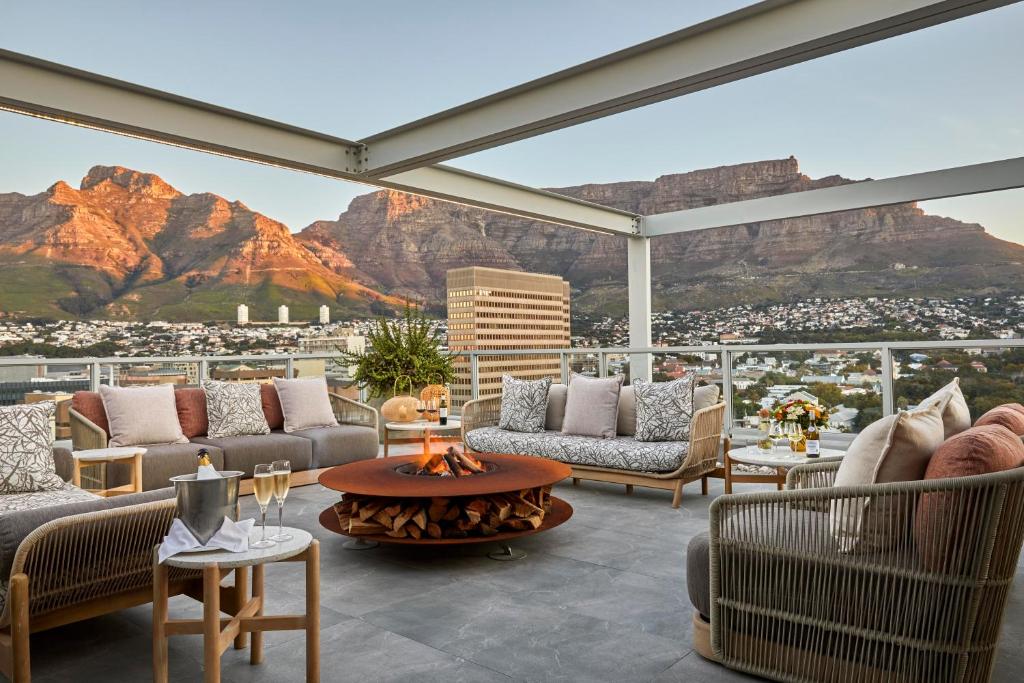
One of the first things visitors notice about the Western Cape is how relaxed it feels. You hear it in everyday language. Locals say “cool bru” when everything’s fine, and “lekker” when something feels just right. Those words aren’t slang for show — they reflect a genuine, easygoing outlook on life. In this article we mention 7 most beautiful villages to visit in the Western Cape that reflect exactly this vibe…
That relaxed spirit comes from the people. The Western Cape is known for warm, down-to-earth locals who are happy to chat, offer directions, or recommend a favourite café without any fuss. Interactions feel natural and unforced. Smiles come easily, and there’s a sense that people have time for one another.
For first-time visitors, this creates a comforting atmosphere. You don’t feel like an outsider for long.
The Western Cape region of South Africa is made for driving. Distances are manageable, roads are good, and the scenery changes without warning. One moment you’re beside vineyards and white Cape Dutch buildings, the next you’re hugging the ocean with waves crashing just meters away. These are the kinds of drives where you stop often — not because you planned to, but because the view insists.

Chapman’s Peak Drive runs between Hout Bay and Noordhoek, along the Atlantic coast of Cape Town.
The road curves around the steep slopes of Chapman’s Peak, high above the ocean. On one side, the mountain rises almost vertically. On the other, the sea stretches out below, often with waves breaking far beneath the road. It’s a short drive, but one that’s meant to be taken slowly, with time to stop at the viewpoints and simply take it all in.
This coastal road runs between Rooi-Els (Rooiels) and Gordon’s Bay, hugging the edge of the ocean along the Kogelberg coastline.
This stretch is one of the most scenic drives in the Western Cape. Mountains rise sharply on one side, the sea opens wide on the other, and the views change constantly as the road curves along the coast.
It’s the kind of road where you naturally slow down. Pull-off points invite you to stop, look back toward the coastline, and watch the light shift over the water. For many visitors, Clarence Drive feels quieter and more untouched than Chapman’s Peak, which makes it especially memorable for a relaxed coastal drive.

Few places change character as quickly as the Western Cape. Mountains rise suddenly from flat land. Green valleys give way to dry, open spaces. Cold Atlantic beaches feel wild and dramatic, while warmer coastlines feel gentle and inviting. You don’t need to travel far for the landscape to feel completely new.
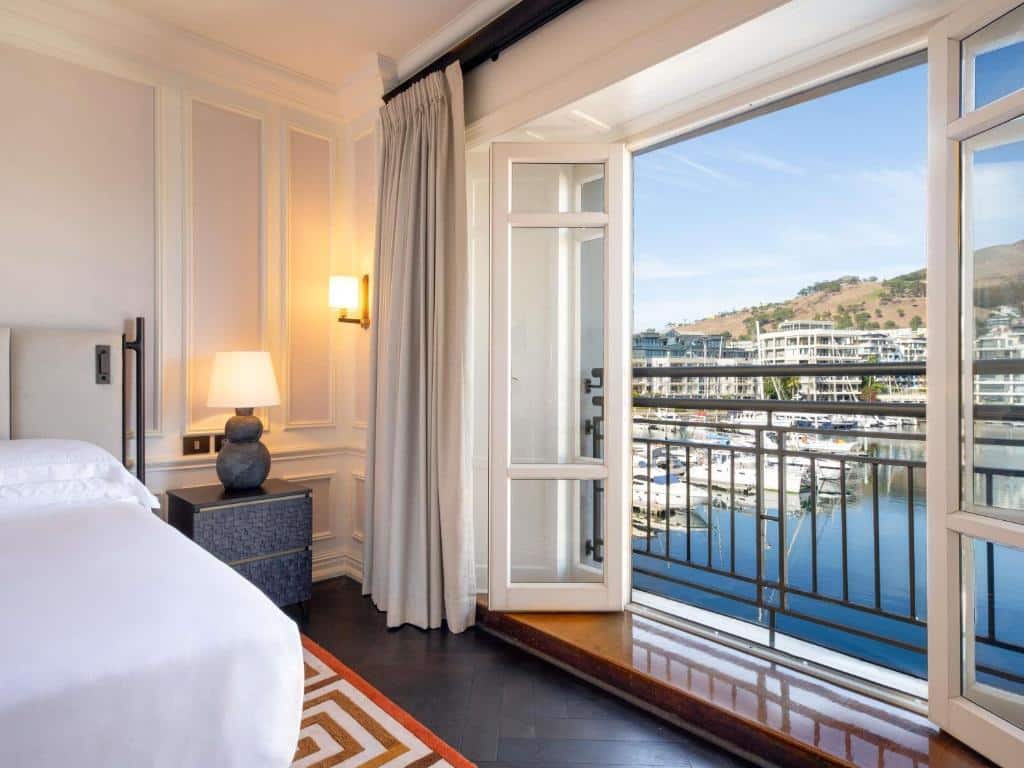
The Western Cape is a place that charms visitors all year round, with each season offering its own magic. No matter when you arrive, the region has a way of making every visit feel memorable, with moments that linger in your heart for years to come.

Spring (September – November) brings flowers and fresh color after winter rains. Summer (December – February) is long, bright, and made for the coast. Autumn (March – May) feels calm and golden in the wine regions. Even winter (June – August) has its own quiet charm, especially inland. Each season offers a slightly different version of the same place.
Winter in the Western Cape is surprisingly gentle, especially around Cape Town and the nearby coastal towns.
Locals take pride in the strong winds at this time of year, affectionately calling it the “Cape Doctor.” It’s said to sweep the air clean, keeping the skies brilliantly blue and lending the city a crisp, fresh feel.

This seaside town has a charm that makes it perfect for travelers who love festivals — and Hermanus certainly doesn’t disappoint. Stroll through its streets and you’ll find a mix of inviting cafés, cosy restaurants, and little shops to browse at your own pace. Each day brings something new to discover, whether it’s a local market, a gallery, or a quiet spot to watch the ocean.
Visit at the right time of year, and the town adds an unforgettable spectacle to the mix: Southern Right Whales breaching just offshore, turning any walk along the cliff paths into a magical encounter with nature. Or attend the Easter play in the small harbor. Follow our link to read more and plan your trip…
Knysna is best known for its dramatic “The Heads,” where the views over the lagoon and ocean are simply spectacular. From this vantage point, you can take in the sheer scale of the coastline and feel the peaceful rhythm of the water below. The town itself sits in a central spot, making it easy to plan day trips to nearby gems like Wilderness or Plettenberg Bay.
Knysna offers plenty to keep visitors busy too — from strolling along the waterfront and browsing quaint shops, to sampling fresh local seafood at a waterside café. There’s a calm, welcoming energy here that makes it easy to relax, explore, and let each day unfold naturally. In my opinion, you can make your stay more memorable by including a few of the “Things to do” on our list. Follow our link to read more and plan your trip.
For lovers of wine and leisurely tastings, Franschhoek is a delight. The valley pairs world-class vineyards with charming streets full of boutique shops, international finds, and award-winning restaurants.
History is woven subtly into the town, adding a sense of place without ever feeling heavy. You can easily stroll from one end of town to the other — a longer walk if you take your time — browsing pretty gift shops, art galleries, and cafés along the way. Every turn offers a new corner to explore, a table to sit at, or a view to pause and admire.
The pace here is gentle, letting you savour the flavours, the scenery, and the quiet joy of a day spent in one of the Western Cape’s most inviting valleys. Our article will help you with ideas and easy ways to book your stay. Follow our link to read more and plan your trip.
Known as the “Eikestad” for the many oak trees that line its streets, Stellenbosch is a lively town where history meets everyday charm. With a university at its heart, the streets hum with energy, cafés, and small shops to explore.
Beyond the town, the surrounding wine farms invite leisurely tastings, while the Jonkershoek and Simonsberg Mountains offer gentle trails for nature walks or scenic drives.
Picture-perfect restaurants are tucked into gardens and vineyards, and Cape Dutch stately homes add an elegant touch to the landscape. It’s a place where you can stroll, linger, and soak in both history and natural beauty without ever feeling rushed. Follow our link to read more and plan your trip.
The town of Oudtshoorn in the Klein Karoo, Western Cape is known for its ostrich farms as well as the well-known “Klein Karoo Nationale Kunste Fees”: An Arts Festival held each year in March and April with the best of South Africa’s talent performing. Furthermore, the famous route 62 (a wine route) and the impressive Cango Caves are some of the main attractions in this region. Also, don’t forget to stop at the “Crocodile Farm” – the Cango WildLife Ranch. In my opinion, it is definitely worth a stop especially if you would love to do Croc Cage diving and get up close and personal with the crocodiles. Follow our link to read more and plan your trip.
The home of the beloved South African Rooibos tea is often overlooked as a tourist destination. However, it is one of the main stops when going to the Western Cape for the world-famous Namaqualand flower season. Situated in the valley of the Cederberge, the area is also home to extensive and iconic Rooibos Tea farming, along with citrus. In and around Clanwilliam you will also find a few “hidden gems” when looking at accommodation. Follow our link to read more and plan your trip.
The town in the heart of the “Boland” in the Western Cape is beautiful with its vineyards and the majestic mountains surrounding it. Let the Paarl Wine Route lead you to the wonderful wine estates in the area known for their Shiraz, Chardonnay, Pinotage, Viognier, Mourvedre, and Chenin Blanc. I would suggest a stop at the “Afrikaanse Taalmonument” just to take in the awesome views: all the way to Cape Town. Remember to make time for a cup of coffee while enjoying the view. Take a drive down the 12 km long main road (which is the longest main road in South Africa) and stop at the Cape Dutch and Victorian architecture buildings or the beautiful KWV Wine Cellar. Follow our link to read more and plan your trip.


