“The city of Verona captures the imagination with its ancient architecture, lively piazzas, and storied streets. Forever linked to the legend of Romeo and Juliet, it has earned its reputation as the ‘Romantic Capital of Italy.'”

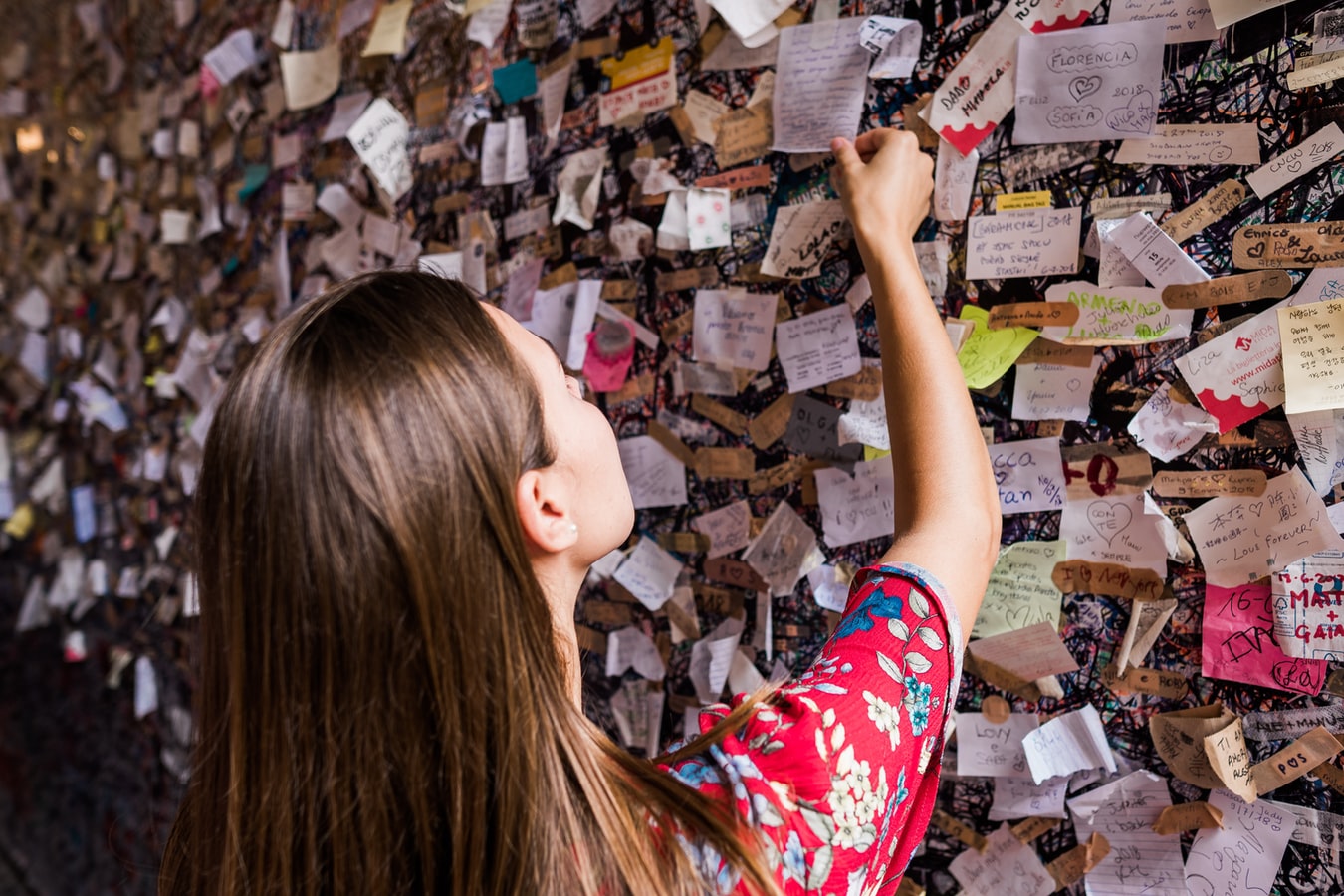
Linked to the story of Romeo and Juliet, you’ll see traces everywhere. The most famous stop is Juliet’s House, where a small stone balcony draws visitors from all over the world. It’s simple, but still special. People leave notes, take photos, and stand quietly for a moment. The story may be fiction, but the feeling here is very real.
The reality now: At Juliet’s House, you can no longer simply walk into the courtyard for free like before. Since April 2026, access to the courtyard (where the balcony and statue are) is part of a controlled, ticketed route, and you must book a time slot in advance.
If this is something you’ve always imagined doing, it’s worth paying for the courtyard access. The visit is short, but it gives you the proper view and a calmer, more controlled space.
If you’re more interested in atmosphere than ticking off the balcony, you won’t feel like you’re missing out. Verona itself — the streets, the river, the quiet corners — carries far more magic than that one courtyard.
And often, just walking away from the crowds and finding your own quiet piazza feels far more romantic anyway.
Verona is compact. You can explore most of it on foot without effort.
Yes, the city can feel huge at first glance — but here’s the key: you’re not exploring all of Verona… just the part that matters for a visit.
Verona as a whole is a full-sized city.
The historic centre, where all the beauty is, is surprisingly small.
Most of what you’ll want to see sits inside a loop of the Adige River, and that area is very walkable.
Within about 15–20 minutes on foot, you can move between:
That’s the core experience. Everything connects easily through walkable streets.
Once you start walking, it clicks. Streets link naturally, piazzas appear one after another, and you rarely need transport. You might walk more than expected — but it never feels like hard work.
Treat Verona like a cluster of beautiful spots close together, not a big city you need to conquer.
Stay central, head out on foot, and let the streets guide you. That’s when Verona feels easy — and far more enjoyable than trying to cover everything.
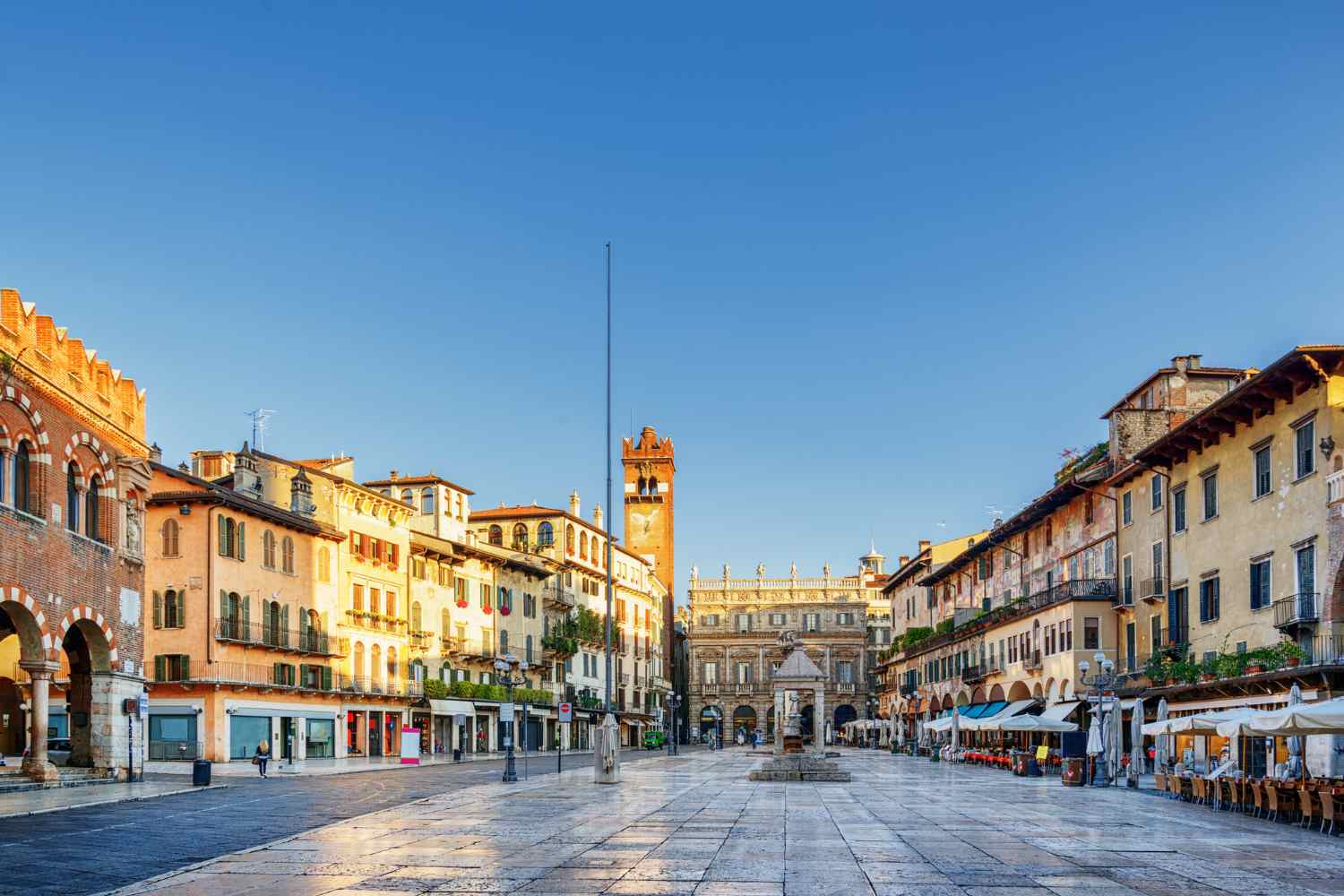
Start at Piazza delle Erbe, the lively heart of the city filled with market stalls, cafés, and pastel buildings. Just a short walk away, Piazza dei Signori feels calmer, almost hidden, with elegant arches and a peaceful rhythm.
Then there is Arena di Verona, a Roman amphitheatre that still hosts performances today. It’s one of the best-preserved in Italy, and seeing it in person gives you a real sense of how ancient and alive this city is at the same time.
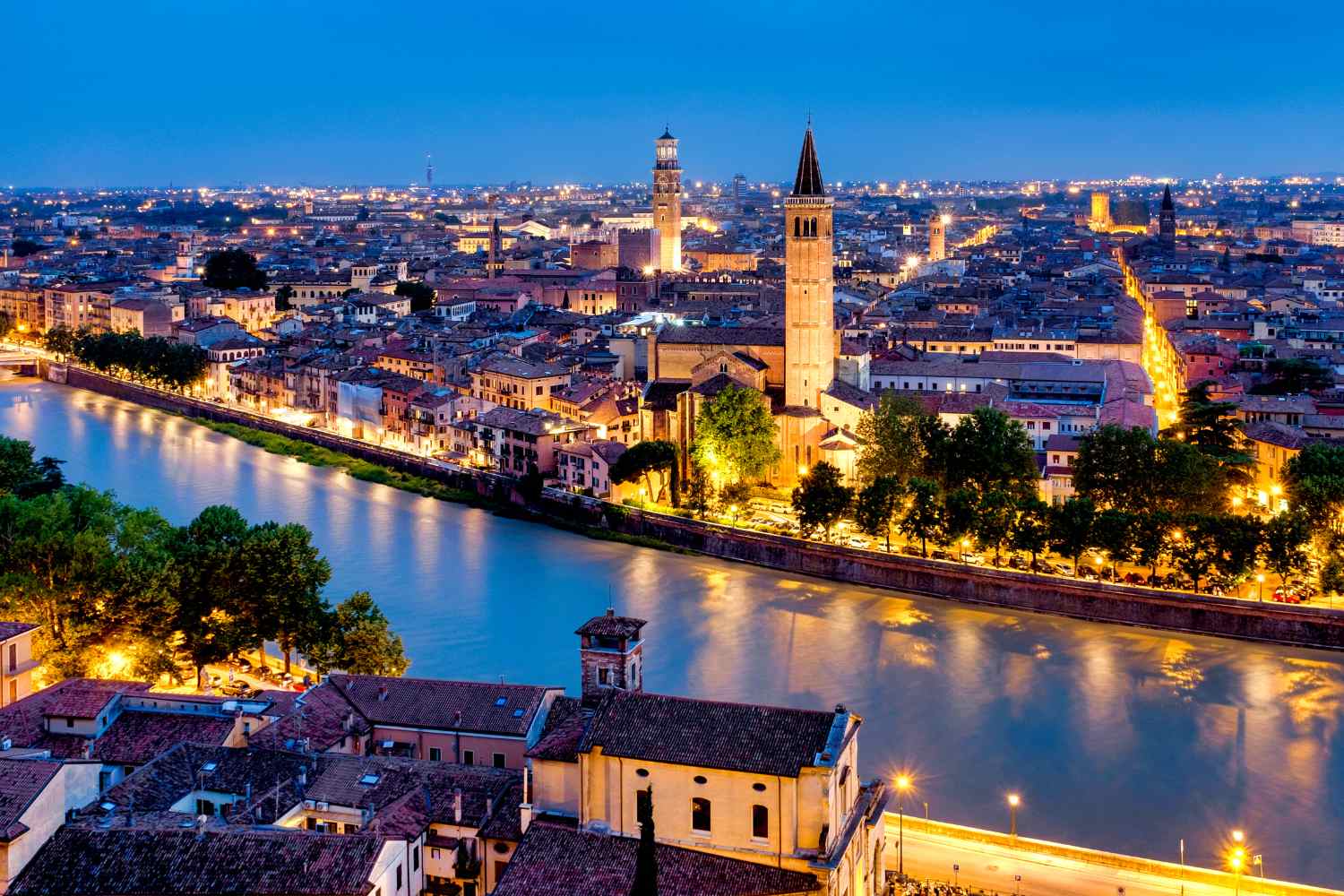
Cross the river via Ponte Pietra, the oldest bridge in Verona, and make your way up to Castel San Pietro. The view from the top opens up the whole city—terracotta rooftops, church towers, and the Adige River winding through it all. Late afternoon is the best time. The light softens, and everything feels warm and still.
Walk along the river, then cross over and make your way up toward Castel San Pietro. The view from the top brings everything together — the river, the bridges, the rooftops.
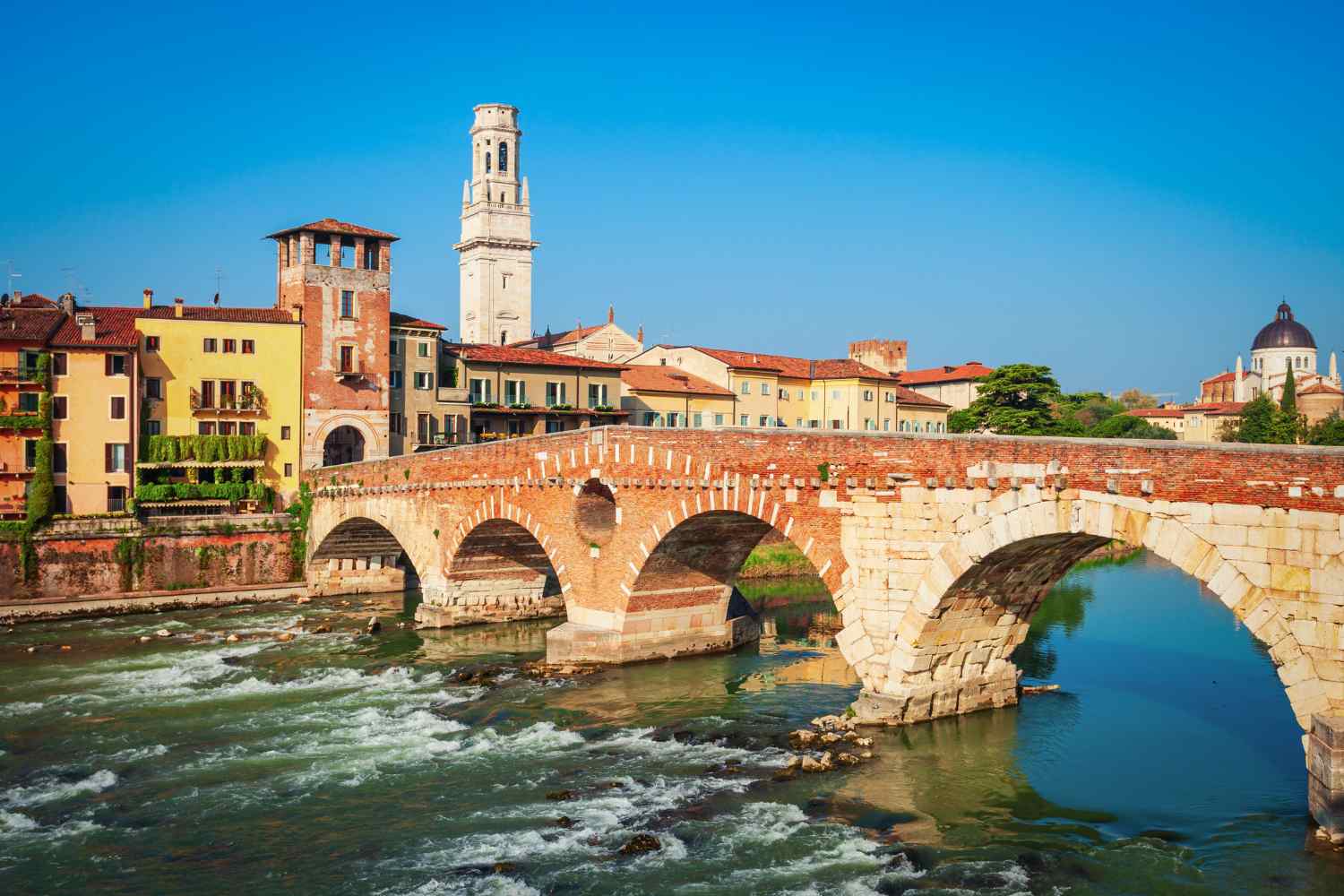
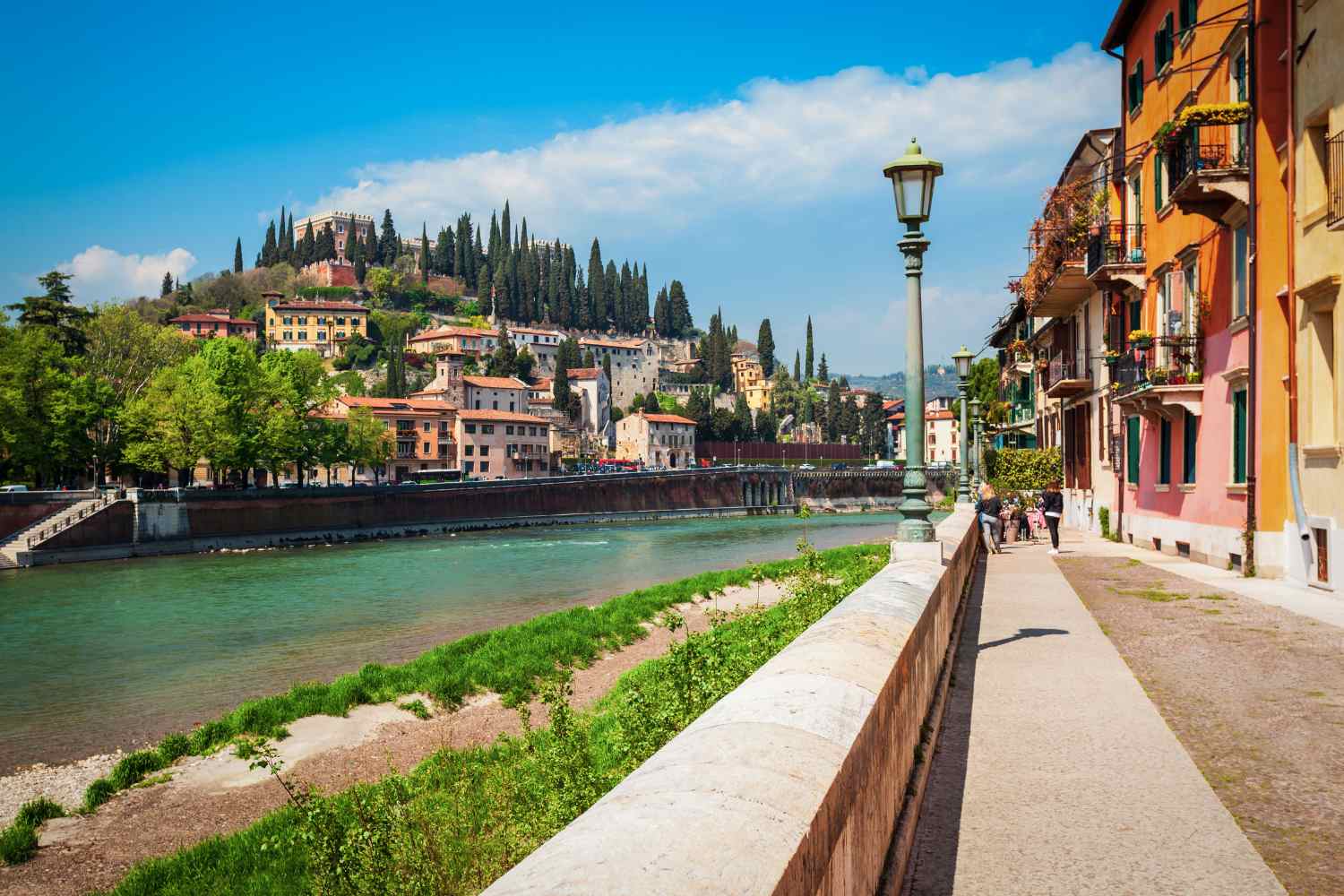
The Adige River curves gently around the historic centre, and walking beside it gives you space to breathe. You’re away from the crowds, with wide paths, soft light, and the sound of water moving past old stone walls.
It feels calm, almost quiet compared to the busy piazzas.
It’s not staged or dramatic. It’s simple and real, and that’s exactly why it works.
There’s something about Verona that stays with you long after you leave. Maybe it’s the faded peach walls glowing in the afternoon sun, the quiet rustle of ivy curling over stone balconies, or the soft sound of heels on cobblestones echoing through narrow lanes. This isn’t just another city in Italy — it’s the kind of place that makes you slow down and feel something.
For a first-time visitor, Verona offers everything: atmosphere, beauty, excellent food, and just enough drama to keep it interesting. Best of all, it’s compact enough to explore without stress, but rich enough to remember forever.

By now, you’re probably planning a trip to northern Italy and wondering if Verona deserves a spot on your itinerary. Should you visit Verona or Milan? We’ll help you decide further down in this article. And what about those people who say Verona isn’t worth it? Let’s talk about that too — with honest, firsthand insight.
Since Verona is a UNESCO World Heritage Site, it is definitely worth a visit.
Verona sits quietly in northern Italy, tucked between Venice and Milan, and often overlooked by travelers rushing between the bigger cities. But that’s part of its charm — Verona doesn’t try too hard. It doesn’t need to.
You’ll find it in the Veneto region, along the Adige River, surrounded by rolling vineyards and less than 30 minutes from Lake Garda. Trains make it easy to reach from Venice (1 hour) or Milan (1.5 to 2 hours), and the city center is small enough to explore entirely on foot.
Because it’s one of the most romantic cities in Europe — and not just because of Juliet’s balcony. The golden light, the quiet backstreets, the views from ancient stone bridges… It’s a place that makes ordinary moments feel cinematic. And for first-time visitors to Italy, Verona is the perfect mix: not overwhelming like Rome, not overly touristic like Venice, yet packed with beauty and personality.
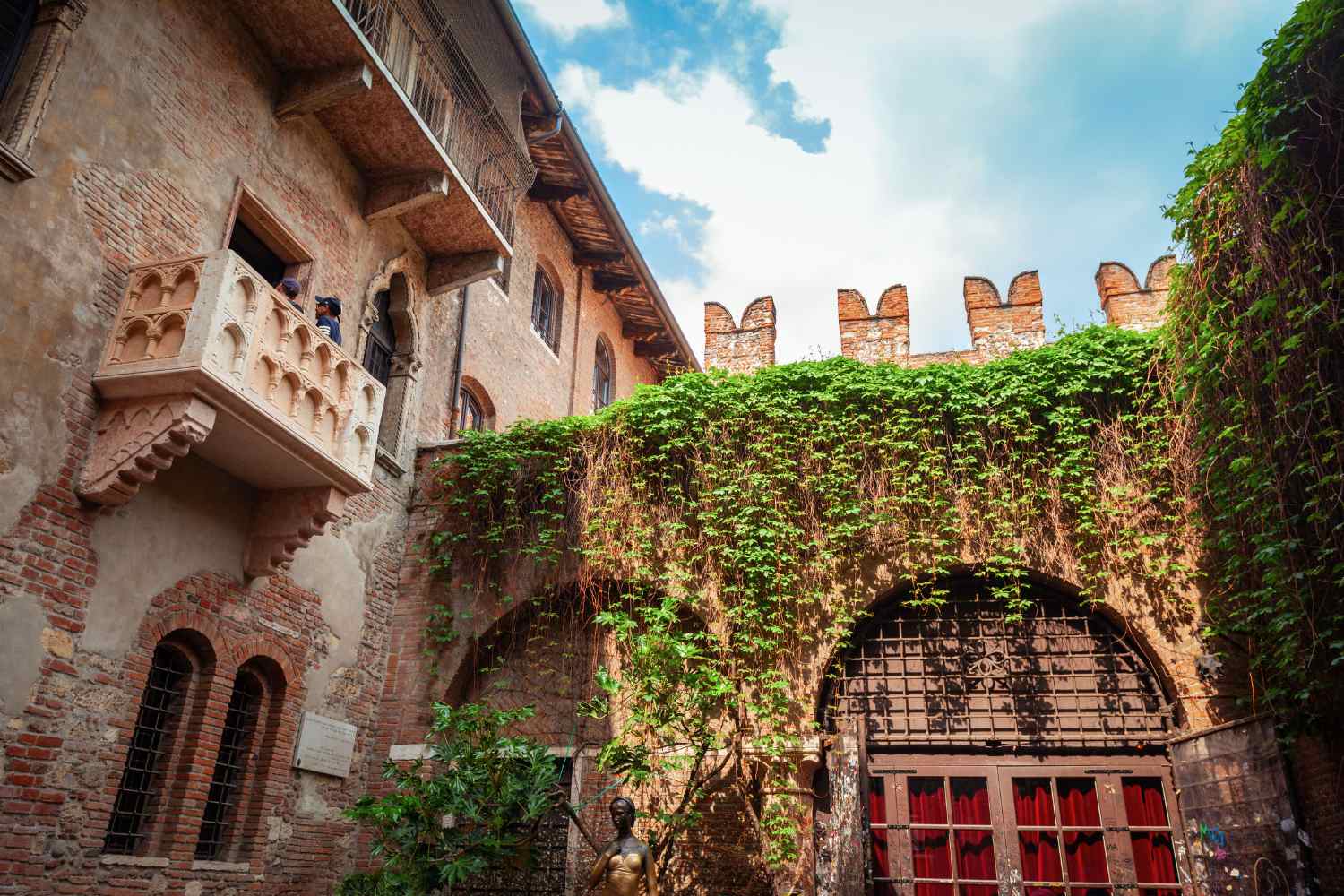
Planning your accommodation: When planning where to stay – It is nice to stay in the historic center of Verona so you can walk to everything — from Juliet’s balcony to riverside sunset spots — without needing taxis or public transport.
Topping Up Local Wi-Fi or Mobile Data
Most cafés and restaurants offer free Wi-Fi, but for stable connection on the go, consider buying a local SIM. TIM, Vodafone, and WindTre have tourist packages you can pick up at the airport or in town. You’ll find top-up vouchers (called “ricariche”) at tobacconists (look for a blue “T” sign), newsstands, or via the provider’s app or website. Make sure your phone is unlocked before you go.

SELF CATERING OPTION
Dimore Verona offers self-catering apartments in different parts of the city Verona, which can be a more affordable option and is ideal for couples or small families.
Each apartment is equipped with a flat-screen TV and washing machine, plus free Wi-Fi and a bathroom including a shower, bidet and hairdryer. Some apartments are air conditioned.
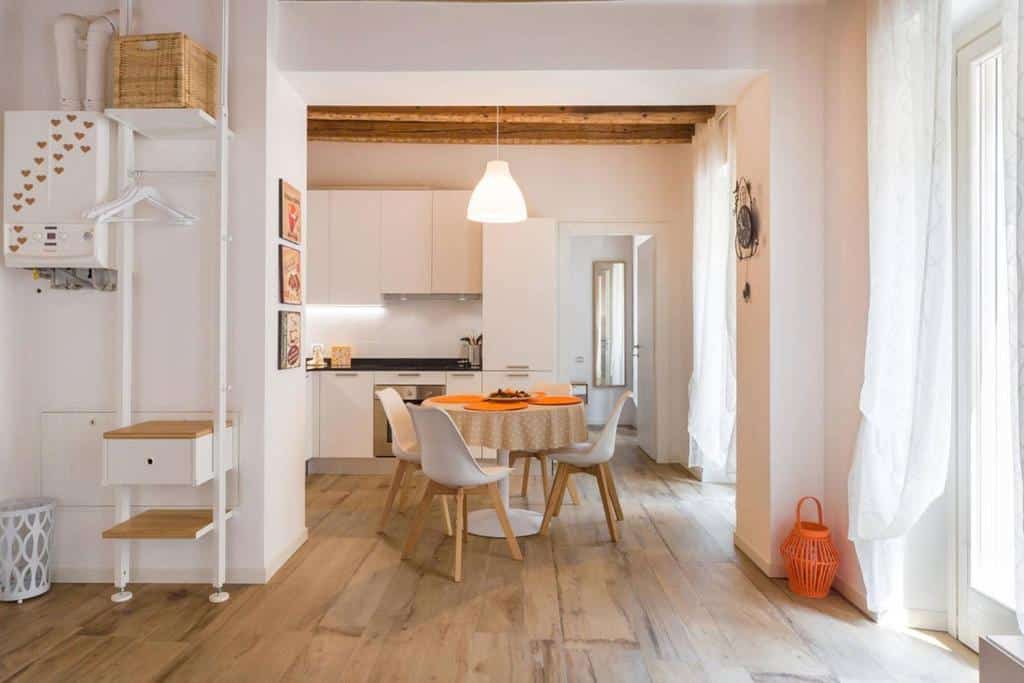
In Verona, self-catering often feels like the smarter choice — especially if you like space, flexibility, and a more local rhythm to your stay.
Places that offer elegant self-catering apartments and studios in different locations…
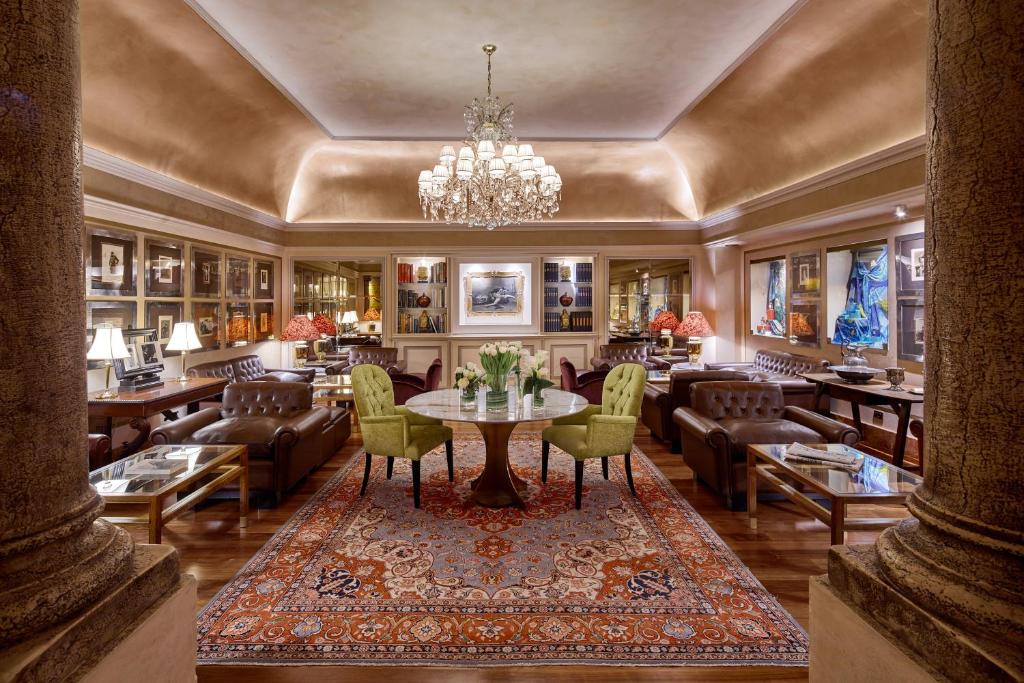
This beautiful hotel is set in Verona’s centre, just 350 m from the Verona Arena, and near some of the best shopping areas.
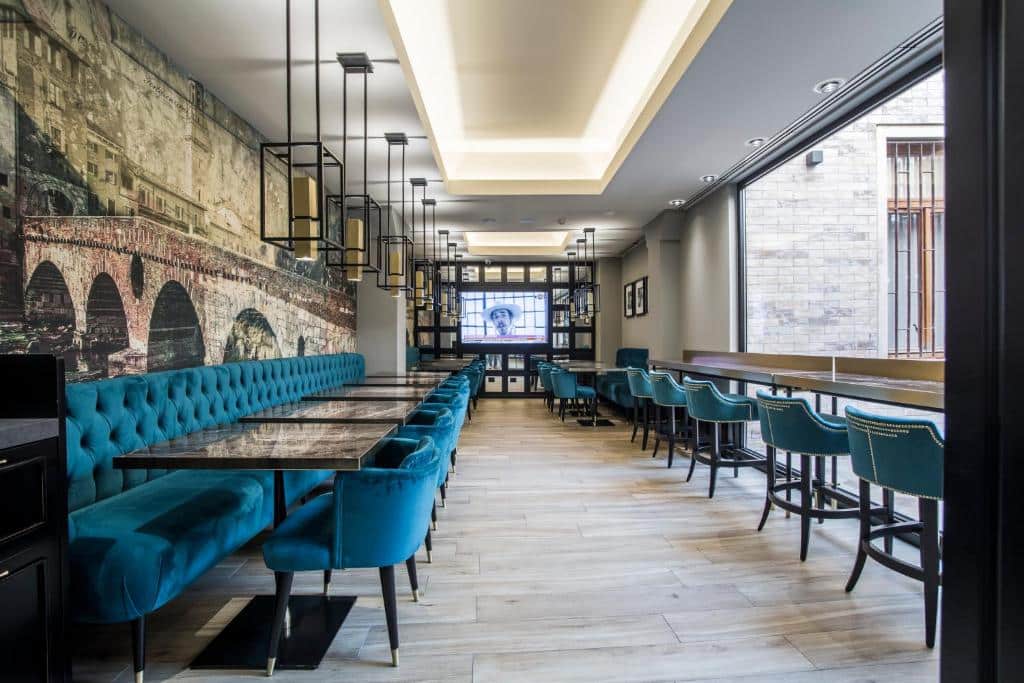
This hotel – Spa & Wellness Centre is located just 50 m from Verona Arena, the Hotel Milano is in Verona’s historic centre. They have a fabulous rooftop bar with hot tub and views of the Arena.
Comfortable walking shoes (you’ll be on cobblestones)
Light layers for warm days and cool evenings
A travel umbrella or packable rain jacket
Sunglasses and a sun hat for midday strolls
Something nice for dinner — Verona dresses up in the evening
Verona Villafranca Airport (IATA: VRN, ICAO: LIPX), also known as Valerio Catullo Airport or Villafranca Airport
Flying into Verona makes it also easy to visit Lake Garda, just a short 30-minute drive away.
his means you can quickly escape the city and enjoy the stunning lakeside towns, scenic beaches, and beautiful mountain views without spending hours on the road.
Verona’s convenient airport connects you to both the city’s charm and the natural beauty of Lake Garda, making it a perfect starting point for exploring northern Italy.
Verona is well connected by train, with direct routes from Venice (1 hour), Milan (1.5 to 2 hours), and Florence (2.5 hours). Verona Villafranca Airport (VRN) serves domestic as well as international flights. From the train station, it’s a 15–20-minute walk or quick taxi to the historic center.
Need to book train tickets? The Italian train site (Trenitalia/Trainline) is easy to use.
Two full days gives you time to see the highlights without rushing, while still leaving space for slow moments — the kind Verona is made for. You can walk the old town end to end in half a day, but the charm is in taking your time. Linger over lunch. Watch the light change on the Arena. Catch the golden hour from Castel San Pietro.
One day is doable if you’re just passing through, but you’ll only scratch the surface. You’ll likely leave wishing you had more time.
Three days or more is perfect if you plan to explore nearby — like Lake Garda, Valpolicella’s wine region, or even Venice on a day trip.
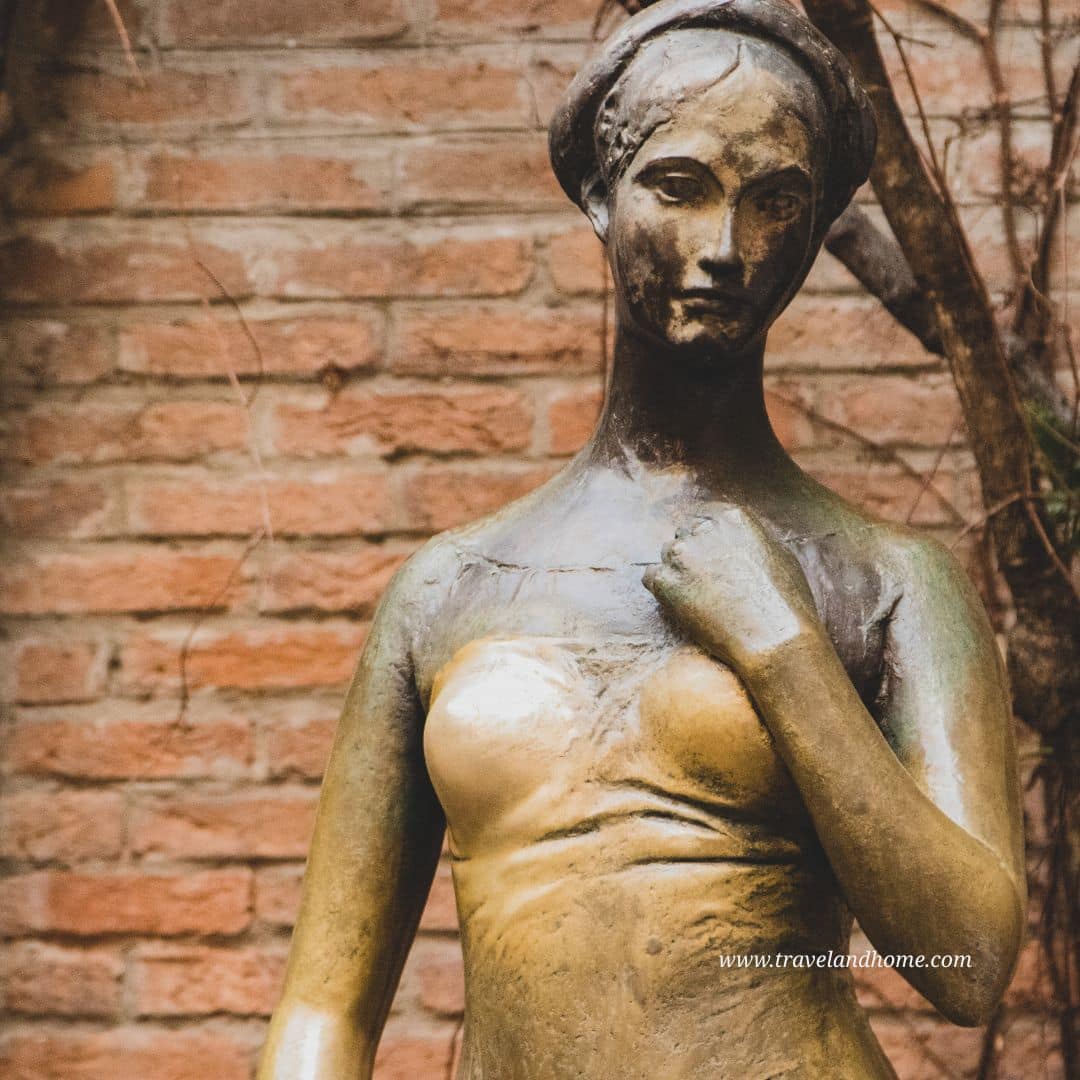
DID YOU KNOW: Shakespeare never actually visited Verona and his characters in Romeo & Juliet never really existed. But Casa di Giulietta (Juliet’s House) is one of Verona’s main tourist attractions. The balcony overlooking the small courtyard is a famous Instagram spot and everyone in love, stops here.
During the week of Valentine’s Day, the Verona in Love festival is held in the heart of the historic center of the Scaligero capital. As they say “If you love him, bring him to Verona”.
So if you’re planning to propose, a visit to Verona might be an awesome idea. But if you’re planning a wedding, why not do it in Italy? I’m not going to say anything else. Just visit Sposami A Verona for everything you need to arrange the perfect wedding in Italy.
It is near to:
1. Lake Garda
Just 30 minutes away, Lake Garda is Italy’s largest lake. Charming towns like Sirmione and Lazise offer lakeside walks, historic castles, and plenty of cafés with water views.
2. Valpolicella Wine Region
Famous for its rich Amarone wine, Valpolicella is a short drive from Verona. Visit vineyards, enjoy wine tastings, and soak in the rolling countryside.
3. Mantua (Mantova)
About 40 minutes by train, Mantua is a Renaissance gem with elegant palaces, quiet squares, and beautiful lakes surrounding the historic center.
4. Vicenza
Known for the architecture of Andrea Palladio, Vicenza is an hour by train. It’s perfect for lovers of classical design and less crowded streets.
5. Soave
A small medieval town just 30 minutes away, Soave is famous for its white wine and well-preserved castle overlooking vineyards.

May, September, and early October are the best months, thanks to mild weather and smaller crowds.
May is when Verona truly comes alive. Flower boxes overflow on windowsills. Locals linger outside cafés. Couples stroll along the river. There’s an air of anticipation, with summer just around the corner — but without the crowds of June, July, or August.
You’ll find fewer tour groups, shorter lines, and easier photo moments at popular spots like Juliet’s Balcony or Piazza delle Erbe. The city feels open, but not empty.
Buy the Verona Card to skip lines and save on entry fees
Many attractions are closed Monday mornings — plan around it
Restaurants often open for dinner after 7:00 PM
Take cash — not all small shops accept cards
Stay in the historic center so you can walk everywhere
Verona is easy to explore on your own, so a guided tour isn’t essential. But it does change the experience in a very specific way.
For a first visit, it can be a really good idea — especially at the start of your trip.
Many travelers say the storytelling is what makes the difference — guides bring the city to life rather than just showing buildings
And in a place like Verona, where everything looks beautiful already, that extra layer actually matters. However, if you prefer a slow, romantic pace, you might enjoy Verona more on your own.
This is what works really well:
That way:
Small group tours are especially good — they feel more personal and relaxed, and you can actually ask questions
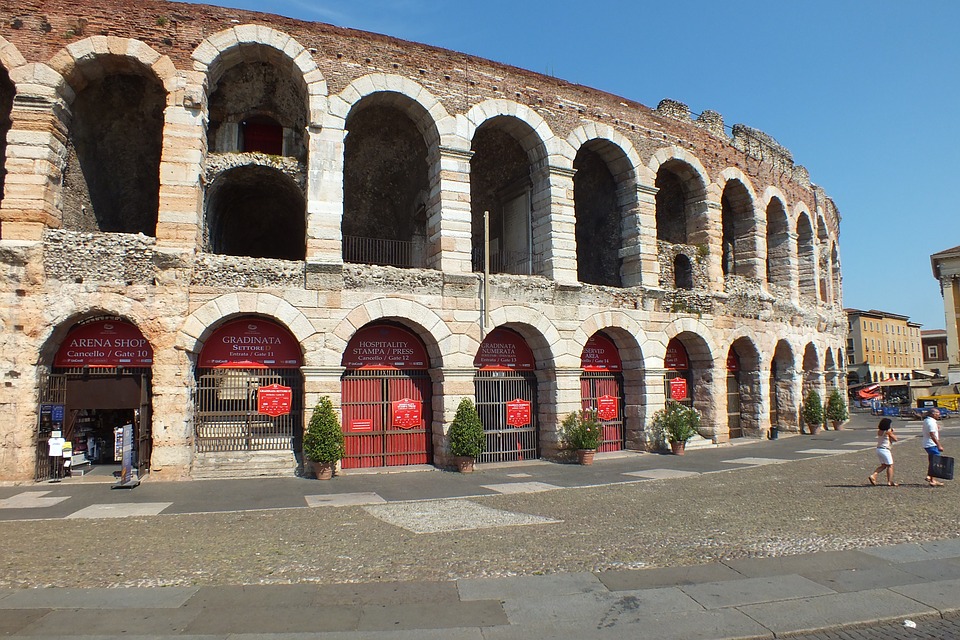
The Arena di Verona is not something you just look at from outside.
Sitting there in the evening, with music filling the space, feels completely different from a daytime visit.
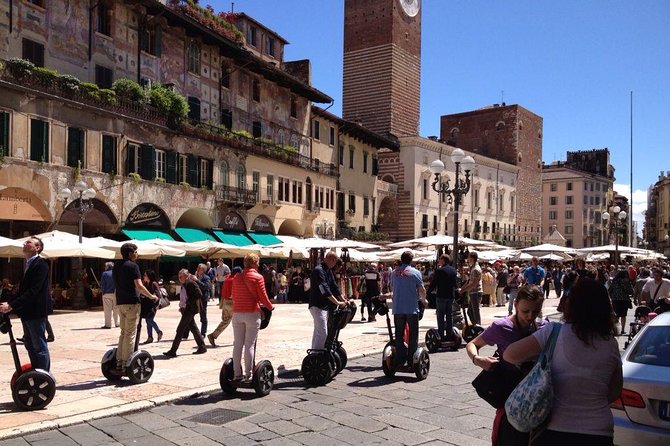
A guided Segway tour is one of the easiest ways to get your bearings on day one.
Most tours last around 2–3 hours and cover the main highlights in one smooth route
A guided tour in Verona isn’t about seeing more. It’s about understanding what you’re seeing.
If you enjoy atmosphere, cafés, and quiet walks, don’t fill your whole trip with tours.
But one good tour at the beginning? That’s often the thing that makes the rest of your visit feel richer and more meaningful.


Verona offers daily free walking tours (usually in English) that start from Piazza Bra or near the Arena. They typically last 1.5 to 2 hours and give you a good overview of the main sights. While the tours are “free,” it’s customary to tip your guide at the end. Look for companies like “Verona Free Walking Tour” or ask at your hotel — many places have up-to-date flyers or booking help.
If you’re going on your own, check out the Top 7 things to do in Verona…
Locals don’t rush dinner. They meet for aperitivo — usually around 6:00–8:00 pm — with a glass of wine or spritz and small bites. Best spots? Try Piazza Erbe or tucked-away wine bars near Via Mazzini. It’s also a smart way to save on dinner costs if you’re not too hungry.
From personal experience, here’s what stands out about romantic Verona — the little details that make it unforgettable:
Evening walks by the Adige River — the golden light hits the water, locals are out for passeggiata, and you feel like you’re in a film.
Dinner under fairy lights in Piazza delle Erbe — couples everywhere, soft music, candlelight on the cobblestones.
The view from Castel San Pietro — the perfect place to sit close, breathe in the view, and feel like you’ve escaped the world.
A quiet moment at Juliet’s balcony early in the morning — cliché or not, it’s surprisingly moving when the courtyard is still empty.
Sharing a gelato on the steps near Ponte Pietra — nothing fancy, but completely perfect.
What makes Verona romantic isn’t just the story of Romeo and Juliet. It’s the slow pace, the warm lights, the balconies overflowing with flowers, and the way you end up holding hands without even meaning to.
Here’s a tip most tourists miss: cross the Ponte Pietra and climb up to Castel San Pietro at sunset — it’s free, romantic, and gives you the best panoramic view of Verona.
The viewpoint is open and free to access, and people head up in the late afternoon specifically for that golden light over the city.
You have two easy options:
Walk up:
A short but slightly steep climb with steps from near Ponte Pietra
Takes about 10–15 minutes
Funicular:
A quick ride if you prefer something easier, especially after a long day
If you love shopping and exploring shops, you have to stroll down Via Giuseppe Mazzini, but beware it is a very busy street at times. However it has some beautiful architecture, so take the time to stop and look up at the buildings just above the shop windows.
The streets of Verona gets busy around here, but it is worth strolling through the markets and just exploring all the places.
Piazza delle Erbe is one of those places worth visiting with its outdoor market and restaurants.
Our Travel Tip would be to STOP. Stop every now and then and just have a gelato or some fresh summer fruit in the heat of the summertime. Stop to take in the surroundings. Stop to rest your feet and enjoy the day. Don’t rush everything and don’t expect to see everything in one day. Maybe stay another day and take a road trip from Verona to Limone sul Garda. Explore the beautiful places nearby.

Yes, if you plan to visit multiple attractions it is a good idea. The Verona Card (24‑ or 48‑hour) includes free entry to major sites and public transport. It saves both time and money.
In tourist areas, yes. However, using a few basic Italian phrases is helpful and appreciated.
Large restaurants and shops accept cards, but it’s wise to carry some cash for small vendors and markets.
Size: Small, walkable, and charming
Atmosphere: Romantic, relaxed, full of old-world beauty
Main draw: Juliet’s balcony, Roman Arena, river views, piazzas
Best for: Couples, first-timers to Italy, people who prefer slow travel and smaller cities
Time needed: 2–3 days
Nearby getaways: Lake Garda, Valpolicella wine region, medieval villages
Verona feels like you’ve stepped into a painting — easy to get around, beautiful at every corner, and much less hectic than Milan.
Size: Very Big, busy, cosmopolitan
Atmosphere: Fast-paced, fashion-forward, urban
Main draw: Duomo, The Last Supper, designer shopping, nightlife
Best for: Art lovers, shoppers, business travelers, fans of big cities
Time needed: 1 – 2 days (depending on you love to do)
Nearby getaways: Lake Como, Bergamo, Turin
Milan has big sights and bold style, but it’s less romantic and less relaxed.
Verona isn’t about rushing between sights. It’s about sitting down for a coffee in a quiet square, sharing a plate of pasta, or enjoying an evening aperitivo as the city slowly lights up.
Restaurants are relaxed, portions are generous, and meals are meant to be enjoyed slowly.
Verona leaves an impression because it feels effortless. You don’t need a packed itinerary here. Just walk, look around, and let the city reveal itself step by step.