
Generic selectors
Exact matches only
Search in title
Search in content
Post Type Selectors
post
page
e-landing-page

Travel Warnings You Should Never Ignore: 5 Red Flags Every Traveller Should Know

You know that feeling when you’re packing for a trip and suddenly think, “I hope I didn’t miss something important…”? We’ve all been there. Travel is exciting, but it also asks us to stay just a little bit alert — not anxious, just aware. Over the years, I’ve learned that the best trips aren’t the ones where everything goes perfectly. They’re the ones where you feel confident, calm, and prepared enough to enjoy the moment.

So today, I want to chat with you about the kind of travel warnings no official website will ever list. I’m talking about the real‑life red flags you and I bump into on the road — the subtle signs that something’s off, the tiny clues that whisper, “Hmm… maybe not this one.”

Think of this as a friendly conversation over coffee before your next adventure. I’ll share the things I’ve learned, the mistakes I’ve made, and the small signals that have saved me more than once. And by the end, you’ll feel more ready, more grounded, and more confident stepping into your next journey.

Let’s dive in.

Why These “Travel Warnings” Matter More Than Ever

Travel warnings, red flags, travel and home

Travel has changed so much in the last few years. We book faster, trust online photos more than we should, and often rush through decisions because we’re excited. I get it — I do it too. But the truth is, most travel mishaps don’t come out of nowhere. They come with little clues we overlook — the everyday travel warnings that quietly try to get our attention.

This guide isn’t here to scare you. It’s here to help you travel with your eyes open and your heart steady. When you know what to look for, you can relax more easily — and enjoy the trip you’ve been dreaming about.

1. Red Flags to Watch for Before You Book

Travel warnings, red flags, Too Good To Be True Deals

These are the travel warnings that show up long before you even pack your bags.

  • Too‑good‑to‑be‑true accommodation deals: If a beachfront villa is cheaper than a sandwich, pause. I once found a “luxury apartment” in a capital city for the price of a cup of coffee. The photos were stunning — sunset views, marble floors, the whole fantasy. Then I checked the map… and the building didn’t exist. Poof. Gone. Like a mirage.

A great deal is lovely. A magical deal is suspicious.
  • Missing or inconsistent reviews: A place with no reviews is like a restaurant with no customers at lunchtime. It might be fine… but it might also be a headache waiting to happen. And if the reviews sound like they were written by the same enthusiastic cousin? That’s a quiet little travel warning right there.
  • Photos that don’t match the map location: If the listing says “5 minutes from the city centre” but the map pin is floating in a field, something’s off. I once clicked on a hotel that claimed to be “steps from the beach.” Technically true — if you don’t mind walking 45 minutes down a cliff path.

2. Red Flags to Watch for When You Arrive

Travel warnings, red flags, When You Arrive

These are the travel warnings that show up the moment your feet hit the ground.
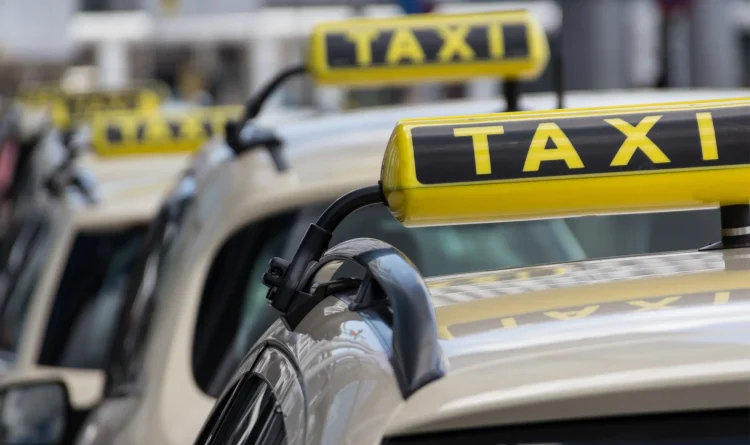
  • Taxis or drivers who refuse to use the meter or official apps: If a driver waves off the meter and says, “I give you good price,” smile politely and walk away. The “good price” is almost never good. I’ve learned this the hard way — twice.
  • “Helpful locals” who appear too quickly or insistently: Most people are genuinely kind. But if someone appears out of nowhere, insists on guiding you, or won’t take no for an answer, step back. Real help doesn’t pressure you.
  • ATMs in isolated or poorly lit areas: If an ATM looks lonely, neglected, or oddly placed, skip it. Your card — and your peace of mind — will thank you.
  • Accommodation that doesn’t match what was advertised: If you walk in and something feels wrong — the smell, the locks, the neighbourhood — you’re allowed to leave. You’re not being dramatic. You’re listening to your own personal travel warnings, and that’s smart.

3. Red Flags in Crowded Places

Travel warnings, red flags in crowded places, Crown on metro station in Moscow, Russia

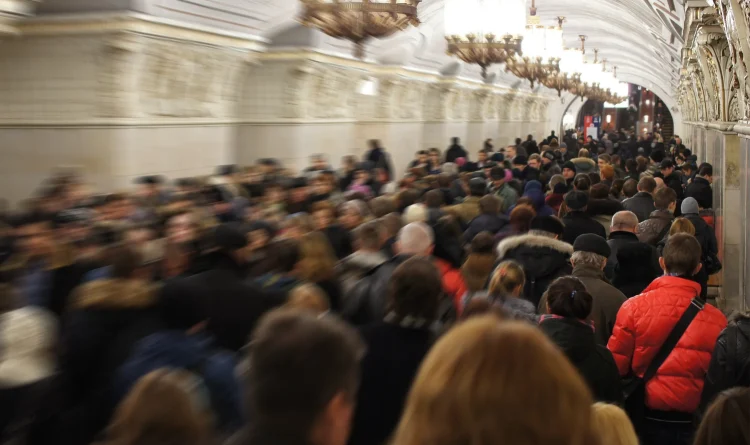
Crowded areas are full of tiny travel warnings that are easy to miss.

  • People creating distractions: If someone bumps you, spills something, or suddenly causes a commotion, check your bag. Pickpockets love a good performance.
  • Someone standing too close for too long: If you can feel someone breathing on your neck in a queue, shift your bag to the front. No need to be shy.
  • Bags or jackets placed strategically near you: If someone drapes a jacket over your bag or places theirs oddly close, move. It’s a classic trick.

4. Red Flags in Restaurants, Bars, and Nightlife

Travel warnings, red flags Restaurants & Nightlife, travel and home

Even a fun night out comes with its own set of travel warnings.
  • Menus without prices: If you can’t see the price, the price will surprise you — and not in a fun way.
  • Staff pushing “special deals” aggressively: A gentle suggestion is fine. A hard sell is not. If someone insists you must try something, it’s usually overpriced.
  • Drinks left unattended: This one is simple: if you can’t see your drink, don’t drink it. Full stop.

5. Red Flags in Nature and Outdoor Activities

Travel warnings, red flags Nature & Outdoor Activities, travel and home

Nature is breathtaking — but she gives her own kind of travel warnings too.

  • Unofficial guides offering tours: If someone approaches you with a “special tour” that’s not listed anywhere, skip it. A real guide has credentials, not just enthusiasm.
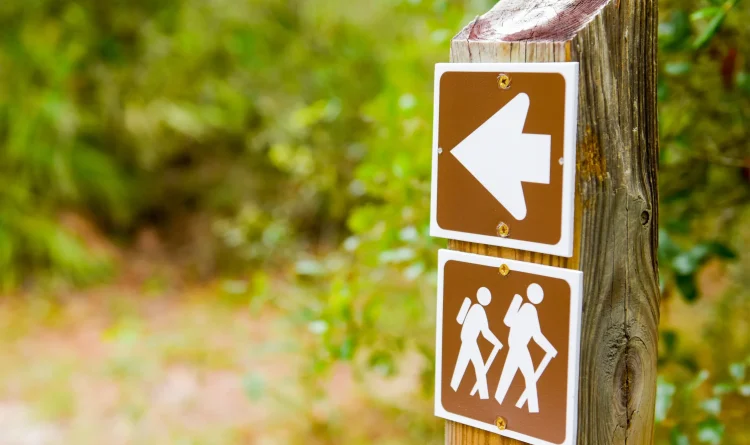
  • Trails without signage or safety information: If a trail looks like it hasn’t been used since the dinosaurs, trust that feeling. Nature is beautiful, but she doesn’t play.
  • Weather changes locals warn you about: If a local says, “Storm coming,” believe them. They know their land better than any app.

How to Trust Your Instincts (And Why They Matter)

Your instincts are your built‑in travel companion. They’re shaped by every experience you’ve ever had — the good, the bad, and the “oh no, never again.” If something feels off, even slightly, pause. You don’t need proof. You just need that tiny whisper inside you saying, “Hmm… let’s rethink this.”

Every time I’ve ignored that whisper, I’ve regretted it. Every time I’ve listened, I’ve felt proud of myself. Your instincts are often the very first travel warning you’ll ever get.
What To Do If Something Feels Wrong

  • How to exit politely but firmly: A simple “No thank you” with a confident tone works wonders. You don’t owe anyone an explanation.
  • When to seek help: If you feel unsafe, step into a shop, a café, or any place with people. Safety loves company.
  • How to document issues for insurance or bookings: Take photos. Keep receipts. Screenshot conversations. It’s not overkill — it’s smart.
Travel warnings, red flags, how to, travel and home

Affiliated Links

Easy Ways To Plan Your Trip With Confidence

A few trusted resources to help you organise the practical side of your journey.

  • Flights, trains, buses & ferriesCompare routes and prices in one place (perfect when you’re still figuring out your journey)
  • Hotel staysCompare locations, prices, and guest reviews  
  • Car rentalCompare providers and often find lower prices than booking direct (worth checking before you commit)
  • Visa & entry checks – A quick way to make sure everything is in order before you go
  • Travel insurance – One of those things you hope you won’t need, but will be grateful for if you do
  • Airport transfersSimple, reliable ways to get from the airport to your stay without the guesswork
  • Language basics – A few key phrases that can completely change how you experience a place
300*250
300*250

Travel has a way of teaching us things in the smallest moments — a glance, a feeling, a tiny detail that suddenly makes everything clearer. When you start noticing these little signals, the whole world opens up in a different way. You move with more confidence. You trust yourself more. And you enjoy the journey so much more deeply.

I’d love to hear from you. Have you ever spotted a travel warning or red flag that saved you from a bad experience? Share your story in the comments. Your insight might be exactly what another traveller needs before their next adventure.

Suggested Read:  Want to cut down on travel expenses and spend your hard‑earned money on experiences instead? Check out our 40+ travel tips — including the simple tricks that can save you serious money on car hire.