
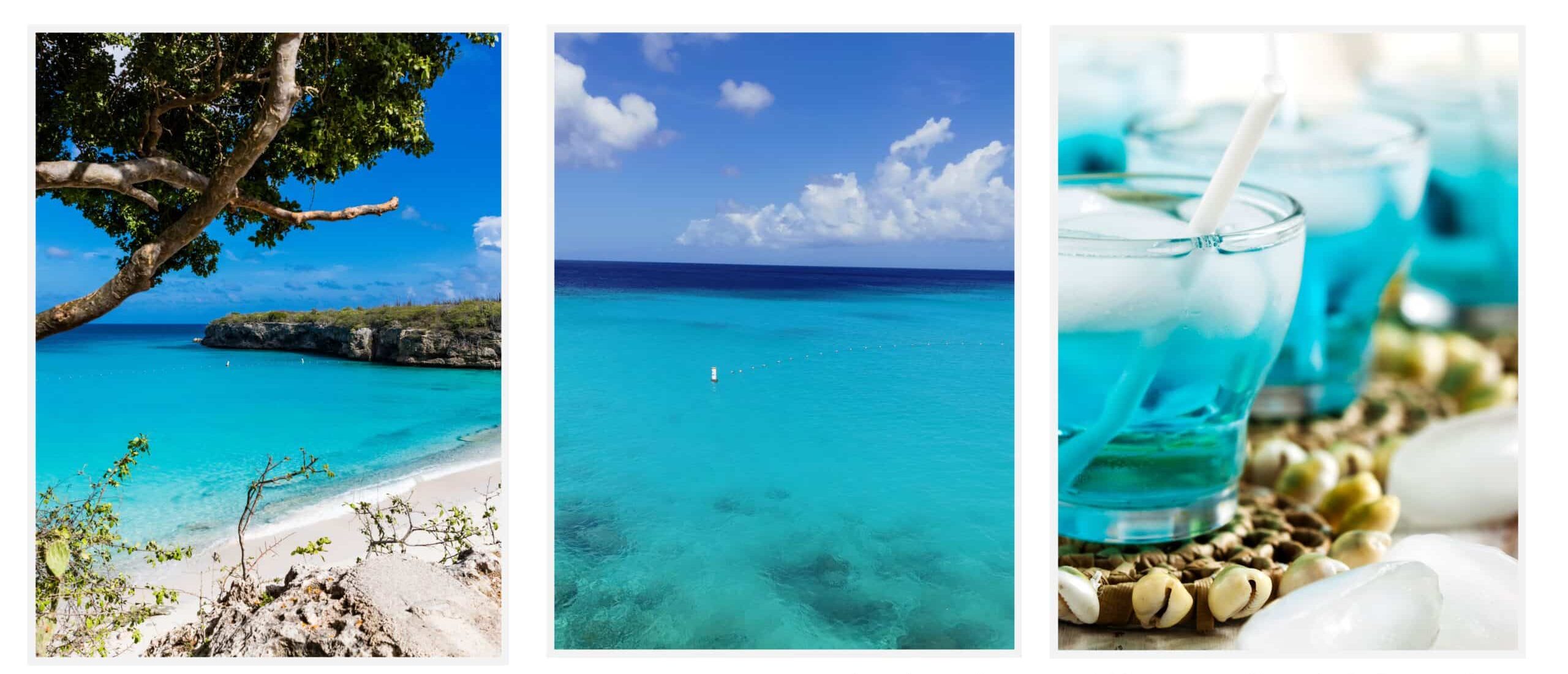
Nestled in the southern reaches of the Caribbean Sea, safely outside the traditional hurricane belt, lies Curaçao—a vibrant island paradise where European heritage seamlessly intertwines with warm island rhythms. Far more than just a haven of sun-drenched coastlines, this Dutch Caribbean gem captivates travelers with its iconic, candy-colored colonial architecture lining the historic waterfront of Willemstad, its mosaic of over 50 blended cultures, and more than 30 secluded, crystal-clear coves.
It is one of the three ABC Islands — Aruba, Bonaire and Curaçao — and is part of the Caribbean Netherlands.
Curaçao (pronounced Cure-ah-sow) is a small island sitting in the southern Caribbean Sea, just off the northern coast of South America—about 40 miles north of Venezuela.
Safe from Big Storms: Because it’s so far south, it lies below the main hurricane belt, making it a great destination year-round.
Dutch Connection: While it’s geographically in the Caribbean, it’s actually an independent country within the Kingdom of the Netherlands, which is why you’ll see so much Dutch influence mixed with Caribbean culture!

Accommodation on Curaçao: When I don’t know a place that well, my first question is always – “Do they have nice hotels or resorts?” And the answer is: Absolutely! Curaçao has some incredible places to stay, depending on the vibe you are going for—whether that’s steps-from-the-water luxury, historic boutique charm, or sunset ocean views.
No matter where you stay, Curaçao is compact enough that most of the island’s beaches and attractions are within a 30 to 45-minute drive, making it easy to explore the island at your own pace.

WHY WE RECOMMEND: This is the kind of resort where you can truly switch off. Spend your days by the pool, enjoy the tropical gardens, relax in the spa, and soak up the peaceful atmosphere. It offers all the comforts of a luxury Caribbean vacation while providing an excellent base for exploring the island. Book now…

WHY WE RECOMMEND: Very friendly service. The apartment is beautiful and the view from the balcony is superb, especially at night. Located in Willemstad, 1.2 km from Queen Emma Bridge and 5 km from Curacao Sea Aquarium. . Book ahead of time as this is a popular spot…
Yes. Curaçao is one of the Caribbean’s top snorkeling destinations. Many beaches have coral reefs just a short swim from the shore.
The island’s historic architecture is a sight to behold. Vibrant, pastel-colored buildings line the streets of its capital city, Willemstad, creating a picturesque and Instagram-worthy setting.
The historic city center of Willemstad is a designated UNESCO World Heritage Site, recognizing its outstanding value as a well-preserved colonial trading and maritime hub.

With its western-facing beaches, Curaçao offers breathtaking sunsets over the Caribbean Sea, providing a perfect way to wind down after a day of exploration.

Here are some of the best beaches on the island that you should definitely explore:
Playa Kenepa (Kenepa Beach): Also known as Knip Beach, Playa Kenepa is a postcard-perfect beach with turquoise waters and a picturesque cove. The soft, white sand and the surrounding cliffs create a stunning backdrop for a relaxing day in the sun. – 49 min (42.1 km)
via Weg Naar Westpunt
Playa Cas Abao (Cas Abao Beach): This beach is a tropical paradise with clear waters, excellent snorkeling opportunities, and a wide range of amenities, including beach chairs, umbrellas, and water sports equipment for rent. 39 min (30.5 km)
via Weg Naar Westpunt
Playa Porto Mari (Porto Mari Beach): Set in a beautiful bay, Playa Porto Mari is known for its double coral reef, which makes it an excellent spot for snorkeling and diving. The beach is well-maintained and offers shaded palapas and a beach bar. 36 min (27.3 km)
via Weg Naar Westpunt
Playa Grote Knip (Grote Knip Beach): Similar to Playa Kenepa, Grote Knip is a breathtaking beach with striking blue waters and a laid-back atmosphere. Bring your own picnic or grab a snack from the food trucks parked nearby. 50 min (43.2 km)
via Weg Naar Westpunt
Playa Lagun (Lagun Beach): Nestled in a small fishing village, Playa Lagun is a hidden gem, ideal for snorkeling and swimming. The bay is often visited by sea turtles, making it an exciting spot for nature enthusiasts. 44 min (38.7 km)
via Weg Naar Westpunt
Playa Daaibooi (Daaibooi Beach): This family-friendly beach offers calm waters, making it perfect for swimming and relaxing. The snorkeling is excellent here as well, and you can explore the coral reefs and marine life. 33 min (26.4 km)
via Weg Naar Westpunt
Playa Jeremi (Jeremi Beach): A quiet and secluded beach, Playa Jeremi offers a serene escape. The snorkeling here is fantastic, and you’ll likely encounter colorful fish and other marine creatures. 45 min (39.7 km)
via Weg Naar Westpunt
Playa Santa Cruz (Santa Cruz Beach): Located on the western coast, this beach provides a tranquil ambiance with beautiful sunsets. It’s an excellent spot for sunbathing and enjoying the serene surroundings. 43 min (37.8 km)
via Weg Naar Westpunt
Kleine Knip (Klein Knip Beach): Also known as Little Knip, this beach is a smaller version of Grote Knip but equally charming. Bring your own snorkeling gear and explore the underwater beauty. 49 min (42.1 km)
via Weg Naar Westpunt
Playa Kalki (Kalki Beach): Situated near the northern tip of the island, Playa Kalki is famous for its clear waters and vibrant marine life, making it an excellent spot for snorkeling and diving. 49 min (45.1 km)
via Weg Naar Westpunt
Willemstad is located on the southern coast of Curaçao, and these beaches are spread across the northwestern and western coasts of the island. Some of them are relatively close to Willemstad, while others may require a short drive to reach, but they are well worth the visit for their beauty and unique characteristics.
Take a Walk Along Curaçao’s Famous Waterfront
A stroll along the Handelskade is one of the best ways to experience Curaçao. The row of brightly painted Dutch colonial buildings overlooking St. Anna Bay has become the island’s signature view. Watch ships enter the harbor, enjoy lunch or a drink at one of the waterfront cafés, browse the shops in Punda, and cross the historic Queen Emma Bridge as it gently swings open for passing vessels. Visit in the late afternoon to see the colorful facades glow in the warm Caribbean light before the waterfront comes alive in the evening.
The Floating Market in Willemstad is one of Curaçao’s most distinctive attractions. For decades, Venezuelan fishermen crossed the Caribbean Sea in colorful wooden boats called lanchas to sell freshly caught fish and locally grown fruit and vegetables directly from their boats along the waterfront in Punda.
Today, the market has changed because of political and economic challenges in Venezuela, so you may not always find boats loaded with fresh produce as in the past. Even so, it’s still worth visiting. The waterfront remains a lively place to stroll, admire the colorful boats when they’re there, take photographs, and enjoy the atmosphere of historic Willemstad. Nearby cafés, shops, and the famous Queen Emma Bridge make it easy to combine the Floating Market with a day exploring the city’s UNESCO-listed center.

The streets behind the famous Handelskade waterfront are filled with colorful boutiques, local craft stores, and international brands. Browse for handmade jewelry, Caribbean-inspired fashion, locally produced liqueurs, Dutch treats, and souvenirs that are more unique than the typical tourist trinkets. If you’re looking for something special to take home, this is one of the best shopping areas on the island.

Absolutely. Curaçao combines colorful Dutch-Caribbean architecture, beautiful beaches, excellent snorkeling, and a relaxed island atmosphere. It offers plenty to do without feeling overcrowded.
Plan to spend 5 to 7 days. This gives you enough time to explore Willemstad, relax on several beaches, visit the island’s natural attractions, and enjoy the local food.
Curaçao has warm weather throughout the year. The driest months are generally January to September, while October to December may bring occasional showers, although they are usually short-lived.
I recommend renting a car. The island’s best beaches and viewpoints are spread out, and having your own transport makes it much easier to explore at your own pace.
The official currency is the Caribbean guilder (XCG). U.S. dollars are widely accepted in tourist areas, and credit cards are accepted at most hotels, restaurants, and shops.
Curaçao can suit a range of budgets. You’ll find luxury resorts, boutique hotels, self-catering apartments, and local restaurants alongside fine dining.
Yes. Curaçao’s tap water is safe to drink and is produced through seawater desalination. It’s known for its high quality. But if you’re always on the safe side, like me, rather ask before you drink.
Yes. The historic districts of Punda and Otrobanda are easy to explore on foot. Cross the Queen Emma Bridge to enjoy both sides of the city and the famous waterfront views.
The local language is Papiamentu, but Dutch and English are also widely spoken, making it easy for most visitors to communicate.