We couldn’t find anything for that search. But we’d love to know what you’re looking for — feel free to drop a comment on any post and tell us what you’d like to see next.
Home - Travel Destinations - Cordoba, Spain – Why Is It Worth Visiting In May?
If you click on links we provide, we may receive compensation.
We link to affiliated partners at no extra cost to you.
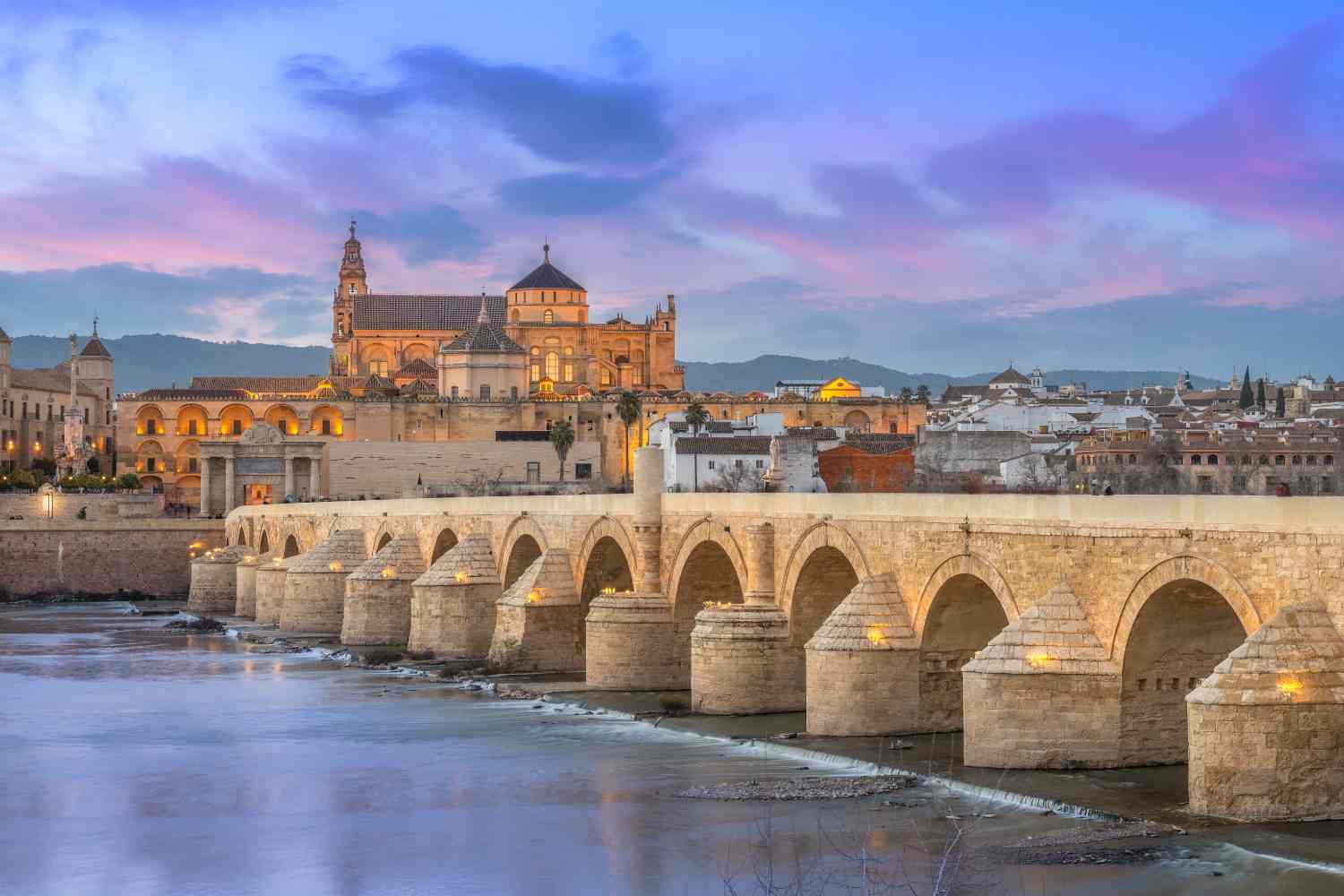
Córdoba is a sun-soaked city in southern Spain, in the region of Andalusia. It’s famous for its mix of old-world charm, winding streets, and rich layers of history that are visible everywhere you look.
Córdoba is a city where narrow, sun-dappled streets lead to quiet gardens tucked behind old walls, where orange trees bloom and fountains murmur softly.
Colorful patios peek out from between whitewashed houses, and every corner seems to hide a small surprise—a secluded bench, a fragrant courtyard, or a sunlit path waiting to be explored
For first-time visitors, these hidden spaces are Córdoba’s true charm: a city best experienced by wandering, noticing, and letting yourself get a little lost. (Keep reading to find out more about a very special tradition… you would not want to miss.)
Córdoba in Spain is renowned for the Great Mosque-Cathedral a mesmerizing architectural wonder, harmonizing Islamic and Christian influences. Secondly, the historic center and Jewish Quarter offer a captivating labyrinth of narrow streets, whitewashed buildings, and picturesque courtyards, preserving the city’s medieval charm and Jewish heritage.
A typical visit to Cordoba can be comfortably done in 1 to 2 days. This timeframe allows you to explore the highlights such as the Great Mosque-Cathedral, the historic center and Jewish Quarter, and experience the unique ambiance of the city. If you have specific attractions or activities you want to engage in, or if you wish to delve deeper into the city’s cultural offerings, you may consider extending your stay by a day or two.
Yes, you will be fine in Córdoba even if you don’t speak Spanish. Here are the practical facts:
English is spoken in tourist areas. Staff at hotels, many restaurants, and main attractions usually speak basic to good English. You can check in, order food, and buy tickets without difficulty.
Menus and signs are often bilingual. In central neighborhoods, especially around the historic center, many menus include English translations. Attractions provide information boards in English.
It’s a compact, walkable city. You won’t need to navigate complicated transport systems. Most key areas are within walking distance, which reduces language stress.
Translation apps work well. Mobile translation apps are widely used and accepted. Locals are generally patient if you need to show a translated sentence on your phone.
Basic phrases help. Simple words like “hola” (hello), “gracias” (thank you), and “por favor” (please) are appreciated but not required for basic travel needs.

Wear comfortable shoes for exploring the historic center’s narrow streets.
Consider purchasing the Córdoba Tourist Card, which provides access to major attractions and discounts on transportation.
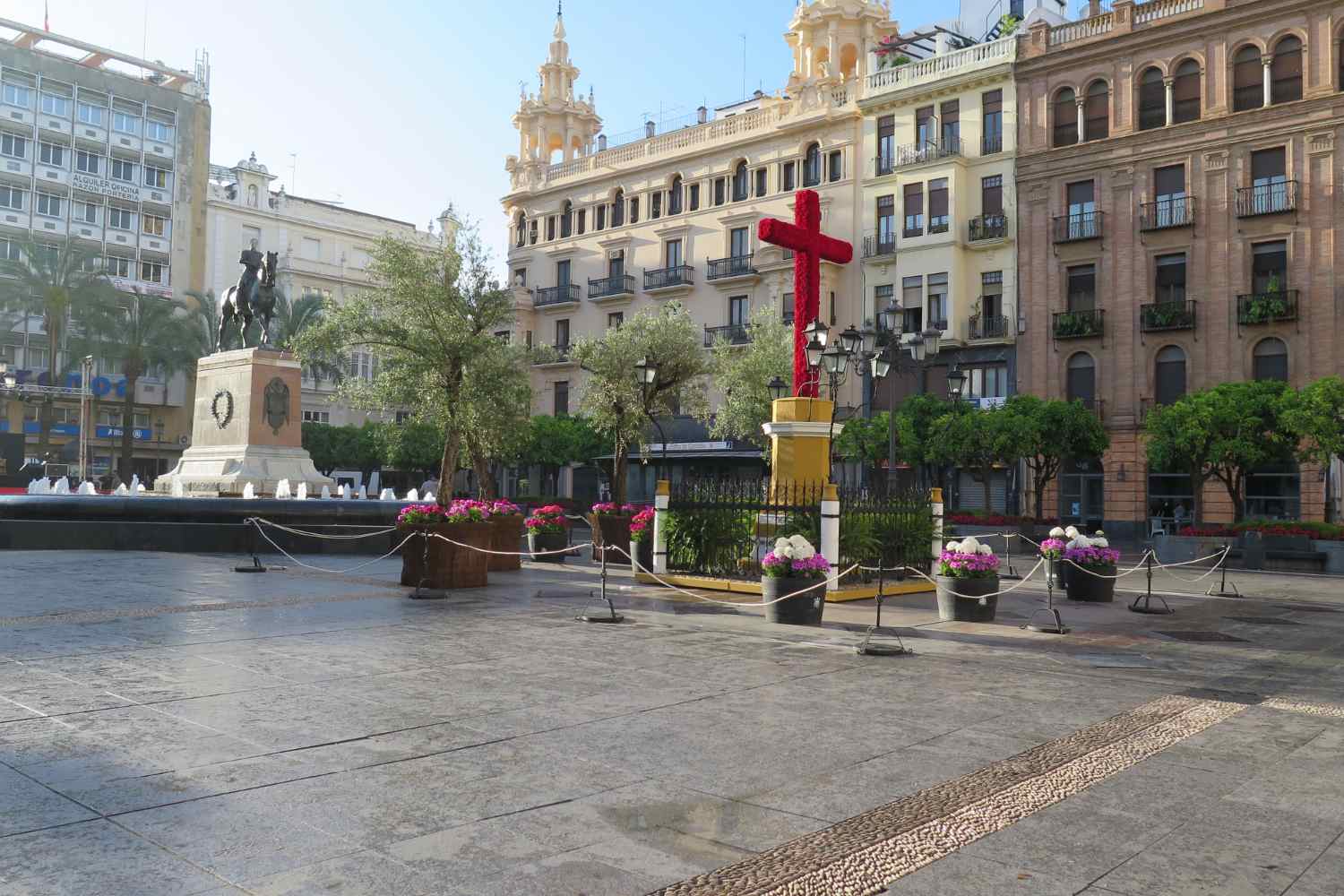
The celebrated Festival de los Patios showcases Córdoba’s vibrant culture, as residents open their beautifully adorned patios, filled with flowers and plants, to the public, creating a unique and immersive experience.
The Festival de los Patios in Córdoba, Spain, is a renowned UNESCO-listed event (since 2012) held annually over two weeks in early May.
It earned UNESCO status: In 2012, the festival was officially recognized by UNESCO as part of the Intangible Cultural Heritage of Humanity.
If you love flowers, leafy courtyards, and peaceful little gardens hidden behind old walls, Córdoba is a destination you’ll truly appreciate.
May is a wonderful month in Córdoba. The weather is warm but not extreme, flowers are in full bloom, and the city feels alive without being overwhelming, and then you discover another fabulous tradition:
We often get this question, and the honest answer comes down to personal preference.
Both cities are rewarding in different ways. The choice depends on the kind of experience you’re looking for.
There are a few places to stay, but we recommend something with a unique character, like:
An aparthotel featuring quiet street views. Suites La Posada De Pilar offers accommodation with patio, and is around 1.6 km from the Cordoba Mosque.
The gardens are beautiful and roof top patio has great views.
Featuring a garden and a terrace, with spectacular views over the city, H10 Palacio Colomera is set in Plaza de las Tendillas in Córdoba, 1.1 km from Cordoba Mosque and 300 metres from Roman Temple.
Other popular points of interest nearby include Viana Palace, Merced Palace and Calahorra Tower.
Both Córdoba and Granada are remarkable cities in Spain, each with its own unique charm and attractions. Choosing between them ultimately depends on your personal preferences and interests. Here’s a comparison to help you decide:
If you appreciate a more intimate and serene setting with a focus on architectural wonders, Córdoba may be the ideal choice. However, if you’re captivated by the grandeur of palaces, historical sites, and a bustling city atmosphere, Granada might be the preferred destination.
Ultimately, both cities have their own unique allure and are worth visiting. Consider your preferences regarding architecture, history, ambiance, and activities to make an informed decision that aligns with your interests.