
Planning a trip to Balatonfüred and not sure where to start? You’re in the right place. This guide brings together everything you need for a slow, easygoing stay on the northern shore of Lake Balaton — the best things to do, the prettiest day trips, and the most comfortable places to stay. Think of it as your all‑in‑one, friendly companion for exploring this lakeside town at your own pace. Settle in, and let’s map out the kind of Balatonfüred getaway that feels relaxed, scenic, and wonderfully simple.

Balatonfüred (locals call it the “Hungarian sea”) wasn’t built around a fortress or a defensive stronghold. It grew around healing waters, vineyards, gentle hills, and a climate so soft it earned the nickname “Balaton Riviera.”
Instead of battles and sieges, its history is full of poets recovering by the lake, aristocrats building summer villas, artists writing novels under chestnut trees, and families returning year after year for the springs and sunshine
It’s a town shaped by rest, culture, and slow beauty — not war.

Long before Balatonfüred had promenades, villas, or even the idea of being a holiday town, it had something else: a naturally carbonated spring bubbling up from the earth, rich in minerals and believed to have therapeutic effects.
And this spring changed everything.
The earliest records of people using Balatonfüred’s water for healing go back to the 1700s, when a multi‑storey bathhouse was built over the carbonated spring. It became famous across Hungary for its “fizzy” water, which people drank — and bathed in — to support heart health and digestion.
Even today, you can still sip this same water at the Kossuth Spring in Gyógy Square, right outside the cardiac hospital. It tastes metallic and slightly sparkling — like nature’s own mineral tonic.
Because the water was believed to support cardiovascular health, a renowned heart sanatorium grew around it. Over time, this evolved into the major cardiac hospital that still stands there today — the same one where Tagore recovered.
This is why Balatonfüred became known as a health resort, especially for people seeking rest, recovery, and gentle treatment. Even in the 19th century, wealthy visitors from across Europe came here for the climate, the springs, and the promise of feeling better.
Once the healing reputation took hold, everything else followed: spa gardens, elegant villas, promenades, hotels, and a whole culture of slow, restorative living.
That’s why I mentioned in the beginning that Balatonfüred didn’t grow around a fortress or a trade route — it grew around a spring, and the belief that water, sunshine, and fresh air could restore the body and spirit.

Back in 1926, Tagore — yes, that Tagore, the Nobel Prize–winning poet from Bengal — came to Balatonfüred to recover at the cardiology hospital. Imagine him here: a gentle soul, walking slowly under the trees, breathing in the lake air, letting the rhythm of the water do its healing work.
When he began to feel better, he planted a tree as a gesture of gratitude. No fanfare, no ceremony — just a quiet, heartfelt “thank you” to a place that helped him heal. That tree is still there today, rooted deep and thriving, like a living signature.
Locals cherished the moment so much that the lakeside walkway eventually took on his name. And Tagore’s simple act sparked a tradition: other notable visitors began planting trees too, turning the promenade into a kind of open-air guestbook written in leaves and branches.
Now, when you wander along the water and pass his statue or pause by his tree, you’re not just sightseeing — you’re stepping into a story of recovery, gratitude, and the gentle ways people and places take care of each other.
Jókai Mór — the beloved Hungarian novelist — wasn’t just a visitor here. He was enchanted. Balatonfüred became his summer world for 25 years, a place where he wrote, healed, wandered, and lived out some of the most meaningful chapters of his life.
Imagine him in the 1870s: stepping out of his villa, strolling toward the lake, notebook in hand, the Balaton shimmering like a sheet of hammered silver. This wasn’t just a holiday spot for him — it was a creative sanctuary. He wrote articles, stories, and even his most beloved novel, Az arany ember, right here in town.
So when Balatonfüred later began naming its public spaces, it felt natural — almost inevitable — to honor the writer who had helped put the town’s charm into words. The beach took his name not because he swam there (though he might have), but because his presence is woven into the town’s identity. His villa, his stories, his summers — they’re part of the emotional landscape.
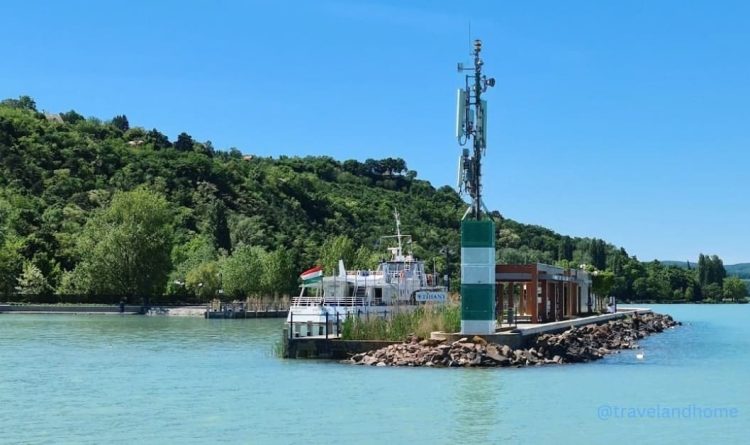

To really enjoy Balatonfüred, I make a point of finding accommodation with a view of the beautiful Balaton Lake. It’s not even negotiable. Füred also works well as a base for day trips, and you’re back in time for a sunset walk along the water. It’s the kind of place where you unpack once, fall into an easy routine, and let each day be its own little adventure.
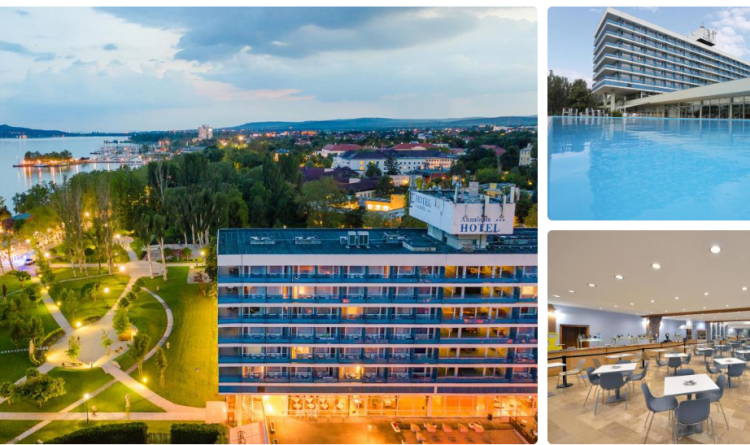
The hotel is a straightforward, good‑value stay right across from the lake, making it incredibly easy to explore Balatonfüred on foot. The rooms are simple and a little dated, but they’re clean, comfortable, and some come with lovely lake views if you manage to snag one. Breakfast is generous, parking is easy, and the location puts you close to beaches, cafés, and the promenade. It’s a busy spot in summer and definitely not a boutique experience, but it works well for families, longer stays, and anyone who wants a relaxed, no‑frills base without stretching the budget.
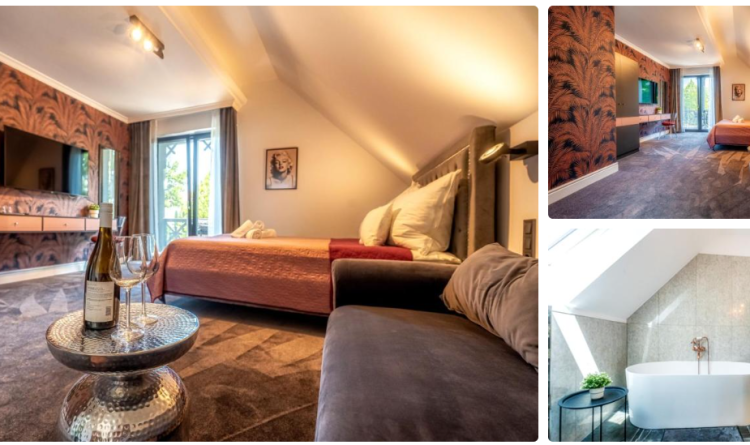
The guesthouse is in a quiet part of Balatonfüred, perfect if you prefer a more intimate stay over a large hotel. Rooms are modern, spotless, and thoughtfully equipped, with a calm, home‑like atmosphere that makes it easy to settle in. You’re a short walk from the lake and the town’s main sights, yet far enough from the busiest areas to enjoy peaceful evenings. There’s no full hotel service here — think more “comfortable villa stay” than resort — but the value, cleanliness, and warm hospitality make it a great choice for couples or anyone who wants a relaxed, low‑key base.
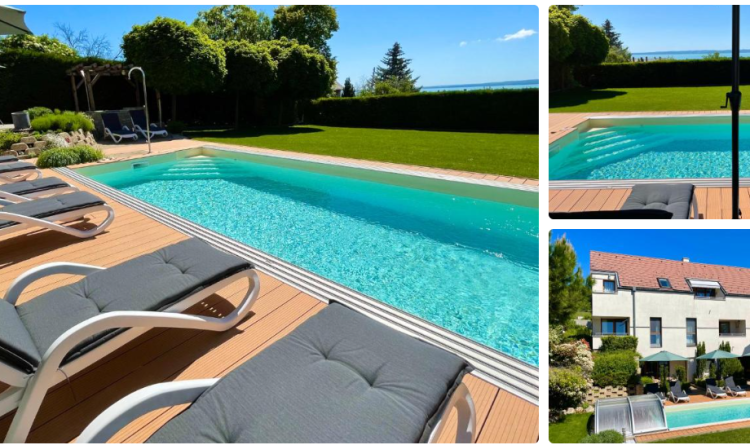
The apartment is a bright, modern, and well‑equipped apartment set slightly uphill in Balatonfüred, which gives it those lovely elevated views over the town and the surrounding hills. It’s spacious, spotless, and ideal if you prefer the comfort of a full kitchen and the privacy of your own space. The walk to the lake and promenade takes a little longer from here, but the peaceful setting and extra room make it a great choice for couples or longer stays. It’s not a lakeside property, but it offers a calm, comfortable base with a relaxed, home‑like feel.
Balatonfüred is one of those places that stays with you — the soft light on the lake, the slow rhythm of the promenade, the easy day trips that unfold like little adventures. I hope this guide helps you plan a stay that feels calm, connected, and full of those small, memorable moments that make travel feel meaningful.
If you’ve been to Balatonfüred — or if you’re planning your first trip — I’d love to hear from you. Drop a comment below and share your favourite things to do, your go‑to day trips, or where you stayed. Your tips help other readers plan their own Lake Balaton getaway.
Sharing the places I’ve come to love. – Arina ♡