
If there’s one experience that captures the quiet magic of the Western Cape, it’s whale watching along its rugged, mountain‑framed coastline.
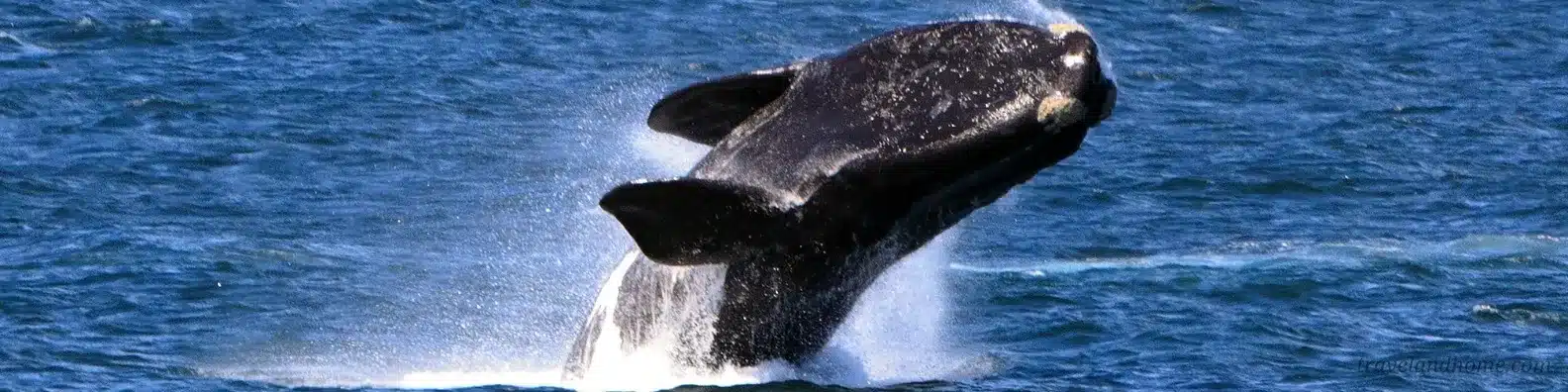
This stretch of South Africa offers some of the best whale encounters in the world, where Southern Right whales glide close to shore, calves learn their first playful tricks, and the ocean feels alive with movement. With a season that spans several months and countless viewing spots to choose from, it’s an adventure that stays with you long after you’ve left the shoreline behind.

The official whale‑watching season runs from June to November, but each month has its own charm:
June–July: Early arrivals, mostly adults.
August–September: Peak season — mothers, calves, and spectacular breaching.
October–November: Calves grow confident and playful; great for photography.
⭐ Did You Know?
Southern right whales are the stars of the show, but you may also spot humpbacks and the occasional Bryde’s whale cruising close to shore.
The Western Cape coastline is full of viewing gems — each with its own personality.
Often called the whale‑watching capital of the world, Hermanus offers incredible land‑based viewing. You can literally sit on the cliff path with a coffee and watch whales just meters from shore.
If you want whales right up against the rocks, this is your spot. It’s quieter than Hermanus and feels wonderfully wild.
A tiny harbour town just 5 minutes from Gansbaai and about 40 km from Hermanus, Kleinbaai is one of the top launch points for boat‑based whale‑watching tours. Boats head straight into Walker Bay — a hotspot for Southern Right whales, humpbacks, dolphins, and even the occasional shark. It’s quieter than Hermanus, wonderfully authentic, and perfect if you want a proper marine‑life adventure. Many operators here also offer “Marine Big 5” trips, so you get a full day of ocean magic.
Known as the “nursery of the Southern Right Whale,” Witsand sees a high concentration of mothers and calves in calm, protected waters.
A great stop if you’re doing the Garden Route. You’ll often see humpbacks migrating past the bay.
A favourite for boat‑based viewing, especially during the humpback migration.
Both offer something special:
Free
Relaxed and accessible
Great for families
Perfect for photography
Best in Hermanus, De Kelders, and Witsand
Gets you closer to the action
Guided by marine experts
Amazing for spotting multiple species
Best in Hermanus, Gansbaai, Mossel Bay, and Plettenberg Bay
💡Travel Tip: If you’re prone to seasickness, choose a morning tour when the ocean is calmer.
These are the little things that make a big difference:
Go early — calmer seas and better light.
Bring binoculars, even for land‑based viewing.
Wear layers — the wind can be icy even on sunny days.
Listen for the blow — you’ll often hear a whale before you see it.
Stay patient — whales surface in intervals; give them time.
Book boat tours in advance during peak season.
A warm jacket
Sunglasses (the glare is real)
Sunscreen
Camera or phone with good zoom
Comfortable shoes for cliff paths

There’s something deeply moving about watching a whale lift its tail and disappear beneath the surface, or seeing a calf mimic its mother’s slow, graceful movements. It’s one of those experiences that stays with you long after you’ve left the coastline behind.
🕮 Suggested Reads:
Things to do and where to stay in Plettenberg Bay
Hermanus – South Africa’s favorite holiday destination
Beautiful places to stay in Gansbaai
Comments