
Before you dive into the Western Cape’s wine country, it helps to know this: the magic isn’t found in just one valley or one famous estate. It’s in the contrast — the blend of world‑renowned vineyards that make international headlines and the quieter, soul‑soothing spots locals slip away to when the big names get a little too busy. That’s why this collection brings together four estates that each capture a different side of the Cape’s wine story: the globally celebrated elegance of Klein Constantia, the innovative flair of Creation Wines, the easygoing charm of Durbanville Hills, and the scenic, slow‑down beauty of Hidden Valley. Together, they offer a tasting journey that feels balanced, memorable, and wonderfully Western Cape.
1. Klein Constantia (#6 in William Reed’s World’s 50 Best Vineyards 2025). This is where history and elegance meet in a glass. Nestled in Cape Town’s Constantia Valley, Klein Constantia has been crafting wine since 1685. Its star attraction is the iconic Vin de Constance, a dessert wine so celebrated it’s been enjoyed by royalty, writers, and anyone with a taste for the extraordinary. Add the classic Cape Dutch architecture and a climate tailor‑made for vineyards, and the whole estate feels like stepping into a beautifully preserved chapter of the past — with a very good drink in hand.
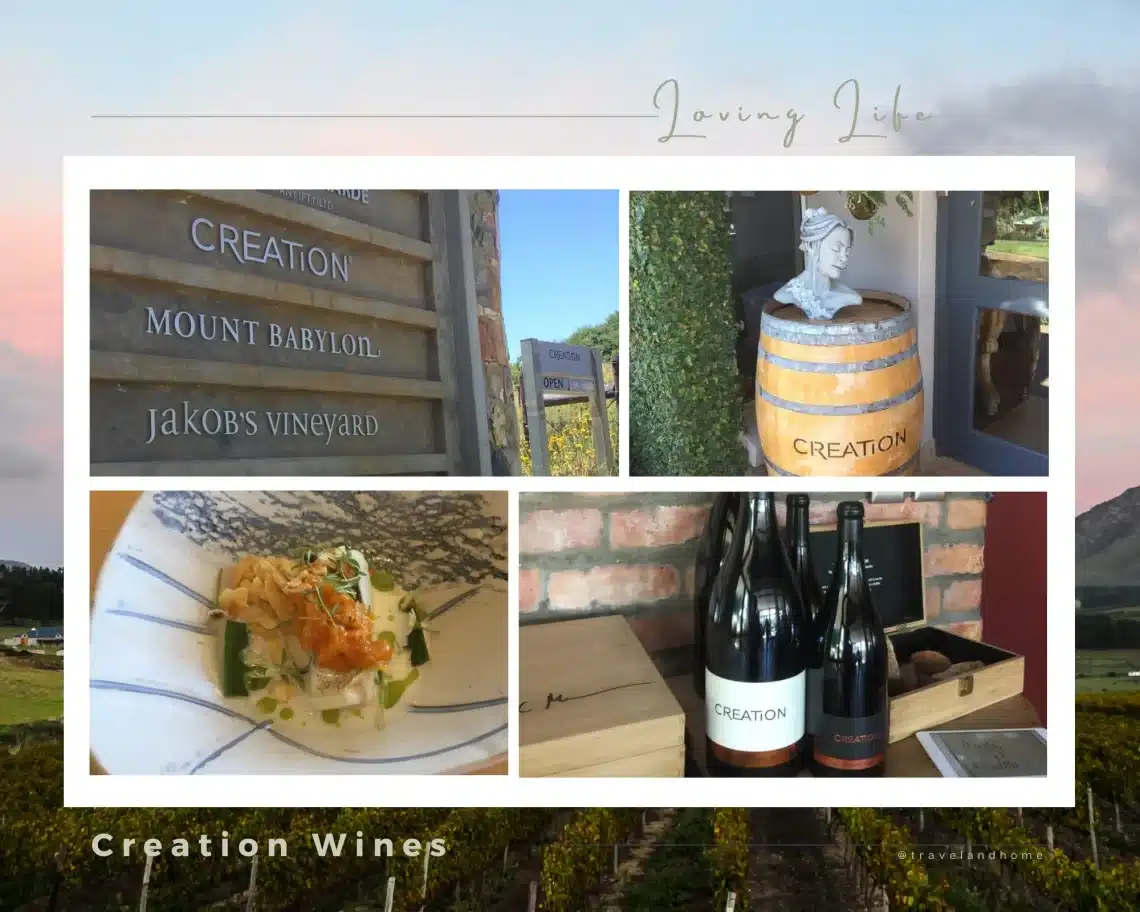
2. Creation Wines (#7 in William Reed’s World’s 50 Best Vineyards 2025). Head to the Hemel‑en‑Aarde Valley near Hermanus and you’ll find a completely different kind of magic. Creation Wines is modern, creative, and proudly innovative. Their food‑and‑wine pairings are the kind you remember long after the last bite — thoughtful, artistic, and full of flavour. Sustainability is woven into everything they do, and the setting is breathtaking: mountains tumbling toward the ocean, crisp air, and views that make you pause mid‑sip just to take it all in.
And of course, the Western Cape’s wine journey doesn’t end there. Stellenbosch, Constantia, Franschhoek, and Paarl (South Africa’s second‑oldest wine region) offer some of the most memorable tastings you’ll find anywhere in the world.
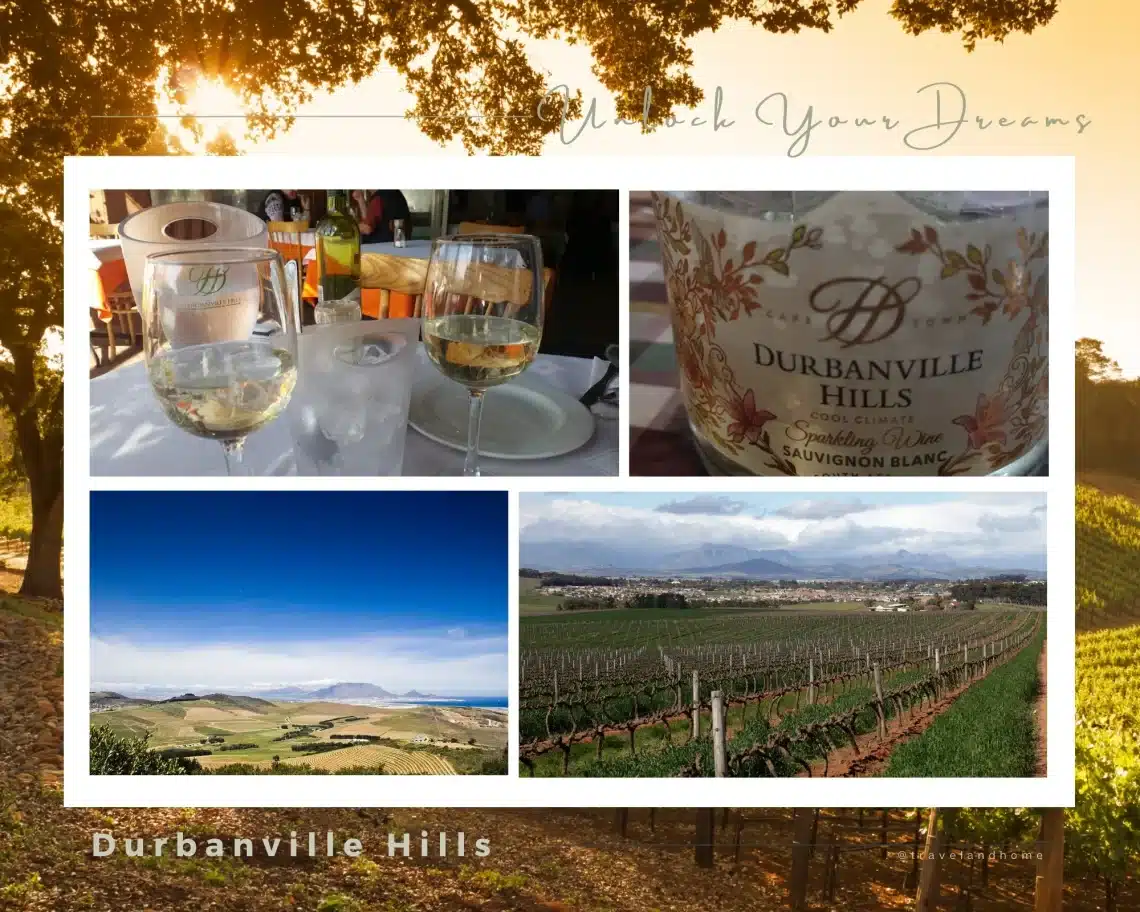
3. Durbanville Hills Wine Estate, a mere 20-minute drive from Cape Town’s city center, offers sweeping views of Table Mountain and Table Bay. The estate is known for its cool-climate Sauvignon Blancs and award-winning reds, all crafted from vineyards tucked into the rolling hills of Durbanville. Enjoy tastings, cellar tours, and a restaurant that pairs local cuisine with panoramic views — making it one of the most accessible yet memorable wine experiences near Cape Town.
Getting There: Durbanville Hills Wines Estate is easily reached by car from Cape Town — ideal for a half-day trip.
4. Hidden Valley Wine Estate, about 45 minutes east into the Stellenbosch winelands, is perched on the slopes of the Helderberg Mountains. This boutique estate specializes in premium reds like Shiraz and Cabernet Sauvignon, produced in a state-of-the-art gravity-fed cellar. Beyond the wine, Hidden Valley offers olive oil tastings, nature trails, and picnic spots with breathtaking views over Stellenbosch — perfect if you want a mix of fine wine and outdoor adventure.
Getting There: Hidden Valley Wine Estate is best accessed via Stellenbosch; a scenic drive through vineyards and mountain passes makes the journey part of the experience.
🕮 Suggested Read: If you’re into visiting each and every wine estate in South Africa, you may want to look at this list of wineries.
As you can see, each of these estates brings its own flavour, its own rhythm, and its own little slice of Western Cape magic. Whether you’re chasing award‑winning prestige, quiet corners with unforgettable views, or simply a place to linger over a glass of something beautiful, these four estates offer a journey worth savoring.
We’d love to hear from you — which estate would you visit first, or do you have a favourite that deserves a spot on the list? Share your thoughts in the comments, and let’s keep the conversation flowing.
🕮 Suggested Read: If you’re dreaming up a bigger Western Cape adventure, you can explore more inspiration in our full regional guide.

Comments