We couldn’t find anything for that search. But we’d love to know what you’re looking for — feel free to drop a comment on any post and tell us what you’d like to see next.
Home - Travel Tips - 15 Most Fascinating UNESCO World Heritage Sites in Sweden
If you click on links we provide, we may receive compensation.
We link to affiliated partners at no extra cost to you.
Sweden isn’t just about fika and forests — it’s home to 15 UNESCO World Heritage Sites that showcase everything from Viking trading hubs to breathtaking natural wonders. In this complete guide, we’ll explore each site in detail: how to get there, why UNESCO recognized it, the best time to visit, and why it deserves a spot on your travel list. Whether you’re chasing history, culture, or nature, these UNESCO World Heritage Sites in Sweden promise unforgettable adventures.
How to get there: Öland is a long, narrow island off Sweden’s southeast coast, and the journey there is part of the fun. Most visitors fly into Kalmar Airport, then cross the impressive Öland Bridge by car or bus. The nearest town to the UNESCO landscape is Mörbylånga, but the whole southern part of the island is dotted with stone walls, windmills, and villages. Renting a car makes exploring easy, though local buses also connect Kalmar with Öland’s towns.
UNESCO significance: This limestone plateau has been cultivated for over 5,000 years, shaping a unique farming culture. Despite harsh conditions, locals developed ingenious agricultural systems, making it a living cultural landscape. Even Sweden’s royal family spends summers here!
Why go: The sweeping open plains, stone walls, and ancient villages make Öland a magical blend of history and scenery.
Best time: Summer (June–August) when the island blooms and festivals bring the landscape to life.
How to get there: Visiting Birka and Hovgården is a little adventure in itself. Birka sits on Björkö island in Lake Mälaren, while Hovgården is on nearby Adelsö. The easiest way is to start in Stockholm — fly into Arlanda Airport, then head to the waterfront where seasonal boats take you straight to Birka. For Hovgården, you can catch a bus or drive across to Adelsö. It’s all part of the fun: a mix of city, lake, and island hopping.
UNESCO significance: Birka was a Viking trading hub in the 8th century, while Hovgården was the royal estate. Together, they reveal Viking society’s complexity and global connections.
Why go: Step into Viking history with reconstructed houses, museums, and burial mounds.
Best time: Late spring to early autumn for boat access and outdoor exploration.
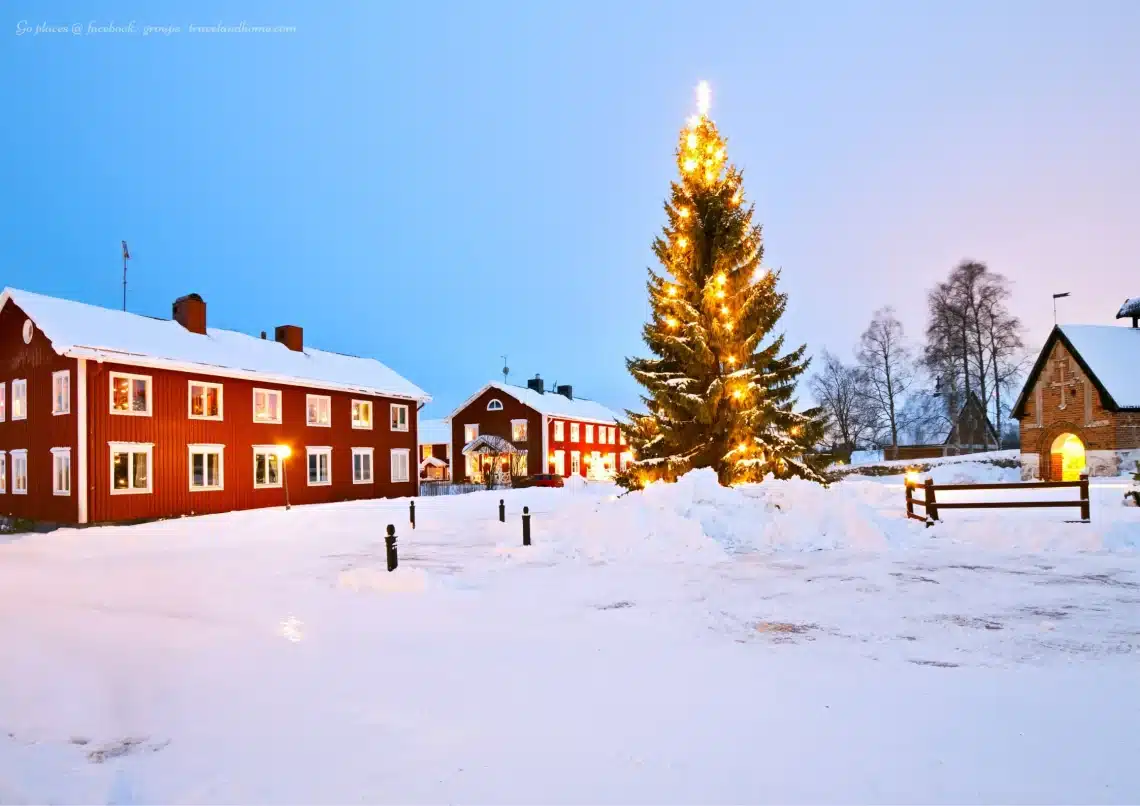
How to get there: Gammelstad is just outside Luleå in northern Sweden, so it’s very easy to reach. Fly into Luleå Airport, then hop on a bus or grab a taxi — you’ll be there in about 10 minutes. The cottages cluster around the old stone church, so once you arrive, everything is within walking distance..
UNESCO significance: This “church town” features 400 wooden cottages built for worshippers traveling long distances. It’s a rare glimpse into Sweden’s religious and social traditions.
Why go: Wander through charming red cottages and feel centuries of community spirit.
Best time: Summer for festivals, or winter for snowy magic.
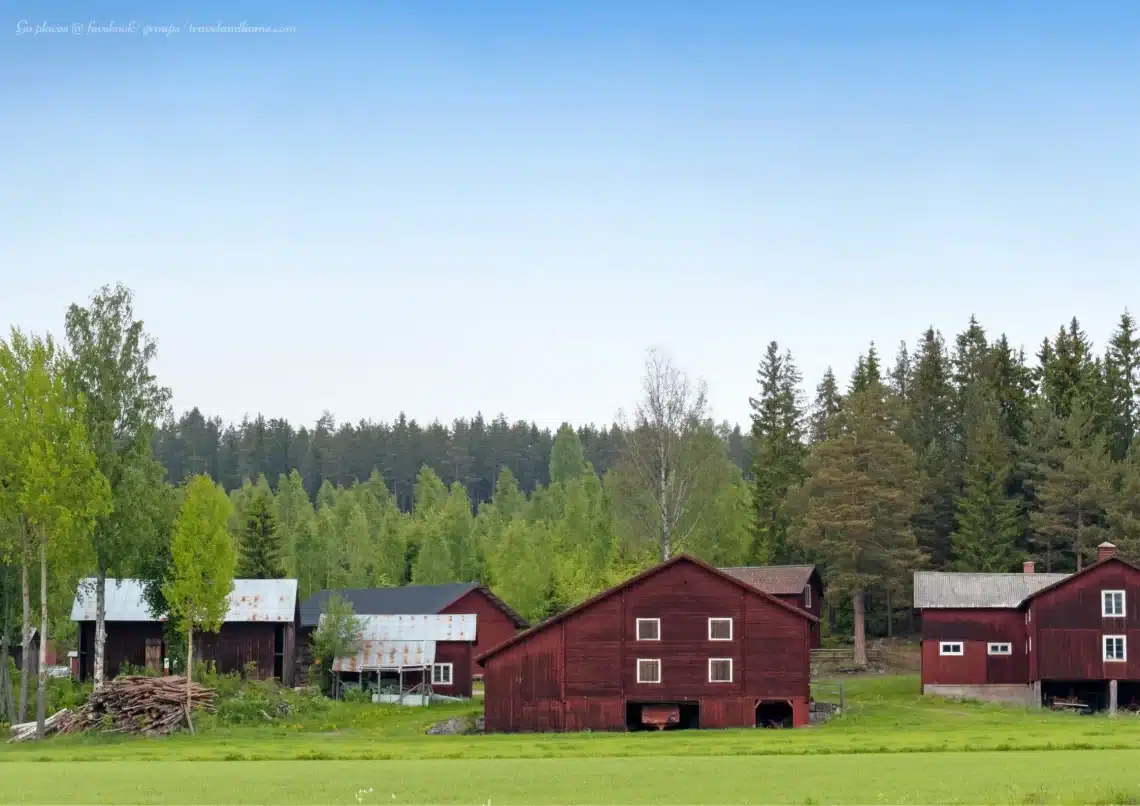
How to get to Letsbo Farm: The farmhouses are scattered across Hälsingland, with Hudiksvall and Ljusdal being the best bases. You can fly into Sundsvall‑Timrå Airport, then take a train to Hudiksvall or Ljusdal. From there, local buses or a rental car will get you to the individual farms. It’s countryside travel at its best — winding roads, little villages, and those ornate wooden houses waiting to be explored..
UNESCO significance: Seven 19th-century farmhouses showcase lavish interiors with folk art, reflecting rural prosperity and creativity.
Why go: These ornate homes are like folk-art palaces, bursting with color and history.
Best time: Summer for guided tours and countryside charm.
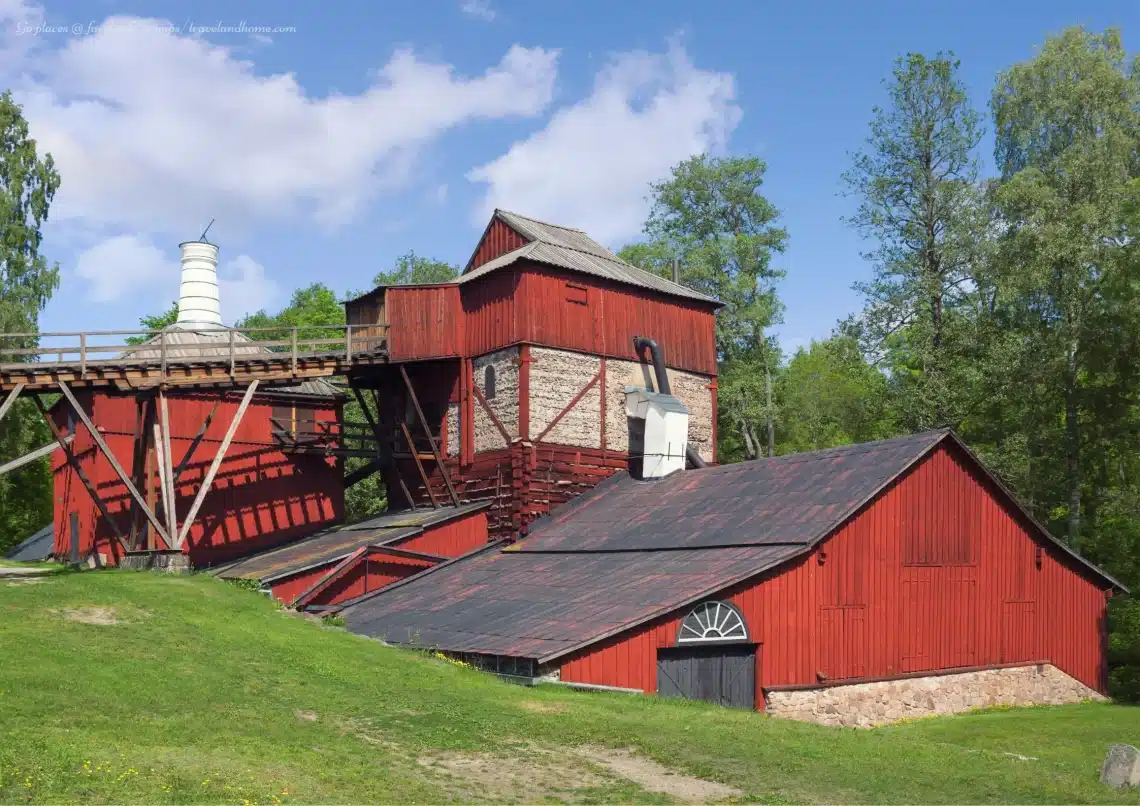
How to get there: Engelsberg is tucked near Fagersta in central Sweden. The closest airport is Stockholm Västerås, but most visitors come by train — it’s about two hours from Stockholm to Fagersta, then a short taxi or bus ride to the ironworks. Once there, you’ll find the historic workshops nestled by the river, easy to explore on foot.
UNESCO significance: Once Europe’s most advanced ironworks (17th–19th centuries), Engelsberg shaped Sweden’s industrial rise.
Why go: Explore preserved workshops and machinery in a picturesque riverside setting.
Best time: Summer for open-air tours.
How to get there: Grimeton is just outside Varberg on Sweden’s west coast. Fly into Gothenburg Landvetter Airport, then take a train to Varberg (about an hour). From the station, local buses or a quick taxi ride will bring you to the radio station. The giant antenna towers are hard to miss once you’re nearby!
UNESCO significance: Built in 1924, this longwave transmitter is the only surviving pre-electronic radio station worldwide.
Why go: A tech-lover’s dream—see giant antenna towers and learn about early global communication.
Best time: Summer for guided tours.
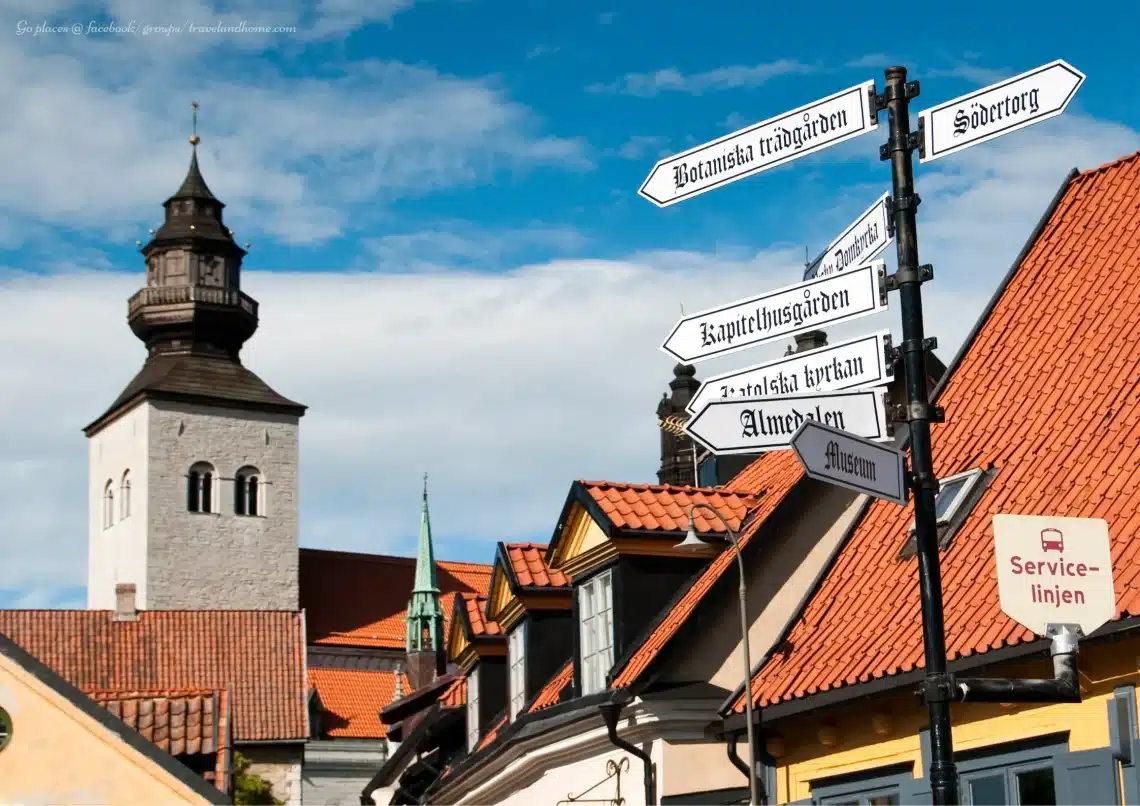
How to get there: Visby is the jewel of Gotland island, and getting there is part of the adventure. The easiest way is to fly directly into Visby Airport from Stockholm or Gothenburg. If you prefer the scenic route, ferries run from Nynäshamn (south of Stockholm) or Oskarshamn on the mainland. Once you arrive, the medieval walls and cobblestone streets are all within walking distance — no car needed.
UNESCO significance: A medieval trading hub with intact city walls, Visby was central to the Hanseatic League.
Why go: Cobblestone streets, ruins, and roses make Visby a fairytale town.
Best time: July–August for Medieval Week festivities.
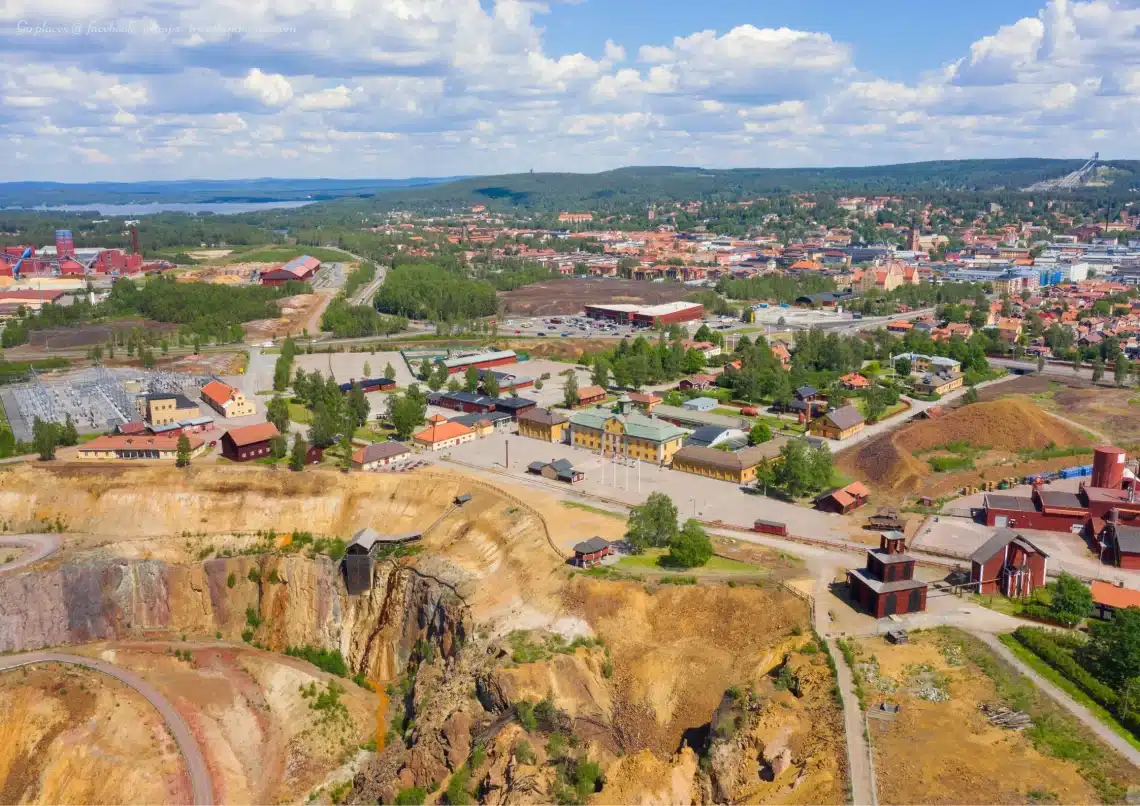
How to get there: Falun is in central Sweden and easy to reach by train. From Stockholm Arlanda Airport, hop on a train to Falun (about 2.5 hours). The mine itself is just a short bus ride or walk from the station. It’s a compact town, so you’ll find the UNESCO site right at the heart of things.
UNESCO significance: This mine fueled Sweden’s economy for centuries, producing copper used across Europe.
Why go: Descend into historic tunnels and see the iconic red Falun paint origins.
Best time: Summer for tours; winter for snowy charm.
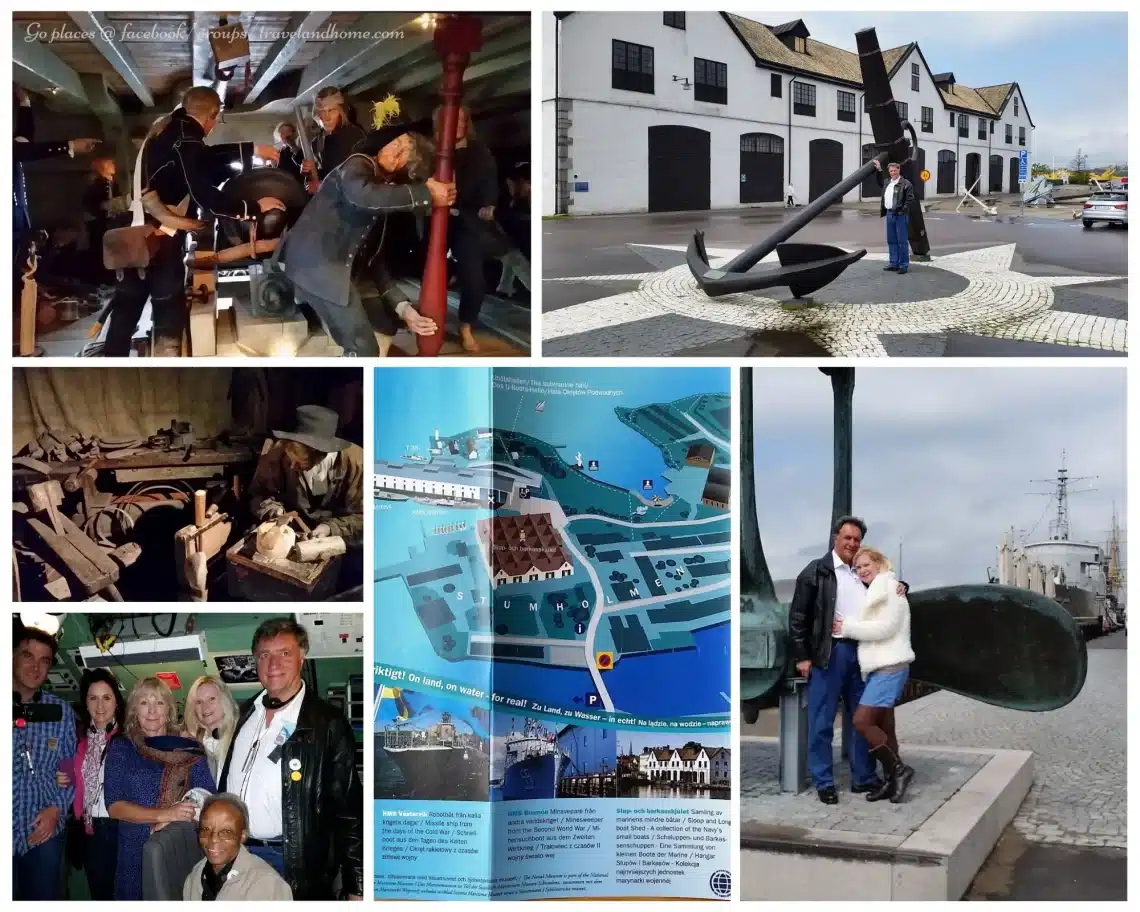
How to get there: Karlskrona is the main town in Blekinge County, located on Sweden’s southern coast. The nearest airport is Ronneby Airport (RNB), about 30 km away, with regular flights from Stockholm. From Ronneby, you can reach Karlskrona by train or bus in under 40 minutes. If you’re coming from Copenhagen Airport (CPH), direct trains run across the Öresund Bridge and along the southern coast, taking about 3.5 hours. Driving is also straightforward via the E22 highway, which connects Karlskrona with Malmö and other southern cities. Once in town, most UNESCO-listed sites are within walking distance or a short ferry ride across the archipelago.
Why go: Explore dockyards, fortifications, and maritime museums.
Best time: Summer for coastal views and boat trips.
UNESCO significance: Karlskrona was founded in 1680 by King Karl XI as Sweden’s new naval base, built from scratch on undeveloped islands in the Blekinge archipelago. It’s an outstanding example of a late 17th-century European planned naval city, with its original layout, dockyards, fortifications, and civic buildings still intact. The port reflects Sweden’s rise as a major European power, when naval strength was crucial to politics and warfare.
What makes Karlskrona unique is that it’s not just one building or fortress — it’s the entire naval city:
Trossö Island with its grid-planned streets, churches, and city hall.
Stumholmen and Björkholmen islands, home to naval housing and shipyards.
Fortifications like Kungsholmen Fortress and Drottningskär Citadel, guarding the archipelago.
Specialized facilities such as the Crown Mill at Lyckeby and Admiral Chapman’s manor at Skärva.
For over 340 years, Karlskrona has remained an active naval base, blending historic architecture with modern operations. This continuity of use is rare among the list of UNESCO World Heritage Sites in Sweden. Thus making Karlskrona a living heritage of naval engineering, urban planning, and military history
How to get there: Tanum is in West Sweden, near the town of Tanumshede. The closest airport is Gothenburg Landvetter. From Gothenburg, you can take a train or bus north to Tanumshede (around 2 hours). A car makes it easier to visit the different carving sites spread across the area, but the main Vitlycke Museum is right by the road and easy to reach.
UNESCO significance: Bronze Age carvings (1800–500 BC) depict daily life, rituals, and ships.
Why go: See thousands of carvings etched into granite, telling ancient stories.
Best time: Summer for clear visibility and guided walks.
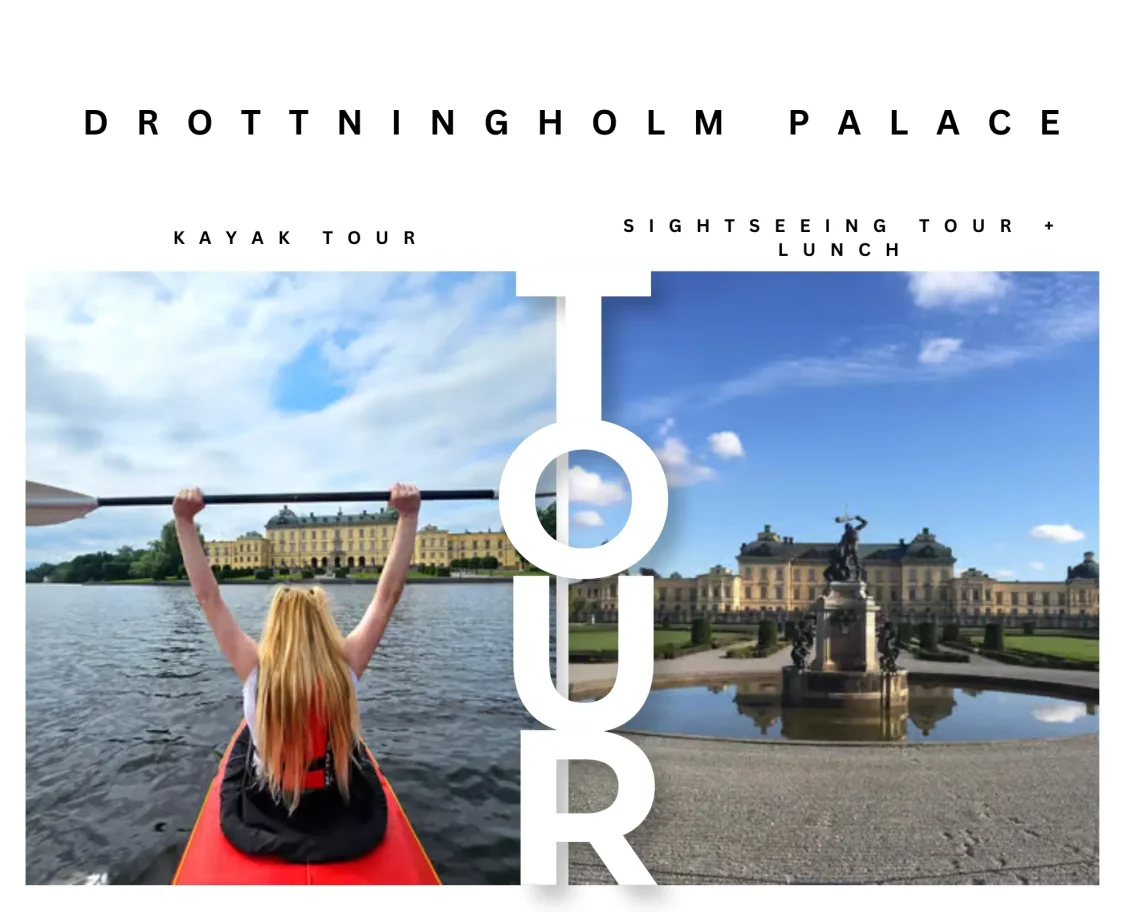
How to get there: Drottningholm Palace is just outside Stockholm, so it’s a breeze to visit. Fly into Arlanda Airport, then take the metro to Brommaplan and hop on a bus straight to the palace. In summer, the most charming option is a boat ride from central Stockholm — you’ll glide across Lake Mälaren and dock right at the palace gardens.
UNESCO significance: Sweden’s royal palace, with gardens, theatre, and Chinese Pavilion, is a masterpiece of European architecture.
Why go: Tour the palace and stroll through manicured gardens.
Best time: Summer for blooming gardens.
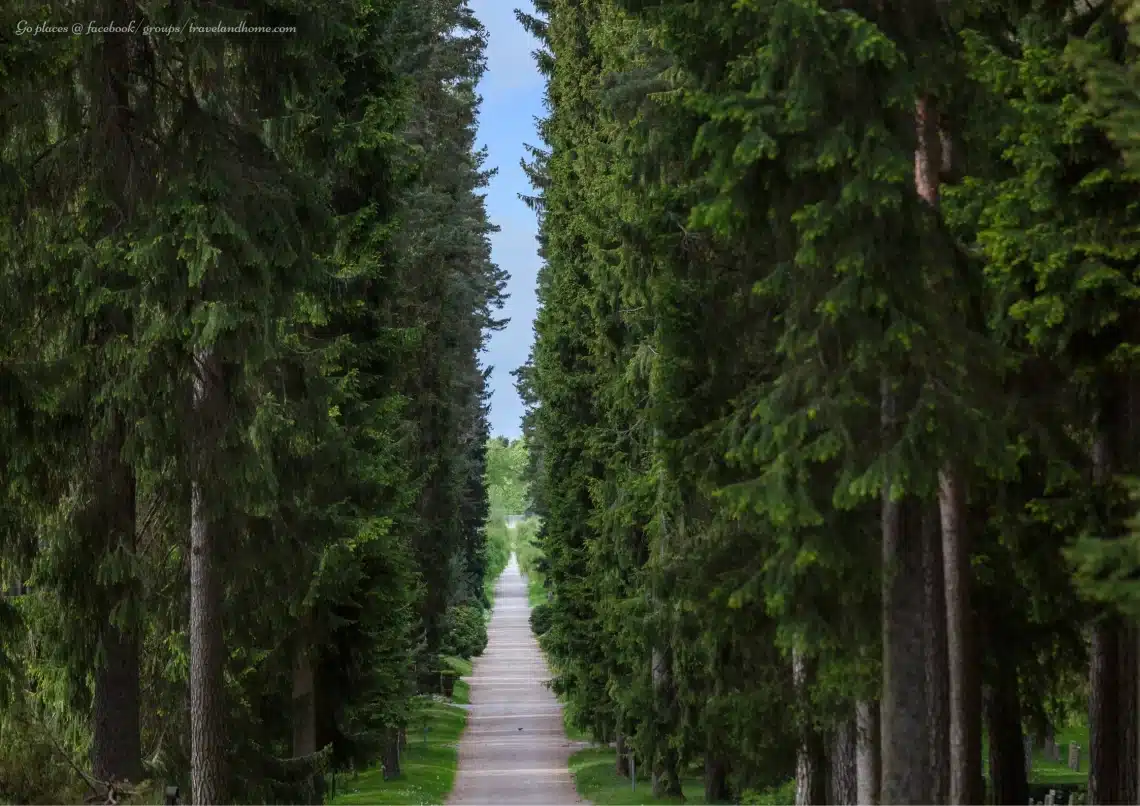
How to get there: This woodland cemetery is in southern Stockholm, so it’s very accessible. From Arlanda Airport, take the metro to Skogskyrkogården station — the UNESCO site is just a short walk from there. It’s designed to be explored on foot, with paths winding through the trees and chapels.
UNESCO significance: This woodland cemetery blends nature and architecture, designed by Asplund and Lewerentz.
Why go: A serene, modernist masterpiece that inspired cemeteries worldwide.
Best time: Autumn for golden foliage.
How to get there: Visiting the Struve Arc point in Pajala is a bit of an expedition. Fly into Kiruna Airport, then drive about 4 hours south to Pajala. In summer, limited buses connect the towns, but a car gives you flexibility to reach the exact survey point. It’s remote, but that’s part of the appeal.
UNESCO significance: A chain of survey points (1816–1855) measuring Earth’s size, vital for science.
Why go: Visit the Pajala station and stand on a piece of global science history.
Best time: Summer for accessibility.
How to get there: Sweden’s UNESCO World Heritage Sites also includes a natural site, namely the High Coast in northern Sweden. The High Coast is best reached via Härnösand, while the Kvarken Archipelago is near Umeå. For the High Coast, fly into Sundsvall‑Timrå Airport and drive north along the E4 — the dramatic cliffs and hiking trails start right outside Härnösand. For Kvarken, fly into Umeå Airport and join boat tours or ferries exploring the islands.
UNESCO significance: Land uplift after the Ice Age created dramatic cliffs and islands.
Why go: Hike stunning trails and cruise the archipelago.
Best time: Summer for hiking and boating.
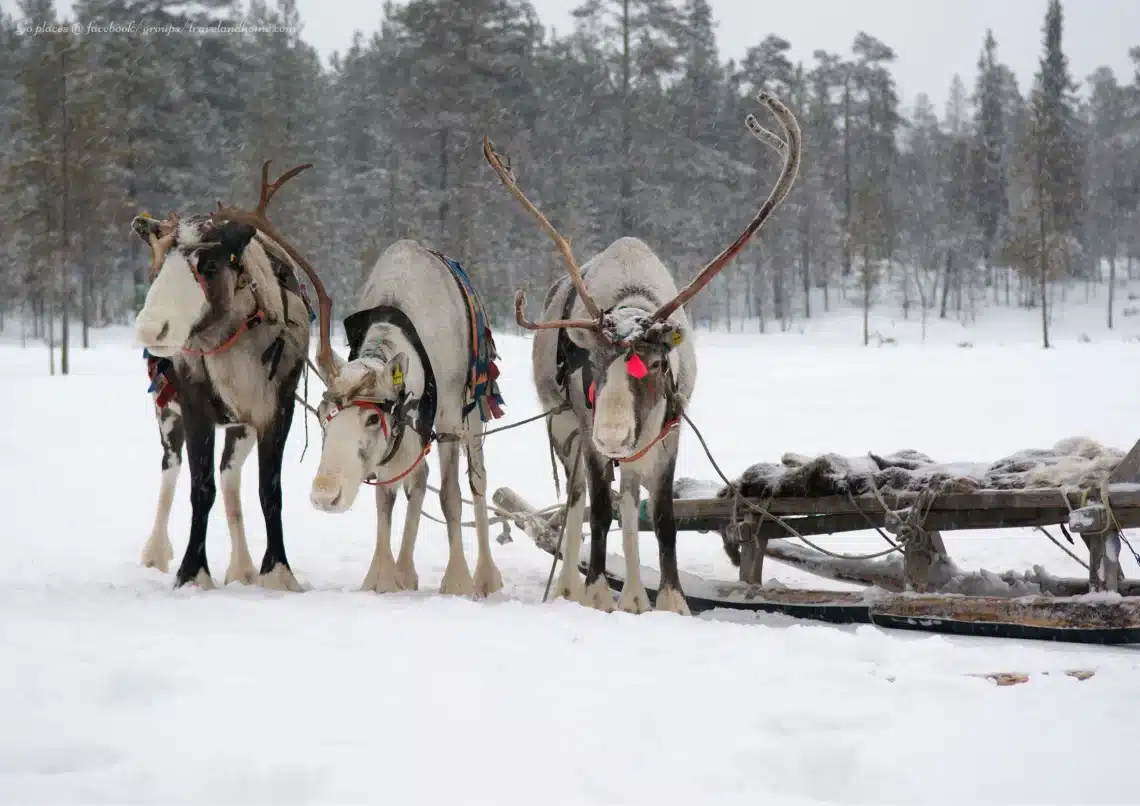
How to get there: The Laponian Area is a UNESCO World Heritage Site located in northern Sweden, above the Arctic Circle in Norrbotten County. The Laponian Area is vast wilderness in Swedish Lapland. The best gateways are Jokkmokk and Gällivare. Fly into Gällivare Airport or Kiruna Airport, then take a train or bus to Jokkmokk. From there, guided tours lead into the national parks and Sámi reindeer herding lands. A car is useful, but many visitors join local excursions to get the most out of the area.
UNESCO significance: A vast wilderness inhabited by the Sámi reindeers, combining natural beauty and living culture. The site covers about 9,400 km² and includes national parks such as Sarek, Padjelanta, Stora Sjöfallet, and Muddus, plus nature reserves like Sjaunja and Stubba.
Why go: Experience reindeer herding, glaciers, and pristine wilderness.
Best time: Summer for hiking, winter for auroras.
From the medieval streets of Visby to the wild expanses of the Laponian Area, Sweden’s UNESCO treasures are as diverse as they are inspiring. Each site tells a story — of human ingenuity, cultural traditions, or the raw power of nature. Exploring them isn’t just about ticking boxes; it’s about connecting with the heritage that shaped Sweden and continues to captivate the world.
Which of these UNESCO World Heritage Sites in Sweden would you love to visit first? Drop your thoughts in the comments — and if you’ve already been to one, share your tips and experiences to inspire fellow travelers!
Author: Arina JVR – 30+ countries, countless stories.
Comments