
Home - Travel Destinations - Western Cape Province: 15 Reasons Why It’s South Africa’s Most Spectacular Holiday Destination
If you click on links we provide, we may receive compensation.
We link to affiliated partners at no extra cost to you.
The Western Cape Province is one of South Africa’s most captivating regions, celebrated for its diverse travel destinations, breathtaking coastlines, world-class wine routes, and vibrant cultural heritage. From the iconic city of Cape Town to charming coastal towns and scenic mountain escapes, the Western Cape Province (or the Western Cape, as South Africans know it) offers an unforgettable blend of adventure, relaxation, and discovery.

Cape Town International Airport is the main gateway to the Western Cape Province and one of Africa’s busiest airports. A mere 20 km from the city center, it’s an easy 20–30 minute drive or shuttle ride into Cape Town. The airport is well-equipped with modern facilities, duty-free shopping, car rental services, and plenty of dining options to grab a bite before or after your flight.
Cape Town International has consistently ranked among the best airports in Africa, praised for efficiency and passenger experience.
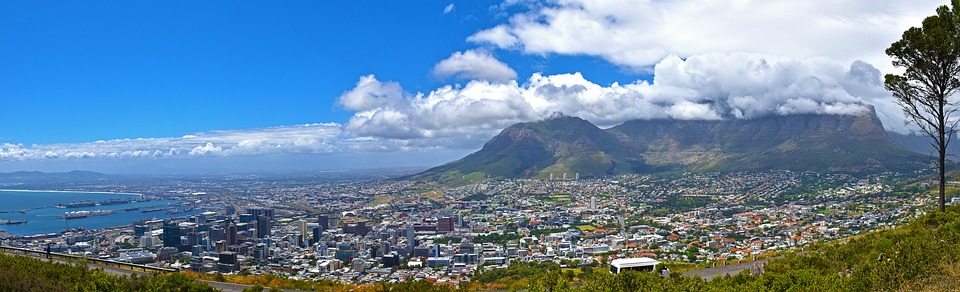
If you love long, golden days, summer in the Western Cape is your season. January spoils you with more than 13 hours of sunshine a day.
Winter still offers light, but it’s softer and shorter, averaging around 8 hours of sun daily.
Temperature & Climate: The Western Cape is blessed with that classic Mediterranean-style climate we all secretly wish we had: warm, dry summers and cool, rainy winters. Most of the year sits comfortably around 18–19°C (65°F), but summer days (November to March) can easily climb to 28–30°C (82–86°F). Ideal for beaches, wine routes, and outdoor adventures.
Winter (June to August) nights can dip down to about 5–7°C (41–45°F). It’s the season for whale watching along the coast and cozy wine estate visits.
🕮 Suggested Reads:
Award-Winning Destinations
Cape Town, also known as the Mother City of South Africa, won the World Travel Awards’ coveted Africa’s Leading City Destination 2025.
And if that is not enough, Africa’s Leading Cruise Port 2025 was awarded to the Port of Cape Town!
At the Heart of Cape Town Museum, you will meander through the same rooms where the first heart transplant in a human was performed (1967).
Christiaan Barnard received many honors, including the Dag Hammarskjold International Prize and Peace Prize, the Kennedy Foundation Award, and the Milan International Prize for Science.

💡Travel Tip: Vrbo has over 2 million vacation homes for less than the cost of traditional hotel accommodation.
Travelers from the United States, the United Kingdom, Oman, and across Europe often rave about the incredible value they get in the Western Cape — thanks to favorable currency exchange rates, your money simply goes further here. But it’s not just about affordability. Shopping in the Western Cape is genuinely delightful. You’ll find beautifully made clothing, meaningful souvenirs, authentic African jewelry, and specialty items you won’t see anywhere else.
⭐ Did You Know?
Pinotage is a proudly South African grape, born in Stellenbosch, and remains one of the country’s most distinctive contributions to the global wine world. So next time you travel in the Western Cape Province, be sure to taste a Pinotage!
Hidden in the town of Oudtshoorn, the Cango Caves are one of South Africa’s most spectacular underground wonders. The caves lie at the foot of the Swartberg Mountains, part of a UNESCO World Heritage Site. Rainwater dissolved the Precambrian limestone over millions of years, forming rivers and lakes that later drained away, leaving behind the dramatic stalactites and stalagmites.
The cave system is much bigger than what you see. The full system stretches over 4 km, but only 1 km is open to the public for conservation reasons. First recorded in 1780, this vast labyrinth of chambers and tunnels offers a thrilling adventure — but only on guided tours. Be ready for a bit of stretching, squeezing, and crawling through warm, humid passageways that reveal breathtaking stalactites and stalagmites.
Archaeological excavations uncovered Middle and Later Stone Age artifacts, showing that early humans lived or sheltered here between 280,000 and 50,000 years ago. The caves have been visited since 1891, making them one of the country’s earliest formal tourist sites
⭐ Did You Know?
In 1780, farmer Jacobus van Zyl was lowered into the darkness with a rope and a torch — and the chamber was so huge that his light couldn’t reach the walls. The first hall is now named Van Zyl’s Hall, and it’s almost the size of a soccer field. It measures 107 m long and 54 m wide — a cavern so large that early visitors held concerts inside.
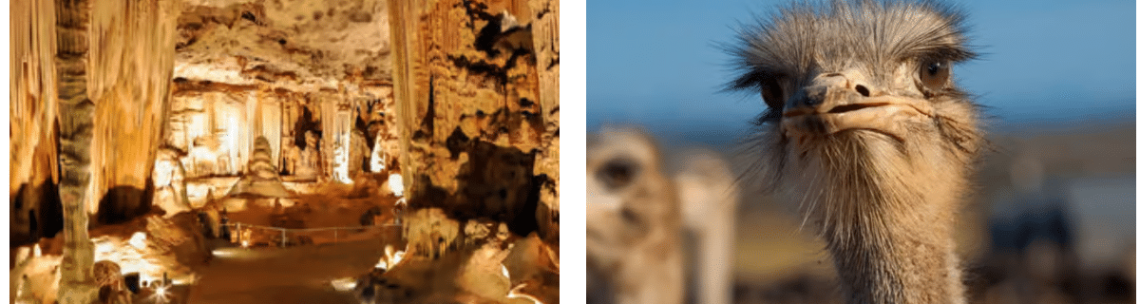
🕮 Suggested Read: Make Oudtshoorn your base to visit the Cango Caves.
Ready to discover the Western Cape’s most magical glamping escapes? From mountain hideaways to dreamy coastal stays, this guide is packed with places that turn a simple getaway into something unforgettable. Open the full list and start planning your next beautiful escape.

At Boulders Beach, near Simon’s Town, an African penguin colony was established in 1982.
Also casually known as Jackass penguins (see photo below), they are a protected species and can only be found along the coastlines of South Africa and Namibia.
The African Penguin has just been moved from “Endangered” to Critically Endangered on the IUCN Red List. Sadly, 97% of their population is already gone, and unless serious conservation steps are taken, they could disappear from the wild in less than 4,000 days.
It’s a sobering thought, especially when you’ve seen them up close along the Cape coast. These little tuxedoed birds are part of what makes the Western Cape so special — and protecting them means future generations can enjoy the same magical encounters.
Another reason for visiting Boulders Beach is that the granite boulders are believed to be about 540 million years old!
Foxy Beach, which is part of Boulders Beach, has a boardwalk that brings you in proximity to these vulnerable birds.

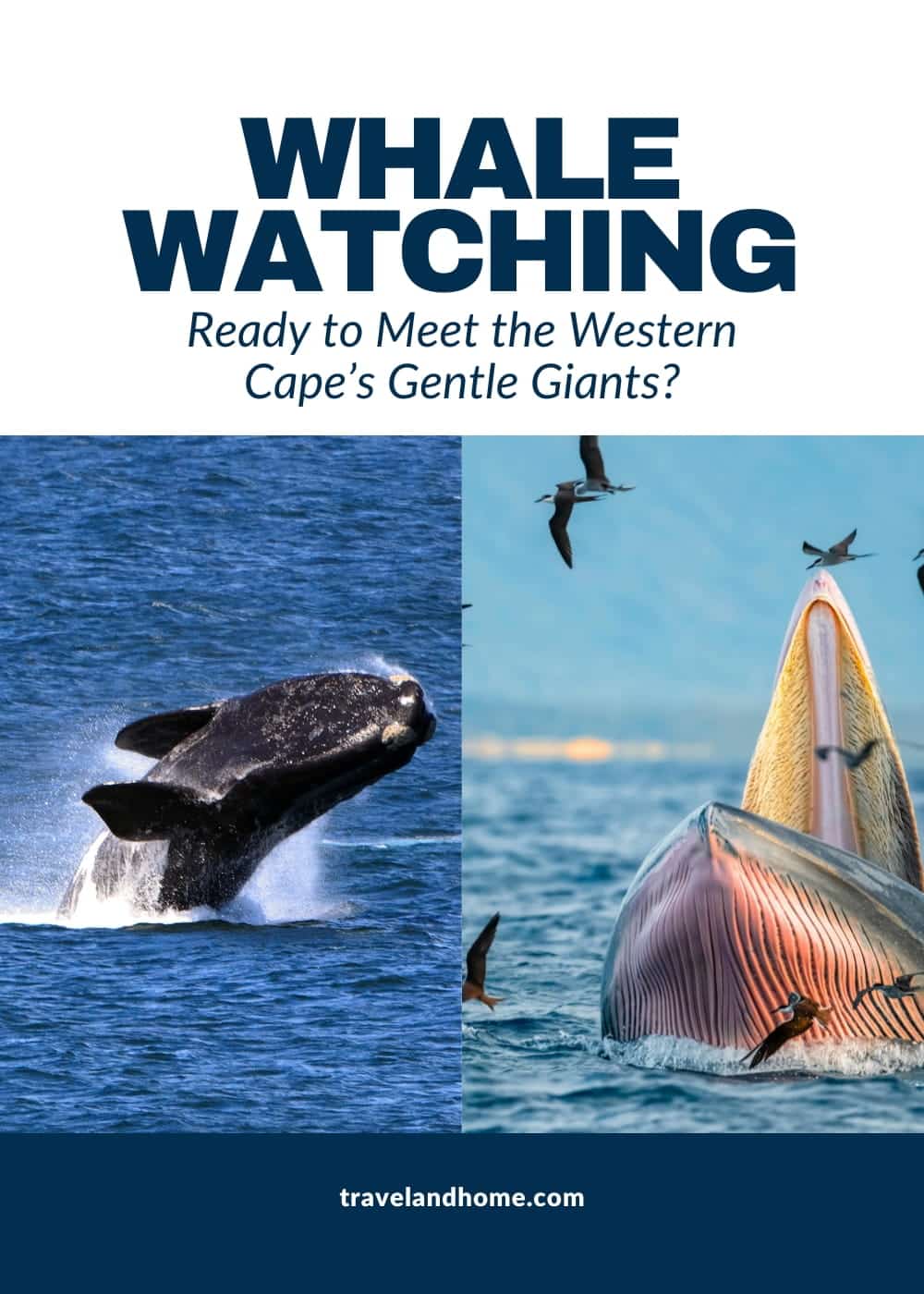
Want to know where to see whales up close? Explore our Western Cape whale watching guide for the top viewing points and insider tips.
Discover the country’s awe‑inspiring natural beauty on foot, from its diverse landscapes and sweeping viewpoints to its rich flora and fauna. With more than 270 marked hiking routes, exploring with a certified guide is both safe and highly recommended, while venturing out alone is not advised.
Cape Town by itself offers over twenty scenic trails, each rewarding hikers with breathtaking views. For example:
Imagine celebrating the Christmas season with lazy days at the beach. Get the full scoop!
At the most southern village of the country L’Agulhas, you get to be where the Indian and Atlantic oceans meet. It’s about a two-hour drive from Cape Town along a scenic route that includes the idyllic seaside town of Hermanus and the quaint countryside village of Napier.
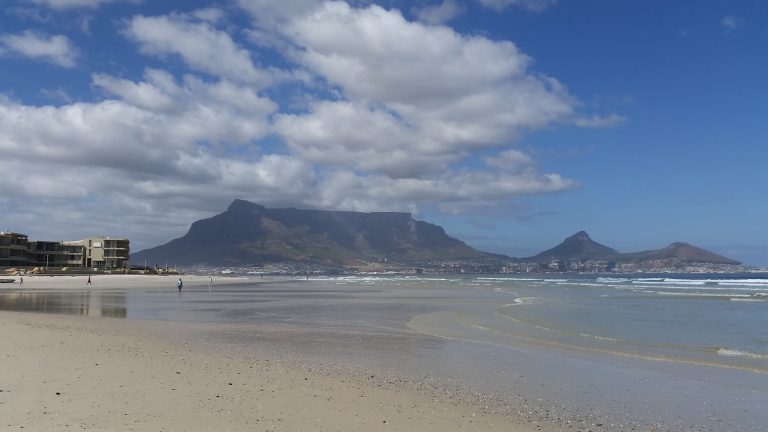
Very few things beat the sound of the ocean. Of course, you hear nothing when you close your sliding door; it’s the best sound when you open the door in the mornings. Lagoon Beach Hotel & Spa in Milnerton, Cape Town, is known for uninterrupted views of the majestic Table Mountain to your left, and Robben Island to your right. It’s the best hotel setting in Cape Town for the most perfect sunsets ever.
Put a glass of bubbly in your hand, invite your loved ones, and create memories that will last forever.

With 27,000 km of dazzling coastlines, of which some are Blue Flag beaches, there is no shortage of summer holiday destinations in the Western Cape.
In addition to the Blue Flag beaches, you have well-known beaches such as Clifton, Camps Bay, Jeffrey’s Bay (in the Eastern Cape Province), and Plettenberg Bay. And then there are those hidden spots, not so well known and slightly off the beaten path. Like, Cape St Francis, Cape L’Agulhas, and Struisbaai.
⭐ Did You Know?
Struisbaai‘s 14 km coastline is the longest uninterrupted white-sand beach in the Southern Hemisphere.
Dungeons is South Africa’s most extreme big-wave spot. Dungeons Beach is not a typical beach — it’s a legendary offshore surf break located about 1 km (half a mile) off the coast of Hout Bay near Cape Town. You can only reach it by boat from Hout Bay Harbour.
Other than Dungeons, the Western Cape Province has plenty more to offer surfers of all levels. Muizenberg Beach is the go-to for beginners, with gentle rollers and surf schools lining the shore. Long Beach in Kommetjie delivers consistent breaks for shortboarders, while Elands Bay on the West Coast tempts advanced surfers with its famous left-hand point break. Along the Garden Route, spots like Victoria Bay and Wilderness combine reliable waves with stunning scenery.
From icy Atlantic waters to warmer Indian Ocean swells, the province serves up a diverse surf scene that’s as much about the lifestyle as the sport.
I bet you didn’t know that the very first cycling event outside Europe to be included in the “Union Cycliste Internationale” Golden Bike Series was the Cape Town Cycle Tour. Previously known as the Cape Argus Cycle Tour, the 109 km (68 mi) is cycled by international cyclists from across the world.
Although South Africa does not have a formal network of paved cycling lanes, it is many a cyclist’s dream holiday destination. Tour the Winelands or go on a wildlife safari… by bike.
You see it the moment you pass those beautifully preserved colonial-era buildings. Think graceful Georgian townhouses in Cape Town’s older neighbourhoods, Victorian villas with filigree balconies in places like Woodstock and Gardens, and sturdy Cape Georgian farmhouses dotting the countryside. Each style hints at a different chapter of the province’s past. Then, of course, the scene shifts to those iconic Cape Dutch homesteads on the wine estates — whitewashed walls, ornate rounded gables, and long cool stoep areas that practically beg you to pause for a glass of sauvignon blanc. It’s architecture with character, and it sets the Western Cape apart in the most enchanting way. There are four standout areas when it comes to viewing Cape Dutch architecture:
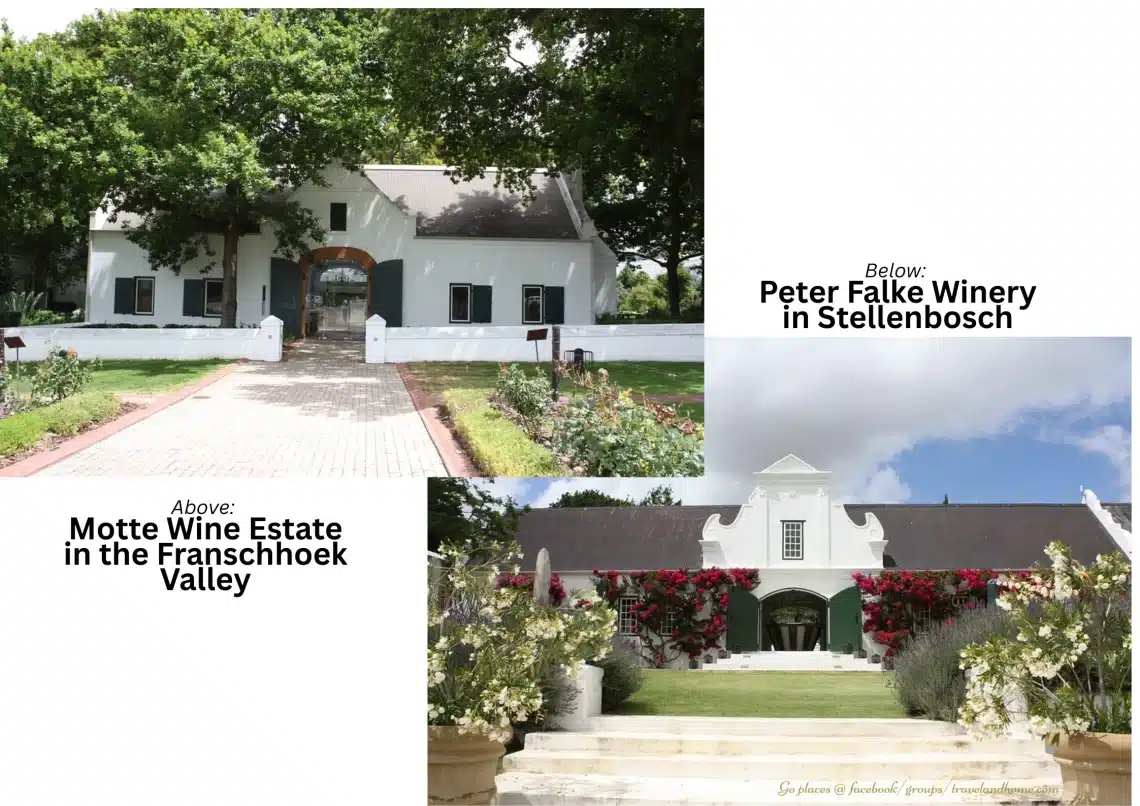
💡Travel Tip: If you only have one afternoon, go to Stellenbosch. You’ll see more Cape Dutch architecture in a short walk than anywhere else in the Western Cape.
➜] Free Download: Historic Houses of South Africa
➜] Free Download: Old Colonial Houses of the Cape of Good Hope
💡Travel Tip: Vrbo has over 2 million vacation homes for less than the cost of traditional hotel accommodation.
From world-class vineyards and breathtaking coastlines to caves, surf spots, and wildlife encounters, the Western Cape truly has it all. Whether you’re here for the wine, the waves, or the wonders of nature, every corner of this province offers something unforgettable.
💬 We’d love to hear from you! Have you visited the Western Cape, or is it on your travel bucket list? Share your experiences, tips, or questions in the comments below — your insights might inspire someone else’s next adventure.
Planning a trip to South Africa? Spice up the journey with these awesome audiobooks. Just click to get yours!



Comments