We couldn’t find anything for that search. But we’d love to know what you’re looking for — feel free to drop a comment on any post and tell us what you’d like to see next.
Home - Travel Tips - Italian Cuisine UNESCO Heritage: First National Food Tradition Recognized Worldwide
If you click on links we provide, we may receive compensation.
We link to affiliated partners at no extra cost to you.
Italian cuisine UNESCO heritage recognition in December 2025 made history as the first time an entire national cuisine was inscribed on UNESCO’s Intangible Cultural Heritage list.
While UNESCO has honored specific food traditions before (think France’s gastronomic meal or Mexico’s cuisine), Italy’s recognition covers the entire national culinary identity. In other words, it’s not just about pizza or pasta — it’s about the way Italians live, cook, and share food.
UNESCO praised Italian cooking as more than recipes:
This Italian cuisine’s UNESCO heritage status highlights the communal and sustainable family traditions behind Italy’s food culture.
Rooted in anti-waste traditions, seasonal produce, and respect for ingredients.
A practice that fosters social inclusion, well-being, and intergenerational learning.
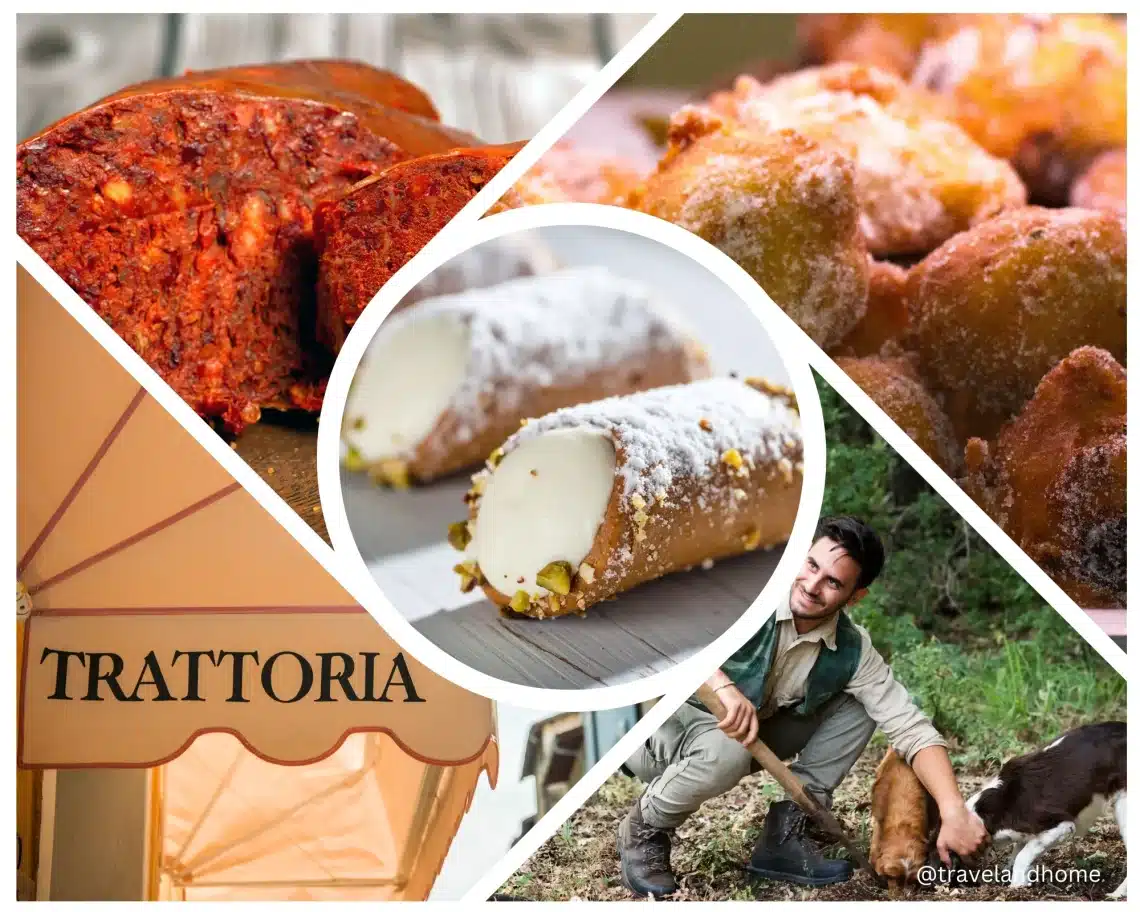
A symbol of biocultural diversity, with each region contributing unique flavors — from Sicilian cannoli to Calabrian ’nduja.
The announcement was made in New Delhi, India, during UNESCO’s 20th session. Back home, the Colosseum in Rome lit up in celebration, while Prime Minister Giorgia Meloni called cuisine “culture, tradition, work, and wealth.”
Chefs and food leaders echoed the pride, noting that this recognition strengthens the Made in Italy brand and protects authentic traditions against “fake” Italian foods abroad.
This recognition is more than symbolic – you can now explore Italy with the added prestige of its Italian cuisine UNESCO heritage recognition. It’s an invitation to experience Italy’s food culture firsthand:
Eat locally: Seek out family-run trattorias where recipes are passed down through generations.
Taste the regions: Each area offers its own specialties — truffle hunting in Umbria, pizza-making in Naples, seafood feasts in Sicily.
Join the rituals: From Sunday lunches to village festivals, food is always tied to community.
Explore sustainability: Italian cuisine is deeply linked to seasonal produce and eco-friendly traditions — a lesson in mindful travel.
This latest recognition joins earlier honors:
Neapolitan pizza-making (2017)
Truffle hunting (2019)
Opera singing (2023)
Manual bell ringing (2024)
Mediterranean diet (2013)
Together, they paint a picture of a country where food, art, and tradition are inseparable.
Italian cuisine wasn’t alone in 2025’s UNESCO additions. Other traditions included:
Egyptian koshary (lentils, rice, pasta dish)
Icelandic swimming pool culture
Cuban Son music and dance
Albanian lahuta music tradition
@travelandhome Italian Food Now Has UNESCO Heritage Status, A First for National Food Traditions!! 🇮🇹✨ Italian food has officially been recognized by UNESCO as part of the world’s cultural heritage — the first time national food traditions receive this honor! Italian cuisine is more than just food — it’s history, culture, and community. From family recipes passed down for generations to vibrant street food scenes, Italian gastronomy now stands proudly among the world’s treasures. Celebrate with us as we savor the flavors of Italy and honor this milestone in culinary history. 🍝🍕🍷 #italianfood #italianfoodlovers #italianfoodmania #italiancuisine #unescoheritage #foodculture #pastalovers #pizzatime #Foodietiktok #foodies #cultureheritage #italytravel #travelandhome #globalcuisine #unesco #happyplace ♬ Happy Place - Lenzspot
Skip tourist menus and look for restaurants where locals eat. Ask about the piatto del giorno (dish of the day) — it’s often seasonal, affordable, and authentically Italian.
Emilia-Romagna – Famous for Parmigiano Reggiano, balsamic vinegar, and handmade pasta.
Tuscany – Rolling vineyards, Chianti wines, and rustic countryside feasts.
Naples & Campania – The birthplace of pizza, with vibrant street food culture.
Sicily – A melting pot of flavors, from cannoli to seafood dishes influenced by Arab and Greek heritage.
Alba White Truffle Fair (October–November) – A gourmet highlight in Piedmont.
Carnival in Venice (February) – Pair masks and parades with traditional sweets like frittelle (sugar-coated Italian pastries).
Sagra Festivals (Summer) – Local village celebrations dedicated to a single dish or ingredient, from pasta to olives.
Wine Harvest (September) – Join grape-picking and tasting events across Tuscany and Umbria.
Risotto alla Milanese – Creamy saffron rice from Lombardy.
Gelato – Italy’s artisanal ice cream, best enjoyed in Florence or Rome.
It’s about living traditions. When you sit down to a plate of handmade pasta, sip a glass of Chianti, or share a meal with locals, you’re not just eating. You’re participating in a heritage that the world now recognizes as priceless.
💬 Now it’s your turn. Share your story in the comments below — your travel memories and foodie moments inspire our community!