Home - Travel Destinations - Authentic Scotland Travel Guide: The Best of Real Scotland (2026)
If you click on links we provide, we may receive compensation.
Scotland: A Gentle, Soulful Guide to Exploring the Country
Welcome to our authentic Scotland travel guide — a gentle, soulful journey into a country shaped by ancient landscapes, quiet villages, and stories carried on the wind. Scotland is a place where mountains rise like myths, where harbors glow at dusk, and where every path invites you to slow down and feel the land beneath your feet.
This guide is your calm, comprehensive starting point — a way to understand the regions, the rhythms, and the experiences that make Scotland unforgettable.
A realm of mountains, lochs, and windswept coastlines. This is where Scotland feels most mythical — home to the Isle of Skye, Eilean Donan Castle, and some of the country’s most cinematic drives.
Gentle farmland, fishing villages, and elegant cities. Edinburgh anchors the region with its layered history, while places like Crail and Falkirk offer quieter, deeply local experiences.
Portree: 10 Most Beautiful Places to Stay (Skye, but often paired with Edinburgh trips
Directions:
You’ll find them between Falkirk and Grangemouth, next to the Forth and Clyde Canal, and near River Carron.
The Kelpies are off the M9 in Falkirk, 30 km (19 miles) from Edinburgh and 56 km (35 miles) from Glasgow.
Central Scotland
Castles, battlefields, and the birthplace of many Scottish legends. Stirling and its surrounding landscapes are perfect for anyone who loves history woven into dramatic scenery.
2. Scotland’s Most Iconic Experiences
Castles That Tell Stories
From cliffside fortresses to romantic ruins, Scotland’s castles are emotional landmarks.
The castle is in a good defensive position, perched atop Castle Hill and bordered by cliffs on three sides.
The majority of the main structures are from the 15th and 16th centuries. There are a few 14th-century buildings still standing.
Early in the 18th century, the town’s outer defenses were constructed.
It was formerly one of the most popular royal palaces in Scotland, serving as both a castle and a palace.
In 1542, Mary, Queen of Scots, was crowned in Stirling.
At least eight sieges of Stirling Castle have taken place.
The National Wallace Monument is a tower standing on the shoulder of Abbey Craig, a hilltop overlooking Stirling. It is open to the public to visit for an admission fee.
Address: Abbey Craig, Hillfoots Rd, Stirling FK9 5LF, United Kingdom
Scotland is wonderfully easy to reach, with two major airports welcoming travelers from around the world.
Edinburgh Airport is the country’s busiest and most convenient gateway, especially if your journey begins in the capital or continues into the Highlands. It’s well‑connected, efficient, and a gentle introduction to Scotland’s warm hospitality.
Just 77 km (48 miles) away, Glasgow Airport (GLA) is Scotland’s second‑largest airport and a great alternative if you find better routes or fares. Many travelers fly into one city and out of the other, creating a natural loop for exploring.
For this trip, I arrived through Edinburgh Airport, which made stepping into the city — and into Scotland’s atmosphere — wonderfully seamless.
Travel Tip: If you’re hoping to save on flights, the quiet season offers the best deals. The most budget‑friendly fares are usually found between 1 November and 12 December, and again from 26 December to 14 March — a lovely window for travellers who enjoy peaceful landscapes and softer crowds.
4. Scotland for Every Travel Style
For Slow Travelers
Hamlets, coastal walks, tearooms, bookshops, and quiet stays.
Castles, battlefields, UNESCO sites, and ancient stone circles.
For Nature Seekers
Lochs, mountains, wildlife, and remote island landscapes.
5. Scottish Culture & Traditions
Scotland’s landscapes are breathtaking, but its culture is what lingers — the poetry, the rituals, the music that rises from centuries of storytelling. This is a country where heritage is not preserved behind glass; it’s lived, celebrated, and woven into everyday life.
Burns Night
Every year on 25 January, Scotland pauses to honour its beloved National Bard, Robert Burns — a poet whose words have travelled far beyond the borders of his homeland. Known in medieval Celtic culture as a storyteller and verse maker, the Bard was the keeper of a community’s memory. Burns carries that legacy with a rare tenderness.
Burns Night is more than a celebration; it’s a gathering of voices. Families and friends come together for poetry, music, and the warmth of shared tradition. Even if you’re not in Scotland, you’ll feel its heartbeat in the familiar strains of a song sung around the world.
The Story Behind “Auld Lang Syne”
Ever wondered why “Auld Lang Syne” circles the globe every New Year’s Eve? Discover the story behind the song that carries Scotland’s heart.
Scottish culture is not confined to museums or festivals — it’s in the cadence of everyday speech, the pride of local crafts, the stories passed down through generations. From ceilidh dances to Highland folklore, from island traditions to the quiet rituals of village life, Scotland’s cultural tapestry is rich, warm, and deeply human.
It connects you to the people behind the landscapes
It reveals the heart of Scotland — not just the scenery
It turns a trip into a memory that feels lived‑in and personal
6. Traditional Scottish Recipes: A Taste of Scotland’s Heritage
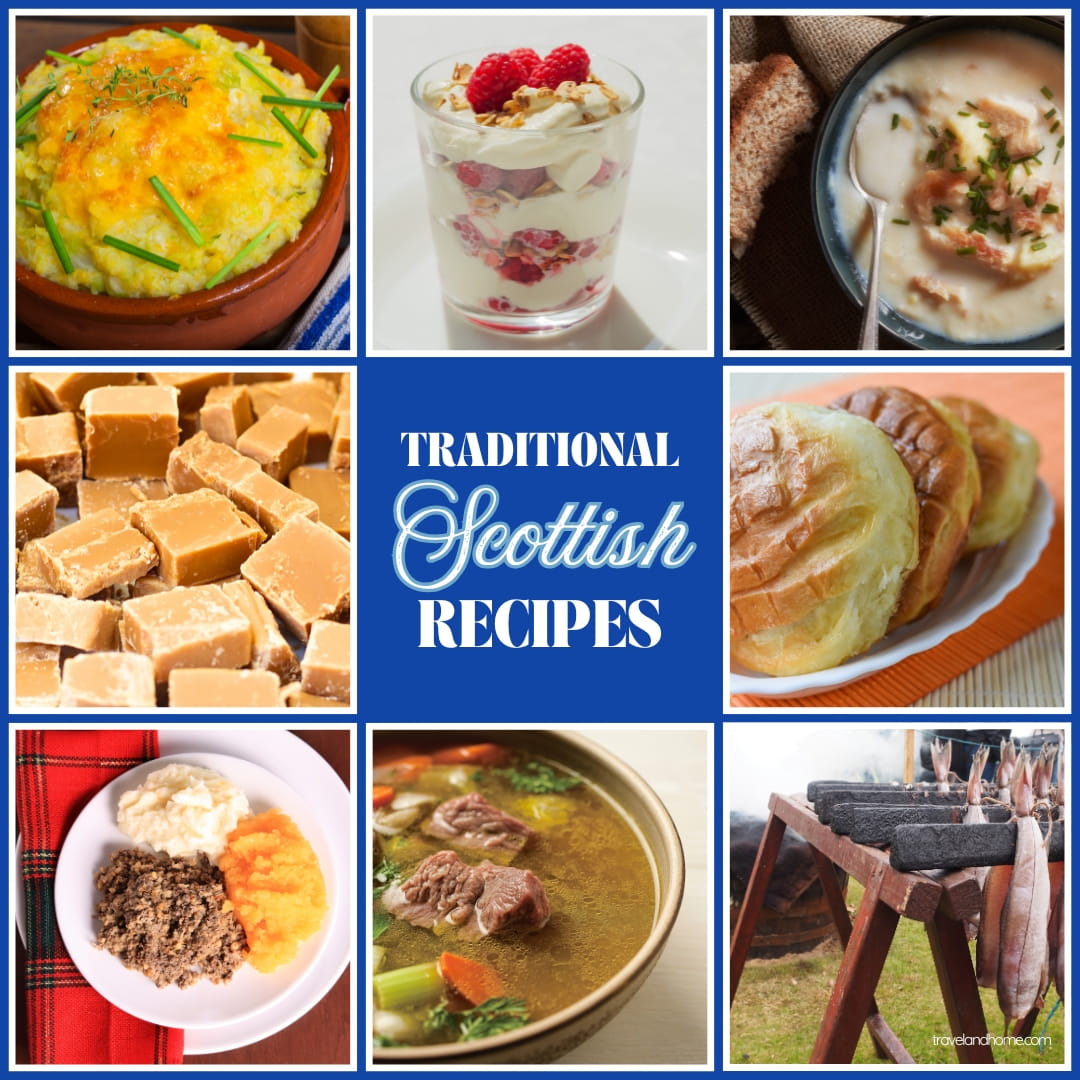
Scotland’s landscapes may steal your breath, but its food is what stays with you — comforting, honest, and shaped by centuries of tradition. From coastal villages where haddock is smoked over glowing embers to Highland kitchens where oats, barley, and butter have long been the heart of home cooking, Scottish cuisine is a quiet celebration of place and memory.
If you want to experience Scotland in its most authentic form, start with the dishes that have been loved for generations. Think Cullen Skink, rich and smoky from the shores of Moray; Cranachan, a joyful swirl of cream, honey, and raspberries; Bannocks, rustic oatcakes once cooked over open fires; and Scotch Broth, the kind of nourishing bowl that feels like a warm blanket on a cold day. Even the iconic Haggis, served with neeps and tatties, carries the story of Scotland’s resourcefulness and pride.
These traditional Scottish recipes aren’t just meals — they’re a way of stepping into Scotland’s living heritage, tasting the land, and understanding the rhythms of everyday life. If you’d like to bring a little of Scotland’s warmth into your own kitchen, explore our full guide to the country’s most beloved dishes.
7. Where to Stay in Scotland
A curated, gentle overview — not a list, but a feeling.
Highland Retreats: small inns, countryside B&Bs, warm hospitality
Plockton
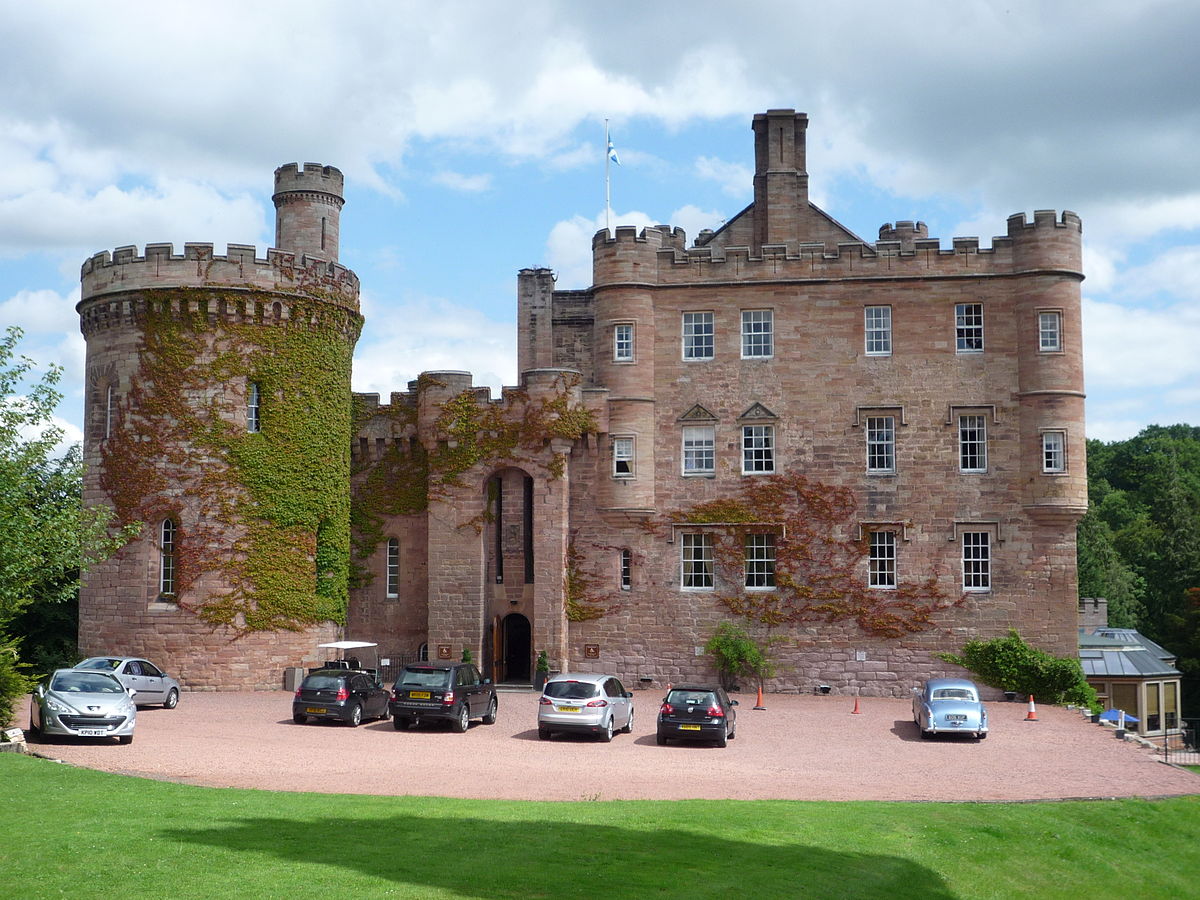
Dalhousie Castle
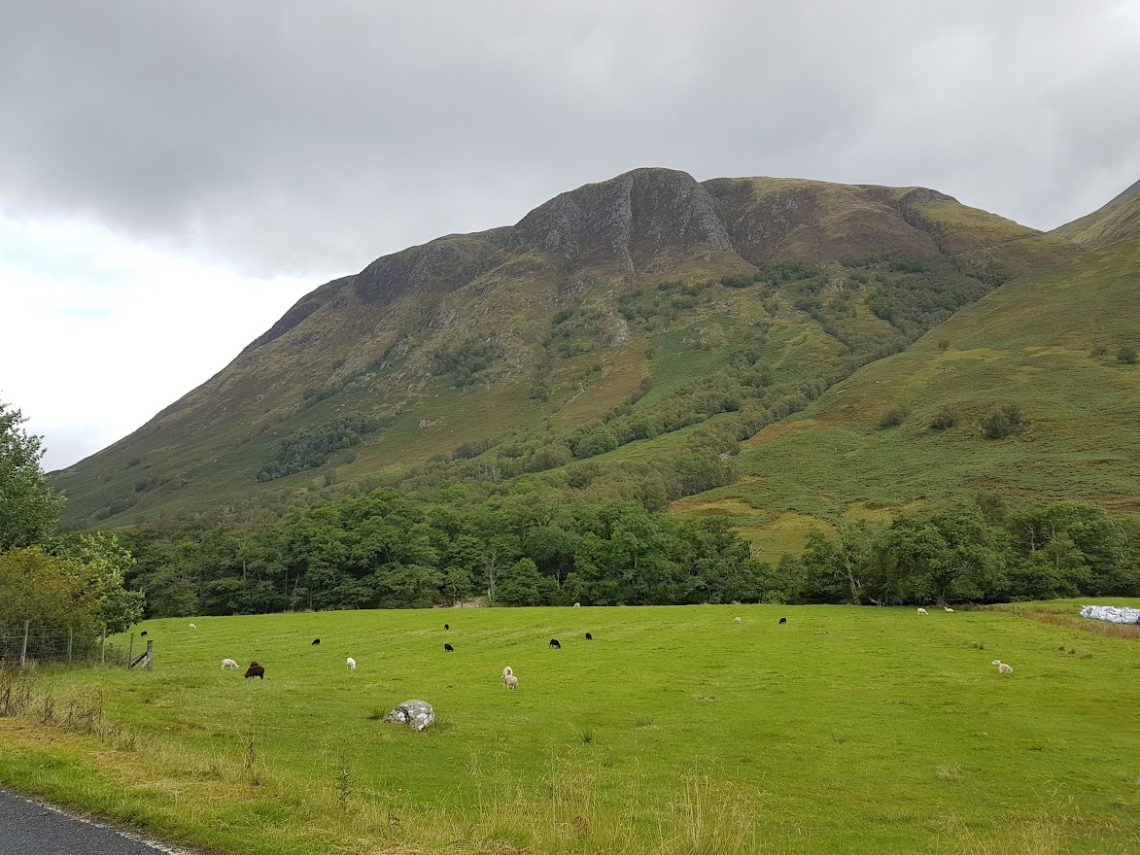
Scotland’s beauty is unparalleled. Never have I walked in such breathtaking scenery that looks almost ethereal. No wonder J.K. Rowling said Scotland is one of the most hauntingly beautiful places in the world.
Discover the heart of Scotland through its most authentic dishes — from smoky coastal classics to sweet Highland comforts. These traditional Scottish recipes celebrate the flavours, stories, and heritage that make Scotland’s cuisine so beloved.
Edinburgh 72‑Hour Itinerary — a gentle, beautifully balanced guide to experiencing Scotland’s capital in just three days. From historic closes to cosy cafés and sweeping castle views, this itinerary helps you see the very best...
Explore the UNESCO World Heritage Sites in Scotland, from ancient Neolithic landmarks to dramatic natural landscapes and iconic engineering achievements. This guide highlights Scotland’s most significant cultural and historical treasures, offering a calm, informative introduction...