
Home - Travel Destinations - Costa Rica Caribbean Coast Itinerary: Start in Limón (LIO) and Explore Cahuita & Puerto Viejo
If you click on links we provide, we may receive compensation.
We link to affiliated partners at no extra cost to you.
Planning the perfect trip to Costa Rica’s Caribbean Coast starts the moment you land at Limón International Airport (LIO), the gateway to one of the country’s most vibrant and culturally rich regions. This itinerary guides you through the best things to do in Limón, Cahuita, Puerto Viejo, and Manzanillo — blending Afro‑Caribbean culture, rainforest adventures, and some of the most beautiful beaches in Costa Rica. Whether you’re dreaming of wildlife encounters, coastal food experiences, or slow, sun‑drenched days by the sea, this Limón travel guide gives you a seamless route through the highlights of the Costa Rica Caribbean Coast.
The first time I arrived in Limón, I remember stepping out into air so warm and soft it felt like walking into a slow exhale. The sky had that Caribbean brightness that makes colors look more saturated — the greens greener, the sea bluer, the fruit stalls almost glowing. It wasn’t a “perfect weather day” in the traditional sense; a brief shower rolled in, then rolled out just as quickly, leaving everything smelling like mango leaves and salt. That’s when I realized Limón doesn’t have good weather or bad weather — it has its weather, and it wraps around you like part of the experience.
Limón is one of Costa Rica’s most climate-stable regions — a huge advantage for travelers who want warm, tropical weather without obsessing over seasons.
Year-round temperatures: 26–28°C (day), 18–20°C (night)
Humidity: High throughout the year
Rain: Short tropical showers possible any month
Best overall months: December–April (slightly drier, breezier)
Best cultural month: October for Carnaval de Limón, one of Costa Rica’s most vibrant celebrations
I still remember how quickly Limón taught me its unspoken rules. The humidity hit first — the kind that makes your clothes cling and your hair surrender. Then the realization that cash is king, especially in the markets where the best food lives. And always, always the music: reggae bass lines drifting from open windows, calypso melodies weaving through conversations. Even waiting for a taxi felt like being inside a soundtrack. Limón doesn’t hand you a guidebook; it lets you learn by feeling your way through its rhythm.
Pack for humidity: Quick-dry clothing is your best friend
Cash is useful: Markets and small eateries often prefer colones
Embrace the Caribbean pace: Slower, warmer, more communal
Music is everywhere: Reggae, calypso, and soca shape the city’s rhythm
Transport: Taxis and shuttles are the most reliable way to move around
There’s a softness to arriving in Limón by air. As the plane dips toward the coast, the jungle and sea flash beneath you like two halves of the same story. Stepping outside, the warm air wraps around you, carrying hints of salt and coconut. This first day isn’t about doing much — it’s about letting the Caribbean rhythm settle into your bones.
What to do:
Walk the waterfront
Explore local markets
Try Afro‑Caribbean dishes like rice & beans, patí, rondón
Ease into the slower pace
Where to stay: Limón City (2–3 nights total)
There’s a moment every traveler has in Limón — usually early on — when you realize the city is both lively and layered. I remember walking toward the port at dusk, the sky turning lavender, music drifting from a balcony. A local man caught my eye and gently pointed me toward a busier street with a simple “mejor por allá.” Not alarming, just caring. Limón is like that: warm, but honest. It looks out for you if you look out for yourself. It taught me that safety here isn’t about fear; it’s about awareness and respect.
Limón is friendly and full of life, but like many port cities, it requires awareness. With common-sense precautions, you can enjoy Limón comfortably.
Smart safety practices:
Stick to well-known areas, especially after dark
Use official taxis or shuttles rather than walking long distances
Keep valuables secure and avoid displaying expensive electronics
Choose accommodations in reputable neighborhoods or eco-lodges outside the city center
The first time I tasted Limón’s rice and beans cooked in coconut milk, I understood why people talk about Caribbean food with a kind of reverence. It wasn’t just the flavor — it was the setting. I was sitting on a plastic chair in the market, the air thick with spice and sea breeze, watching a woman stir a pot big enough to feed a neighborhood. Every dish here feels like it has a story behind it. And the markets? They’re not just places to shop — they’re places to feel the heartbeat of the city.
Limón’s cuisine is soulful, aromatic, and coconut-rich — a delicious contrast to the rest of Costa Rica.
Signature dishes:
Rice & Beans (with coconut milk)
Rondón: Seafood stew with root vegetables
Patí: Spiced beef pastries
Plantains: Fried, baked, stewed — always delicious
Where to explore:
Local markets for produce, spices, and snacks
Street stalls during festivals and weekends
Coastal eateries for fresh fish and Caribbean-style grills
Limón reveals itself slowly. Music drifts from open doorways, neighbors chat across balconies, and the scent of spices lingers in the air. Spend a full day here and the city begins to feel less like a stopover and more like a heartbeat — the cultural soul of the Caribbean coast.
What to do:
Explore the town and waterfront
Visit cultural or historical museums
Enjoy Caribbean cuisine
Browse markets and small shops
Look for reggae, calypso, or punta music in the evening
The rainforest near Limón feels alive in a way that’s hard to describe — thick air, birdsong, the rustle of something unseen. Whether you choose the canopy tram or a quiet canal boat, this is the day the Caribbean side becomes real, tangible, and unforgettable.
Option A: Veragua Rainforest
Canopy tram
Wildlife exhibits
Waterfalls
Jungle trails
Option B: Canal‑style wildlife experience
Boat tour through jungle waterways
Monkeys, birds, reptiles
A peaceful, Tortuguero‑like atmosphere
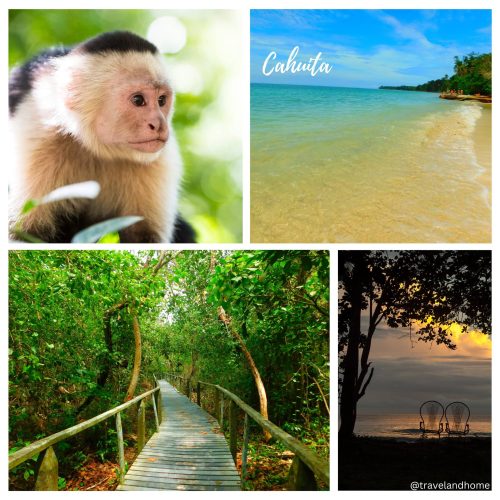
The road from Limón to Cahuita feels like turning the volume down. By the time you arrive, the world seems quieter — palm trees, soft waves, and a town that invites you to breathe a little deeper.
What to do:
Travel 45–60 minutes south to Cahuita
Walk Cahuita National Park’s coastal trail
Look for monkeys, sloths, and tropical birds
Enjoy a peaceful evening in town
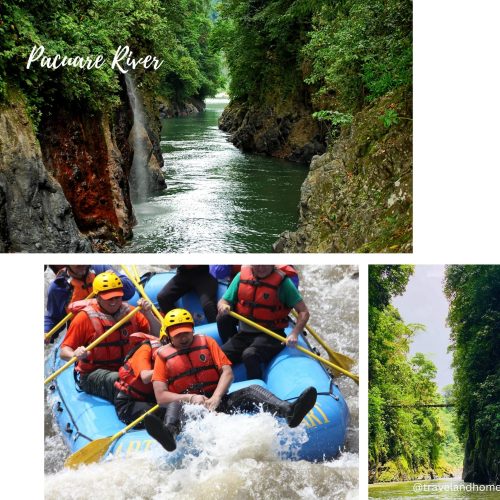
Between rapids, there’s a silence on the Pacuare River that feels sacred — jungle pressing close, water holding its breath with you.
What to expect:
Class II–IV rapids
Waterfalls and canyon scenery
Eco‑lodges accessible only by river
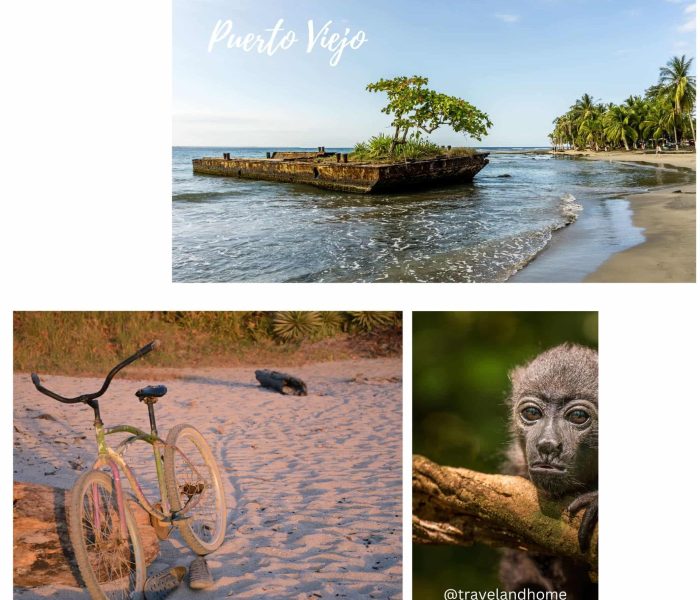
The short drive from Cahuita to Puerto Viejo is like stepping into full color. Surfboards, bicycles, beach bars, music — everything feels brighter and more alive. Puerto Viejo is the coast at its most vibrant.
What to do:
Travel 20–30 minutes to Puerto Viejo
Explore the town
Visit Playa Cocles or Playa Chiquita
Enjoy the food scene and nightlife
Stay: Puerto Viejo (3 nights)
💡Travel Tips:
Check the map view: Booking.com offers a map showing hotel locations. This can help you identify accommodations in desirable, affordable areas.
Look for free cancellation options: Some hotels offer free cancellation up until a certain date. Booking accommodations with free cancellation can offer flexibility if your plans change

💡Travel Tip: Vrbo has over 2 million vacation homes for less than the cost of traditional hotel accommodation.
This is the day you let the coast guide you. Rent a bike, follow the road, stop wherever the sea looks inviting. Puerto Viejo rewards spontaneity — the less you plan, the more it gives.
What to do:
Beach‑hop: Cocles, Playa Chiquita, Punta Uva
Visit a wildlife rescue center
Take a chocolate or cacao tour
Relax into the rhythm of the town
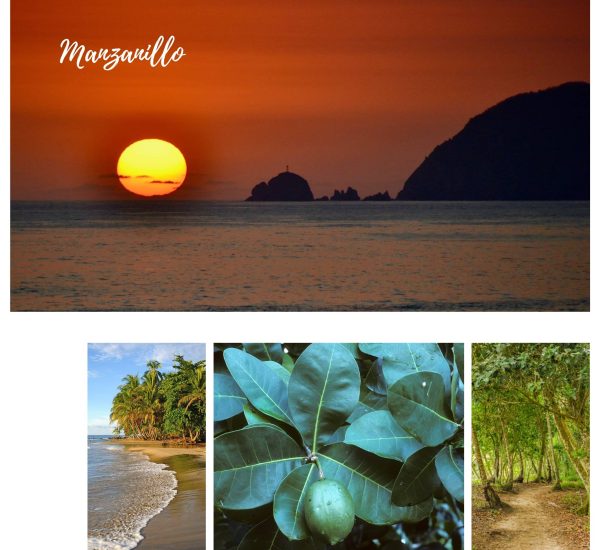
Manzanillo feels like the end of the map in the gentlest way. The road stops, the jungle leans in, and the sea stretches out in shifting shades of turquoise. It’s quiet, raw, and deeply grounding.
What to do:
Travel 20–30 minutes south
Hike the Gandoca–Manzanillo Wildlife Refuge
Enjoy untouched beaches
Have lunch in the village
Return to Puerto Viejo for your final night
Crossing into Bocas feels like slipping into another version of the Caribbean — boats as taxis, pastel houses on stilts, sunsets that linger over the water.
Airports from Bocas:
Bocas del Toro Airport (BOC)
Panama City (PTY) for international flights
Or return to Costa Rica and fly from SJO
Option A: Limón International Airport (LIO)
1.5–2 hours from Puerto Viejo
Best for domestic connections via San José
Option B: San José International Airport (SJO)
4.5–5 hours from Puerto Viejo
Best for international flights
Tip: If your flight is early, spend your last night in San José.
🕮 Suggested Read: Don’t miss our complete San José Travel Guide, where I break down the best neighborhoods, cultural highlights, day trips, and practical tips for navigating the city before heading to the Caribbean Coast. It’s the perfect companion to this Limón itinerary.

💡 Travel Tip: If you love having everything in one place — maps, highlights, cultural insights, and practical tips — the DK Eyewitness Costa Rica guide is a fantastic companion for planning your trip
By the time you reach the end of the southern Caribbean coastline — whether in Puerto Viejo, Manzanillo, or even across the border in Bocas del Toro — you’ll understand why this region is considered one of the most soulful corners of Costa Rica. From the cultural heartbeat of Limón City to the wildlife of Cahuita National Park and the postcard‑perfect beaches of Punta Uva, this itinerary brings together the best of the Caribbean Coast of Costa Rica in one unforgettable journey. Wherever your travels take you next, the rhythm, warmth, and color of Limón Province tend to stay with you long after you’ve flown home.
💬 If you’ve traveled through Limón, Cahuita, Puerto Viejo, or anywhere along the Costa Rica Caribbean Coast, we’d love to hear your experiences. What surprised you? What did you love most? Share your thoughts, tips, or questions in the comments — your insight helps other travelers plan the best possible Costa Rica itinerary and discover hidden gems along this incredible coastline.
Author: Michelle Tredoux – Journeying through life, one story at a time.
Comments