We couldn’t find anything for that search. But we’d love to know what you’re looking for — feel free to drop a comment on any post and tell us what you’d like to see next.
Home - Travel Destinations - Bali, Indonesia – What First-Time Visitors Actually Need to Know
If you click on links we provide, we may receive compensation.
We link to affiliated partners at no extra cost to you.
Bali is compact, tropical, and shaped by volcanoes, rice farming, and the sea. Where you stay matters more than how long you stay, seasons affect traffic and prices, and daily life still revolves around farming and ceremony. This guide focuses on the practical things first-time visitors should know, with enough context to help Bali make sense from day one.

Location: Bali sits about 8 degrees south of the equator, giving the island warm temperatures throughout the year and a tropical climate shaped more by dry and wet seasons than by temperature changes.
Landscape: The landscape is defined by volcanic mountains, which feed fertile valleys and the famous rice fields that cover much of the interior.
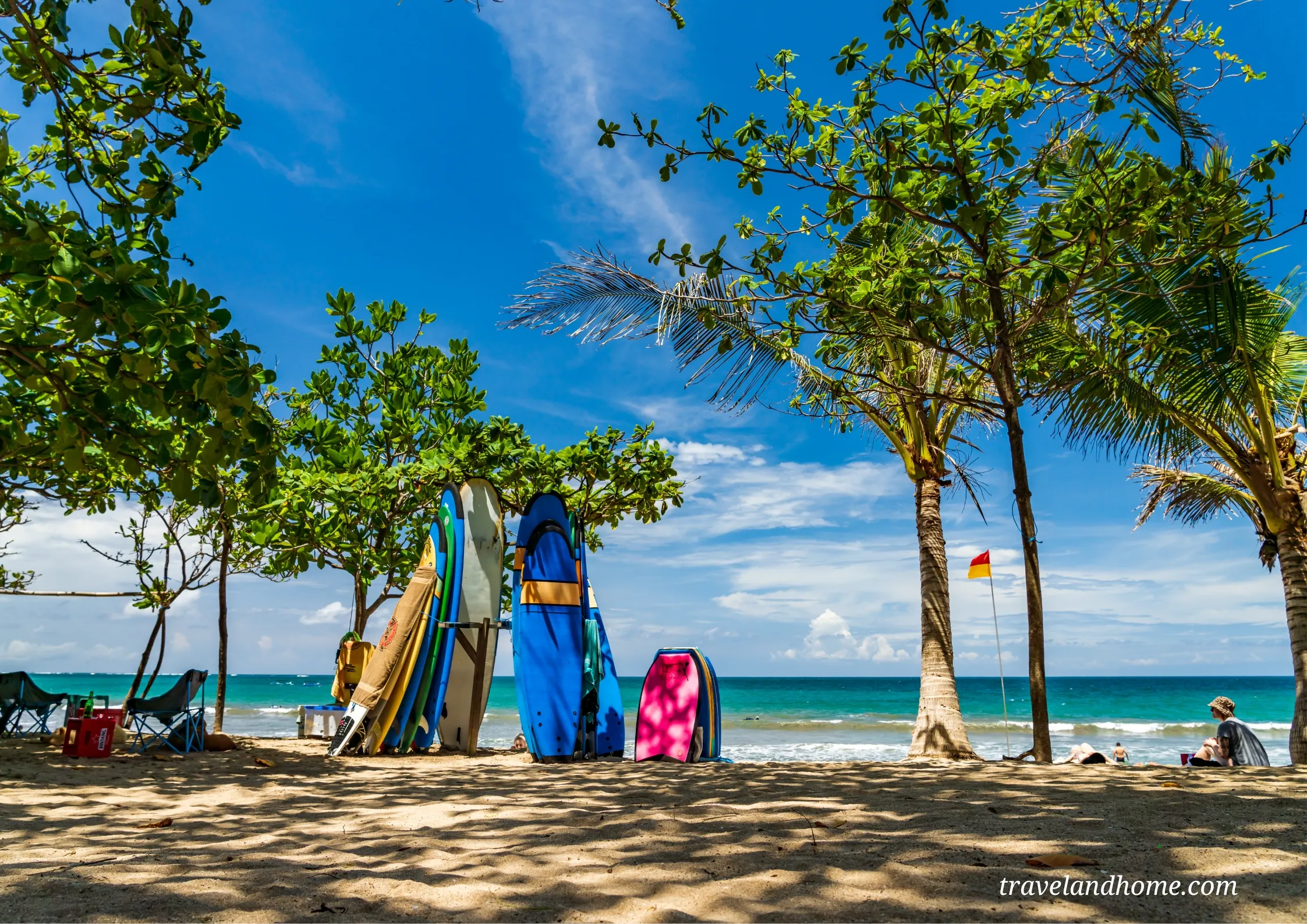
Coastline: Along the coast, Bali offers a mix of sandy beaches and coral reefs. As part of the Coral Triangle, the surrounding waters are rich in marine life, making snorkeling and diving popular in specific coastal areas.
Bali has a humid tropical climate throughout the year, with daytime temperatures usually ranging between about 26 and 30 °C, and slightly cooler evenings inland.
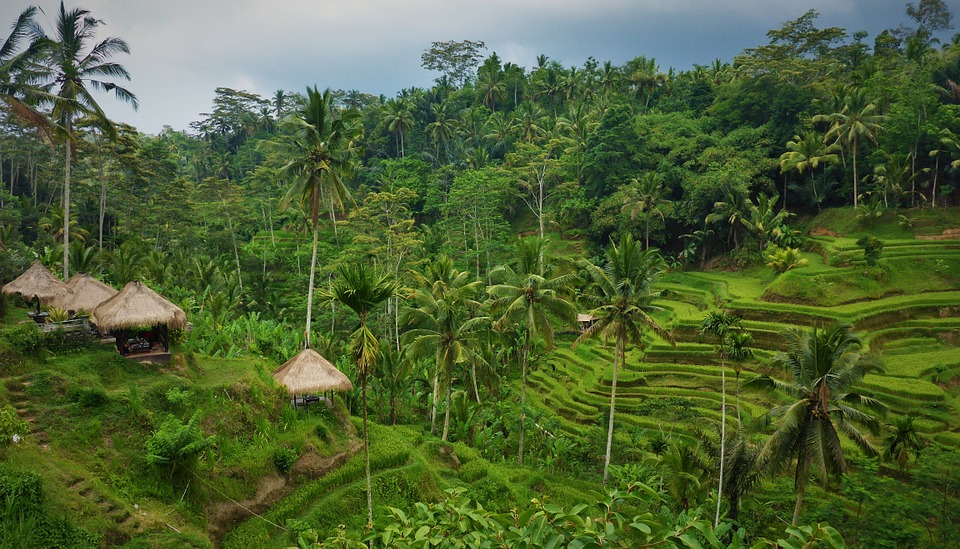
Bali’s rice fields are shaped by the Subak irrigation system, a traditional water-sharing network recognized as a UNESCO World Heritage Site. Subak is not just the channels carrying water through the paddies, but a community-run system that has supported farming here for centuries. Visiting rice terraces in areas like Ubud or Jatiluwih gives a clear sense of how the landscape, farming, and daily life fit together on the island.
If you watch Instagram and social media, you might think Bali is magical, beautiful, and a tourist paradise, which it is… However, during the monsoon months, plastic pollution is said to be a huge problem on many beaches, but it’s not uniform across the island.
Bali is busy. Popular areas like Kuta, Seminyak, and parts of Ubud see heavy tourist traffic. Crowds are real, especially during peak season. The reality is, you will not be walking in the middle of city centers to the sound of the jungle with meditation and yoga in mind. The cities and beaches are busy touristy places. So if you’re looking for a tranquil piece of paradise, you have to explore the resorts and places to stay more inland.
Quiet areas like northern Bali, parts of Ubud, or boutique inland resorts offer the peace people associate with “Bali.”
Cities in Bali you should visit: Read more >>
Local food is everywhere. Bali is full of small warungs (local eateries) where meals are fresh, simple, and affordable. Classic dishes include:
Meals at a local warung can cost as little as a few dollars, making it easy to eat well on a budget.
Areas like Seminyak, Canggu, and Ubud are full of cafés serving coffee, smoothie bowls, salads, and international dishes. Bali’s coffee culture is strong — a local Bali kopi is a must-try. Prices are higher than warungs but still reasonable compared to Western standards.
Beaches often have seafood grills or small beachfront restaurants where you can pick fresh fish. Jimbaran Bay is famous for sunset dinners on the sand. Expect slightly higher prices in tourist-heavy areas.
Stick to bottled water or boiled drinks. Ice is usually safe but always check.
Spicy food is common. Ask for “not too spicy” if you’re sensitive.
Explore inland towns like Ubud for authentic Balinese meals in a calmer environment.
Best approach
Mix a few warungs for authentic local flavor, cafés for breakfast or coffee, and one or two beachfront dinners to enjoy the view. This keeps meals interesting without spending too much or running into tourist traps.
For a first-time visitor in Bali on a limited budget, the best adventure is exploring nature without spending a fortune, combining local culture, stunning landscapes, and active experiences:
Trek Mount Batur for sunrise
Cycle through Ubud’s rice terraces
Snorkel or swim in East Bali (Padang Bai or Amed)
Visit waterfalls like Tegenungan, Tukad Cepung, or Gitgit
Beach hop by scooter along quieter beaches (Balangan, Padang Padang, Bingin)


Ngurah Rai (DPS) is the International Airport of Bali. Also officially known as I Gusti Ngurah Rai International Airport and it is located 13 km south of Denpasar (the capital of Bali).
The people of Bali do speak a basic English (often a 3rd language to many of them) and they are very friendly and willing to help. The Balinese are warm and welcoming people and it is something you will definitely experience on the island.
Where you stay in Bali determines how much you enjoy your time, what you can realistically do each day, and whether you feel like you’re really experiencing the island or just stuck in traffic.
Bali’s roads are narrow, congested, and winding. A 20 km trip can take an hour during peak times. Staying closer to the sights or activities you want reduces wasted travel time.
Ubud – Inland, rice fields, quiet villages, yoga, and cultural experiences. Good for slower mornings and nature.
Seminyak & Canggu – West coast, beaches, cafés, nightlife, shopping. Popular with tourists and digital nomads.
Uluwatu – Southern cliffs, dramatic sunsets, quieter beaches, surfing spots. More remote; transport matters.
Northern or eastern Bali – Less touristy, volcanic lakes, waterfalls, and calm beaches. Harder to reach, but peaceful.
Choosing the wrong area can lead to disappointment — for example, staying in Kuta expecting calm beaches, or in Ubud expecting nightlife.
Hotels, villas, and apartments vary widely in price depending on location. Staying near the activities you want means less spending on taxis or driver services.
Nusa Dua Beach Hotel & Spa, Bali offers 5-star accommodation

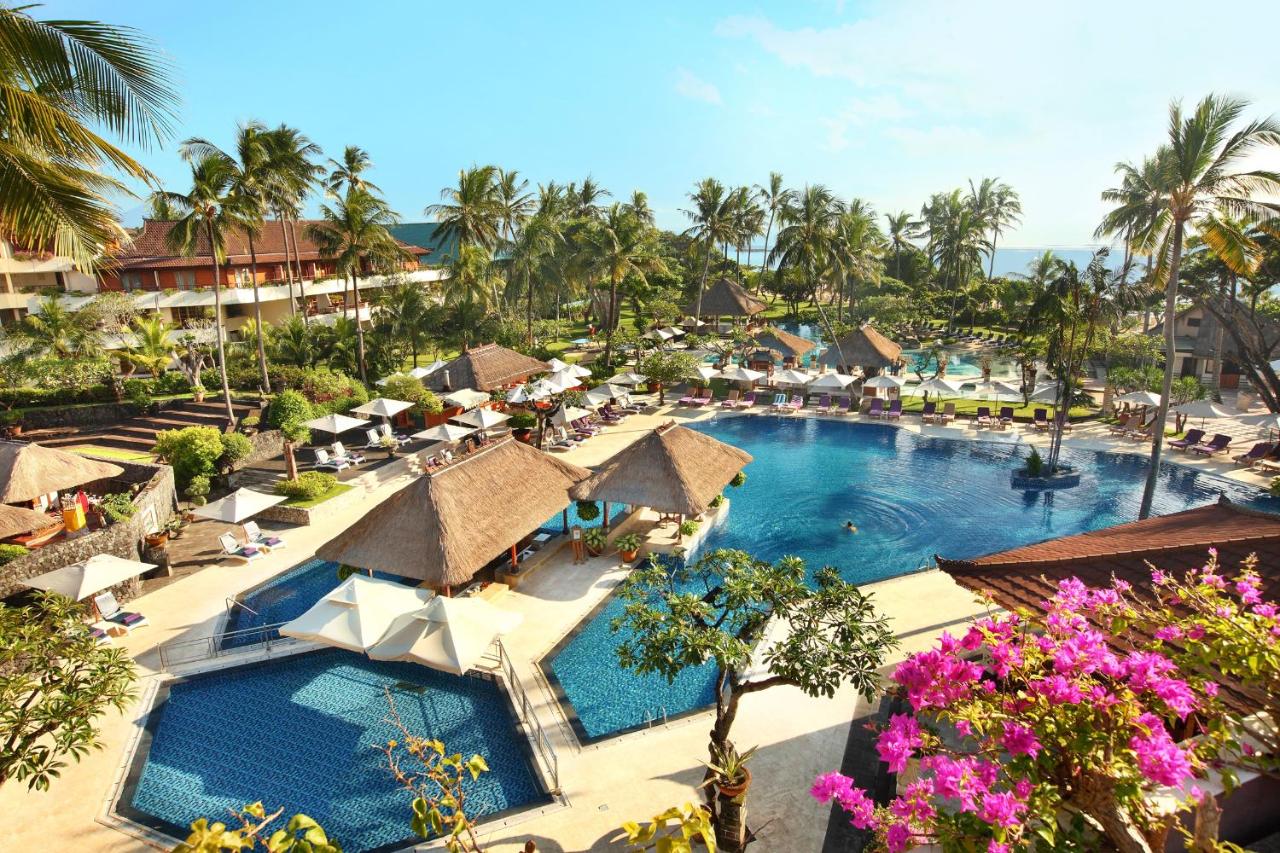
WHY WE RECOMMEND: This family-friendly restaurant offers a mix of Indonesian, Japanese, Thai, and international dishes, with options for vegetarian, gluten-free, and halal diets. Guests can enjoy buffet-style breakfast, lunch, and dinner in settings that range from traditional to romantic.

TUI – Fabulous Vacation Packages from the UK to…
Beach Holidays | Multi-Destinations | City breaks | River Cruises | Ocean Cruises | Themed Cruises | Tours | Ski Holidays | Lakes & Mountains | Lapland | Villas | Weddings