
This Zimbabwe itinerary invites you to experience Zimbabwe in a way that feels both adventurous and grounding — moving from iconic wonders to quiet corners, from wildlife encounters to moments of stillness. It’s a journey shaped by beauty, story, and the kind of authenticity that stays with you long after you’ve returned home.
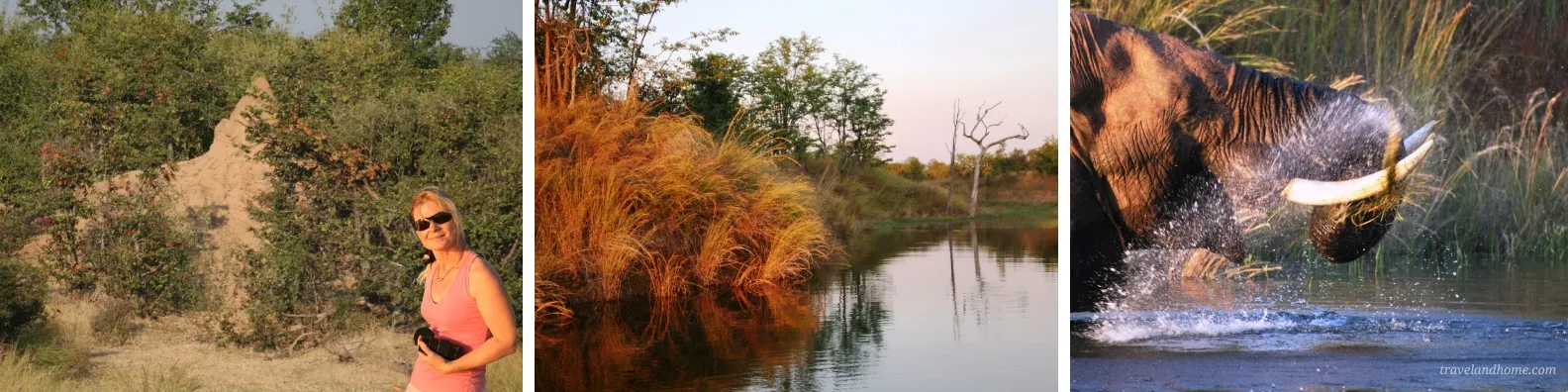
Zimbabwe is a country that reveals itself slowly — through mist rising from the edge of Victoria Falls, through the quiet presence of wildlife moving across open plains, and through the ancient stone walls that still hold the memory of early civilizations. It’s a land where nature and history sit side by side, where UNESCO sites are not rare exceptions but recurring chapters in the landscape.
Traveling through Zimbabwe means witnessing some of Africa’s most dramatic contrasts: thundering waterfalls, peaceful lakes, sacred granite hills, and cities alive with color and creativity. It’s a place where every region feels distinct, yet connected by a shared sense of resilience, warmth, and deep cultural pride.
Your 14‑day Zimbabwe itinerary unfolds like a slow‑moving story — one shaped by thundering waterfalls, ancient stone cities, and quiet moments in the wild. You begin at the edge of Victoria Falls, where mist rises like breath from the earth, before drifting toward Chobe’s roaming herds and Hwange’s wide, open plains.
From there, the journey softens into the sacred stillness of Matobo Hills, where rock art whispers across time, and then deepens into the historical wonder of Great Zimbabwe’s stone walls. Harare brings a shift in rhythm — a lively pause filled with culture, gardens, and local color — before the route eases into the calm waters of Lake Kariba.
Your final days settle into Matusadona’s peaceful wilderness, where bird calls and distant footsteps remind you how close you are to nature’s quiet heart. This itinerary moves with intention: a balance of adventure, reflection, and the kind of beauty that stays with you long after you’ve returned home.
An overnight at the Victoria Falls, in the Mosi-oa-Tunya National Park, is a must. The Victoria Falls is a UNESCO World Heritage Site that you can tick off your UNESCO bucket list! At twice the height of the Niagara Falls, it is a magnificent sight. The falls are divided into five waterfalls: Devil’s Cataract, Eastern Cataract, Horseshoe Falls, the Main Falls, and the Rainbow Falls.
About a 60-minute drive from Victoria Falls lies Chobe National Park. Chobe is known for its wildlife, and you’re likely to see the Big Five! Especially plenty of herds of elephants and buffalo.
By your 4th day, it’s time to head on to Hwange. Hwange National Park is home to one of Africa’s four wild dog populations. Also featured are the endangered brown hyena and the rare gemsbok. It’s worth staying here for a night or two. Besides, it is Zimbabwe’s largest game reserve.
Matobo Hills, a UNESCO World Heritage site, is known for having the largest collection of rock paintings in Southern Africa. Such as all of 20,000 cave paintings and petroglyphs. By the way, once you’ve arrived, you’ll soon get why the local people call the Matobo Hills’ landscape “Bald Heads”!
Then it’s time to head on to Great Zimbabwe for another overnight stay. Great Zimbabwe is another one of Zimbabwe’s UNESCO sites. It is known for its largest stone structures (dated AD 1250 and AD 1450) south of the pyramids, which were fitted together without mortar. It is a phenomenal sightseeing experience.
Despite being a bustling capital city, Harare is known for its beautiful resorts, spectacular scenery, and wildlife, including giraffes, lions, and wildebeest.
Travel Tips:
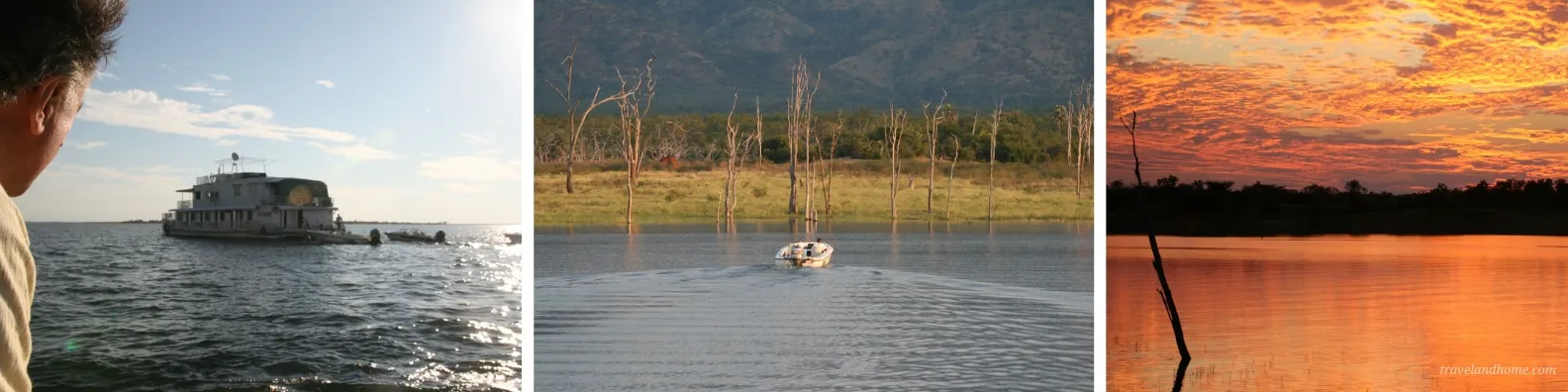
If you’re not joining a guided tour, I recommend a houseboat cruise to Kariba. Three to four nights will have you re-energized and feeling like a new person. It is by far the ultimate in relaxation when in Zimbabwe. In addition to the houseboat experience, you can easily add another night or two at the Lake. Lake Kariba is known for fishing, especially for sports fishing. Besides catching tiger fish, you can also do canoeing, speed boating, and wakeboarding on the lake. In addition, you have plenty of game around the lake, such as hippos and crocodiles.
Home to the rare black rhino, Matusadona National Park is well worth spending a relaxed 2 to 3 nights. Pack your binoculars because you’re in for excellent birdwatching opportunities here. Matusadona National Park is also home to the remaining Big Five: the lion, elephant, buffalo, and leopard.
And so it’s the end of this journey. Harare is a mere 8 km from Matusadona National Park, making it ideal to leave from here for the airport. Alternatively, enjoy the last bit of Zimbabwe for a last evening in Harare. Restaurants such as Alo Alo and Amanzi (on 149 A2) are well worth dining at. Alo Alo Restaurant has a wonderful ambiance. They’re in 10 Forest Road, Mount Pleasant, behind the Arundel Village Shopping Centre.
The above itinerary is sufficient to cover 14 days or more, depending on your personal choice. If you have questions about planning your Zimbabwe itinerary, feel free to ask in the comments.
If you’d like help choosing the perfect base, explore our guide on Where to Stay in Zimbabwe.
Sharing the places I’ve come to love. – Arina ♡