Dublin, founded by the Vikings in the 9th century, (‘Dubh linn’), translates to “Black Pool” and is home to the Irish parliament since 1922. The city is compact, welcoming, and full of character. It’s the kind of place where you can explore centuries of history in the morning, wander the coast in the afternoon, and end the day in a pub that feels like it’s been waiting for you.
This guide brings together the essentials — the best time to visit, how to get around, where to stay, what to eat, and the experiences that capture the city’s character — so you can plan a trip that feels both effortless and memorable.
Dress warm and party hard!
Travel Tip: For a clearer sense of Dublin’s weather throughout the year, you can browse the month‑by‑month climate and temperature averages — it’s a handy way to see typical highs, lows, rainfall patterns, and daylight hours before planning your trip.
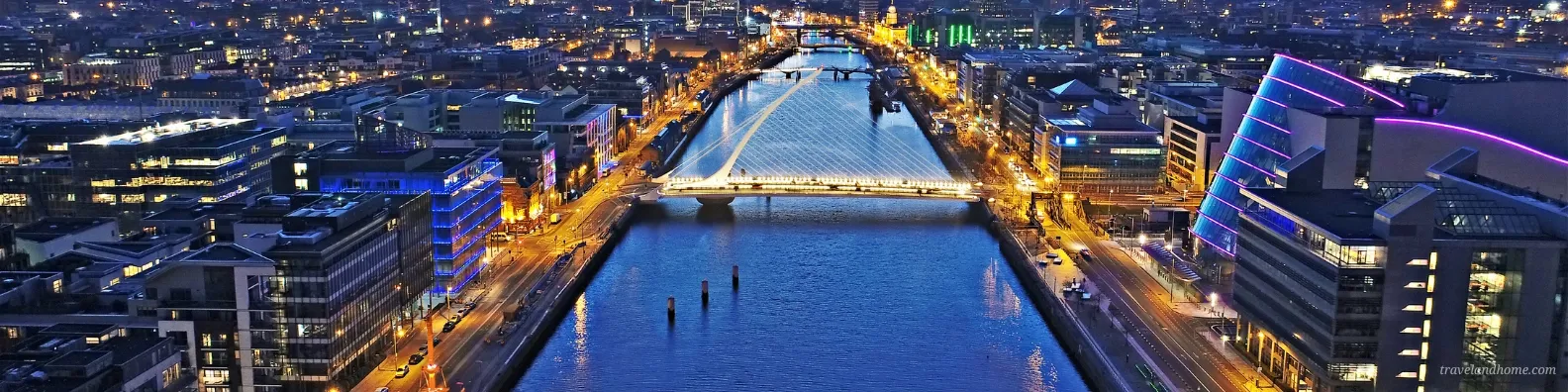
Dublin is a compact, walkable city with reliable public transport, so you can explore comfortably without a car. Most of the main sights sit close together, and the rest are easily reached by bus, tram, or DART (Dublin’s coastal rail line). Renting a car becomes more of a burden than a benefit in the city centre — traffic, narrow streets, and limited parking tend to slow things down rather than open things up. Save the car hire for day trips into the countryside, where the roads widen, and the landscapes begin to unfold.
Dublin is generally a friendly, easygoing city, and most visitors feel comfortable exploring on foot. As in any capital, it helps to stay aware in busy areas, especially around major transport hubs and late‑night streets, but the atmosphere is more relaxed than many European cities. Locals are warm and quick with a smile, and small courtesies go a long way — a simple “thanks” or “cheers” is always appreciated.
When it comes to pubs, you don’t wait to be seated; you order at the bar, and it’s perfectly normal to linger over a single drink without feeling rushed. Tipping isn’t mandatory, but rounding up or leaving 10% for good service is welcomed. Dubliners value personal space on public transport, yet they’re happy to help with directions if you ask. And while the weather changes often, people take it in stride — a light jacket and a sense of humour will carry you far.
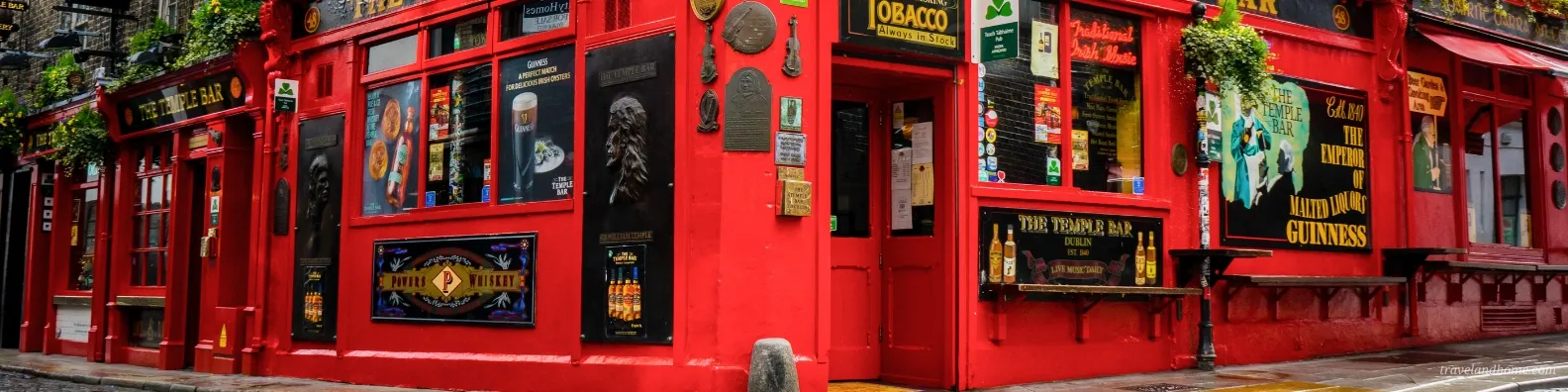
1. Bewley’s Grafton Street Café is a Dublin classic since 1927, known for its stained‑glass windows, old‑world charm, and pastries that taste like they’ve been perfected over generations. It’s the kind of place locals return to for comfort and nostalgia.
2. Leo Burdock (Christchurch) is the city’s most iconic fish‑and‑chips shop. Since 1913, it has served crispy battered fish and chunky chips to everyone from locals to visiting musicians. Simple, salty, perfect.
3. The Woollen Mills Eating House is a modern Irish favourite overlooking the Ha’penny Bridge. Expect hearty dishes, warm service, and a sense of place that feels unmistakably Dublin — relaxed, generous, and quietly confident.
4. The Long Hall is one of Dublin’s most beautiful Victorian pubs, with red velvet, ornate mirrors, and a timeless atmosphere. Locals love it for its character; visitors love it because it feels like stepping into Dublin’s living history.
5. Kehoe’s is a beloved, old‑school pub just off Grafton Street. Expect snug rooms, wooden partitions, and the gentle hum of conversation. It’s the perfect place for a pint that feels authentically Dublin.
6. Chapter One is a refined, deeply Irish dining experience beneath the Dublin Writers Museum. Known for elegant plates, thoughtful storytelling, and a calm, confident approach to modern Irish cuisine. It’s a special‑occasion restaurant that still feels grounded. Reserve your table well in advance.
7. Liath is a small, intimate Michelin‑starred gem in Blackrock Market. Creative, emotional, and beautifully plated, Liath offers one of the most memorable tasting menus in Ireland — a place where every dish feels like a quiet revelation. Reserve your table well in advance.
Did you know that the city is all loved up! The remains of St Valentine are at White Friar Street Carmelite Church on Aungier Street. Light a candle and make your way to Love Lane in Temple Bar and read the many love letters and witty words on ceramic tiles.
If your goal is to see as much as possible without wasting time in transit, Dublin City Centre — especially the stretch between Grafton Street, Trinity College, St. Stephen’s Green, and the South Georgian Quarter — is the sweet spot. You can walk to most major sights in minutes, from the Book of Kells to Dublin Castle, Temple Bar, the museums, and the riverfront. The neighbourhood feels lively but not overwhelming, with cafés, pubs, and green spaces woven into the streets.
Staying here means you can explore on foot, dip easily into public transport when needed, and return to your hotel throughout the day without detours. It’s the most convenient base for first‑time visitors and anyone who wants Dublin to unfold naturally around them.
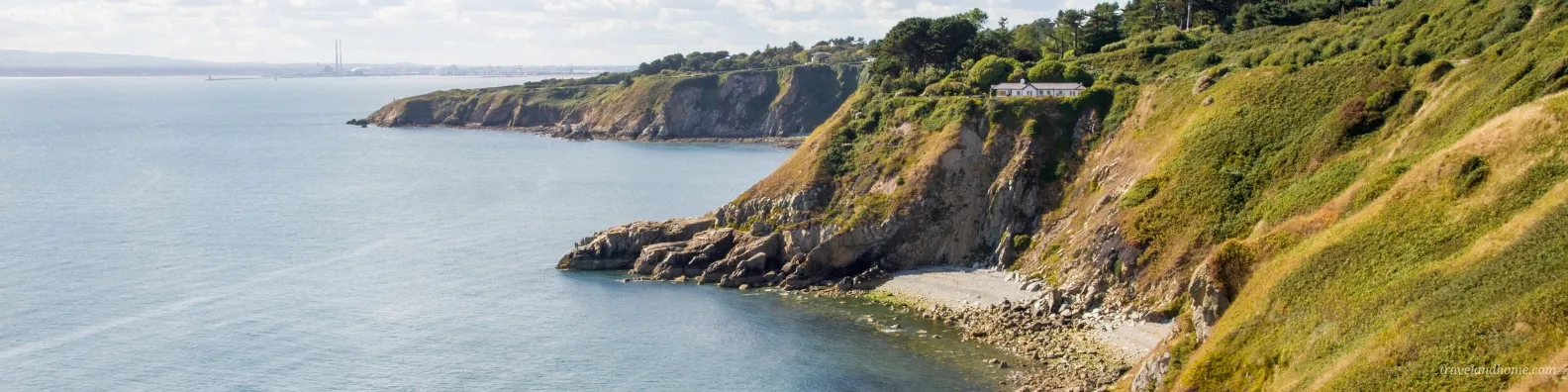
If you prefer something a little different from the city centre, Dublin has a few neighbourhoods that offer their own charm. Portobello is perfect for those who like a creative, café‑filled base with leafy canals and a slower rhythm. Ballsbridge suits travellers who want a quieter, more polished stay, with embassies, wide streets, and easy access to parks and museums. For a coastal feel, Howth and Dalkey offer sea views, cliff walks, and a village atmosphere — ideal if you want Dublin days with a side of fresh air and harbour life.

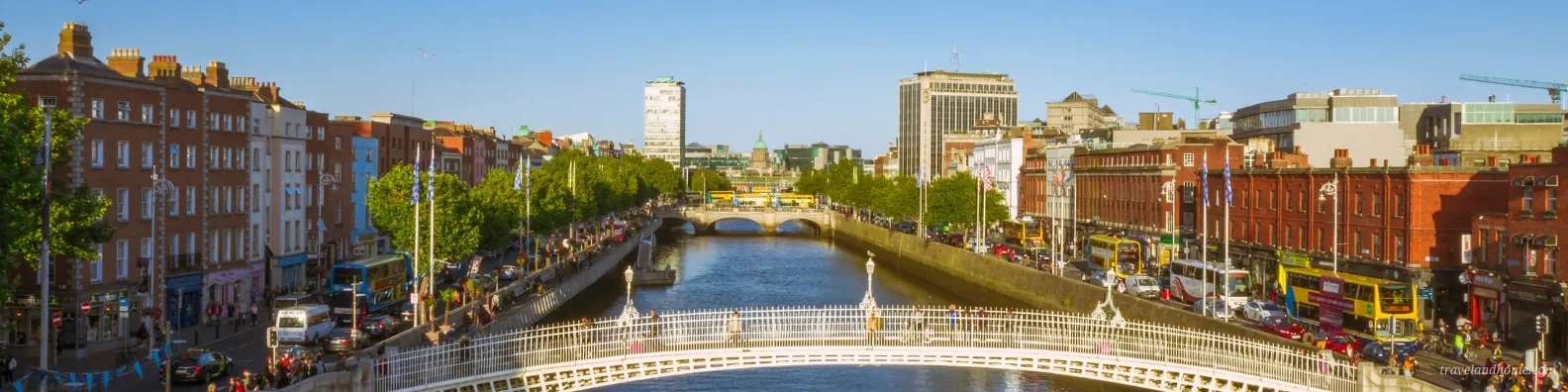
Ha’penny Bridge is the oldest pedestrian bridge in Dublin and is still in use, with about 30,000 pedestrians crossing the bridge daily.
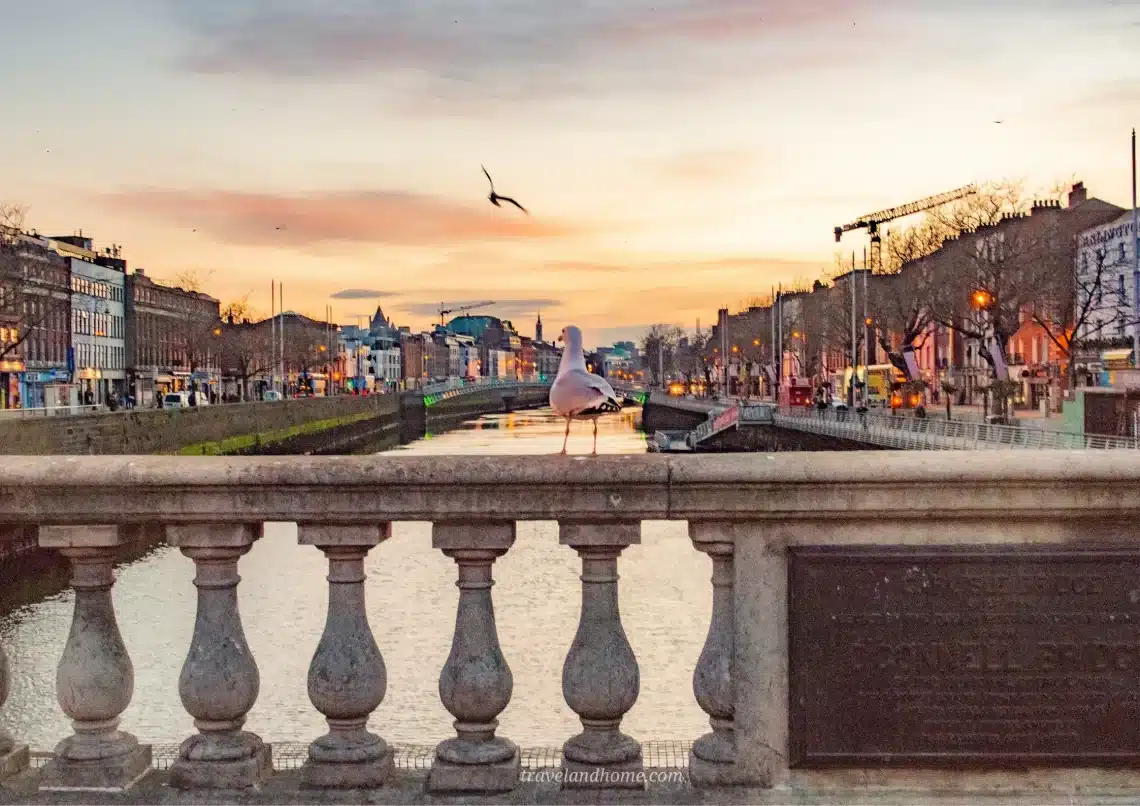
Most people are under the impression that the O’Connell Bridge is as wide as it is long, but that is not quite on the mark. The O’Connell Bridge is known to be the oldest traffic bridge in Europe that is wider than it is long. It is 50 m wide and 45 m long.

Sports lovers should make a point to watch a bit of “Gaelic football”. It is the Irish version of soccer and rugby put together!
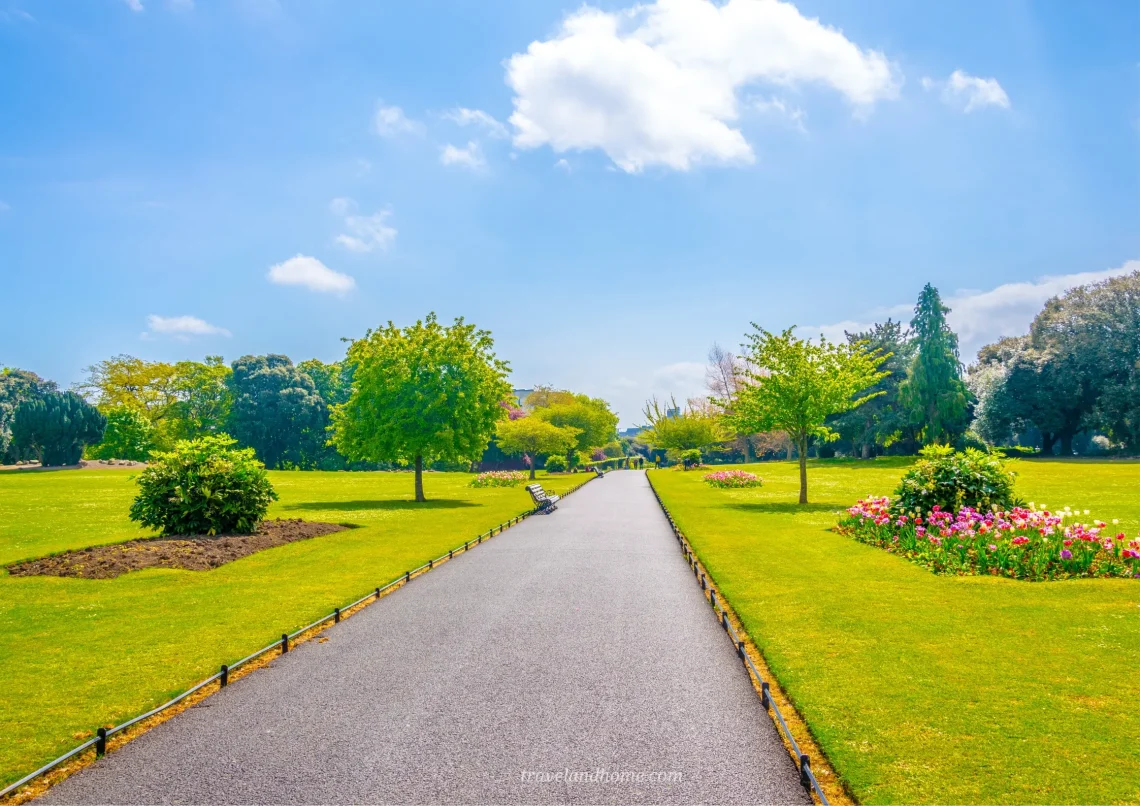
Meander through Phoenix Park’s 707 hectares of peaceful landscapes. Phoenix Park is believed to be the largest city park in Europe and also features the Dublin Zoo.
Did you know that the very first MGM lion (remember the roaring lion at the beginning of the movies?) named ‘Slats” was born in Dublin Zoo in 1919.
Dublin carries a rare literary glow — officially recognised as a UNESCO City of Literature, one of only six in the world. It’s a place where stories linger in the air, and where George Bernard Shaw first opened his eyes to the world on July 26, 1856, in the neighbourhood of Portobello. His legacy, along with so many other Irish voices, still threads through the city’s pubs, theatres, and cobbled streets.
Dublin itself doesn’t have true mountains — the real peaks lie just beyond the city, in Wicklow. That’s where Sugarloaf rises to 423 metres (1388 feet), offering the closest taste of elevation near Dublin. The journey out there is part of the charm, taking you from the city’s Georgian streets into a landscape shaped by valleys, lakes, and quiet walking trails that feel worlds away from the urban buzz.

from $33.01
Dublin’s food scene is rooted in comfort, tradition, and the kind of simple dishes that have carried Irish families through generations. Local favourites like Shepherd’s Pie, Irish Stew, and Soda Bread still hold a special place at the table, each one telling its own quiet story of home cooking. You’ll also find classics such as boiled bacon and cabbage — a dish that sounds humble but arrives with all the warmth of a Sunday meal.
Enjoy a pint in Ireland’s oldest pub, a place that’s been welcoming guests since 1198. Continue your journey to St. James’s Gate, where the Guinness Brewery and its famous Storehouse reveal the story behind Ireland’s most celebrated stout. Beyond the brewing magic, you’ll discover the remarkable tale of the Guinness family, who secured a legendary 9,000‑year property lease back in 1759—a legacy they still hold a majority share in today.
Did you know that the now world-renowned Guinness Book of Records started in 1952 as a marketing freebie by the Guinness family.
Get to know Dublin at your own pace with your Hop-On Hop-Off Bus ticket.
Some of the most famous music bands were formed in this vibrant city. Names such as U2, Westlife, Boyzone, Thin Lizzy, Kodaline, and My Bloody Valentine come to mind.
Dublin is also known to have the youngest population in Europe, with about a third of its population under the age of 25 years.
Dublin Castle is the oldest castle in the city and was opened in 1204. Trinity College sits right in the heart of Dublin. Founded in 1592, it’s Ireland’s oldest university. Its historic campus, the Long Room, and the Book of Kells make it an essential stop for anyone exploring Dublin’s cultural core.
Did you know Oscar Wilde (playwright, poet, essayist, and novelist), Jonathan Swift (noted for his use of invented ironic personas), and Bram Stoker (creator of Dracula) attended the ancient Dublin university, Trinity College? The university was brought about at the request of Queen Elizabeth I.
Travel Tip: The DART (Dublin Area Rapid Transit) is a fast, reliable electric train that runs along Dublin’s coastline from north to south, linking the city centre with seaside towns like Howth, Dalkey, and Bray. It’s one of the simplest ways to explore beyond the city without renting a car — the views are lovely, the stations are easy to navigate, and the journey feels like a gentle extension of your Dublin experience.
The Boyne Valley is where Ireland’s ancient story feels closest to the surface. Newgrange, Knowth, and Dowth sit within a UNESCO World Heritage landscape that predates the pyramids, and walking among these passage tombs gives you a rare sense of time stretching far beyond the modern city. It’s an easy escape from Dublin, yet it feels like stepping into another world entirely.
This day trip blends Ireland’s wild Atlantic edge with the colour and charm of Galway. The Cliffs of Moher rise dramatically above the ocean, offering views that shift with every gust of wind, while Galway brings music, cobblestones, and a lively creative spirit. It’s a long day, but one that captures the contrast that makes Ireland unforgettable.
This route takes you north into a landscape shaped by myth, geology, and a complex shared history. Belfast offers a modern, creative energy, while Dunluce Castle clings to the cliffs in a way that feels almost unreal. The Giant’s Causeway, with its hexagonal stones and Atlantic backdrop, is one of those places that stays with you long after you’ve left.
If you want to focus purely on Northern Ireland’s natural drama, this is the most direct way to do it. The Giant’s Causeway is a UNESCO World Heritage Site for good reason — its basalt columns look sculpted rather than formed. The coastal drive adds its own beauty, with sweeping views and quiet villages that make the journey feel just as rewarding as the destination.
Affiliated Links
Easy Ways To Plan Your Trip With Confidence ♡゙
A few trusted resources to help you organise the practical side of your journey.
Dublin has a way of staying with you — a compact capital filled with history, culture, sea‑air moments, and an easy rhythm that makes exploring feel natural. From its Viking beginnings and Georgian streets to lively pubs, literary corners, and coastal day trips, the city offers a mix of experiences that suit short breaks and longer stays. If you’re planning a trip to Dublin or refining your Dublin itinerary, I hope this guide gives you the clarity and confidence to shape days that feel both meaningful and relaxed.
Have you spent time in Dublin, or are you planning your own visit soon? Share your favourite spots, small discoveries, or questions in the comments. Your insights help others shape their Dublin plans, and I always enjoy hearing the moments that stood out for you.
Traveling with purpose, writing with heart. – Maggy Mandle