
Ukraine’s UNESCO treasures feel like stepping into a living chronicle—where faith, science, nature, and ancient civilizations intertwine across centuries. Here, meridian‑measuring arcs stretch across continents, cathedrals rise in quiet reverence, wooden tserkvas glow with handcrafted devotion, and beech forests whisper stories older than memory. Whether you wander through Lviv’s medieval streets or trace the footsteps of Dorian Greeks along the Black Sea, each site invites you into a deeper, quieter kind of travel—one where history breathes, and every landmark feels like a moment suspended in time.
No, it is not safe to visit Ukraine. The ongoing Russian invasion poses a severe, unpredictable risk to life across the entire country due to frequent missile and drone strikes, and the majority of international governments (including the U.S. Department of State, and UK FCDO) currently maintain a “Do Not Travel” advisory.
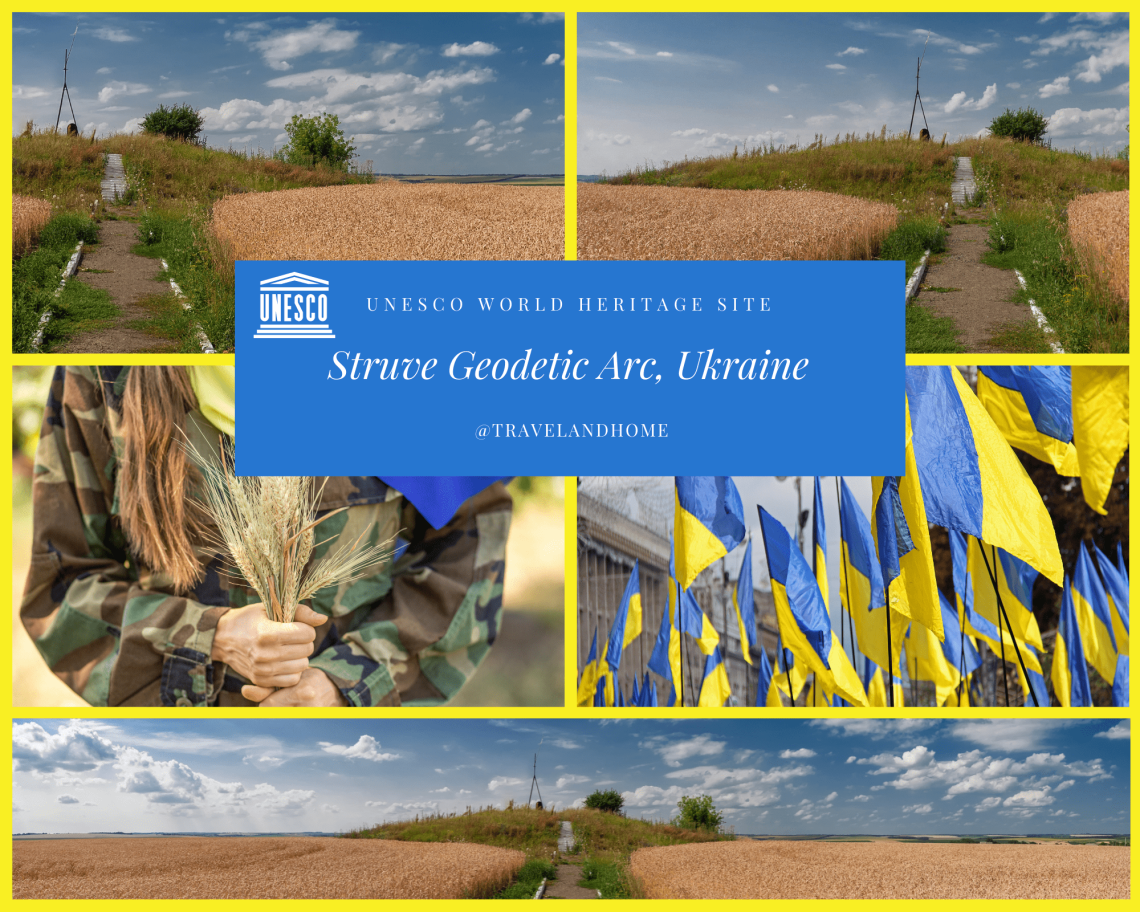
“The Struve Arc is a chain of survey triangulations stretching from Hammerfest in Norway to the Black Sea, through 10 countries and over 2,820 km. These are points of a survey, carried out between 1816 and 1855 by the astronomer Friedrich Georg Wilhelm Struve, which represented the first accurate measuring of a long segment of a meridian.” – UNESCO
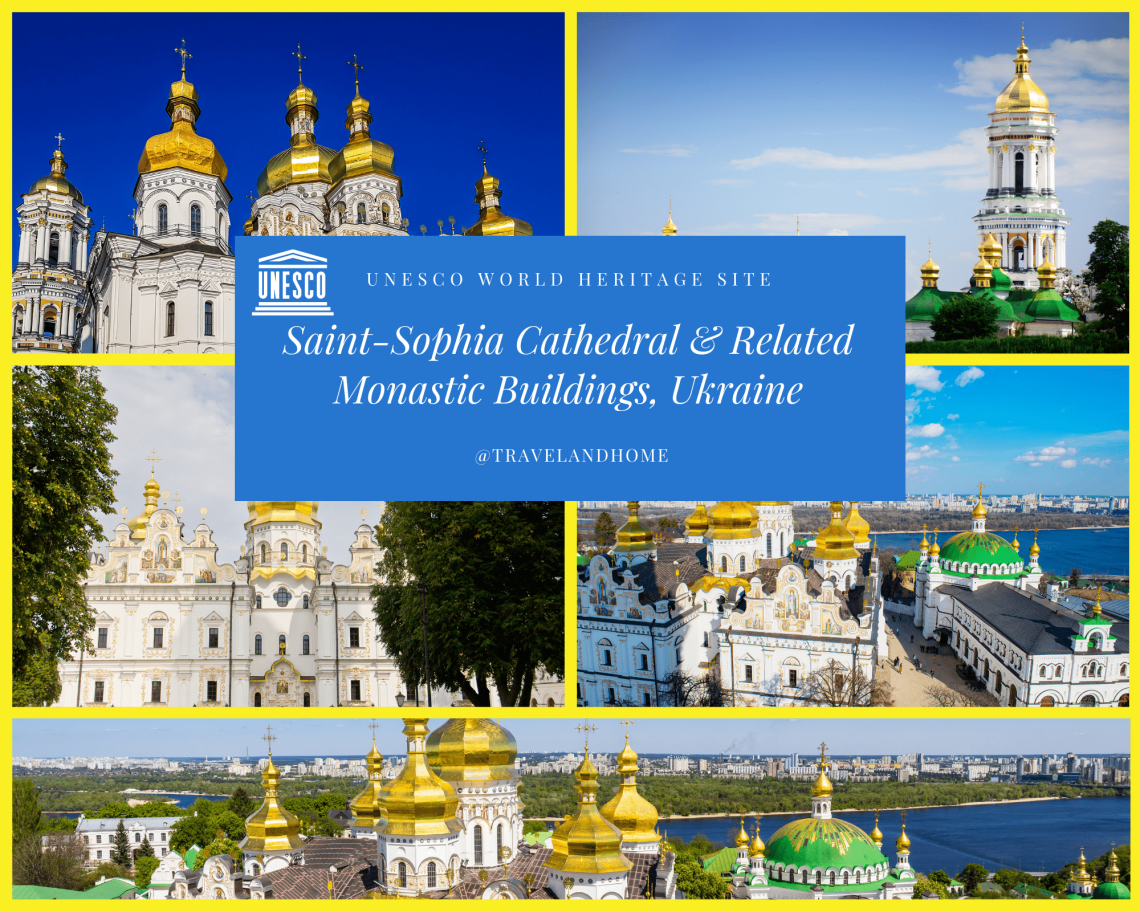
“Designed to rival Hagia Sophia in Constantinople, Kyiv’s Saint-Sophia Cathedral symbolizes the ‘new Constantinople’, capital of the Christian principality of Kyiv, which was created in the 11th century in a region evangelized after the baptism of St Vladimir in 988.” – UNESCO
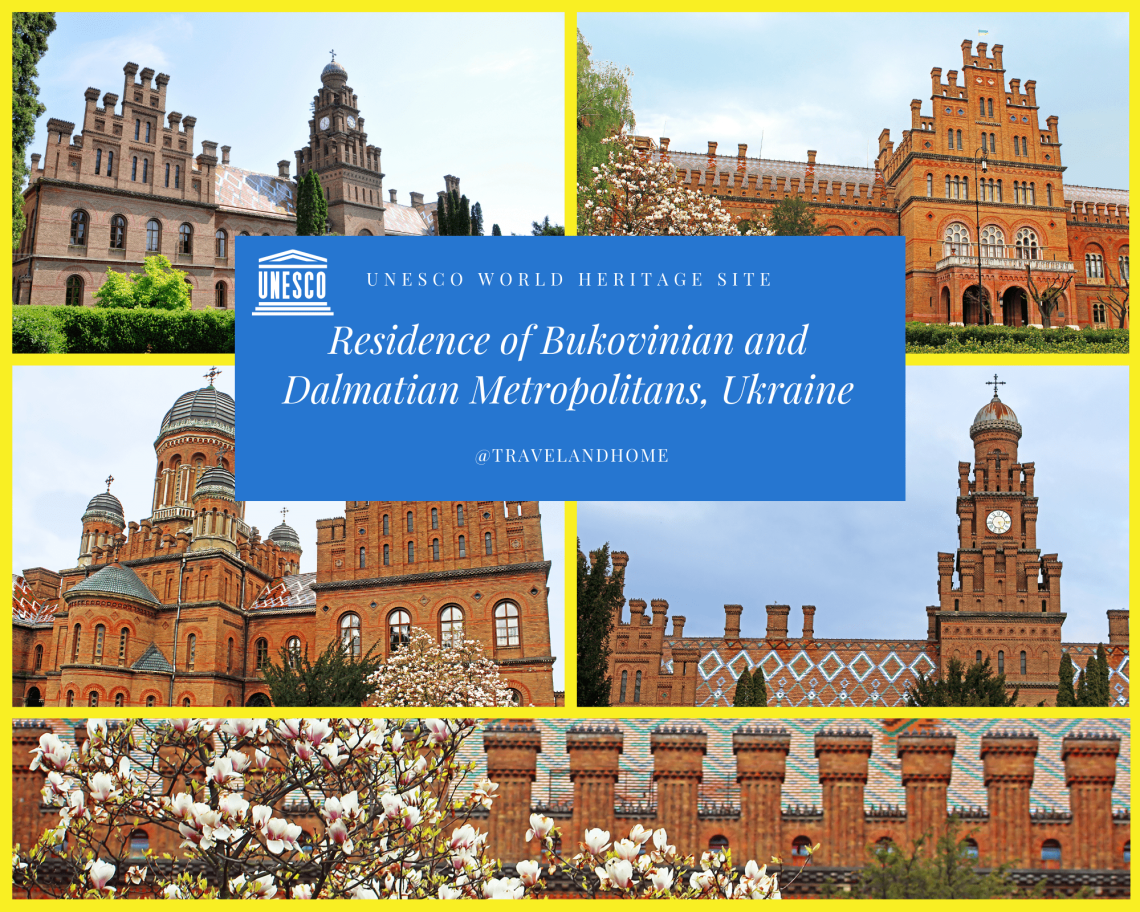
“Discover the magnificent and masterful synergy of architectural styles built by Czech architect Josef Hlavka from 1864 to 1882. The property also includes a seminary and monastery and is dominated by the domed, cruciform Seminary Church with a beautiful garden and park.” – UNESCO
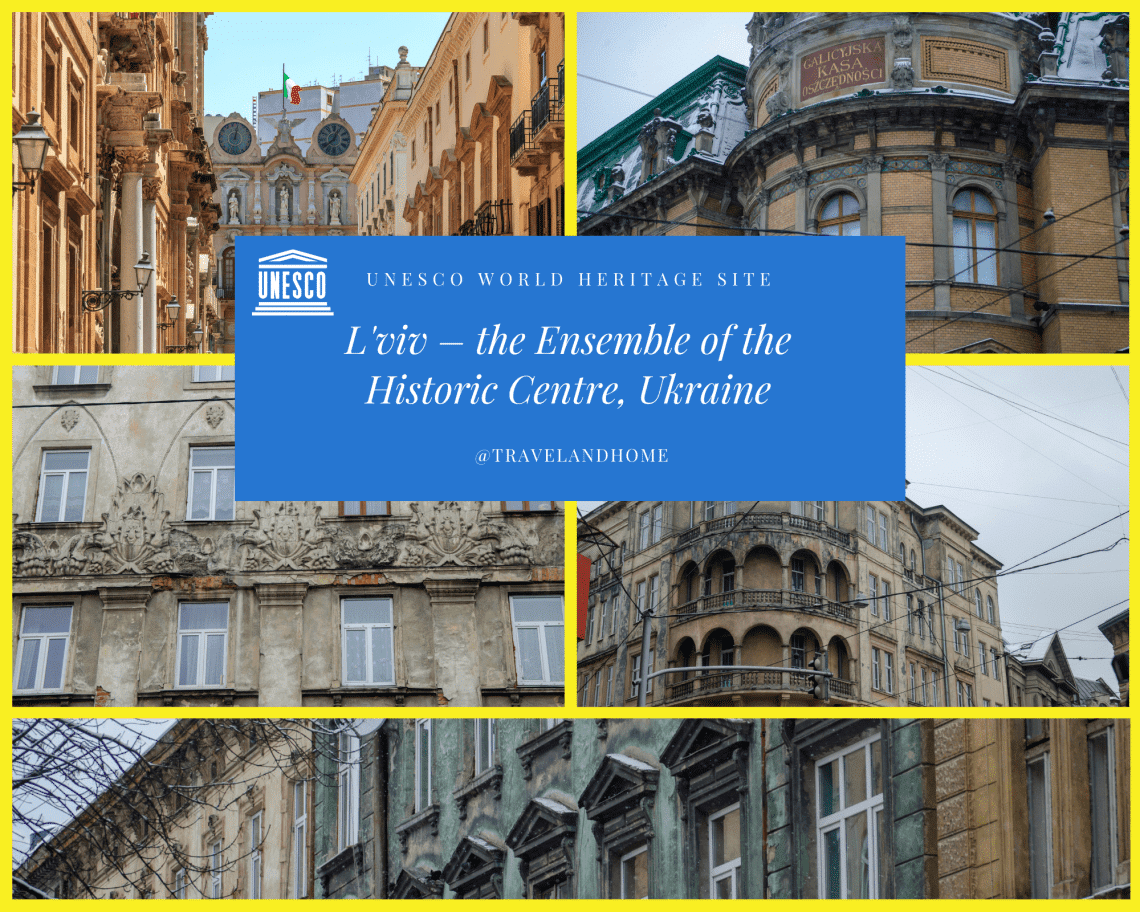
“The city of L”viv, founded in the late Middle Ages, was a flourishing administrative, religious and commercial centre for several centuries. The medieval urban topography has been preserved virtually intact (in particular, there is evidence of the different ethnic communities who lived there), along with many fine Baroque and later buildings.” – UNESCO
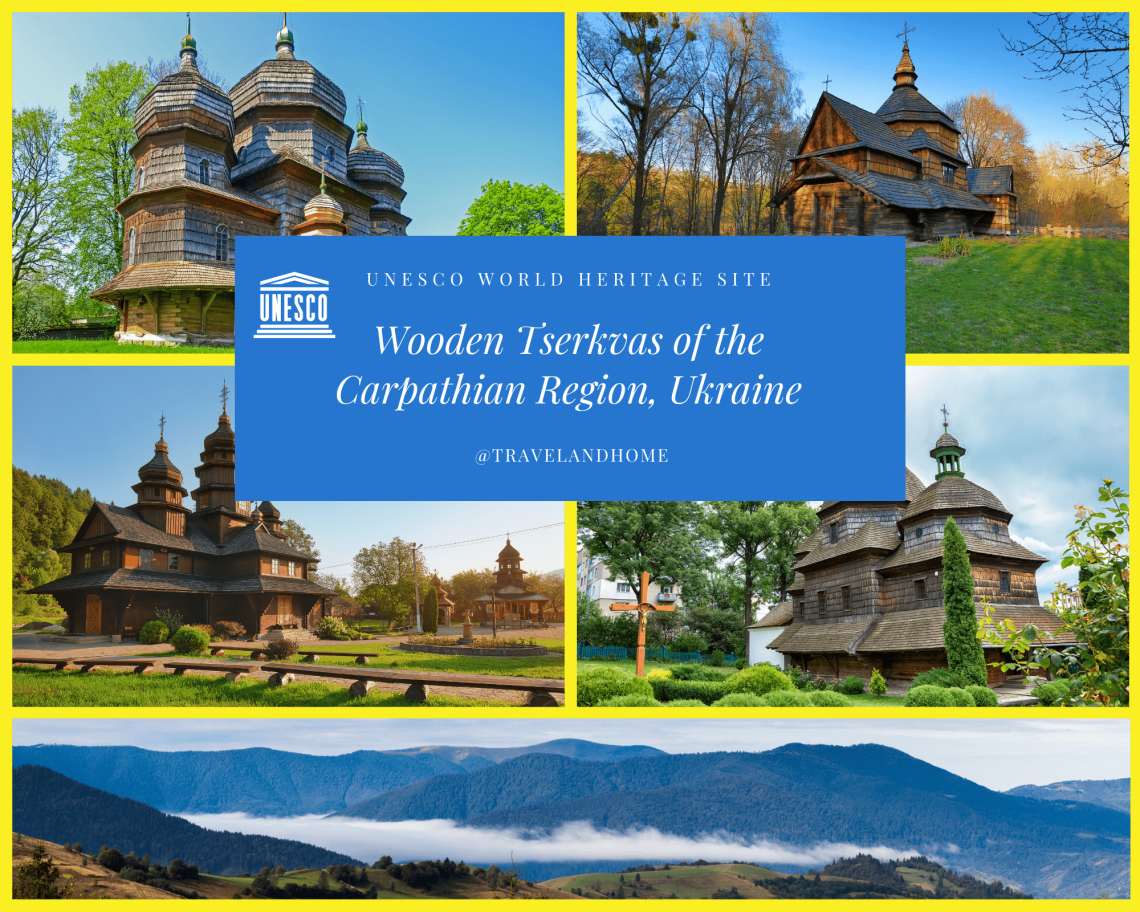
“Situated in the eastern fringe of Central Europe, the transnational property numbers a selection of sixteen tserkvas (churches). They were built of horizontal wooden logs between the 16th and 19th centuries by communities of Orthodox and Greek Catholic faiths.” – UNESCO
Ukraine’s Spectacular UNESCO World Heritage Sites include the most beautiful wooden churches. Here are a few highlights worth visiting.
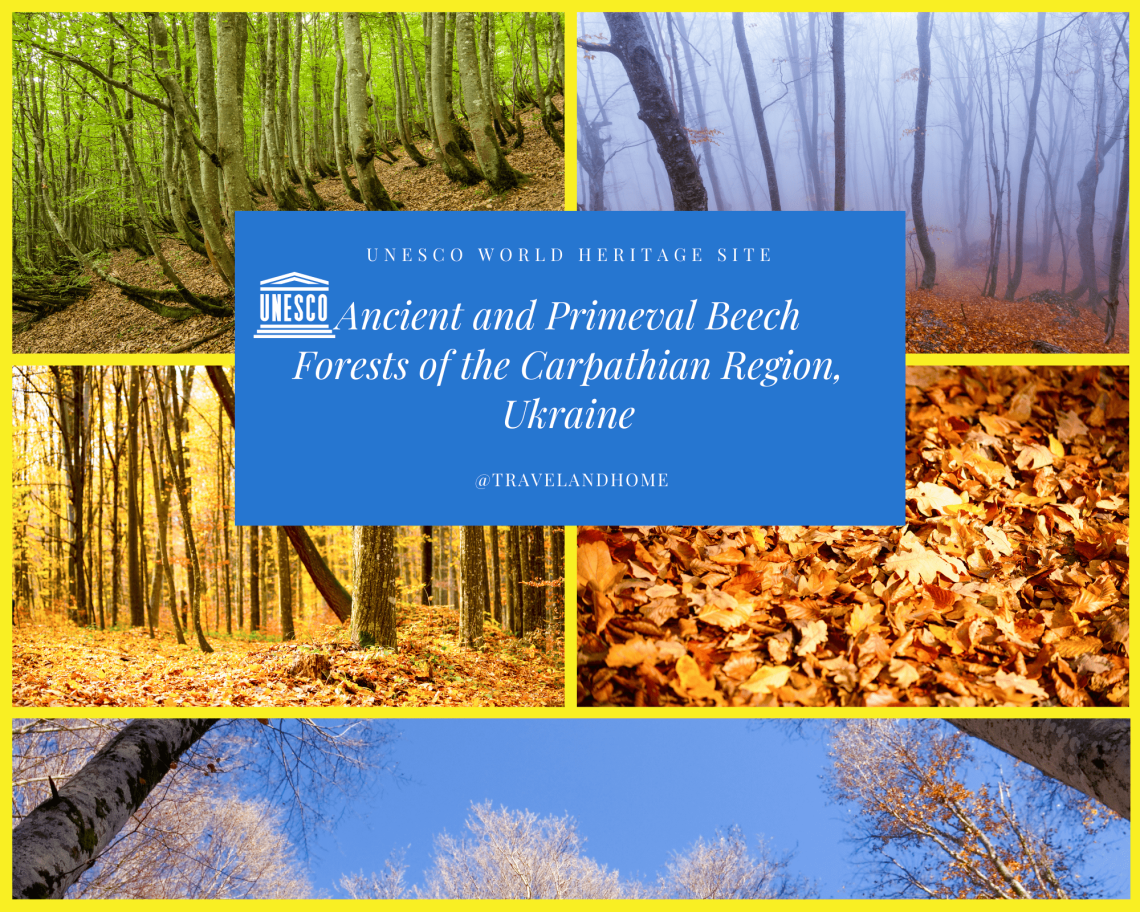
“This transnational property includes 94 component parts in 18 countries. Since the end of the last Ice Age, European Beech spread from a few isolated refuge areas in the Alps, Carpathians, Dinarides, Mediterranean and Pyrenees over a short period of a few thousand years in a process that is still ongoing.” – UNESCO
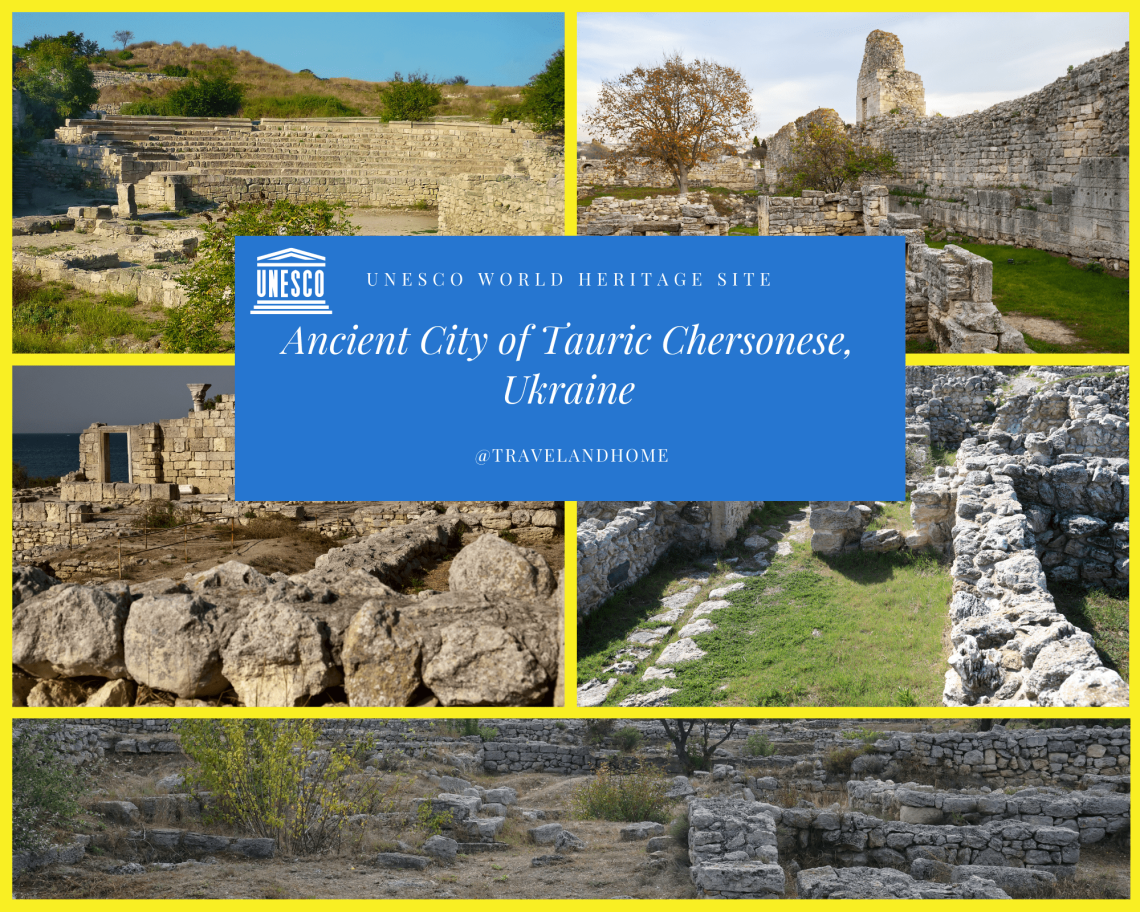
The site features the remains of a city founded by Dorian Greeks in the 5th century BC on the northern shores of the Black Sea. It encompasses six component sites with urban remains and agricultural lands divided into several hundred chora, rectangular plots of equal size. – UNESCO
Sevastopol has plenty of historical sites, such as Tauric Chersonese just outside the city. The site can be easily reached by bus or marshrutka from Sevastopol. Entrance to the site is free.
Book your accommodation in Sevastopol, the largest city in Krim.
Travel and Home Tip:
Planning a trip to Ukraine’s UNESCO World Heritage Sites comes with one essential detail: Ukraine does not use the euro. The country’s official currency is the Ukrainian hryvnia (UAH), and all local payments—from museum tickets in Kyiv to coffee in Lviv’s Old Town—are made in hryvnia.
For travelers comparing Ukraine travel costs vs. Europe, the good news is that Ukraine is generally more affordable than Western Europe, making UNESCO‑focused itineraries wonderfully budget‑friendly. Credit and debit cards are widely accepted in major cities, but carrying some cash is helpful when visiting rural tserkva villages, small markets, or remote heritage sites.
ATMs are easy to find, exchange offices offer competitive rates, and most travelers notice that daily expenses, food, transport, and entrance fees feel refreshingly gentle on the wallet. If you’re planning a multi‑country trip, remember that UAH is the only legal tender, and euros are used only for exchange or international pricing.
Before wrapping up your itinerary, make sure you have the essentials in place: how to get around, what to budget, and which regions offer the easiest access to UNESCO sites. Most travelers rely on Ukraine’s efficient trains, domestic flights, and long‑distance buses to move between Kyiv, Lviv, and the Carpathian region. Entrance fees are affordable, mobile data is cheap, and English is widely understood in major tourist areas.
For rural UNESCO sites—like the wooden tserkvas or the beech forests—check transport schedules in advance and confirm opening hours, as some locations operate seasonally or with limited access.
With a bit of planning, visiting Ukraine’s UNESCO World Heritage Sites becomes a smooth, safe, and rewarding experience for travelers who want history, architecture, and nature without unnecessary complications.
>> Search and compare tickets for trains, buses, and flights.

When visiting Ukraine, it is compulsory to have Pampushky. Pampushky are fluffy, soft Ukrainian garlic bread rolls. And if you fall in love with it, make them at home!