
E x p l o r e t h e w o r l d. B r i n g i t s b e a u t y h o m e.
Mention Transylvania to anyone in conversation, and the immediate reaction might be: “Yes Dracula’s home!”. Well, that is how we all got to hear about Transylvania, but in real life, it is a beautiful province in Romania. One you need to visit…
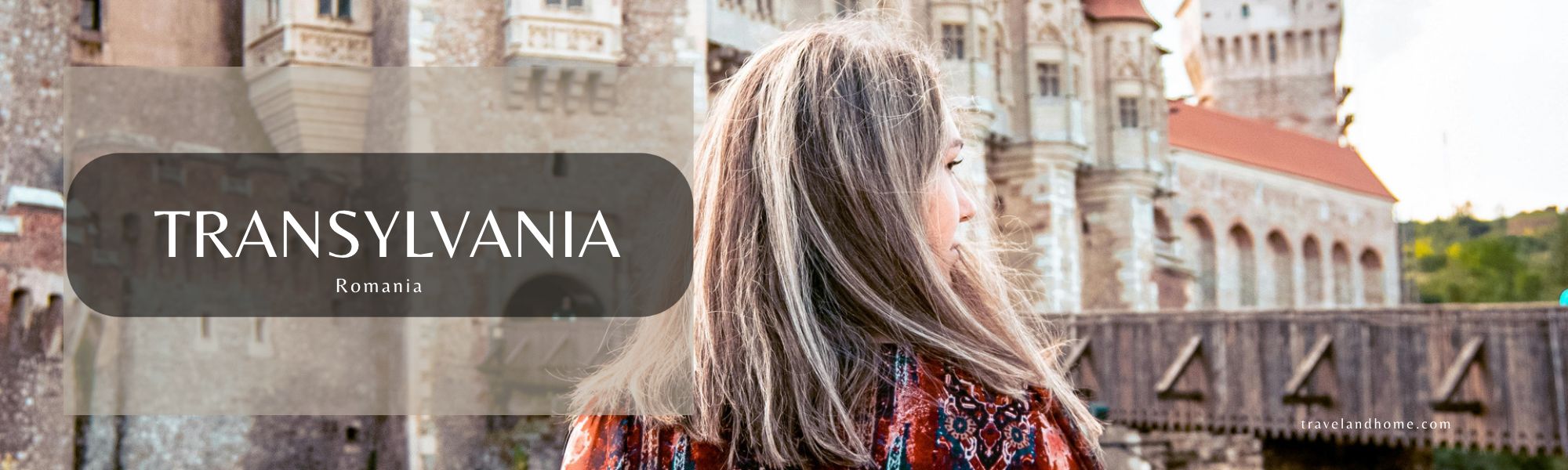
Well yes: In Transylvania, as the author of the Dracula book, Bram Stoker, suggested. Actually, the castle in Romania called “Bran Castle” is the closest to fit Bram Stoker’s description, in all of Transylvania, and that is why it is called “Dracula’s Castle”. You can visit Count Dracula’s majestic castle from the “horror novel”.
(Yes, I said “horror novel”! As a teenager, I read all the Dracula stories by Bram Stoker and watched a few film versions too. Some were so over the top that they were actually funny, so I’m not sure I would call it a horror novel myself!)
However, when visiting Bran Castle you have to appreciate also the actual real life history of the castle, not just the connection to the Dracula story. If you only go to see the “Dracula effect”, you might be very disappointed. It is a beautiful castle.
And remember, while visiting you have to stop at the pretty ‘Casa de ceai’ Restaurant located in the lovely setting of the garden under the trees.
Plan your trip to Bran Castle, but not only with Dracula in mind.
Bran Castle is nestled in the picturesque Carpathian Mountains, providing breathtaking views of the surrounding landscape.
Did You Know?
Did you know the beautiful region of Transylvania (now in Romania) previously formed part of Hungary, many years ago?
Only after World War I did it become part of beautiful Romania. But in 1940 northern Transylvania reverted back to Hungary as a result of the Second Vienna Award. However, after World War II’s end, Romania reclaimed it. Although Romanian is the main language spoken, there are about 5% of the population that speaks Hungarian. This province in Romania with its beautiful castles and landscapes is a fairytale destination.
Bran Castle is located near Bran and Brasov in Transylvania, Romania. It’s easily accessible by car or public transportation from major cities like Bucharest.
While commonly known as “Dracula’s Castle,” Bran Castle’s history is rich and diverse. It was originally built in the 14th century as a fortress to defend against Ottoman invasions. Over the centuries, it served various purposes, including as a royal residence and a military stronghold.
The castle’s architecture is a blend of medieval and Renaissance styles. Its imposing towers, thick walls, and picturesque surroundings make it a perfect example of Transylvanian architecture.
Today, Bran Castle functions as a museum showcasing art and furniture collected by Queen Marie of Romania, who lived there in the early 20th century. Visitors can explore rooms decorated in different styles, offering a glimpse into the castle’s royal past.
Bran Castle serves as an excellent base for exploring other attractions in the region. Consider taking day trips to nearby landmarks like Peles Castle, Rasnov Fortress, and the medieval town of Brasov to enhance your itinerary.
Absolutely! Bran Castle is definitely worth visiting for its fascinating history, stunning architecture, and picturesque surroundings.
The best time to visit Bran Castle is during the spring and autumn months, from April to May and September to October. During these periods, the weather is generally mild, with comfortable temperatures ideal for exploring the castle and its surroundings. Spring brings lush greenery and blooming flowers, while autumn paints the landscape in vibrant hues of red and gold, creating a picturesque backdrop for your visit. Additionally, these shoulder seasons typically see fewer crowds compared to the peak summer months, allowing for a more enjoyable and immersive experience without the long lines and congestion.
Yes, you should manage quite well in Romania, especially in the main tourist areas of Transylvania. English is commonly spoken by younger Romanians and people working in hotels, restaurants and tourism, particularly in popular destinations such as Brașov, Sibiu and Cluj-Napoca.
In smaller villages and rural guesthouses, English may be less widely spoken, but a friendly smile, a few Romanian words and a translation app will go a long way. You don’t need to speak Romanian fluently to enjoy the country.
Taking a guided tour of a Transylvanian castle can bring the experience to life in a way that exploring alone sometimes cannot. Your guide can share the fascinating stories behind the castle’s rulers, hidden passages, medieval battles and local legends, including the tales that inspired Dracula’s reputation.
You may also discover details you would otherwise walk straight past. A tour can be especially helpful if you have limited time, need transport or want to visit several sights in one day.
My tip: Choose a guided tour if you love stories and historical details, but leave yourself time afterwards to wander at your own pace, admire the architecture and take photographs.

When visiting Transylvania, make time for its beautiful castles.
They are part of the mystery, romance and fascination that make this region of Romania so appealing.
Bran Castle is the famous one, with its connection to the Dracula legend, but don’t stop there! Corvin Castle, with its dramatic towers and Gothic architecture, is another must-see.
You may also want to explore other castles and fortresses scattered across the region, each with its own stories and a glimpse into Transylvania’s fascinating past.
Romania has many castles, palaces and fortified strongholds, and Transylvania alone has enough to keep castle lovers busy for several days. Each has its own character, from dramatic Gothic towers to elegant royal residences tucked into the Carpathian Mountains.
The next one – Peleș Castle is near Sinaia, in Wallachia, not directly in Transylvania, but it is well worth including in your wider Romanian travel itinerary.
Traveling from Peleș Castle (located in Sinaia) to Bran Castle covers a road distance of about 50 km (31 miles) and takes roughly 56 minutes to 1 hour and 18 minutes by car.

I simply cannot write this article without telling you to visit Peleș Castle.
Nestled in the Carpathian Mountains near Sinaia, this Neo-Renaissance masterpiece looks like something straight out of a fairytale. It stands along a historic route connecting Transylvania and Wallachia and is one of Romania’s most beautiful castles.
You may even recognise it from A Christmas Prince! Make room for it on your Romanian itinerary — this is one castle you really don’t want to miss.
Psst: Did you watch the movie “The Book Club”? Did you know you can STAY ON THE SET OF THE BOOK CLUB MOVIE? read more…
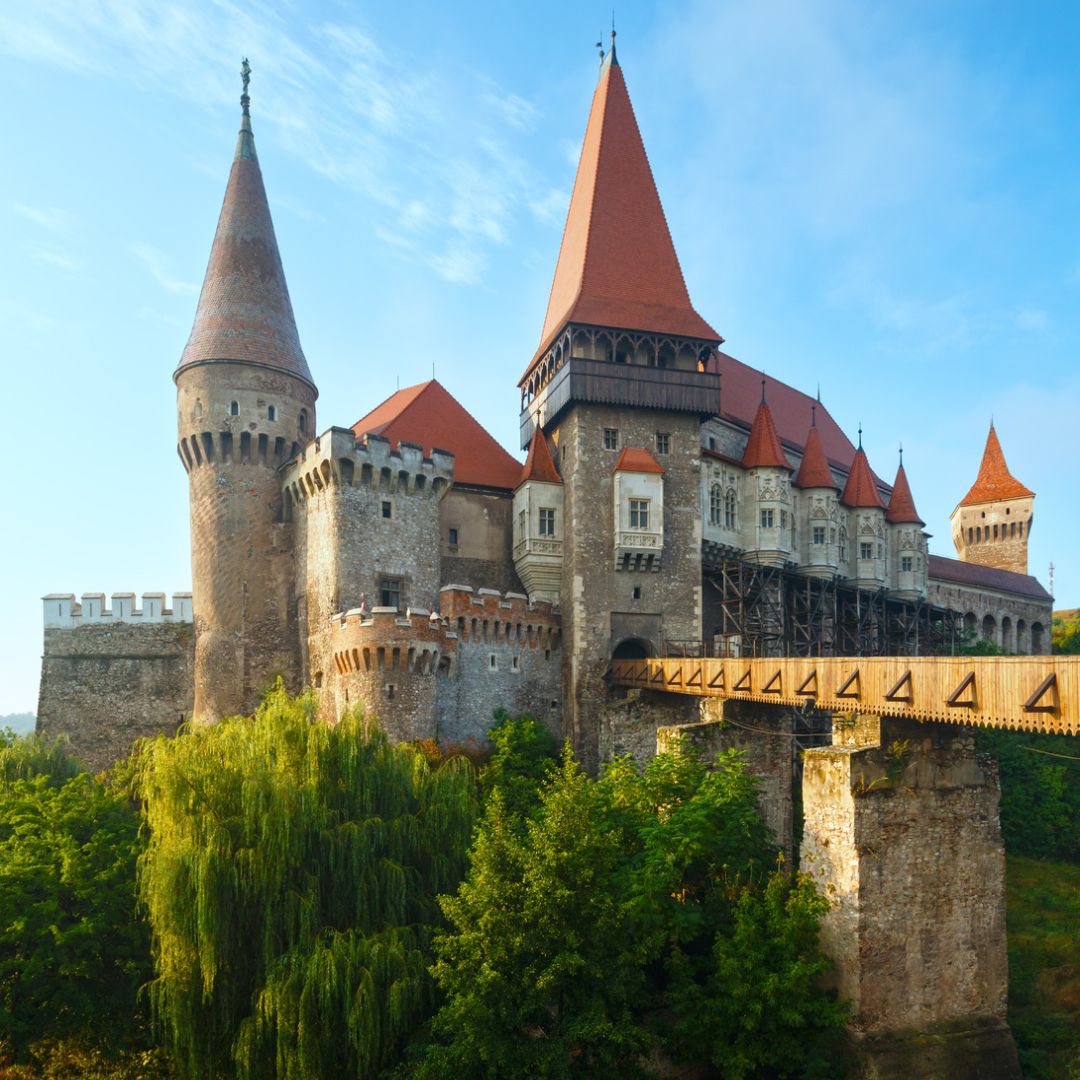
I highly recommend visiting Corvin Castle in Hunedoara, one of Romania’s most spectacular medieval castles.
With its soaring Gothic towers, stone bridge, grand halls and imposing turrets, it looks as if it belongs in a fairytale — or a vampire film! It is a wonderful stop for anyone exploring Transylvania, especially if you love dramatic architecture and the stories of medieval Europe.
Allow a few hours to explore the castle and enjoy its striking details from different viewpoints.
Travel Tip: Don’t try to squeeze all three castles into one day!
Bran Castle and Peleș Castle are relatively close to each other compared with Corvin Castle, which is farther west in Hunedoara. Visit Peleș and Bran as part of a stay around Sinaia and Brașov, then allow a separate day for Corvin Castle. Check opening days and times before setting off, as castle schedules can vary by season.
Transylvania is a historic region located in central Romania. It is bordered by the Carpathian Mountains to the east and south, with the Apuseni Mountains to the west. The region is known for its stunning landscapes, medieval towns, and rich cultural heritage. Major cities in Transylvania include Brasov, Cluj-Napoca, Sibiu, and Timisoara.
In our opinion the best time to visit Transylvania will all depend on the reason for your visit. If you’re looking for some ski-slope action you should visit from January to the beginning of March. But to us, springtime and summer are the most beautiful time of the year (anywhere from May and June to August). It is the best time for sightseeing and appreciating the beautiful views, however, autumn is just as beautiful…
If you’re planning a road trip through Romania, make time for the picturesque Cheile Bicazului (Bicaz Gorge) driving route. This spectacular mountain road winds between towering limestone cliffs, with dramatic rock faces rising on either side and beautiful Carpathian scenery along the way. Drive slowly, stop at safe viewpoints to take photos, and allow extra time to enjoy the journey. It’s one of those routes where the drive itself becomes a highlight of your holiday.

The nearest airport to Transylvania is Târgu Mureș Transilvania International Airport (TGM), but the best airport for your trip depends on which part of the region you plan to explore:
Cluj-Napoca International Airport (CLJ): A practical choice for exploring western and northern Transylvania.
Sibiu International Airport (SBZ): Ideal for visiting Sibiu, Alba Iulia and the beautiful countryside of southern Transylvania.
Brașov-Ghimbav International Airport (GHV): Convenient for Brașov, Bran Castle and the surrounding Carpathian Mountains.
Târgu Mureș Airport (TGM): Particularly useful for visiting Sighișoara and the central Transylvanian countryside.
TRAVEL TIP: If you plan to visit Bran Castle, Corvin Castle and Peleș Castle on one Romanian road trip, consider hiring a car and planning overnight stops along the way. The castles are spread across different areas, so you will enjoy the journey much more without rushing.
With the natural beauty of Romania as a country, you have a huge variety of beautiful accommodation options in Transylvania. Let’s look at accommodation options near Peles Castle:

Set in Sinaia, 2.3 mi from George Enescu Memorial House, Uphill Residence features views of the mountain. Among the various facilities are ski-to-door access, free bikes, as well as a garden. Valea Dorului Ski Chairlift is 5 mi from the guest house and Pelisor Castle is 1804 feet away. They offer an airport shuttle service.

Complex La Tunuri – Vila Economat is the former Royal Guard Office of Peles Castle, located on the Royal Domain directly opposite the castle and just 328 feet from Pelisor Castle. Sinaia Monastery is 1640 feet away. Book a room with a balcony that has a view of the castle.

Why we recommend:
An 8-minute walk from Bran Castle in Bran, Zara Chalet provides accommodations with access to spa facilities and wellness packages. With garden views, this accommodation features a balcony.
Dino Parc is 8.3 miles from the accommodation, while Council Square is 18 miles from the property. The nearest airport is Sibiu International, 87 miles from Zara Chalet, and the property offers a paid airport shuttle service.
Brașov is one of Transylvania’s most charming towns, known for its medieval Saxon walls and bastions, and the impressive Gothic-style Black Church.
In the old town, stroll around Piața Sfatului (Council Square), where colourful historic buildings create a lovely setting for a coffee stop, and visit Casa Sfatului, the former town hall that now houses a local history museum.
Visit in December to enjoy the festive atmosphere of Brașov’s Christmas market, with seasonal treats, sparkling lights and the surrounding Carpathian Mountains adding to the magic.


Set along the Mureș River, Târgu Mureș is an attractive city in central Transylvania, known for its elegant architecture, lively squares and inviting cafés. Visit the impressive Palace of Culture, admire the colourful Art Nouveau details of the city centre, and take a relaxed stroll through its streets to discover its character.
Sighișoara is one of Transylvania’s most enchanting towns, famous for its beautifully preserved, walled medieval old town, a UNESCO World Heritage Site.
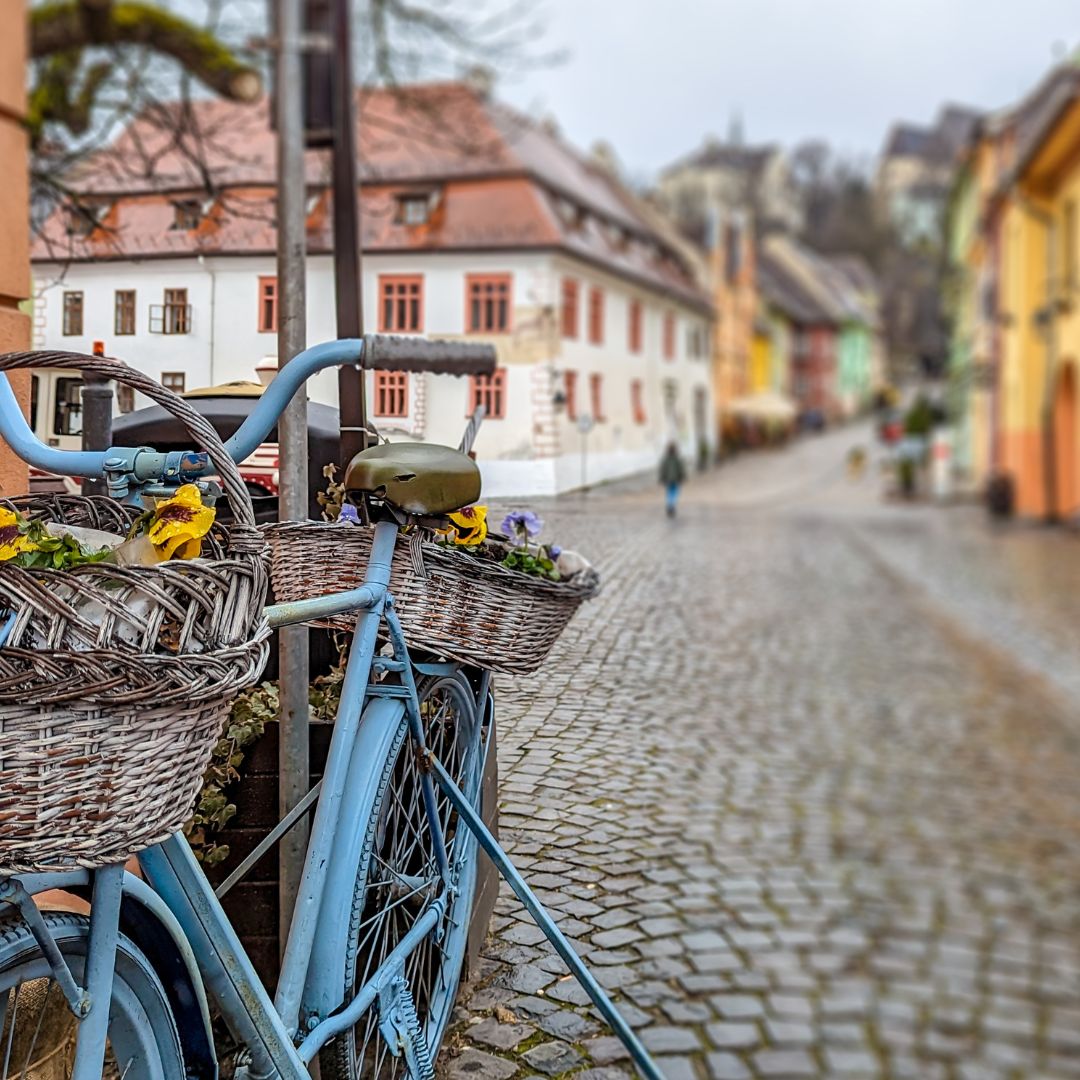
Wander along cobbled streets lined with colourful houses, discover ancient towers and admire the iconic Clock Tower overlooking the rooftops.
It’s a lovely place to spend a few hours exploring on foot, stopping for a coffee and enjoying the fairytale atmosphere of one of Romania’s most picturesque historic towns.
Often considered the unofficial capital of Transylvania, Cluj-Napoca is a lively university city known for its vibrant nightlife, music festivals and energetic café scene. Start your visit at Piața Unirii (Union Square), the heart of the city, where you can admire the impressive Gothic architecture of St. Michael’s Church. It’s a great place to enjoy a mix of historic sights, modern city life, local restaurants and lively evenings during your Transylvanian travels.
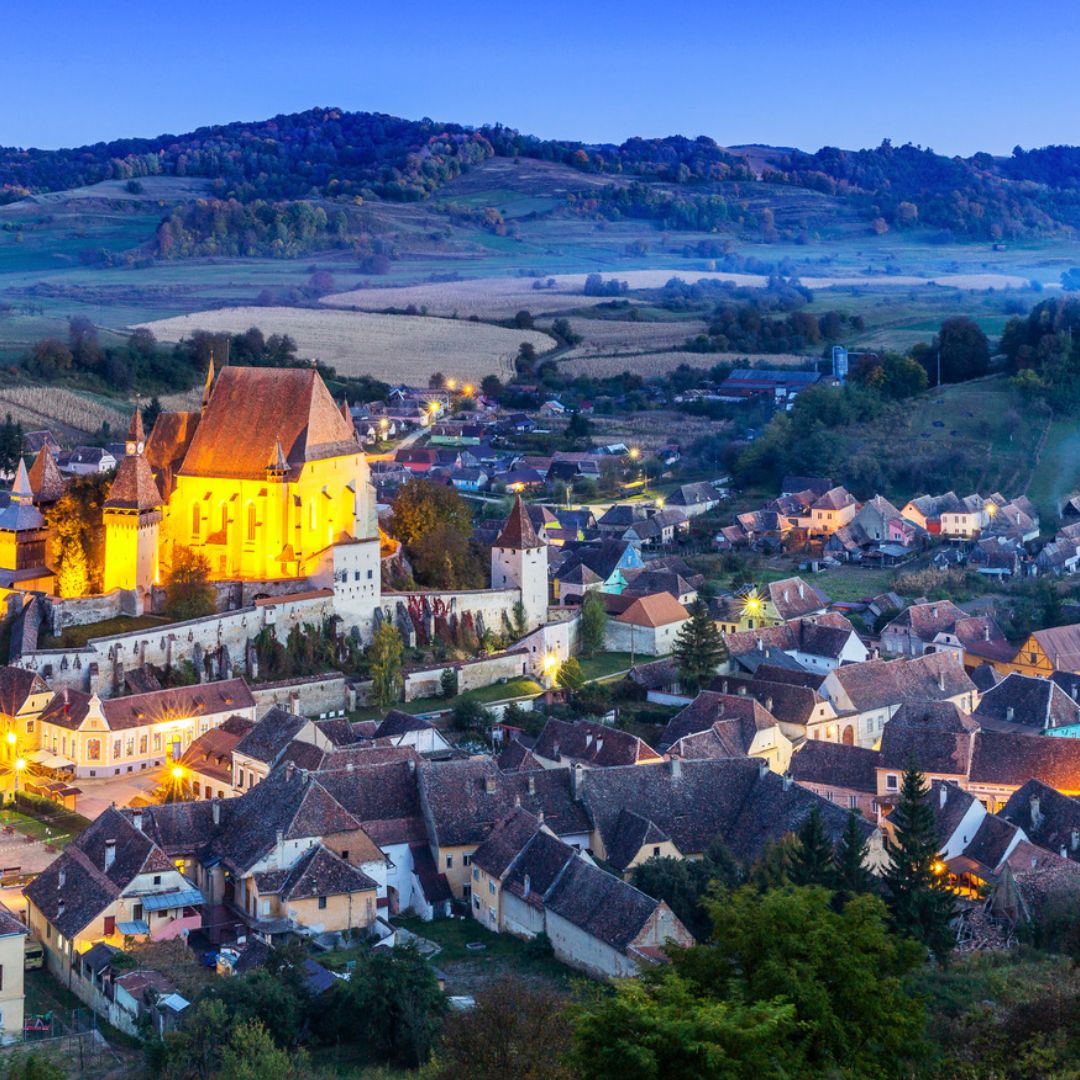
The picturesque village of Biertan, also known by its German name, Birthälm, is one of Transylvania’s most memorable countryside destinations.
Its main attraction is the magnificent fortified church, a UNESCO World Heritage Site, surrounded by defensive walls and towers that overlook the village.
Take your time wandering through the peaceful streets, admiring the traditional houses and capturing photographs of the church against the rolling Transylvanian countryside.
If you enjoy charming villages and beautiful scenery, Biertan deserves a place on your itinerary.
Located about 29 km south of Brașov (close to Bran Castle), Moieciu is a beautiful countryside area made up of six villages: Cheia, Drumul Carului, Măgura, Moieciu de Jos, Moieciu de Sus and Peștera.
Here, the scenery changes to green meadows, traditional houses, rolling hills and wonderful views of the Carpathian Mountains. It’s an ideal place to slow down, enjoy the fresh mountain air and stay in a cosy guesthouse or rural retreat.
Each village has its own appeal, so explore your accommodation options to find a lovely base for your Transylvanian countryside escape.

When visiting Transylvania, be sure to try “sarmale,” a delicious local specialty.
Sarmale consists of cabbage leaves stuffed with a flavorful mixture of ground meat (usually pork), rice, onions, and spices, cooked slowly until tender. It’s often served with sour cream and a side of polenta, creating a hearty and satisfying meal that’s bursting with traditional Romanian flavors.
This dish is a beloved staple in Romanian cuisine and is sure to delight your taste buds with its rich and comforting taste. Don’t miss the chance to savor this iconic Transylvanian delicacy during your visit!
Wander through charming towns like Brașov and Sibiu, where cobbled streets, colourful façades and inviting cafés make exploring a pleasure.
Venture into the beautiful Carpathian Mountains for scenic drives and mountain walks, or settle down at a local tavern to savour Romanian favourites such as sarmale (cabbage rolls) and hearty traditional stews.
Make time for the smaller villages too, where traditional homes, rolling countryside and welcoming guesthouses offer a glimpse of everyday life. Transylvania may be famous for Dracula legends and mysterious castles, but its real magic lies in the beautiful places, delicious food and memorable moments you discover along the way.
For more beautiful travel destinations, visit our blog.