


We couldn’t find anything for that search. But we’d love to know what you’re looking for — feel free to drop a comment on any post and tell us what you’d like to see next.
Whether you’re an adventure seeker, a nature lover, a history buff, or simply looking for a place to unwind, Tenerife (the largest of the Canary Islands) has something to offer for your holiday adventure.
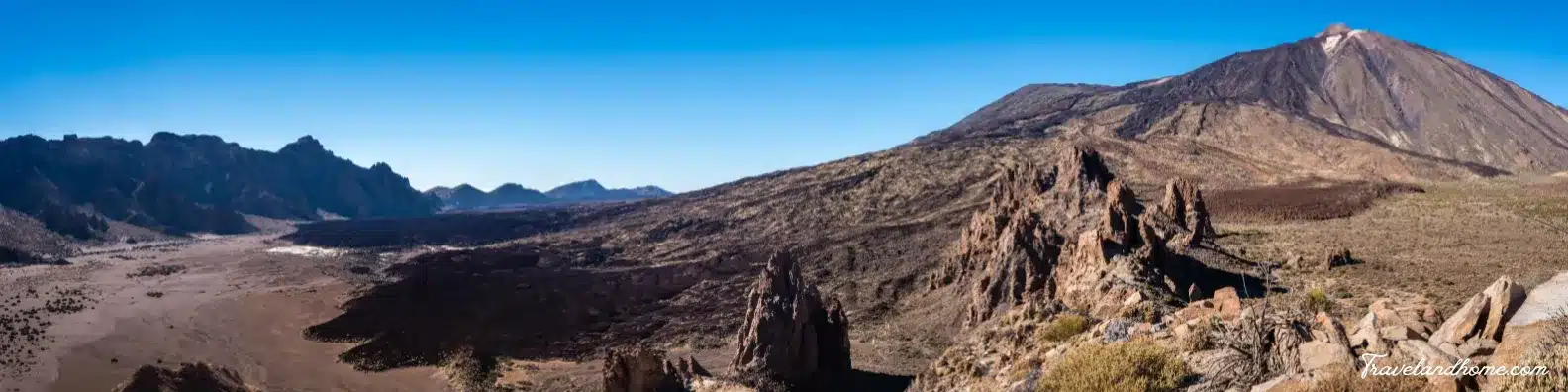
In the language of the island’s original Guanche inhabitants, the name Tenerife translates to “Snowy Mountain”—a nod to its most iconic landmark, Mount Teide. This dormant volcano, crowned with snow in winter, rises as Spain’s highest peak and defines the island’s dramatic silhouette.

The island caters to every style — luxury resorts, quiet villages, lively nightlife, nature escapes. You can sunbathe, hike Teide, explore historic towns, and eat fresh seafood all in the same day. It’s a very “choose your own adventure” island.
Tenerife’s climate is famously stable, with warm temperatures even in winter.
🕮 Suggested Read: Weather in Tenerife, Santa Cruz De Tenerife, Spain.

⭐ Did You Know?
Tenerife’s beaches are mostly lined with dark sand, but many have undergone a facelift, with white sand imported from the Sahara Desert.
Held each February or March, the Carnival of Santa Cruz de Tenerife ranks among Europe’s largest and most spectacular celebrations. This vibrant street festival bursts with extravagant costumes, glittering parades, and infectious Latin American rhythms—often compared to the legendary Carnival of Rio de Janeiro.
Once suppressed under the Franco regime for its playful irreverence, the celebration now unfolds with full exuberance. Festivities begin with the election of the Carnival Queen and build toward a grand procession on Shrove Tuesday. The revelry concludes on Ash Wednesday with the quirky and much‑loved “funeral” of a giant mock sardine, marking the symbolic end of the season.
Barranco del Infierno, translating to “Hell’s Ravine,” is a natural gorge located in Adeje.
It’s a protected nature reserve with a guided hiking trail leading to a waterfall and beautiful surrounding landscapes.
Particularly fascinating is the Museo de la Naturaleza y el Hombre—the Museum of Nature and Man—housed in the historic Palacio Insular. Here, Guanche mummies peer out from their glass cases, offering a rare glimpse into the island’s ancient past. The museum also displays the cannon said to have blown off Admiral Nelson’s arm during his failed assault on Santa Cruz in the late 18th century.
In the morning, visit the Mercado de Nuestra Señora de África, which blends the feel of a traditional bazaar with a bustling food market. Outside, vendors sell everyday household goods, while the inner halls brim with an eclectic mix of live chickens, fragrant spices, and vibrant cut flowers.
⭐ Did You Know?
The Auditorio de Tenerife, an iconic modern architectural masterpiece, is a prominent landmark in the city.
🏰 A UNESCO Treasure
Tenerife stands out as the most diverse destination in the Canary Islands, offering an unmatched variety of holiday experiences. But the province of Santa Cruz de Tenerife also encompasses three lesser-known gems—La Palma, La Gomera, and El Hierro. These tranquil, green islands remain largely untouched by mass tourism, with no sprawling resorts or crowded beaches.
More travelers are beginning to seek out their serene landscapes, drawn by lush forests, dramatic mountain scenery, and rich biodiversity. If you’re passionate about hiking, nature, and peaceful escapes, these islands offer a refreshing alternative. Each one features welcoming accommodations, including charming paradors, though you’ll find fewer sandy shores and minimal organized entertainment compared to Gran Canaria or the eastern islands.
Tipping practices can vary from country to country, but in Spain, including Tenerife, tipping at restaurants and bars is generally appreciated, although it’s not always mandatory.
In restaurants, it’s common to leave a tip, especially if you received good service. A customary practice is to leave around 5-10% of the total bill as a tip. Some people might round up the bill or leave a bit more for exceptional service. Many restaurants will include a service charge in the bill, so it’s a good idea to check before adding an additional tip.
When ordering drinks at bars and cafés, leaving small change or rounding up the bill is appreciated. For instance, if your bill is €4.50, rounding it up to €5 is a common practice.
In fast-food or self-service places, tipping is not as common. However, leaving a small coin or change in the tip jar if you’ve received good service is a nice gesture.
If you’ve taken guided tours or used taxi services, it’s common to round up the fare or leave a small tip to show appreciation for their service.
Tipping hotel staff like bellhops, housekeeping, and concierge is not obligatory, but leaving a few euros for good service is a kind gesture.
From experience, the answer is, “Yes, absolutely!” Unless, of course, you take an organized coach trip. Tenerife’s unique landscape and numerous attractions make having a car a practical and convenient choice. Have a look at the advantages of having your own transport…
Having a car allows you to create your own schedule and explore at your own pace. You can easily visit multiple attractions in a single day without being tied to public transport schedules.
Tenerife boasts hidden gems and stunning natural sites that might not be easily accessible via public transport. Having a car enables you to reach remote locations and picturesque viewpoints that might not be covered by regular bus routes.
The island offers breathtaking drives through picturesque coastal roads, mountain routes, and scenic viewpoints. Renting a car allows you to enjoy these drives and make impromptu stops to capture the beauty of the surroundings.
With a car, you can optimize your time by directly reaching your desired destinations without waiting for buses or connecting routes, especially when visiting multiple sites in one day.
Tenerife is home to diverse natural attractions such as national parks, volcanic landscapes, and beaches. Having a car enables you to easily access these sites, making your exploration more convenient and rewarding.
With a car, you can visit popular attractions during off-peak hours, avoiding crowds and enhancing your overall experience.
Having a car allows you to explore local villages, markets, and eateries that might not be accessible via public transport. This enables a more immersive cultural experience.


🕮 Suggested Read: Want to cut down on travel expenses and spend your hard‑earned money on experiences instead? Check out our 40+ travel tips — including the simple tricks that can save you serious money on car hire.

