
History often hides in the smallest architectural details, and few stories reveal this better than the taxing tales behind ancient windows across the United Kingdom. At St Laurence’s Church in Bradford on Avon, these bricked‑up openings whisper of a time when daylight itself came at a cost.
This guide unpacks the origins of the Window Tax, the clever ways people adapted, and how these quiet traces still shape the character of historic buildings today.
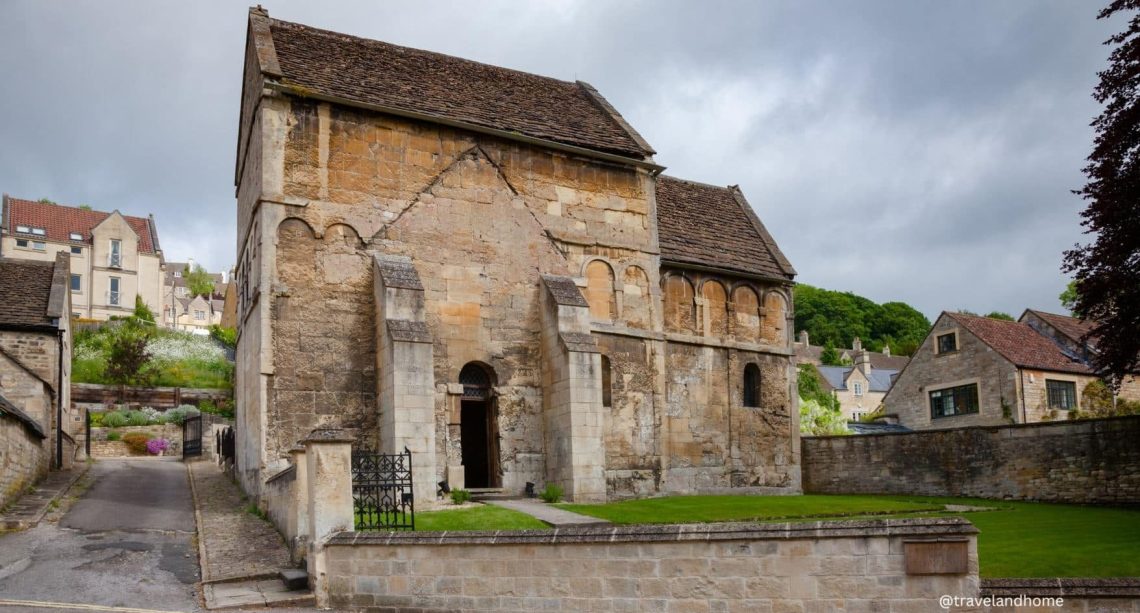
Stepping into St Laurence Church feels like crossing a threshold into another century. This remarkable place of worship, rooted in the Saxon period, is one of the oldest surviving churches in the region — a living chapter in the taxing tales that shaped Britain’s architectural past. Its ancient stones carry an air of mystery and quiet grandeur, inviting you to slow down and take it all in.
Pause for a moment to study the intricate Saxon carvings that line the walls, each one offering a glimpse into the craftsmanship and devotion of centuries long gone. Look closely and you may notice the stone relief of St Laurence himself, the church’s patron saint, carved with enduring care. Details like these deepen the story, adding yet another layer to the taxing tales hidden within this extraordinary building.
As you wander through the church, you’ll notice a captivating blend of architectural styles. From the Norman influences to the elegant Early English Gothic tower that reaches towards the sky, every corner reveals a different facet of its long history. Marvel at the striking Perpendicular Gothic additions that grace the nave and chancel, with their intricate details and breathtaking stained glass windows.
Make sure not to miss the magnificent Jesse Window, a true masterpiece of 15th-century stained glass artistry. Its vibrant hues and intricate designs depict the lineage of Jesus Christ, taking you on a visual journey through the generations.
Don’t forget to crane your neck and gaze up at the awe-inspiring bell tower. Standing tall at 147 feet, it’s a testament to the skill and vision of the medieval builders. Close your eyes, and you can almost hear the resonant melodies emanating from the eight bells that call the faithful to worship.
While exploring the church, take a leisurely stroll through the historic graveyard surrounding it. Pause to read the weathered tombstones and absorb the stories of generations past, leaving you with a sense of connection to those who came before.
St Laurence Church is not just a relic of the past—it’s a living, breathing part of the community. Feel the warmth of the local congregation as they gather for worship and participate in the rich cultural and social events hosted within these hallowed walls.
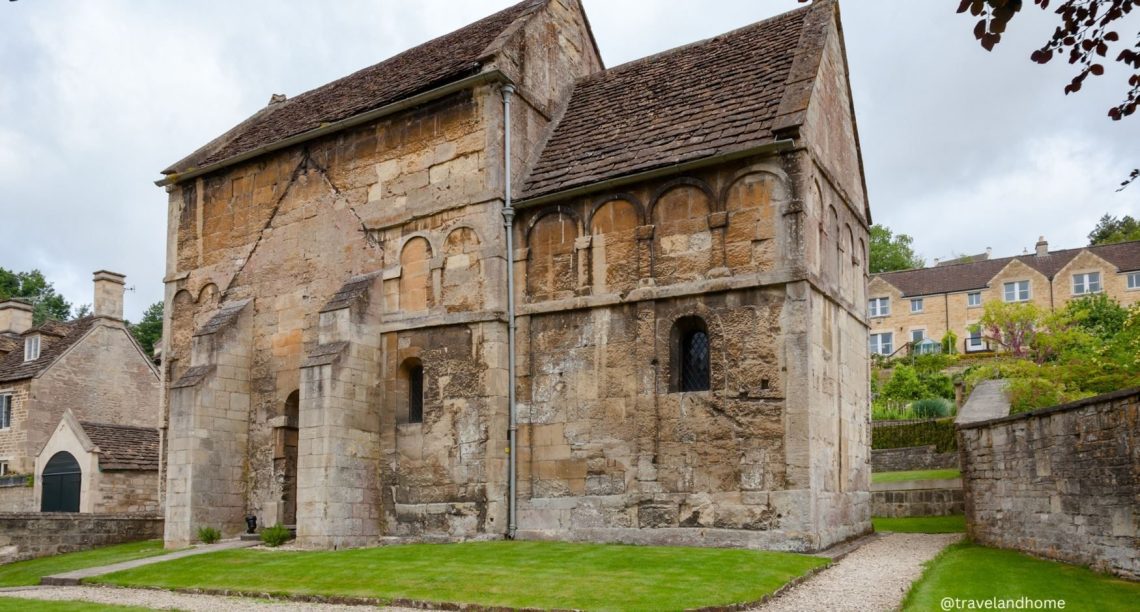
The Window Tax stands as one of Britain’s most memorable taxing tales, shaping the architecture of England, Scotland, and Wales for more than a century. First introduced in 1696 during the reign of King William III and Queen Mary II, the tax was created by Parliament as a straightforward way to raise government revenue. Many believe this era gave rise to the phrase “daylight robbery,” a reflection of how unfairly people felt the tax intruded on their daily lives — quite literally charging them for the light that entered their homes.
Over time, the tax was adjusted and expanded by successive monarchs and governments, remaining in force until its repeal in 1851 under Queen Victoria. Its long lifespan left a visible legacy across the UK, with bricked‑up windows and altered facades still telling these taxing tales centuries later.
Although the Window Tax was specific to England, Scotland, and Wales, similar ideas appeared elsewhere in Europe. France, for instance, imposed la taxe des portes et fenêtres — a tax on doors and windows introduced under King Louis XIV and lasting into the early 20th century. Other countries experimented with their own versions of window or light taxes, often as a way to generate revenue or regulate how buildings used natural light.
Across the continent, these policies created a patchwork of architectural quirks, each one adding to the broader collection of taxing tales that reveal how deeply taxation once shaped the very walls people lived within.
🕮 Suggested Read: For a deeper look at how the Window Tax shaped architecture across Britain, explore this excellent overview from the UK Parliament.
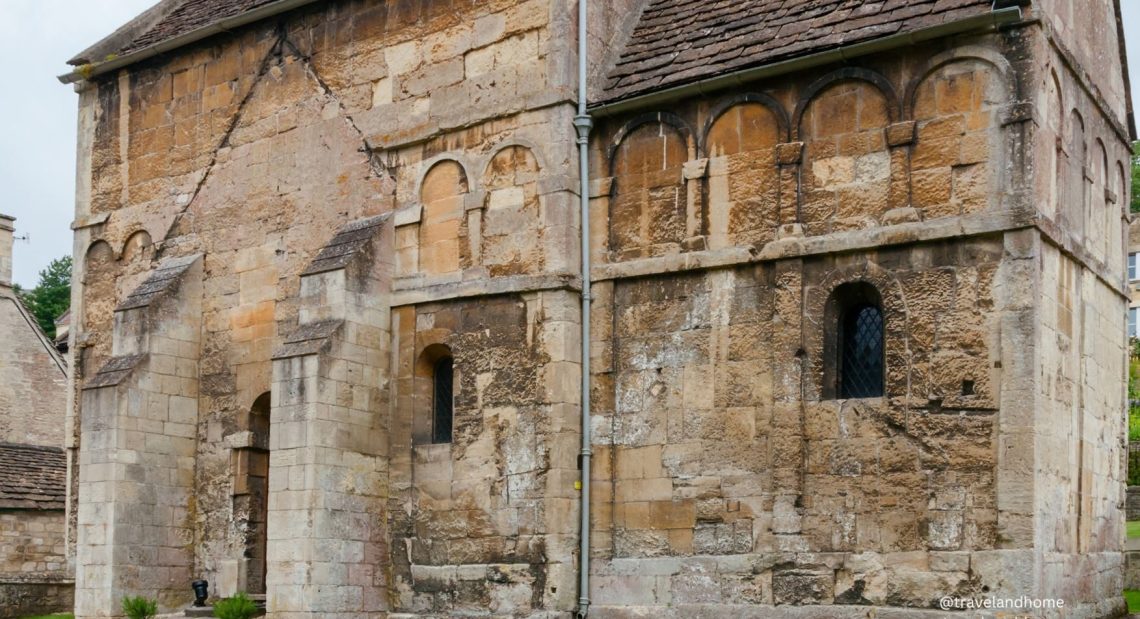
As you explore St Laurence Church, keep an eye out for one of its most intriguing architectural clues — the bricked‑up windows that quietly reveal the taxing tales of the past. When the Window Tax was in force, property owners across Britain looked for clever ways to reduce their tax burden. Churches, cottages, and grand homes alike sometimes chose to brick up or partially block their windows to avoid paying for the light that streamed through them.
With its centuries‑long history, St Laurence Church may well have undergone similar alterations. These subtle changes are more than structural quirks; they are physical reminders of the Window Tax and the unexpected ways it shaped both architecture and society. Standing before them, you can almost sense the ingenuity of those who found creative solutions to navigate the tax system.
These bricked‑up windows offer a rare glimpse into the practical challenges faced by people of that era, adding depth and intrigue to your visit. They form a tangible link to the taxing tales that once influenced daily life, reminding us how even the simplest design choices carried financial consequences.
So as you wander through the church, pause for a closer look at the windows. You may spot remnants that whisper stories of a bygone world — the kind of quiet, compelling details that bring history to life and make St Laurence Church such a fascinating place to explore.

TUI – Fabulous Vacation Packages from the UK to…
Travel Tip –
A UNESCO Treasure
If you’re already exploring Bradford on Avon, you’re just a short hop from one of England’s most beautiful UNESCO‑listed cities. Bath is close enough to pair with St Laurence’s Church for a full and unforgettable day out — from Roman baths and rooftop spas to riverside walks and elegant Georgian streets. For ideas on what to see and do, take a look at our guide to unforgettable things to do in Bath, filled with highlights, hidden gems, and easy ways to make the most of your visit.
The remnants of the Window Tax may seem subtle, but once you know what to look for, these taxing tales transform ordinary buildings into storytellers. Each bricked‑up window becomes a reminder of ingenuity, resilience, and the unexpected ways history leaves its mark on everyday life. As you explore places like St Laurence’s Church, you’re not just seeing architecture — you’re witnessing the echoes of centuries‑old decisions that shaped the world we walk through today.
Travel Tip –
As you step back outside St Laurence’s Church, it’s worth remembering that Bradford on Avon itself is every bit as captivating as the history etched into its walls. Since you’re already here, why not make the most of your visit and wander deeper into this charming riverside town? From medieval bridges to independent shops and scenic walking routes, Bradford on Avon is full of quiet surprises. If you’re looking for inspiration on what to explore next, take a look at Tripadvisor’s top‑rated things to do in Bradford on Avon — a curated list that makes planning the rest of your day wonderfully easy.
Chat ╰┈➤ Have you spotted bricked‑up windows or other quirky architectural clues on your travels? Share your discoveries or thoughts in the comments — your stories help bring these taxing tales to life.