
South Africa’s five national symbols are more than emblems on paper — they are living, breathing encounters waiting for you out in the wild. Like seeking out the Big Five, discovering the King Protea, Blue Crane, Yellowwood, Galjoen, and Springbok becomes a journey of landscapes, seasons, and quiet moments that stay with you long after you’ve returned home.
Each symbol reveals a different layer of the Rainbow Nation: the fynbos slopes where the Protea opens its pink crown to the morning light, the open plains where Springboks leap like sparks across the horizon, the coastal towns where Galjoen stories are passed down from one generation to the next, the forests where Yellowwoods rise like ancient guardians, and the grasslands where Blue Cranes dance in pairs.
This guide is your invitation to experience them in real life — to stand where they grow, roam, feed, fly, and flourish — and to feel South Africa through the icons that define its spirit.
Something unusual about this plant is that it gets its water from the fog. Moisture collects on the leaves’ surface. Subsequently, the leaves absorb the moisture.
This beauty is not just a feast for your eyes but also a feast to sunbirds, sugarbirds, honeybees, monkey beetles, rove beetles, and scarab beetles for its nectar. In return, they are responsible for the pollination of the King Protea. Its seeds are also a favorite of many birds and mammals.
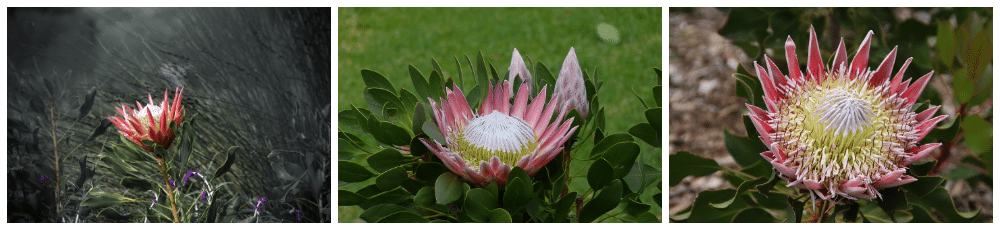
The King Protea, also the national cricket team’s nickname (“Proteas”), is the ultimate portrayal of endurance. Wildfires often ravage through fields, yet this indigenous plant survives time after time. Thanks to its underground stem filled with dormant buds, the plant sprouts shortly after a fire. It will survive up to 15 years through similar conditions.
Best places
Seeing a King Protea in bloom is one thing. Photographing it well is another. During my travels, I’ve found that a little planning makes all the difference. The flower’s enormous bloom, delicate textures, and rich pink tones deserve more than a quick snapshot. If you enjoy photography, these tips will help you come home with images you’ll be proud to share.
King Proteas generally bloom from late winter into spring (July to October), although flowering times can vary slightly depending on rainfall and altitude.
If your goal is to see hillsides dotted with blooms, plan your visit during this period. Many botanical gardens and mountain reserves are at their most colorful, making this one of the most rewarding seasons for nature lovers.
Light can completely change the mood of a photograph.
I recommend visiting early in the morning when the sunlight is soft and warm. The petals glow beautifully, shadows remain gentle, and there are usually fewer visitors around.
Late afternoon, often called the “golden hour,” also creates wonderful conditions. The lower sun adds warmth and depth without the harsh contrasts that midday light often produces.
If you arrive around noon, don’t worry. Simply look for blooms growing in partial shade or use an overcast day to your advantage, as the clouds create soft, even lighting.
You don’t need expensive equipment to photograph a King Protea.
A smartphone with portrait mode can produce beautiful close-up images. If you’re using a camera, consider these options:
If you’re hiking, one versatile zoom lens is often all you need.
Instead of photographing every bloom from directly above, try changing your perspective.
Walk around the flower and photograph it from the side. Kneel down for a lower angle. Include the mountains, fynbos, or dramatic South African scenery in the background to tell more of the story.
Leave some space around the flower rather than filling the entire frame. This often creates a more balanced image and highlights the King Protea in its natural environment.
The King Protea is a protected symbol of South Africa and an important part of the country’s unique fynbos ecosystem.
Please avoid picking flowers, stepping into sensitive vegetation, or moving plants for a better angle. Stay on marked paths whenever possible and enjoy photographing the blooms exactly as nature intended.
The best photographs often come from patience rather than disturbance. Take your time, wait for the light to change, and you’ll usually be rewarded with a far more memorable image.
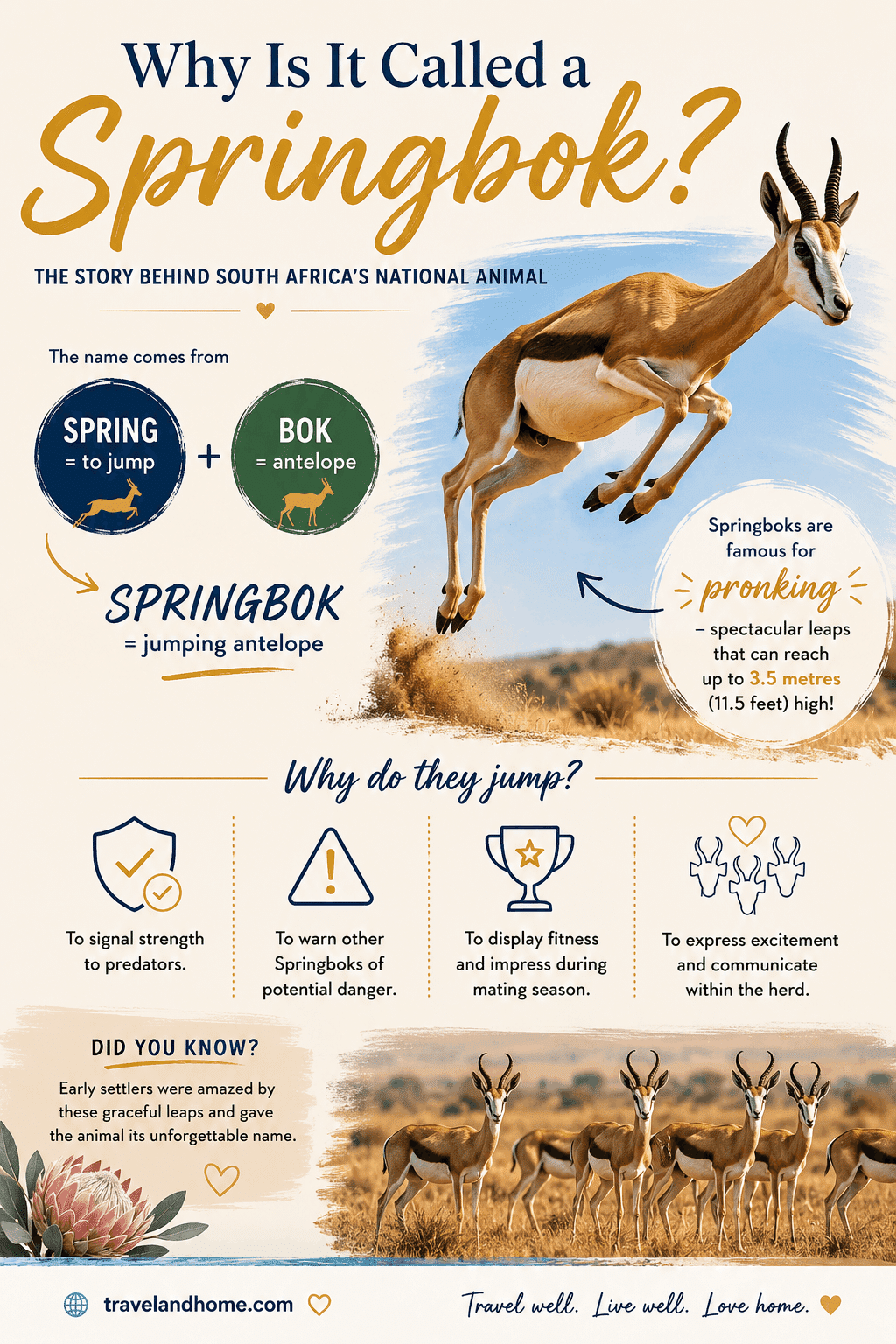
If you’re fortunate enough to see a herd of Springboks in the wild, don’t be surprised if one suddenly launches into the air as though bouncing on invisible springs. The first time I witnessed this, it looked almost unreal. It’s easy to understand why early settlers chose the name “Springbok.” Watching one leap effortlessly across the African plains is an unforgettable sight and one of those moments that makes a safari so special.
Fun fact: The name Springbok comes from the Afrikaans (and earlier Dutch) words:
So, Springbok literally means “jumping antelope.”
The name refers to the animal’s remarkable behavior known as pronking (also called stotting). When excited, startled, or trying to impress others, a Springbok repeatedly leaps high into the air with all four legs held stiffly beneath its body. These jumps can reach around 2–3.5 meters (6.5–11.5 feet) high and often occur in a series of graceful bounds. This jump is not only an act of pleasure but a signal to predators that they are not worth pursuing!
You are most likely to spot them around dawn and dusk.
South Africa’s national rugby team is named after the Springboks.
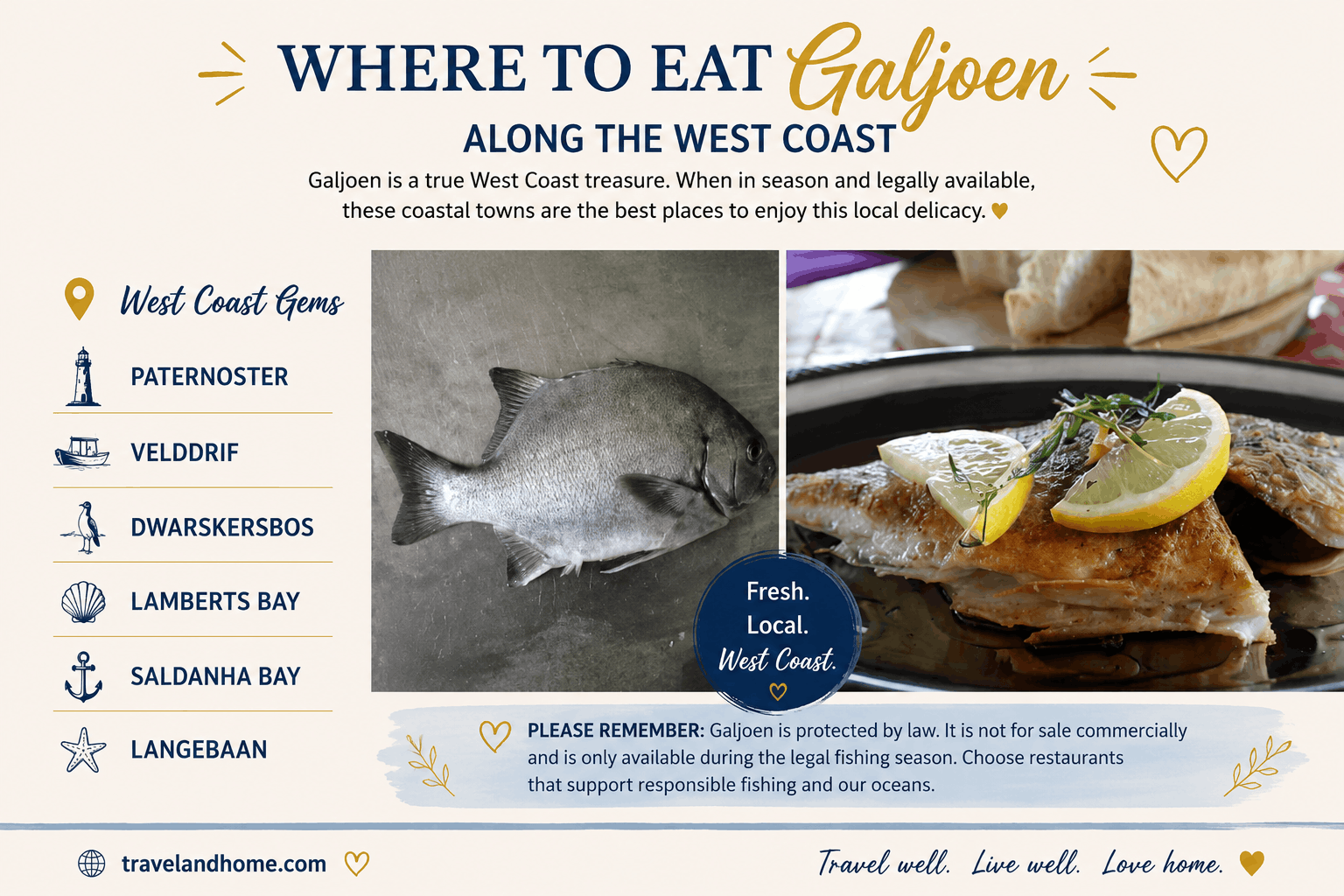
The Galjoen may not be the biggest fish in South Africa’s waters, nor is it the most colorful. Yet it has earned a place in the hearts of generations of South Africans who have spent time along the country’s rugged coastline.
The Galjoen (Dichistius capensis), also known as the Blackfish, is South Africa’s national fish. Despite its common English name, it should not be confused with the Black Bream found in Australia and other parts of the world, which is an entirely different species.
For generations, recreational anglers have regarded catching a Galjoen as something of a rite of passage. Today, the Galjoen is protected by strict fishing regulations that include seasonal closures, size limits, and daily catch restrictions. These measures help ensure future generations can continue to experience this remarkable part of South Africa’s natural heritage.
Fun fact: The name “Galjoen” is believed to have been borrowed from the old Dutch word “galjoen”, meaning a large sailing ship or galleon. Early Dutch settlers thought the fish’s deep, rounded body resembled the broad hull of these impressive sailing vessels.
Galjoen has firm white flesh with a mild, slightly sweet flavor. Many South Africans believe it is at its best when grilled over open coals (a traditional braai) or pan-fried with butter, lemon, garlic, and fresh herbs.
Because the fish feeds mainly on seaweed and marine organisms living among rocky reefs, its flavor is distinctive yet delicate, making it a favorite among seafood lovers.
Travel and Home Tip: If Galjoen is on your South African food bucket list, don’t plan your trip around it alone. Availability depends on the legal fishing season, weather conditions, and daily catches. Instead, ask your hotel or local seafood restaurant what’s fresh that day. Sometimes the best meals are the ones you weren’t expecting.
If you’re hoping to taste this iconic fish, your best chances are in South Africa’s West Coast coastal towns with long fishing traditions. Local seafood restaurants occasionally feature Galjoen as a seasonal special.
>> Check out our posts about visiting Velddrif and Dwarskersbos, and Langebaan.
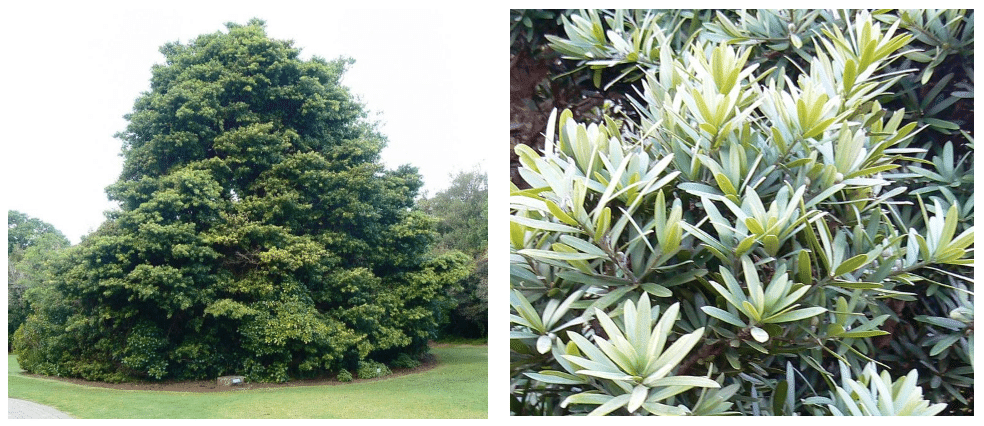
Among the thousands of tree species that grow across South Africa, the Real Yellowwood (Podocarpus latifolius) stands apart as a living link to the country’s natural heritage.
Long before South Africa became a modern nation, Yellowwoods were already growing in the cool, misty indigenous forests stretching from the Cape Winelands to the Garden Route and into KwaZulu-Natal. Some of these magnificent giants have quietly watched centuries of history unfold and can live for hundreds, sometimes well over a thousand years.
Early settlers prized Yellowwood timber because it was exceptionally durable, easy to work with, and beautifully grained. It became the wood of choice for fine furniture, wagon building, church pews, doors, floors, and even the ceilings of historic Cape homes. As demand increased, vast numbers of Yellowwoods were felled, especially in the forests around Knysna and Tsitsikamma.
Eventually, people realized these ancient forests could not regenerate quickly enough. Conservation efforts followed, and today the Real Yellowwood is protected. Instead of symbolizing timber, it has come to symbolize something far more valuable: South Africa’s commitment to preserving its natural heritage for future generations.
Perhaps that is why the Yellowwood was chosen as the national tree. It represents strength without arrogance, quiet endurance, and deep roots that have stood the test of time. Like South Africa itself, it has weathered many seasons and continues to thrive.
If you’d like to take home a piece of South Africa inspired by its national tree, look for crafts made from legally sourced or reclaimed Yellowwood. Because mature Yellowwoods are protected, reputable artisans use sustainably harvested timber, reclaimed wood, or certified sources rather than freshly felled indigenous trees.
Some wonderful keepsakes include:
These items showcase the warm golden tones and beautiful grain that have made Yellowwood prized for generations.
If you’re exploring South Africa, these regions are particularly good places to browse locally made wooden crafts:
Travel and Home Tip: Before buying any Yellowwood product, ask the artisan or retailer where the timber came from. Reputable craftspeople are usually proud to explain that their wood comes from reclaimed timber, storm-damaged trees, or sustainable sources. Knowing your purchase supports responsible forestry makes it an even more meaningful souvenir.
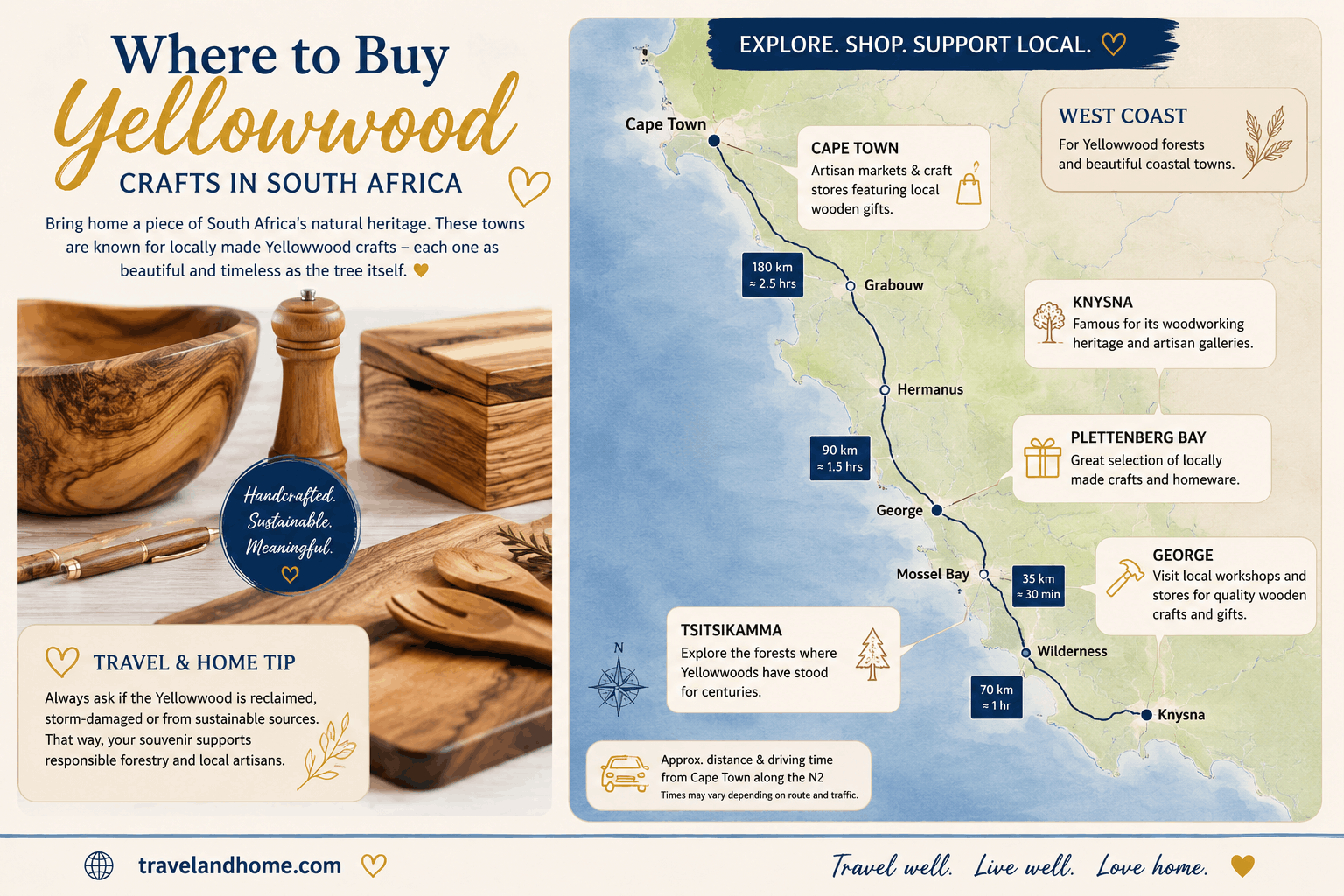
When you run your hand across a polished Yellowwood bowl or serving board, you’re touching timber from one of South Africa’s oldest living tree species. Unlike many souvenirs that lose their appeal over time, a handcrafted Yellowwood piece becomes part of your own story. Years later, every meal served on that board or every glance at that carved keepsake can bring back memories of wandering through South Africa’s ancient forests, where towering Yellowwoods have stood watch for centuries.
With its soft blue-grey feathers, long elegant legs, and graceful courtship dance, the Blue Crane (Anthropoides paradiseus) is often regarded as one of the world’s most beautiful crane species. Yet its selection as South Africa’s national bird goes far beyond its striking appearance.
The Blue Crane is found almost exclusively in southern Africa, with more than 99% of the world’s population living in South Africa. In many ways, it is a bird found nowhere else on Earth in such abundance, making it a fitting ambassador for the country’s unique wildlife.
For centuries, the Blue Crane has been admired by South Africa’s Indigenous peoples. Among the Xhosa, exceptional warriors were traditionally honoured with Blue Crane feathers as a symbol of courage, wisdom, and leadership. Receiving these feathers was considered one of the highest distinctions a person could earn.
When South Africa adopted its new national symbols after 1994, the Blue Crane was chosen to represent not only the country’s extraordinary biodiversity but also qualities that people aspire to: dignity, harmony, resilience, and hope for the future.
Watching a pair of Blue Cranes dance across an open grassland is an unforgettable sight. Their synchronized bows, leaps, and wing displays are among nature’s most beautiful courtship rituals and serve as a reminder that strength can be expressed with elegance rather than force.
Blue Cranes are remarkably long-lived birds.
These birds form strong lifelong pair bonds, often returning to the same breeding territories year after year. Watching an established pair together is one of the reasons many bird lovers become so captivated by this species.
Although the Blue Crane remains South Africa’s national bird, it has not always been secure.
During the twentieth century, populations declined because of habitat loss, collisions with power lines, poisoning, and accidental entanglement in farm fencing. Conservation groups, landowners, and farmers have worked together to reverse these declines, and many Blue Crane populations have recovered thanks to habitat protection and public awareness.
Some of the best places to look for Blue Cranes include:
Unlike many birds that disappear into forests, Blue Cranes often feed in open fields, making them surprisingly easy to spot if you know where to look.
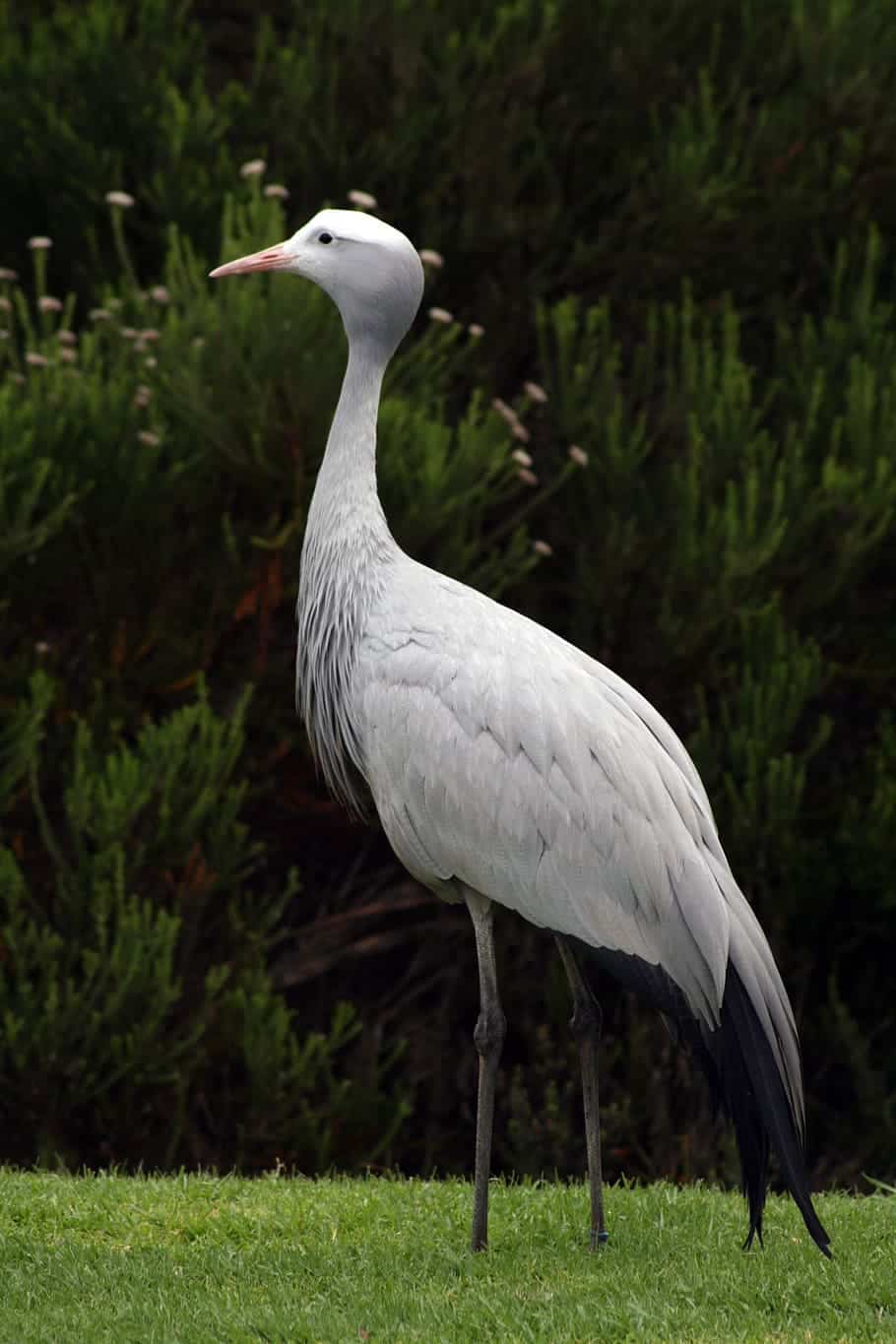
Travel and Home Tip: If you hope to photograph Blue Cranes, arrive shortly after sunrise or during the golden hour before sunset. The soft light beautifully highlights their delicate blue-grey feathers, and the birds are often at their most active as they feed or perform their graceful courtship displays.
One of the best ways to experience South Africa’s national symbols is to stay close to the places they naturally occur. Whether you’re hoping to photograph King Proteas, watch Blue Cranes in the grasslands, or wander through ancient Yellowwood forests, choosing the right base can turn a simple road trip into an unforgettable adventure.
Best base: Cape Town
Cape Town makes an excellent base for exploring the Cape Floral Kingdom, where South Africa’s national flower grows naturally. From here, you can easily visit Kirstenbosch National Botanical Garden, Table Mountain National Park, and several mountain reserves famous for spectacular Protea displays.
Perfect for: Nature lovers, hikers, photographers, and flower enthusiasts.
>> Find hotels near Kirstenbosch National Botanical Gardens.
Best bases:
If spotting South Africa’s national animal is high on your bucket list, consider staying near one of the country’s renowned national parks or in the wide-open landscapes of the Karoo and Northern Cape. These regions offer excellent opportunities to see Springboks roaming freely.
Perfect for: Safari holidays, wildlife photography, and scenic road trips.
Best bases:
The Garden Route is home to some of South Africa’s oldest indigenous forests, where towering Yellowwoods have stood for centuries. Staying in one of these towns puts forest walks, canopy tours, and artisan woodcraft shops within easy reach.
Perfect for: Forest lovers, families, hikers, and slow travel.
>> Explore self-catering accommodations or the best places to stay in the Garden Route.
Best bases:
The Overberg is one of the best places to see South Africa’s graceful national bird. Rolling wheat fields, quiet country roads, and peaceful farm stays make this region ideal for birdwatchers and photographers.
Perfect for: Birdwatching, scenic drives, and countryside escapes.
Best bases:
The rugged West Coast is where South Africa’s national fish feels most at home. Stay in a seaside cottage or guesthouse and enjoy dramatic Atlantic sunsets, fresh seafood, charming fishing villages, and spectacular spring wildflowers if you’re visiting between August and September.
Perfect for: Coastal escapes, seafood lovers, photographers, and relaxing weekends.
Travel and Home Tip: If you have a week or more, why not turn your holiday into a South Africa’s National Symbols Road Trip? Start in Cape Town for the King Protea, head north to the West Coast for the Galjoen’s rugged shoreline, continue along the Garden Route to discover ancient Yellowwood forests, and finish in the Overberg in search of the elegant Blue Crane. Along the way, you’ll experience some of South Africa’s most breathtaking scenery while ticking off the country’s iconic national symbols one by one.
South Africa’s national symbols tell stories of resilience, beauty, and heritage. From the graceful Blue Crane and ancient Yellowwood to the resilient Galjoen, the iconic Springbok, and the magnificent King Protea, each one offers a deeper connection to the country’s landscapes, wildlife, and people. I hope this guide inspires you to experience these symbols for yourself the next time you visit South Africa.
Have you spotted any of South Africa’s national symbols in the wild, or do you have a favorite? I’d love to hear about your experience or memories in the comments below. Your recommendations and stories may inspire someone else’s South African adventure!