
Some cookies are needed to make this site work. With your permission, we'd also like to use cookies to see how people use the site and to show relevant ads and travel deals. You can change your mind at any time using the "Cookie settings" button. Read more in our Policy.
Your browser is sending a "do not sell or share" signal, so advertising cookies are off by default.
Beijing
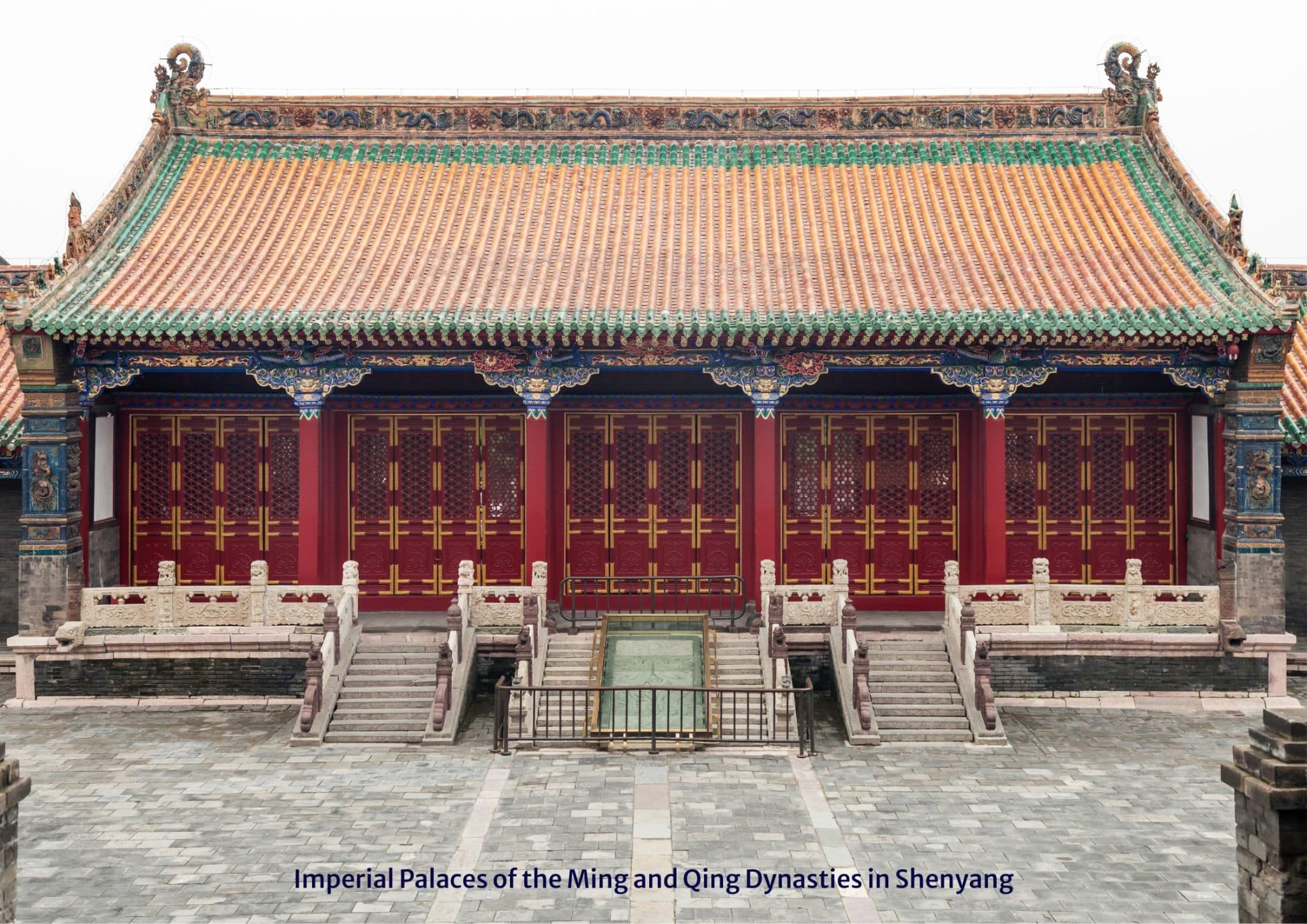
These palaces, including the Forbidden City in Beijing and the Imperial Palace in Shenyang, are magnificent examples of imperial architecture and provide insights into the imperial life of China’s Ming and Qing dynasties.

Beijing
Built during the Ming Dynasty, it served as an imperial sacrificial altar where emperors would pray for good harvests and divine blessings. The complex’s design, with its intricate symbolic elements and layout in perfect harmony with the natural surroundings, reflects the deep connection between heaven and earth in traditional Chinese philosophy.

Shanxi Province
Carved into the sandstone cliffs, the grottoes feature over 51,000 statues, ranging from small to monumental in size, representing various Buddhist figures and scenes. This remarkable achievement of ancient artistry showcases the fusion of Indian, Central Asian, and Chinese artistic influences, providing valuable insights into the cultural exchange and religious devotion of the time.

Shanxi Province
Mount Wutai is one of China’s Four Sacred Buddhist Mountains and a center of pilgrimage for Buddhists. It is renowned for its grand monasteries, magnificent statues, and the spiritual atmosphere that permeates the entire mountain.

Beijing
The Summer Palace is a masterpiece of Chinese landscape design, combining natural features with man-made elements such as pavilions, temples, and bridges. It exemplifies the harmonious integration of human architecture with nature.

The Great Wall of China (长城 Chángchéng) stretches westward across the provinces and municipalities of Liaoning, Hebei, Tianjin, Beijing, Inner Mongolia Autonomous Region, Shanxi, Shaanxi, and Ningxia Autonomous Region to Gansu in the west.

Shanxi Province
With its well-preserved city walls, traditional architecture, and intricate urban layout, Ping Yao offers a remarkable glimpse into the prosperous commercial culture and architectural heritage of ancient China. Its historical significance as a thriving financial center during the Ming and Qing dynasties makes it a unique and invaluable site for understanding China’s economic and cultural history.

Hebei Province
The resort served as a summer retreat for the Qing emperors, offering a harmonious blend of traditional Chinese architectural styles and the surrounding mountains, lakes, and forests. The outlying temples, representing various Buddhist, Taoist, and Tibetan architectural traditions, further enhance the site’s cultural and religious significance, making it a unique testament to the imperial leisure culture of China.

Beijing, Tianjin, Hebei, Shandong, Jiangsu, Zhejiang, Anhui and Henan Provinces
Stretching over 1,700 kilometers, it is the longest and oldest artificial waterway in the world, connecting the Yellow River and Yangtze River. The canal’s construction showcased the advanced hydraulic techniques of ancient China and facilitated economic and cultural exchange, playing a vital role in shaping the country’s development and fostering regional integration throughout the centuries.

Beijing
It is the site where ancient human remains, including Homo erectus fossils, were discovered, providing crucial insights into human evolution and the origins of early humans in East Asia. This archaeological site offers a rare window into our ancestral past and contributes to our understanding of human history and cultural development.
Inner Mongolia Province
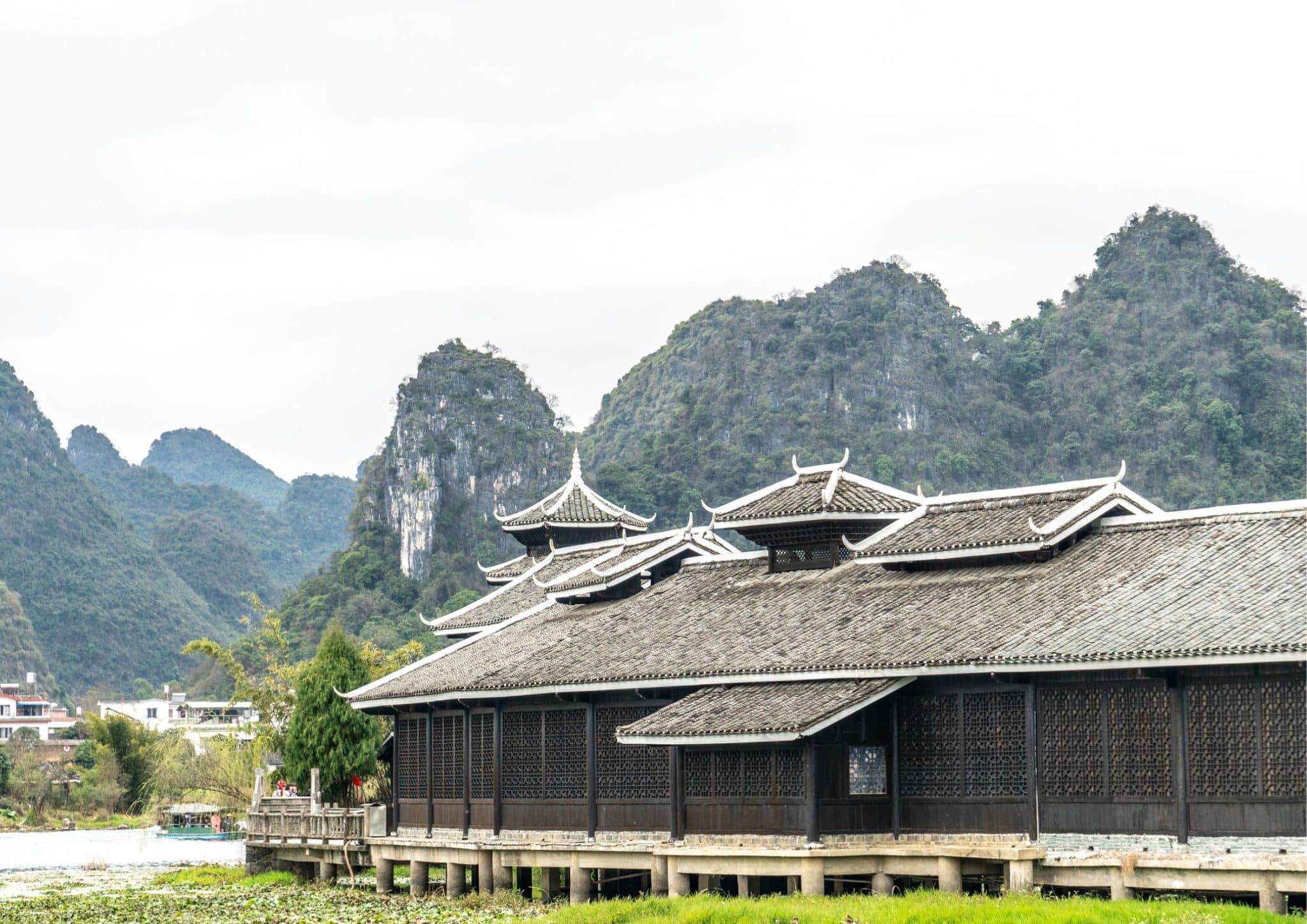
The Site of Xanadu, located north of the Great Wall, encompasses the remains of Kublai Khan’s capital city, representing the assimilation of Mongolian and Han Chinese cultures. Kublai Khan established the Yuan dynasty from this base, expanding China’s boundaries and spreading Tibetan Buddhism throughout the region. The site, planned with consideration for traditional Chinese feng shui, features various elements such as temples, palaces, tombs, nomadic encampments, and the Tiefan’gang Canal, offering a glimpse into the diverse historical and cultural aspects of Xanadu.

Beijing and Nanjing, Jiangsu Provinces
The tombs, including the Yongling Tomb, Fuling Tomb, and Zhaoling Tomb, were constructed in the 17th century for the Qing Dynasty’s founding emperors and their ancestors. Showcasing the influence of traditional Chinese geomancy and fengshui, the tombs exhibit intricate stone statues, carvings, dragon-themed tiles, and a blend of previous dynastic traditions with distinct Manchu civilization elements, representing the evolving funerary architecture of the Qing Dynasty.