
By Elana Botha
If you’re in Johannesburg, Pretoria, or anywhere along the Highveld, Mozambique holidays from South Africa aren’t a bucket-list flight-and-a-half-day trek — they’re a long weekend, and I’ve done the trip enough times to know exactly where people waste time and money on it. A direct flight from OR Tambo gets you to Maputo in about an hour, and if you’re driving, you can be on Mozambican sand by lunchtime after breakfast in Nelspruit. Most Mozambique guides are written for Americans, Brits, or backpackers passing through Joburg as a stopover — not for someone who lives an hour’s flight away and wants to know, practically, how to make this work.
This guide covers what I’d tell a friend planning the same trip: which flights and border posts actually make sense, what to budget for in rand, and — since most of you are already planning a Kruger trip anyway — exactly how to add a few days on the coast without doubling your admin.
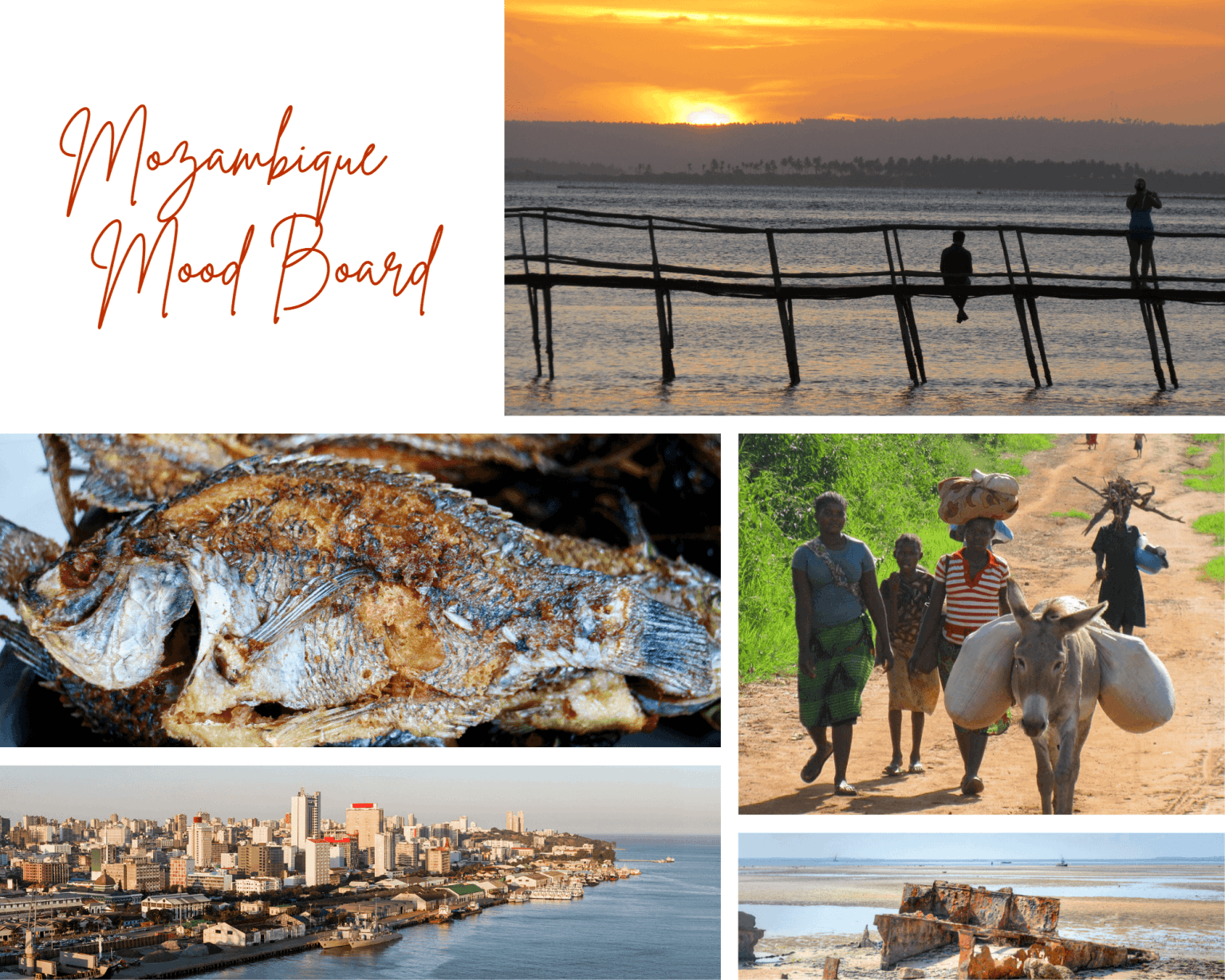
For SA passport holders, Mozambique sits in a sweet spot that beach destinations further afield can’t match:
Three airlines currently fly the Joburg–Maputo route, and it’s a busy corridor with dozens of flights a week between them:
As a rule of thumb: a one-way economy fare from Joburg to Maputo sits in the same ballpark as a tank of fuel and a night in a mid-range hotel — it’s a short-haul domestic-style price point, not an international long-haul one. Expect it to roughly double around school holidays and December, as with any popular regional route.
Flight time from Joburg to Maputo is about an hour; Joburg or Kruger Mpumalanga to Vilanculos (for the Bazaruto Archipelago) runs closer to two hours.
Practical note: All travelers to Mozambique currently need to register for an Electronic Travel Authorization (ETA) at least 48 hours before departure — this applies whether you’re flying or driving, so build it into your planning timeline rather than leaving it for the airport.
This is where Mozambique stops being “a foreign country” and starts being “the next province over,” and it’s the detail that makes combining it with a Kruger safari genuinely easy rather than theoretical.
Whichever crossing you use, carry your passport, vehicle registration papers, and a cross-border Letter of Authority from your car rental company (arrange this at least 48 hours ahead) — and fill up on fuel and supplies on the South African side, since it’s simpler and often cheaper.
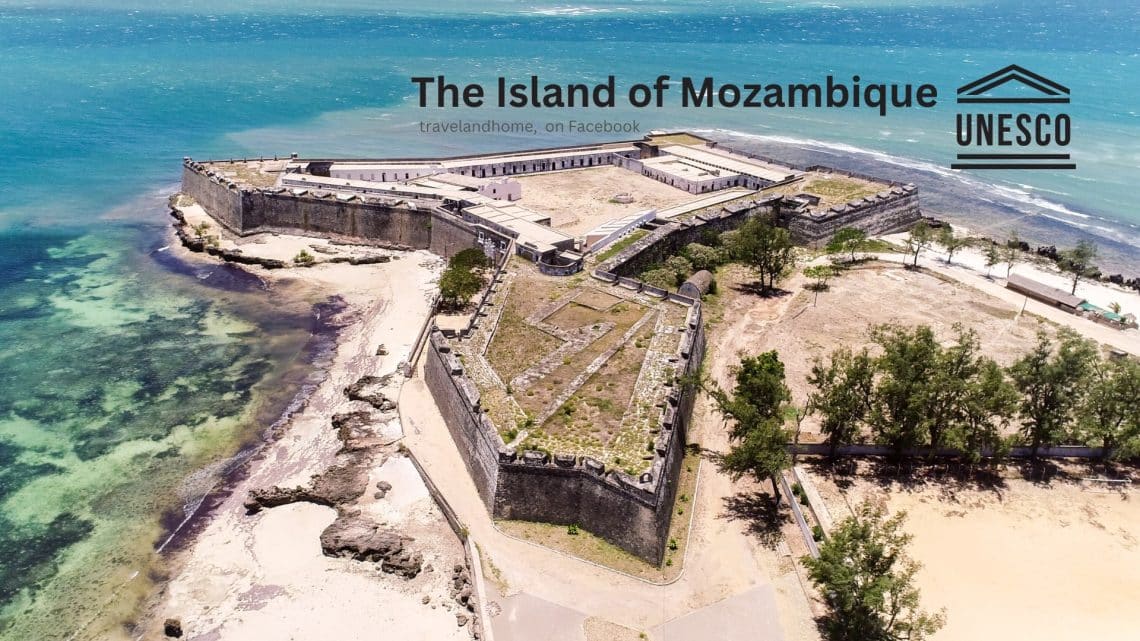
Mozambique holidays from South Africa aren’t just about flight time and rand-friendly pricing — the country carries genuine UNESCO weight too.
This is the section most Mozambique content skips entirely, because it’s written for travelers converting from dollars or pounds, not rand — and it’s the one place we’ll deliberately talk in relative terms rather than fixed prices, since fares and rates shift constantly.
For South African travelers, this is the trip that makes the most sense — and it’s the one piece of advice worth repeating: you don’t need to choose between bush and beach. The geography does the work for you.
A workable bush-to-beach structure:
Ten to fourteen days is comfortable for the full bush-to-beach loop; a long weekend is enough if you’re only adding a couple of Mozambican beach nights onto a Kruger trip you were already taking.
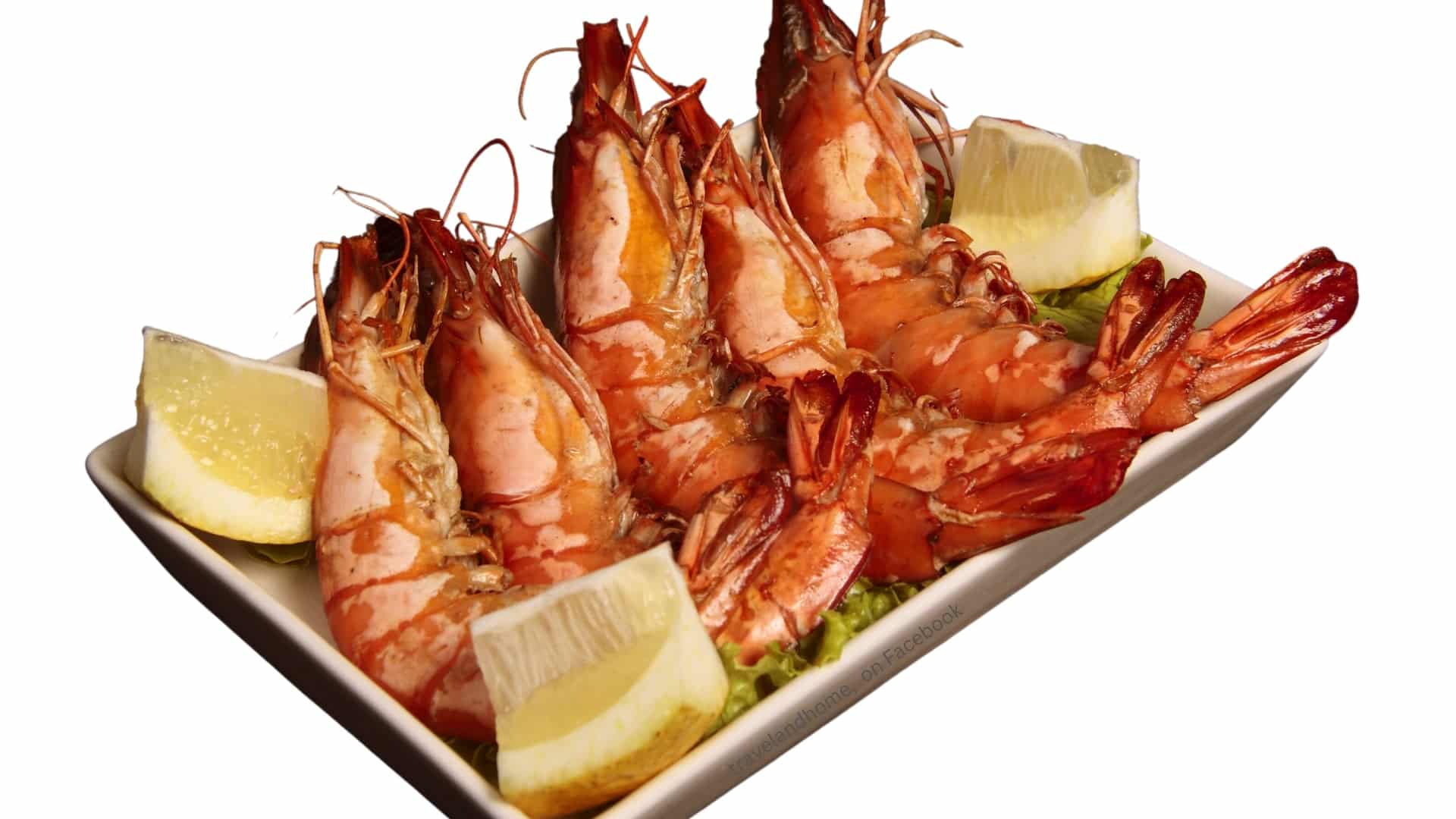
Mozambican food is reason enough to cross the border, and it comes with a bonus for South African travelers: this is where peri-peri as we know it actually started. Portuguese settlers brought chillies from their trade routes and combined them with local cooking traditions, and the result — peri-peri prawns, chicken, and calamari, usually grilled and doused in a sauce that’s spicier and more citrusy than the export version most South Africans grew up with — is everywhere along the coast, often at a fraction of what you’d pay for equivalent seafood back home. Beyond the peri-peri, look out for matapa, a traditional dish of cassava leaves cooked down with peanut and coconut milk, and don’t skip the Portuguese-influenced pastries and coffee culture that lingers in Maputo’s cafés. It’s a food scene that rewards wandering off the resort menu.
Mozambique’s dry season (May–October) overlaps well with the best Kruger game-viewing months, which is another reason this combination works so cleanly — you’re not choosing between two different “best times to visit.” November through March brings more rain and heat but also warmer water for diving and snorkelling around Ponta do Ouro and the Bazaruto Archipelago, and quieter beaches outside of the December peak. Averages shift a little year to year, so it’s worth checking current monthly figures here before you lock in dates.
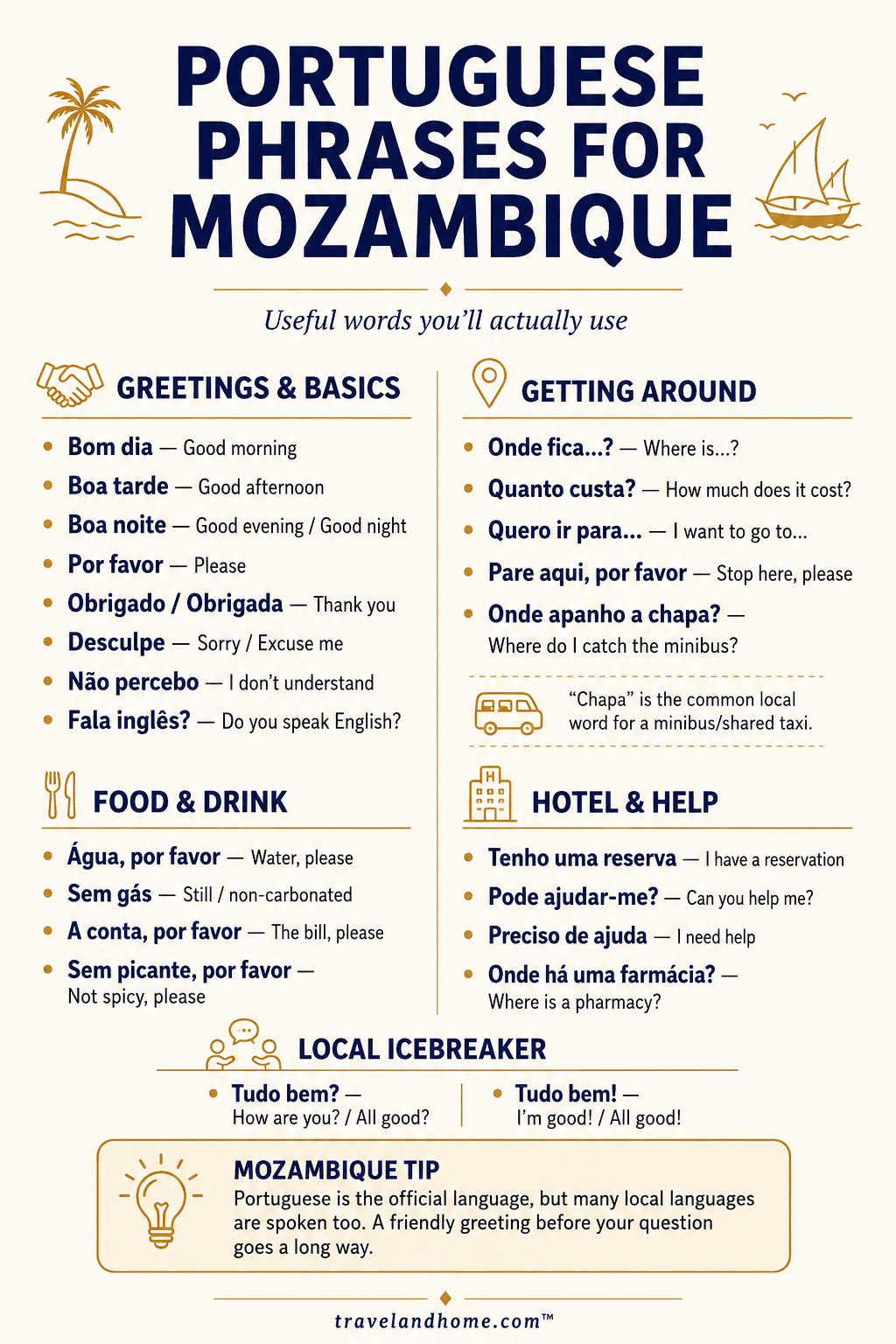
Here’s a detail that’s easy to overlook when planning Mozambique holidays from South Africa: it’s a Portuguese-speaking country, not an English-speaking one, and that’s a bigger practical shift than the border crossing itself. In the tourist economy — lodges, dive centers, restaurants, and hotel staff in Maputo, Vilanculos, Ponta do Ouro, Bilene, and Tofo — English is well covered, so a guided trip or a booked lodge stay won’t leave you stuck. Step outside that bubble, though — local markets, minibuses (“chapas”), rural areas, or dealing directly with officials — and Portuguese becomes far more useful than English. A handful of basic phrases (olá for hello, bom dia for good morning, obrigado/obrigada for thank you) go a long way, and a translation app is a smart backup for anything beyond small talk.
Yes — Mozambique has two. The Island of Mozambique was inscribed in 1991 for its blend of Arab, Indian, and Portuguese architecture as the former colonial capital. Maputo National Park, the coastal reserve near Ponta do Ouro combining terrestrial and marine ecosystems, was inscribed in 2025 for its biodiversity — and it sits right along the same southern route as a Kruger-to-beach itinerary.
Portuguese is the official language, not English. In tourist areas — lodges, dive centres, restaurants, and hotels in Maputo, Vilanculos, Ponta do Ouro, Bilene, and Tofo — English is well covered. Away from those areas, in markets, on minibuses, or with officials, Portuguese is far more useful, and a handful of basic phrases go a long way.
Yes, it’s a well-used route. The main crossing at Lebombo/Komatipoort is a fully tarred road manageable in a standard sedan. If you want to cross directly from inside Kruger National Park via Giriyondo, you’ll need a 4×4 and third-party vehicle insurance arranged in advance. Either way, carry your passport, vehicle papers, and a cross-border Letter of Authority from your rental company.
Rand is widely accepted in Maputo and the southern beach towns closest to the border, so a short trip can often be managed without touching a second currency. Further north and away from tourist areas, meticais (MZN) become more useful and are available from ATMs in larger towns.
Yes — this is the trip that makes the most geographic sense for South African travelers. A few days in Kruger followed by a border crossing (via Lebombo/Komatipoort or Giriyondo) into a few days on the Mozambican coast is a genuinely efficient bush-to-beach route, not just a marketing pitch.
The dry season (May–October) overlaps well with peak Kruger game-viewing months, making it easy to time a combined trip. November–March brings more rain and heat but also warmer water for diving and snorkelling, plus quieter beaches outside the December peak. Averages shift year to year, so it’s worth checking current figures before locking in dates.
Here’s the thing I keep telling people about Mozambique: you don’t need a long-haul flight and a fortnight off work to feel like you’ve properly gotten away. Pack the car after a few days in Kruger, or grab a quick flight from Joburg, and by that evening you could be watching the sun go down over the Indian Ocean with a plate of peri-peri prawns in front of you. Sort the ETA, sort the border paperwork, and the rest of the trip takes care of itself.

Elana Botha plans trips the way she’d want one planned for her — sorted logistics, no wasted admin, no surprises at the border. She’s covered the Joburg–Kruger–Mozambique corridor enough times to know exactly where people lose time and money on it, and writes guides built around what she’d actually tell a friend before they left.