Microwave
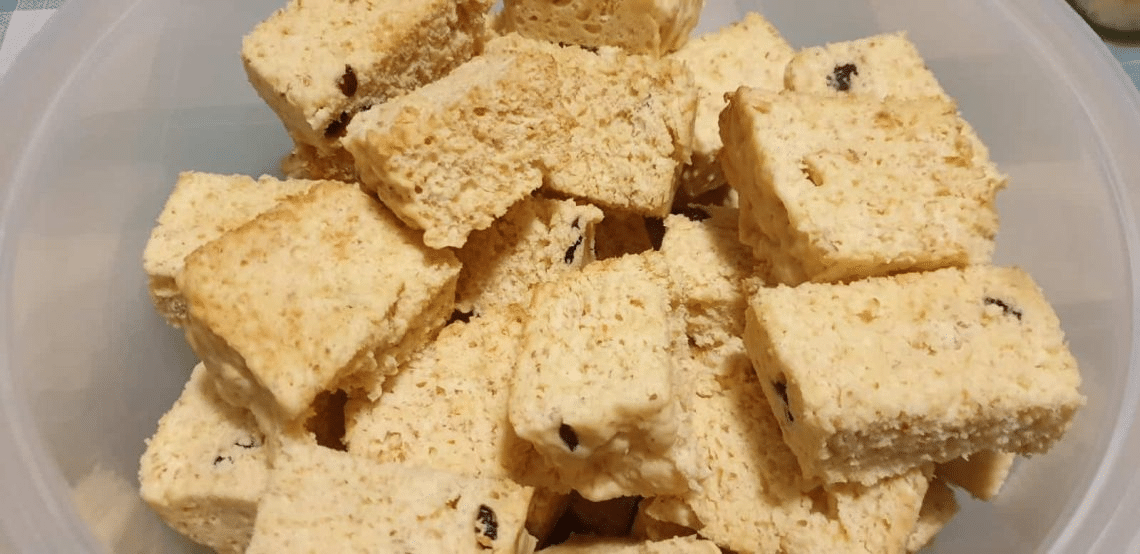
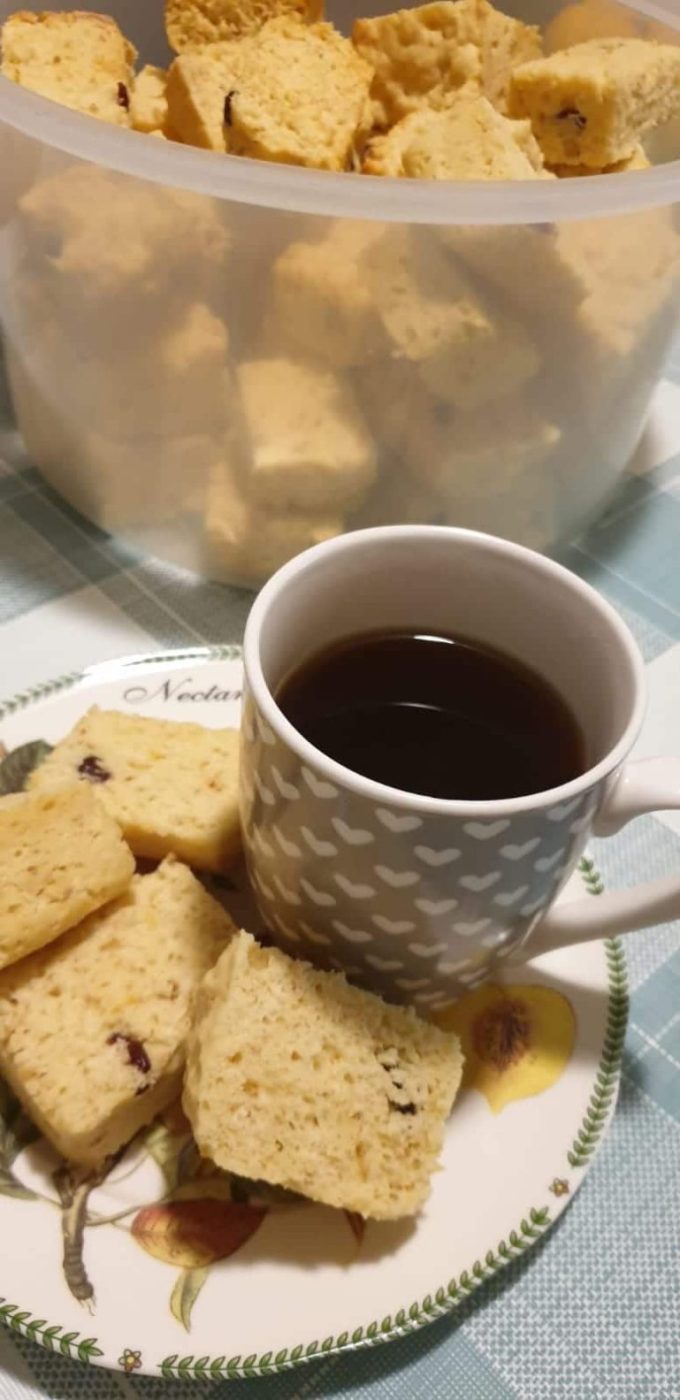
Few things are more comforting than a homemade South African buttermilk rusk with a hot cup of coffee. Traditional rusks usually spend a long time in the oven, but this easy microwave buttermilk rusk recipe saves time without sacrificing the familiar crunchy texture. If you’re looking for a quick ‘beskuit’ recipe that has been enjoyed for years, this one is a family favourite. It’s simple to mix, easy to bake, and perfect for filling the cookie tin.
I got this microwave buttermilk rusk recipe from a friend many years ago, and it is still a firm favorite in my home as it is so easy to make.
Rusks are delicious treats that are served with coffee (or tea) any time of day from early morning to late evening in South Africa. People gather around a cup of coffee and rusks. One of the firm favorites amongst locals is the traditional Buttermilk version (especially “Ouma Beskuit (Wikipedia)”. However, if you don’t have the time to slave in front of the oven, you need a recipe that is “mix and bake”-friendly. So here it is:
You’ll be ready to impress your friends much faster as it is much faster to make than traditional rusks.
Lorem ipsum dolor sit amet, consectetur adipiscing elit. Ut elit tellus, luctus nec ullamcorper mattis, pulvinar dapibus leo.
Ingredients:
Melt the above ingredients together.
Mix the above ingredients in a separate mixing bowl.
Additional variations: You can add a handful of raisins or cranberries if you like.
Note: In South Africa, I find Darling Cultured Buttermilk to work the best. (Mixing milk with lemon to create your own does work, but it doesn’t have quite the same texture and taste.)
Method:
Important note: Don’t overcook in the microwave.
My Home Tip: Some time ago, I bought two of those very nice and thick 2-litre ice cream tubs, and I’ve kept it ever since. It makes the perfect container for baking in the microwave.
1. How do I dry rusks if I only have a microwave? Once the rusks are baked and cut into pieces, place them back in the microwave in a single layer. Microwave on a low power setting for short intervals, turning them regularly. Allow them to cool between intervals, as they continue drying while cooling. Repeat until they are completely crisp. Avoid using full power, as this can make the rusks hard rather than dry.
2. How do I dry rusks in a gas oven? A gas oven works just as well. Place the rusks on a baking tray and dry them at the lowest temperature your oven allows, ideally around 80–100°C (175–210°F). Leave the oven door slightly open to let moisture escape and turn the rusks every hour. Depending on their size, they may take between 3 and 6 hours to dry completely.
3. Why do my rusks need to be dried after baking? Drying removes the remaining moisture from the baked dough, giving rusks their famous crunchy texture. If they aren’t dried properly, they can become soft or stale much more quickly.
4. How do I know when my rusks are completely dry? Break one open once it has cooled. The inside should feel completely dry with no soft or doughy patches. If there’s any moisture left, continue drying them a little longer.
5. Can I freeze homemade buttermilk rusks? Yes. Once the rusks have cooled and dried completely, store them in an airtight freezer container or freezer bag. They freeze well for up to three months and can be enjoyed straight from the freezer or left to thaw at room temperature.
6. How should I store homemade rusks? Store them in an airtight tin or container in a cool, dry place. Properly dried rusks can stay fresh for several weeks if kept away from moisture.
7. Can I use butter instead of margarine? Yes. Butter actually gives the rusks a richer flavour, while margarine creates a lighter texture. Either works well, so use whichever you prefer.
8. Possible problem – Why did my rusks turn out soft? Soft rusks usually mean they haven’t dried long enough or they’ve absorbed moisture after drying. Continue drying them until the centre is completely crisp and always store them in an airtight container.
9. Can I add raisins, seeds or nuts to this recipe? Absolutely. Raisins, cranberries, sunflower seeds, pumpkin seeds or chopped pecans all work well. Stir them into the batter before baking, keeping the total amount moderate so the dough still bakes evenly.
10. Why do South Africans dip rusks in coffee or tea? Rusks were originally made to last for long periods and were often enjoyed by dipping them into coffee or tea to soften them slightly. Today it’s a much-loved South African tradition, especially at breakfast or during a mid-morning coffee break. You simply don’t bite into them when they’re dry like a biscuit. It’s made to be dipped…

South Africa holds a very special place in my heart. The people are warm and welcoming, and the scenery is breathtaking. If you ever visit South Africa, make time for the Western Cape.
One of my favorite places is Blouberg, where you can enjoy spectacular views of Table Mountain across the bay. Find a cozy café, order a good cup of coffee, and you’ll quickly understand why South Africans and people from all over the world love this place so much.
Homemade rusks are the perfect travel companion. They’re easy to pack, don’t crumble easily, and stay fresh for weeks. From long drives through the Karoo to seaside holidays along the Garden Route, a tin of rusks and a flask of coffee have been part of countless South African adventures.
I do hope you enjoy making this recipe as much as I do. Your friends will be impressed and the family will love you even more for keeping these in the cupboard to enjoy any time of the day.
I love baking and trying new things…but above all keeping my family happy.
You’ll love to:
The secret is out: How to make classic pink sauce…