
Welcome to Myra / Demre, a treasure trove of wonders awaiting your discovery on the sun-drenched shores of Türkiye .
Myra is famously associated with St. Nicholas, the historical figure who inspired the modern-day Santa Claus.
Saint Nicholas of Myra, also known as Nicholas of Bari, was an early Christian bishop of Greek descent who served as the Bishop of Myra in the 4th century.
His acts of generosity and kindness, particularly his habit of secret gift-giving, led to the development of the legendary figure of Santa Claus. The Church of St. Nicholas in Demre, near Myra, is believed to house his tomb and is a significant pilgrimage site.

A bit more about where to stay in Demre, later in the article.
St. Nicholas, also known as Nicholas of Myra or Nicholas the Wonderworker, was a Christian bishop who lived during the 4th century in the city of Myra, located in present-day Demre, Türkiye . He is one of the most revered saints in Christianity and is particularly known for his acts of generosity and kindness.
One of the most famous stories about St. Nicholas involves a poor man who could not afford dowries for his three daughters. In order to save them from a life of destitution, St. Nicholas is said to have secretly thrown bags of gold through the window of their home, providing the necessary dowries. This act of anonymous charity contributed to the association of St. Nicholas with gift-giving, a tradition that evolved into the modern-day Santa Claus.

St. Nicholas became the patron saint of sailors, merchants, and children, and his feast day is celebrated on December 6th in many Christian traditions. The Church of St. Nicholas in Demre is believed to house his sarcophagus, making it a destination for pilgrims and tourists alike. The church features well-preserved frescoes depicting scenes from the life of St. Nicholas.
Visiting Myra (Demre) and the Church of St. Nicholas allows you to explore the historical and cultural legacy of this revered figure, offering a unique perspective on the origins of the beloved holiday traditions associated with St. Nicholas.
Kitchen Inspirations from Türkiye
Discover Turkey’s treasures; spice up your kitchen with unique inspirations!
The ancient city of Myra, located in present-day Türkiye , is now known as Demre. Demre is a town in the Antalya Province on the Mediterranean coast, and it encompasses the archaeological site of the ancient city of Myra. The change in the name is part of the evolution of place names over time, reflecting the region’s historical and cultural transformations. When planning your visit, you’ll likely refer to the area as Demre rather than Myra.
When booking a ready-made trip or excursion, you’re most likely to see the heading:
Kekova, also named Caravola (Greek: Dolichiste), is a beautiful, small Turkish island near Demre.
The Sunken City: Many people come to the Kekova region, especially to see the ancient Sunken City across from Kaleköy. Thousands of visitors arrive every year to explore this mysterious underwater site.
The city used to be a lively community until an earthquake sadly changed everything 2,000 years ago. Now, the only clear sign that the city once existed is a stone staircase that goes into the water.
Is it really a city underwater? When the weather is right, you can see the remains of this old city just below the clear surface of the water.
The best way to enjoy it is on a glass-bottomed boat or even by using a sea kayak. Although only a few things are left to tell us about its past, being surrounded by the beautiful turquoise sea, romantic bays, and charming villages nearby, the Sunken City makes Kekova Island a must-visit for your travel wishlist.


These ruins date back to the 5th century BC and offer a captivating glimpse into the past. While Demre itself is not a UNESCO World Heritage Site, the Lycian Rock Tombs in Myra are part of the “Rock Tombs of Lycia” UNESCO site.
Morning: Arrive early at Myra to avoid crowds. Start at the rock-cut Lycian tombs, carved into cliffs above the town — the perfect first stop for sunrise photos.
Midday: Explore the Roman theatre, one of the largest in Lycia, and imagine ancient performances in this enormous stone amphitheater.
Lunch: Head into Demre town for fresh seafood or Turkish pide at a local café. Take a short walk along the harbor if time allows.
Afternoon: Visit St. Nicholas Church in Demre — the historical home of the real St. Nicholas. The small museum next door has fascinating artifacts.
Late Afternoon: Take a gentle stroll along the countryside paths around the ruins, or stop at a local shop for handmade crafts before heading back.


Visiting the ancient ruins of Myra allows you to step back in time and appreciate the architectural, cultural, and historical legacy of this once-thriving city on the Mediterranean coast. The combination of well-preserved structures and the natural beauty of the surroundings makes it a compelling destination for history enthusiasts and tourists alike.
It’s a must-visit destination for history enthusiasts and those seeking a fascinating journey through ancient civilizations.
The elaborate Lycian rock-cut tombs, carved into the cliffs featuring intricate facades and architectural details, showcase the advanced craftsmanship of the Lycian people and add a sense of mystique to the site.
By adding select decor pieces, you can infuse your home with a touch of Türkiye’s ambiance and charm.
The primary language spoken in Demre, Türkiye , is Turkish. Turkish is the official language of the country, and it is widely spoken across various regions, including towns and cities like Demre. While English may be understood in tourist areas, especially in places visited by international travelers, having some basic Turkish phrases can enhance your communication and overall experience in the region.
The official currency used in Demre, Türkiye , is the Turkish Lira (TRY). It’s advisable to exchange your currency for Turkish Lira before your visit or use local exchange services in Demre. Major credit cards are also widely accepted in tourist areas, hotels, and larger establishments, but it’s a good idea to have some local currency for smaller shops, markets, and transportation.
The best time to visit Demre is in late spring (April to June) or early autumn (September to October). During these months, the weather is pleasantly warm — perfect for exploring Myra and walking along the Lycian tombs — without the summer crowds or intense heat.
Morning: Early morning is ideal for quiet, golden-hour photography at the cliffside tombs and the Roman theatre.
Afternoon: Late afternoon light softens the cliffs and ruins, making it perfect for scenic strolls and lingering before heading back to town.
Visiting in July and August can be hot and crowded, while winter months are quieter but cooler, with some services in town possibly limited.
Demre offers opportunities for souvenir shopping, including traditional Turkish crafts and products. Bargaining is common in markets.
Explore the local Turkish cuisine, which includes delicious dishes such as kebabs, mezes, and traditional desserts. Don’t forget to try local specialties and visit local markets.
However, when in Demre you should not miss out on:
Lahmacun:
Hünkar Beğendi:
Manti:
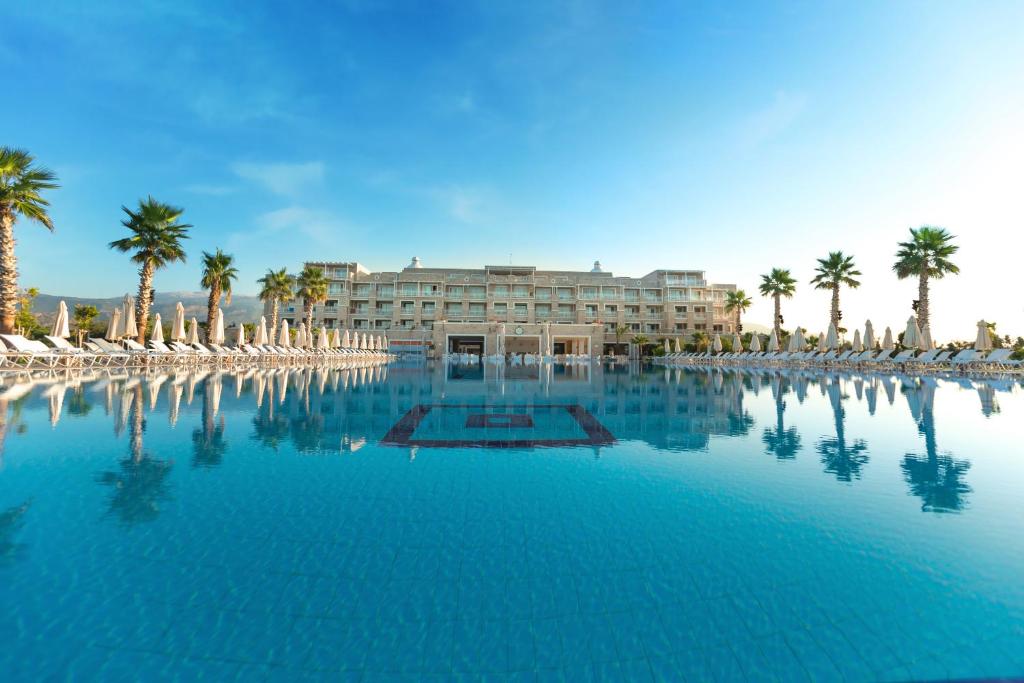
Located just a 4-minute walk from Sülüklü Beach and 4 km from Saint Nicholas Church.
The on-site restaurant serves Mediterranean cuisine and local specialties, with continental, American, Italian, vegan, and gluten-free breakfast options.
You’ll love the rooms with balconies overlooking the sea.
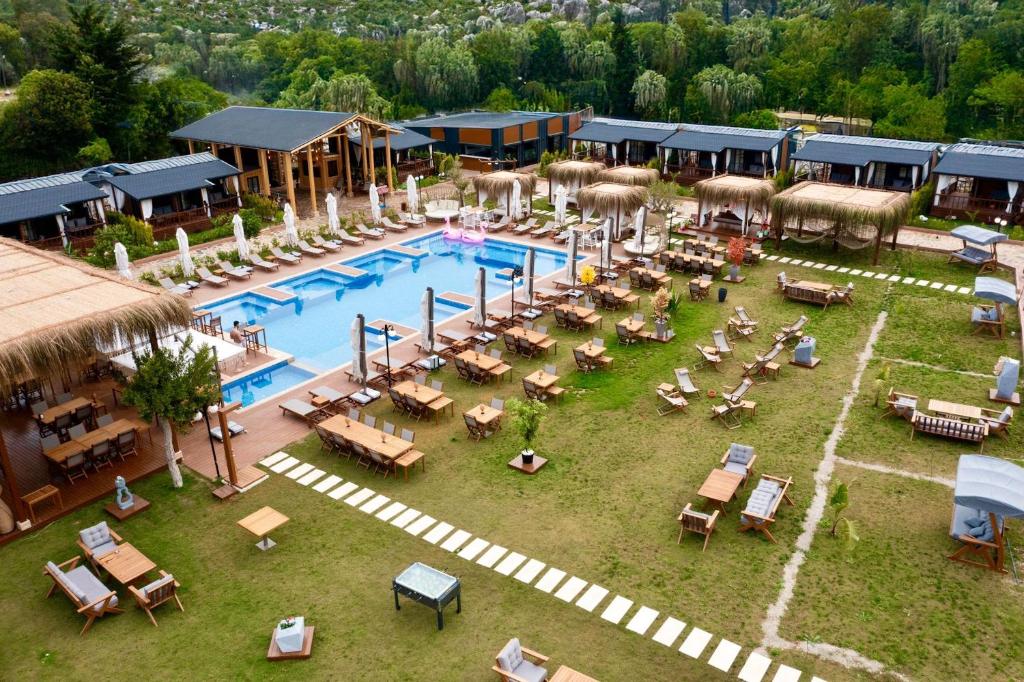
This garden village in Demre offers direct beachfront access with stunning views, a swimming pool, sun terrace, and pool bar.
Rooms feature air-conditioning, private bathrooms, and porch/balconies.
The romantic restaurant serves seafood, steakhouse, Turkish, local, and Asian cuisines, with kosher, vegetarian, vegan, gluten-free, and dairy-free options.
WHY WE RECOMMEND: It offers beachfront access with a private beach area right by the water, so you can step straight down to the sea from the property. Perfect for a relaxing seaside stay.
Wear comfortable shoes – The ruins of Myra involve walking on uneven stone paths and climbing around the cliffside tombs. Sturdy shoes make exploring much easier and safer.
Start early – Arriving in the morning means fewer crowds, softer sunlight for photos, and a more peaceful experience among the Lycian tombs and Roman theatre.
Bring water and sun protection – Even in spring or autumn, Demre’s sun can be strong. A hat, sunscreen, and a small bottle of water keep you comfortable while wandering the ancient ruins and walking between sites in town.
Photography
Bonus Tip – Capture the Magic: The Lycian rock-cut tombs carved into the cliffs are best photographed in early morning or late afternoon when the light casts soft shadows and golden tones. For a unique perspective, walk the small path along the cliff edge — you can frame the tombs with the Roman theatre in the background. Also, a wide-angle lens or panoramic mode on your phone works beautifully to capture both the scale of the ruins and the turquoise coastline beyond.
Explore Early: Begin your day early to explore the ancient ruins of Myra, such as the Lycian Rock Tombs and the Roman theater, before the midday heat sets in. This not only provides a more comfortable experience but also allows you to appreciate the historical sites with fewer crowds.
Visit the Church of St. Nicholas Strategically: Plan your visit to the Church of St. Nicholas strategically to avoid peak times. Early mornings or late afternoons are ideal for a more serene experience at this significant religious site. Take time to appreciate the unique architecture and the historical connection to Saint Nicholas.
Indulge in Local Cuisine: Dive into the local culinary scene by trying traditional dishes such as Lahmacun, Hünkar Beğendi, and Manti. Seek out local eateries for an authentic taste of Demre’s flavors. Don’t miss the chance to enjoy fresh seafood and regional specialties for a true gastronomic adventure.
Embrace the Turquoise Coast: Take advantage of Demre’s proximity to the Turquoise Coast. Plan a day trip to the nearby beaches for relaxation and water activities. Whether it’s sunbathing on the sandy shores or exploring the vibrant marine life through snorkeling, embracing the beauty of the coast adds a refreshing dimension to your Demre vacation.
Demre is a small, relaxed town that’s easy to explore on foot.
You don’t need a car to see the main attractions, though having one helps if you want to reach nearby beaches or the ancient ruins of Myra.
The town is quiet, with a handful of restaurants, cafés, and local shops — perfect for a day or two.
You must see Myra, the cliffside Lycian tombs, and St. Nicholas Church, but beyond that, much of the charm is in walking the streets, enjoying the coast, and taking in the turquoise sea.


